
Hidden in plain sight, often etched onto the inside of the temple arm or bridge of your eyeglasses, are a series of small, seemingly cryptic numbers. For many, they’re nothing more than an obscure marking, a manufacturing detail easily overlooked. Yet, these digits form the backbone of eyewear precision, dictating everything from comfort and visual acuity to the very essence of a brand’s quality and your investment’s worth. Far from being arbitrary, these numbers constitute a universal language within the optical industry, a standardized code that ensures a perfect fit, facilitates mass production with individual customization, and underpins the technological advancements, branding strategies, and financial implications of the global eyewear market. Understanding them empowers you, the consumer, to make informed choices, appreciate the intricate craftsmanship, and optimize your eyewear experience.
Decoding the Universal Language of Eyewear
At its core, the sequence of numbers found on glasses frames is a precise measurement system designed to ensure comfort, stability, and optimal visual performance. This system is globally recognized, allowing manufacturers, opticians, and consumers alike to understand the fundamental dimensions of any given frame.
The Core Measurements: Bridge, Eye, and Temple Sizes
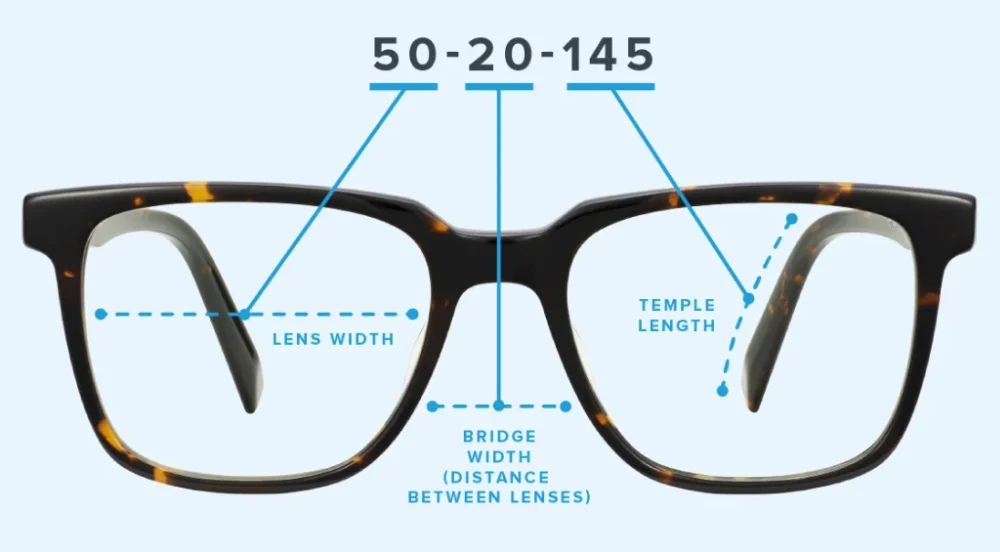
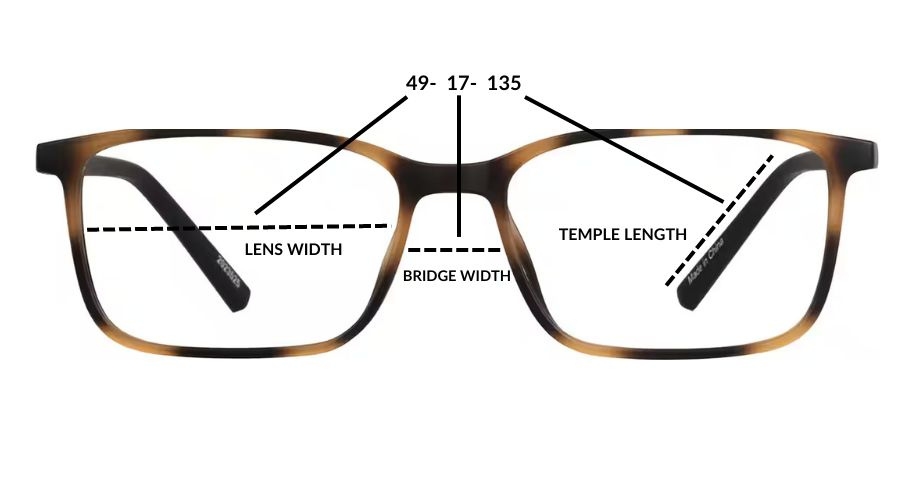
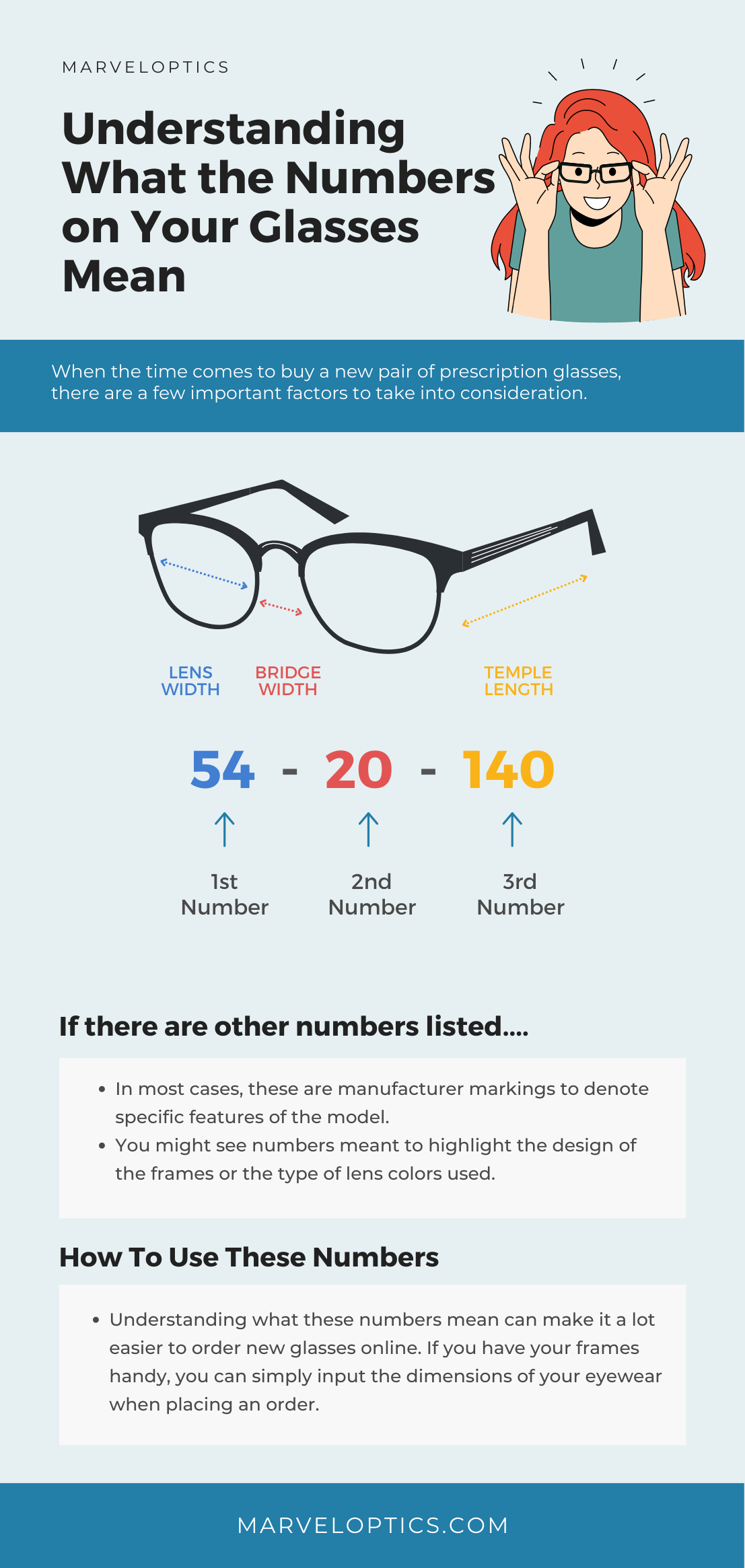
The most common sequence you’ll encounter typically consists of three numbers, often separated by a dash or a small square, such as “50-18-140” or “50 [] 18 140.” These correspond directly to the three critical dimensions of a frame:
-
Eye Size (Lens Width): The first number, usually the largest (e.g., “50”), represents the horizontal width of one lens, measured in millimeters, at its widest point. This measurement is crucial for two primary reasons. First, it determines the overall size and fit of the frame on your face. A larger eye size will result in a wider frame, while a smaller eye size makes for a narrower frame. Second, it directly impacts the position of your eyes relative to the optical center of the lenses. Too large or too small, and the lenses might not be optically correct for your specific vision needs, potentially causing distortion or discomfort. Aesthetically, the eye size also plays a significant role in how the glasses complement your face shape, contributing to your personal style and presentation.
-
Bridge Size (Distance Between Lenses): The second number (e.g., “18”) indicates the width of the bridge of the frame, also measured in millimeters. The bridge is the part of the frame that rests on your nose and connects the two lenses. This measurement is paramount for comfort. A bridge that is too wide will cause the glasses to slide down your nose, while one that is too narrow will pinch, creating pressure points and discomfort. The correct bridge size ensures the frames sit snugly and evenly on your nose, preventing slippage and distributing the weight properly. This is particularly important for individuals with specific nose shapes or bridge heights, ensuring the frame’s weight is supported effectively without causing irritation or leaving marks.
-
Temple Length (Arm Length): The third number (e.g., “140”) refers to the length of the temple arms, or “arms,” of the glasses, from the hinge to the very tip that curves behind your ear, measured in millimeters. The temple length is crucial for keeping the glasses securely in place. If the temples are too short, they won’t curve properly behind your ears, causing the glasses to slip forward. If they are too long, they might extend too far back, pushing the glasses away from your face or causing discomfort behind the ears. The correct temple length ensures the frames sit comfortably and securely, maintaining their position even during movement, which is vital for both stability and consistent vision.
Beyond the Basics: Other Critical Markings
While the eye, bridge, and temple sizes are the most common and vital, glasses frames often feature other numbers and symbols that provide additional valuable information, reflecting the intricate details involved in their design and manufacturing.
- Manufacturer/Model Numbers: Many frames will carry a specific model number or code, sometimes accompanied by a brand name or logo. These alphanumeric sequences are essential for identifying the exact frame style, color, and size combination. For opticians, this is critical for inventory management, reordering specific frames, or finding compatible parts for repairs. For consumers, it helps in tracing authenticity, verifying brand information, and ensuring you get the exact style you desire when replacing or purchasing multiple pairs.
- Material Codes: Sometimes, a frame might have codes indicating the material it’s made from, such as “TR-90” for a type of thermoplastic, “Ti” for titanium, or “Zyl” for zylonite (a form of acetate). These codes are vital for understanding the frame’s durability, weight, flexibility, and hypoallergenic properties. Material choice significantly impacts the frame’s cost, longevity, and wearer comfort, touching upon both the “Money” and “Tech” aspects of eyewear.
- Color Codes: To precisely differentiate between various color options of the same frame model, manufacturers use specific color codes. This ensures that when an optician orders a frame in “Midnight Blue,” they don’t receive one in “Slate Grey,” maintaining consistency in branding and customer expectations.
- Safety and Quality Certifications (e.g., CE, FDA): Many frames, particularly those sold in Europe, will bear a “CE” mark, indicating compliance with European health, safety, and environmental protection standards. In the United States, frames are subject to FDA regulations. While not strictly “numbers,” these symbols signify adherence to rigorous safety and quality controls, offering consumers peace of mind regarding the product’s manufacturing integrity and suitability for purpose. This directly relates to the “Tech” of material safety and the “Brand” reputation for quality.
- Frame Type Indicators: Less common but occasionally present are subtle markings indicating the frame type (e.g., full-rim, semi-rimless, rimless), which can be useful for ordering replacement parts or for specific aesthetic choices.
Why These Numbers Matter: A Confluence of Tech, Brand, and Money
The numbers on glasses frames are more than just measurements; they are pivotal data points that intertwine with technological advancements, reinforce brand identity, and influence financial decisions. They represent the precision engineering, aesthetic consistency, and practical value embedded in every pair of eyeglasses.
The Technological Precision Behind the Perfect Fit
In the modern optical landscape, the interpretation and application of frame numbers are deeply intertwined with technology. The journey from raw material to a perfectly fitted pair of glasses relies on a sophisticated chain of technological processes.
- Manufacturing Accuracy and Automation: The numbers guide automated manufacturing processes. Computer-Aided Design (CAD) and Computer-Aided Manufacturing (CAM) systems use these precise dimensions to cut, shape, and assemble frames with incredible accuracy. Whether it’s the intricate milling of acetate or the delicate welding of titanium, these numbers are the blueprint for machines, ensuring every frame produced adheres to strict quality control standards. This technological precision minimizes human error, ensures consistency across production batches, and allows for both mass production and customized variations.
- Digital Fitting Tools and Biometric Data: Modern optometry utilizes advanced digital fitting tools that go beyond traditional manual measurements. These technologies often incorporate 3D scanning and augmented reality to take biometric data of a patient’s face, comparing it directly with the frame numbers. This allows opticians to recommend frames that not only match the basic eye, bridge, and temple sizes but also account for facial contours, vertex distance (distance from eye to lens), and pantoscopic tilt (the angle of the lens relative to the face). This technological synergy ensures an unprecedented level of personalized fit, optimizing visual clarity and comfort, and making the glasses feel like an extension of the wearer.
- Lens Compatibility and Optical Performance: The eye size number, in particular, is critical for lens compatibility. Different lens prescriptions require specific lens curvatures and thicknesses, which must align with the frame’s dimensions. Advanced lens technologies, such as freeform lens designs, rely on precise frame measurements to optimize the optical sweet spot, ensuring clear vision across the entire lens surface. If the frame size is mismatched, it can lead to visual distortions, especially for higher prescriptions or progressive lenses, undermining the very purpose of corrective eyewear.
- Materials Science Integration: The selection of materials, often indicated by specific codes, is informed by and complementary to the numerical dimensions. For instance, a very wide frame (large eye size) might benefit from lightweight titanium to prevent excessive weight, a decision guided by engineering principles and material science. The “Tech” aspect here ensures that the structural integrity, comfort, and longevity of the frame are optimized based on its numerical dimensions and chosen materials.
Elevating the Brand and Personal Experience
For eyewear brands, these numbers are not just technical specifications; they are a cornerstone of their identity, quality promise, and connection with consumers. They contribute significantly to brand reputation and enhance the personal experience of wearing glasses.
- Brand Reputation and Quality Assurance: High-end and reputable eyewear brands pride themselves on the precision and consistency of their products. The accuracy of the eye, bridge, and temple sizes is a direct reflection of their manufacturing standards and commitment to quality. A brand that consistently delivers well-fitting frames builds trust and loyalty, reinforcing its image as a provider of premium, reliable eyewear. These numbers serve as an internal quality control metric, ensuring that every frame leaving the factory meets the brand’s stringent criteria.
- Design Consistency and Aesthetic Integrity: Brands invest heavily in design, creating distinct styles and aesthetics. The numbers ensure that these designs are consistently reproduced across various sizes without distorting the intended look. Whether it’s a classic aviator or a cutting-edge minimalist frame, maintaining proportional accuracy across different dimensions is crucial for preserving the brand’s aesthetic vision and ensuring that the glasses look good on diverse face shapes. This consistency is vital for maintaining brand recognition and appeal.
- Customer Satisfaction and Loyalty: A comfortable, well-fitting pair of glasses significantly enhances customer satisfaction. When glasses don’t slip, pinch, or cause discomfort, wearers are more likely to have a positive experience, leading to repeat purchases and word-of-mouth recommendations. The numbers are the key to achieving this optimal fit, directly impacting the wearer’s daily comfort and confidence. This personal connection reinforces brand loyalty and creates a positive association with the eyewear brand.
- Style and Personal Branding: Glasses are no longer just a medical device; they are a prominent fashion accessory and a statement of personal style. Understanding the numbers empowers individuals to choose frames that not only fit perfectly but also complement their facial features and personal aesthetic. Knowing your ideal eye size helps in selecting frames that are proportionate to your face, while the bridge and temple lengths ensure comfort and stability. This knowledge allows consumers to curate their “personal brand” through their eyewear, expressing their identity with confidence and comfort.
Empowering the Consumer: Financial Intelligence and Informed Choices
Beyond the technical and branding aspects, understanding the numbers on glasses frames equips consumers with valuable financial intelligence, enabling them to make more informed purchasing decisions and optimize their investment in eyewear.
Optimizing Your Investment in Eyewear
Eyeglasses can be a significant investment, and savvy consumers can leverage their understanding of frame numbers to ensure they get the best value for their money, avoid costly mistakes, and prolong the life of their eyewear.
- Cost vs. Fit: Preventing Costly Mistakes: Purchasing ill-fitting glasses can lead to a host of problems: discomfort, constant adjustments, compromised vision, and ultimately, the need for premature replacement. This translates directly to wasted money. By understanding and prioritizing the correct frame numbers, consumers can avoid these pitfalls. Investing in a properly sized frame, even if it costs a bit more upfront, can save money in the long run by preventing discomfort-related doctor visits, lens replacements due to poor fit, and the need to buy new frames sooner than expected.
- Confident Online Purchases: The rise of e-commerce has made buying glasses online increasingly popular, often offering competitive prices. However, one of the biggest challenges of online eyewear shopping is ensuring a good fit without trying frames on. The numbers on your current, well-fitting frames serve as an invaluable reference. By knowing your ideal eye, bridge, and temple sizes, you can confidently select new frames online, significantly reducing the risk of purchasing ill-fitting glasses that require returns or exchanges, which can incur additional shipping costs and inconvenience. This leverages “Tech” for “Money” savings.
- Maximizing Insurance and Warranty Benefits: When processing insurance claims or utilizing warranties, precise frame identification is often necessary. Knowing the specific model and size numbers of your frames ensures smoother processing, whether for replacement lenses, repairs, or entirely new frames under a benefits plan. This prevents delays and ensures you fully utilize your financial coverage.
- Smart Repairs and Customization: When glasses break or need adjustments, knowing the specific frame numbers allows opticians to order the correct replacement parts (e.g., a single temple arm) or perform precise adjustments. This can extend the life of your existing frames, saving you the cost of an entirely new pair. For those considering customization, these numbers provide the baseline for ensuring any modifications are both aesthetically pleasing and functionally sound.
- Assessing Value and Authenticity: For collectors of vintage eyewear or those interested in high-end designer frames, understanding the numbers helps in assessing authenticity and value. Accurate, original markings are often indicative of a genuine product, which can command a higher price in the resale market. Conversely, inconsistent or missing markings might suggest counterfeits, helping you avoid fraudulent purchases.
In conclusion, the small numbers etched onto your glasses frames are far from insignificant. They are the silent architects of comfort, the unsung heroes of visual clarity, and the data points that underpin a multi-billion-dollar industry. By deciphering this universal code, you gain insight into the technological precision of modern manufacturing, appreciate the brand’s commitment to quality and design, and arm yourself with the financial intelligence to make astute decisions about your eyewear investment. So, the next time you pick up a pair of glasses, take a moment to look at those numbers – they tell a powerful story of fit, function, and finesse.
aViewFromTheCave is a participant in the Amazon Services LLC Associates Program, an affiliate advertising program designed to provide a means for sites to earn advertising fees by advertising and linking to Amazon.com. Amazon, the Amazon logo, AmazonSupply, and the AmazonSupply logo are trademarks of Amazon.com, Inc. or its affiliates. As an Amazon Associate we earn affiliate commissions from qualifying purchases.