
The word “autopsy” often conjures images of a dimly lit room, a hushed silence, and a doctor meticulously examining the deceased. While this image isn’t entirely inaccurate, the reality of who performs autopsies and the intricate process involved is far more sophisticated, blending cutting-edge technology with profound medical knowledge. Contrary to what some might assume, it’s not just any doctor who undertakes this vital task. The physician responsible for an autopsy is a highly specialized medical professional, whose expertise is crucial for understanding the cause of death, advancing medical knowledge, and ensuring public health.
The concept of an autopsy, derived from the Greek words “autopsia” meaning “seeing for oneself,” has been a cornerstone of medical inquiry for centuries. Initially driven by a desire to understand the human body and its ailments, autopsies have evolved from rudimentary explorations to highly scientific investigations. Today, they play an indispensable role in various fields, from criminal justice to medical research, and their execution demands a doctor with a specific set of skills and training.
This article will delve into the world of forensic pathology, the specialized medical discipline that governs autopsies. We will explore the journey of becoming a forensic pathologist, the technologies they leverage, and the profound impact their work has on society. While the core question is straightforward – “what type of doctor does autopsies?” – the answer opens up a fascinating landscape of medical science, technological innovation, and ethical considerations.
The Forensic Pathologist: A Detective of Disease and Death
At the heart of every autopsy lies the forensic pathologist. This is the doctor who performs autopsies, but their role extends far beyond simply dissecting the body. They are medical doctors, having completed medical school and residency, who then undertake further specialized training in pathology. Pathology itself is the study of disease, and forensic pathology specifically applies pathological principles to legal matters.
The Rigorous Path to Becoming a Forensic Pathologist
The journey to becoming a forensic pathologist is a testament to dedication and intellectual rigor. It begins with a foundational medical education:
- Medical School: Aspiring forensic pathologists first earn a medical degree (MD or DO), typically a four-year program focusing on the broad spectrum of human health and disease. This stage equips them with a comprehensive understanding of anatomy, physiology, pharmacology, and clinical medicine.
- Anatomic Pathology Residency: Following medical school, they enter a residency program in anatomic pathology. This is usually a four-year program where they gain in-depth knowledge and practical skills in examining tissues and organs from deceased individuals. They learn to identify abnormalities, interpret cellular changes, and understand the macroscopic and microscopic manifestations of various diseases. This is where the groundwork for understanding disease processes is laid, crucial for interpreting findings during an autopsy.
- Forensic Pathology Fellowship: The final and most specialized step is a fellowship in forensic pathology. This typically lasts for one to two years and is intensely focused on the unique demands of performing medicolegal autopsies. Fellows learn the specific protocols for death investigation, toxicology, histology of post-mortem samples, interpretation of injuries, and the legal aspects surrounding death certification and court testimony. They work under the supervision of experienced forensic pathologists, honing their diagnostic and investigative skills.
This extensive training ensures that forensic pathologists possess the anatomical knowledge, understanding of disease processes, and investigative acumen required to accurately determine the cause and manner of death. They are not just doctors; they are highly trained medical investigators.
The Autopsy Process: A Symphony of Science and Technology
The autopsy itself is a meticulously planned and executed procedure. It is not a single, uniform event but rather a tailored investigation that adapts to the specific circumstances of the death. While the core principles remain consistent, modern autopsies integrate a suite of advanced technologies that augment the pathologist’s observational and analytical capabilities.
Pre-Autopsy Investigations: Gathering the Clues
Before the scalpel touches the body, a significant amount of investigative work takes place. This phase is critical for contextualizing the autopsy findings:
- Review of Medical History: If the death occurred under medical supervision, a thorough review of the deceased’s medical history, including diagnoses, treatments, and previous illnesses, provides invaluable context.
- Scene Investigation: In cases of suspicious or unexplained deaths, the forensic pathologist often collaborates with law enforcement and crime scene investigators. They review reports, photographs, and evidence collected from the death scene. This information helps guide the autopsy by suggesting potential causes of death or corroborating findings.
- External Examination: A detailed external examination of the body is conducted before any incisions are made. This involves documenting clothing, any signs of injury, skin condition, and any other external abnormalities. This can often reveal critical clues, such as the presence of ligature marks, defensive wounds, or signs of trauma.
- Radiological Imaging: In some jurisdictions and for specific cases, advanced imaging techniques like CT scans or MRI are performed on the body before the autopsy. These tech-driven tools can provide a non-invasive overview of internal organs and identify significant abnormalities, such as fractures, internal bleeding, or the presence of foreign objects, without disturbing the body. This technological integration allows for a more targeted and efficient examination during the dissection.
The Internal Examination: Unveiling the Internal Landscape
The core of the autopsy involves the systematic internal examination of the body’s organs and systems. This is a process of careful dissection, observation, and sample collection:
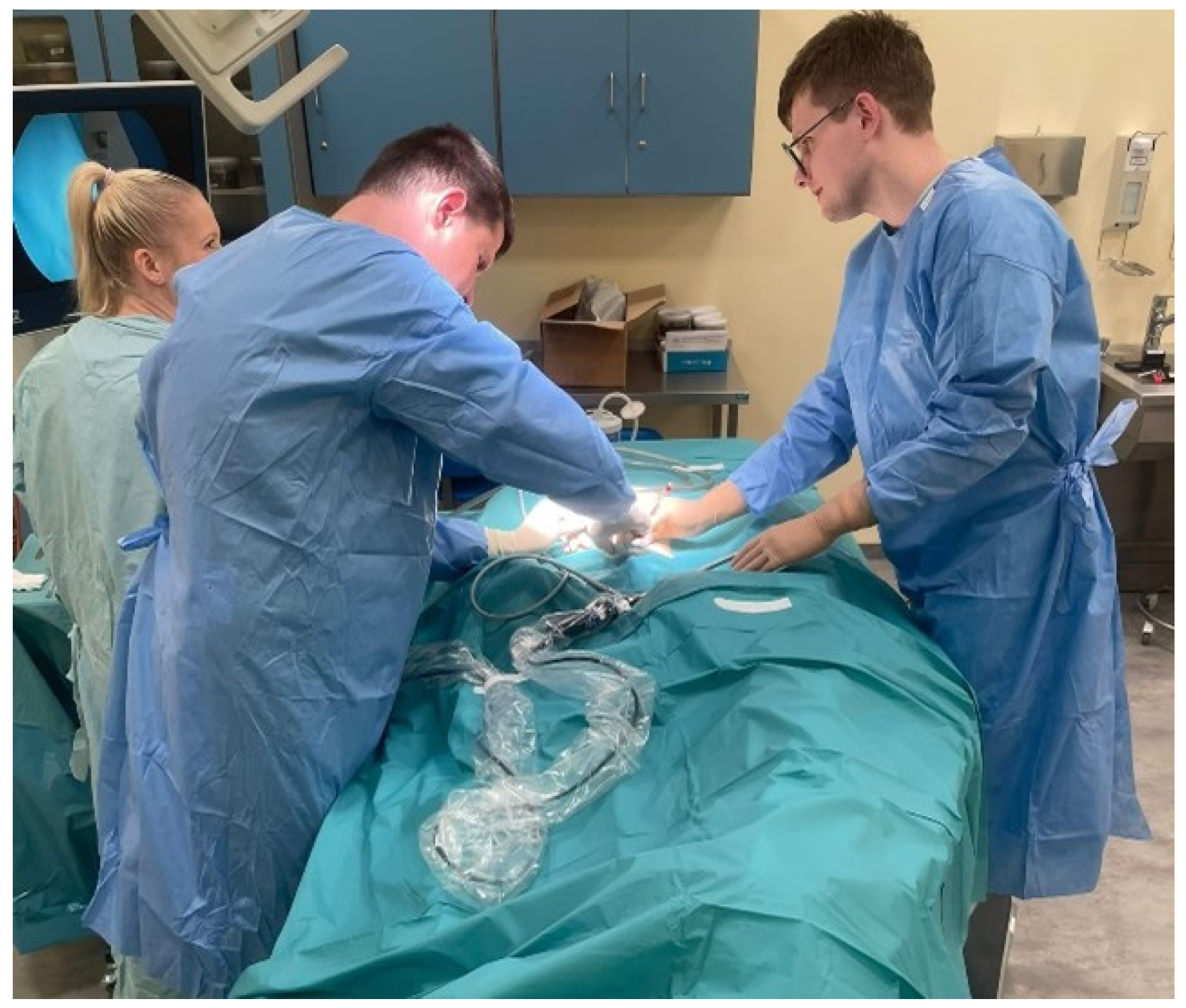
- Incision and Organ Removal: A Y-shaped or U-shaped incision is made, allowing access to the thoracic and abdominal cavities. Organs are then carefully removed, either individually or in blocks, for detailed examination.
- Macroscopic Examination: Each organ is meticulously inspected for size, shape, color, texture, and any signs of disease, injury, or abnormality. The forensic pathologist looks for evidence of tumors, infections, inflammation, trauma, congenital defects, and other pathological changes.
- Microscopic Examination (Histology): Small tissue samples (biopsies) are taken from various organs and preserved. These are then sent to a histology lab, where they are processed, cut into thin slices, stained, and examined under a microscope. This tech-enabled process allows for the identification of cellular-level changes that may not be visible to the naked eye, providing definitive evidence of disease or injury.
- Toxicology and Special Tests: Samples of blood, urine, bile, and vitreous humor are collected for toxicology testing. These tests, often performed using sophisticated AI-driven analytical software and advanced chemical gadgets, can detect the presence of drugs, alcohol, poisons, or other substances in the body that may have contributed to death. Other specialized tests may include genetic analysis, microbiological cultures, or examination of specific organ systems depending on the suspected cause of death.
- Documentation: Throughout the entire process, detailed notes, photographs, and diagrams are meticulously maintained. This comprehensive documentation is crucial for accurate reporting, legal proceedings, and future reference.
The integration of technology, from the initial imaging to the advanced analytical tools used in toxicology, significantly enhances the accuracy and efficiency of the autopsy. Software solutions for data management and digital imaging are becoming increasingly prevalent, streamlining the entire investigative process.
The Broader Impact: Beyond the Individual Death
The work of a forensic pathologist extends far beyond the confines of the autopsy room. Their findings have profound implications for various aspects of society, touching upon issues of justice, public health, and scientific advancement.
Ensuring Justice and Accountability
In criminal investigations, autopsies are indispensable. Forensic pathologists determine the cause of death, which can differentiate between homicide, suicide, accident, or natural causes. They can also establish the time of death, identify the type of weapon used, and assess the nature and extent of injuries, providing critical evidence for the prosecution or defense. Their testimony in court, delivered with clear and objective medical facts, helps ensure that justice is served and that perpetrators are held accountable for their actions.
Protecting Public Health
Autopsies also play a vital role in public health surveillance. By identifying infectious diseases or environmental toxins as the cause of death, forensic pathologists can alert public health officials to potential outbreaks or emerging health threats. This allows for timely interventions to prevent further spread and protect the wider community. For instance, a cluster of unexplained deaths might be linked to contaminated food or water, prompting investigations and recalls that safeguard public well-being.
Advancing Medical Knowledge and Branding
Every autopsy, whether for a known medical condition or an unexpected death, contributes to the collective understanding of human biology and disease. The detailed findings can reveal previously unknown disease mechanisms, validate diagnostic techniques, or highlight the effectiveness or failure of medical treatments. This continuous accumulation of data, often analyzed using sophisticated AI tools for pattern recognition, drives medical research forward. Pharmaceutical companies and medical device manufacturers also rely on autopsy data to refine their products and ensure their safety and efficacy, indirectly contributing to the brand reputation of healthcare innovations.
Furthermore, the reputation of a medical institution or a specific research program can be significantly bolstered by groundbreaking findings derived from autopsy studies. This contributes to their personal branding as leaders in medical science and innovation.
Driving Money and Innovation in Healthcare
The insights gained from autopsies can also have economic implications. For example, understanding the progression of a particular disease can lead to the development of new diagnostic tools or therapeutic interventions, creating new markets and revenue streams within the money and healthcare sectors. Companies developing financial tools for healthcare management might leverage insights into the cost-effectiveness of different treatments identified through post-mortem analysis.
Moreover, the advanced tech used in autopsies, such as sophisticated imaging equipment and analytical laboratory instruments, represents significant investments. The continuous development and adoption of these technologies drive innovation and create economic opportunities within the broader tech industry.
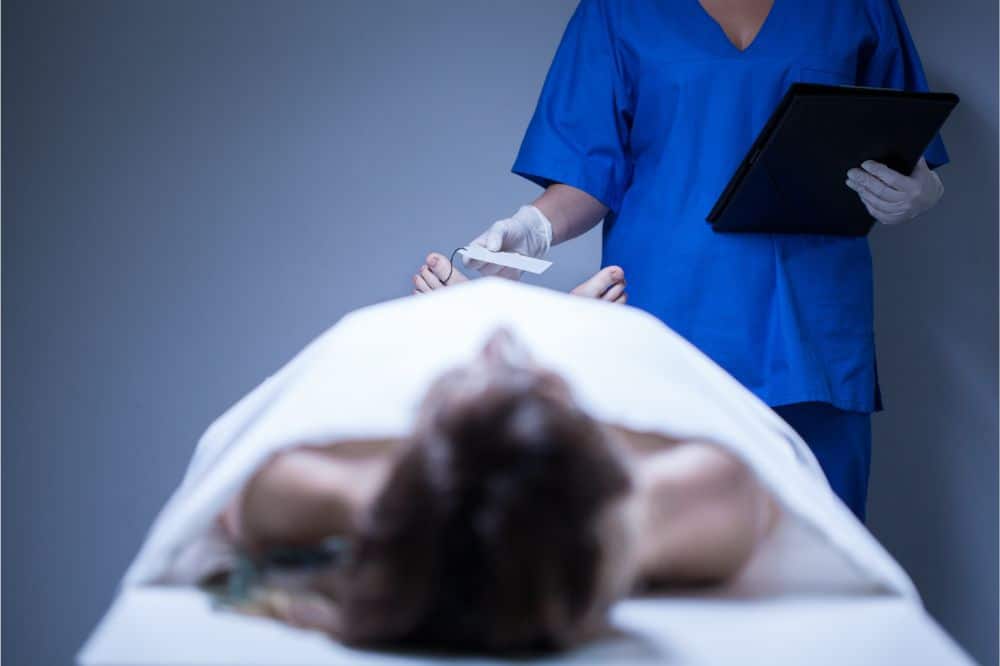
Conclusion: The Indispensable Role of the Forensic Pathologist
The doctor who performs autopsies is the forensic pathologist, a highly specialized medical professional whose role is as critical as it is complex. Their rigorous training, coupled with their ability to leverage cutting-edge technology, allows them to unravel the mysteries of death, provide clarity in times of uncertainty, and contribute significantly to justice, public health, and the advancement of medical science.
While the title “doctor who performs autopsies” might seem straightforward, the reality behind it is a deep dive into a field that requires a unique blend of scientific expertise, investigative prowess, and an unwavering commitment to truth. The autopsy, far from being a morbid curiosity, is a vital scientific procedure that helps us understand ourselves better, ensures accountability, and ultimately, safeguards the health and well-being of our society. The continuous evolution of tech and analytical tools promises to further enhance the capabilities of these medical detectives, ensuring their indispensable role in the years to come.
aViewFromTheCave is a participant in the Amazon Services LLC Associates Program, an affiliate advertising program designed to provide a means for sites to earn advertising fees by advertising and linking to Amazon.com. Amazon, the Amazon logo, AmazonSupply, and the AmazonSupply logo are trademarks of Amazon.com, Inc. or its affiliates. As an Amazon Associate we earn affiliate commissions from qualifying purchases.