
Retiring at 62 represents an exciting milestone for many, offering the promise of freedom and leisure earlier than the traditional full retirement age. However, the financial implications of claiming benefits and ceasing full-time work at this age are significant and complex. Understanding your potential income streams, especially the intricacies of Social Security, is paramount to ensuring a sustainable and comfortable retirement. This decision involves careful consideration of reduced benefits, alternative income sources, and a robust financial strategy.
Understanding Social Security Benefits at 62
Social Security is a cornerstone of retirement income for most Americans, but the age at which you begin claiming benefits dramatically impacts the amount you receive. Retiring at 62 means claiming benefits at the earliest possible age, which comes with a permanent reduction compared to waiting for your full retirement age (FRA).
The Concept of Early Retirement and Full Retirement Age
Your Full Retirement Age (FRA) is the age at which you are entitled to receive 100% of your primary insurance amount (PIA). This age varies depending on your birth year. For those born between 1943 and 1954, FRA is 66. It gradually increases for later birth years, reaching 67 for those born in 1960 or later. Claiming Social Security benefits before your FRA results in a permanent reduction in your monthly payment.
How Benefits Are Calculated: AIME and Bend Points
The Social Security Administration calculates your Primary Insurance Amount (PIA) based on your average indexed monthly earnings (AIME) over your 35 highest-earning years. Earnings from previous years are indexed to account for changes in average wages over time, ensuring your past earnings reflect current value. After determining your AIME, the SSA applies a progressive formula using “bend points” to calculate your PIA. This formula is designed to provide a higher replacement rate for lower-income earners. For instance, a certain percentage of your earnings up to the first bend point is included, then a smaller percentage for earnings between the first and second bend points, and so on. This PIA is the amount you would receive if you claim benefits at your Full Retirement Age.
The Impact of Reductions for Early Claiming
When you retire at 62, you are claiming benefits 36 to 60 months before your FRA (depending on your birth year). For each month you claim benefits before your FRA, your monthly payment is reduced. This reduction is generally calculated as follows:
- A 5/9 of 1% reduction for each of the first 36 months before FRA.
- An additional 5/12 of 1% reduction for each month beyond 36 months (up to 60 months).
For someone with an FRA of 67, claiming at 62 means receiving benefits 60 months early. This translates to an approximate 30% reduction in your monthly benefit compared to what you would receive at your FRA. For example, if your PIA at 67 is $2,000, claiming at 62 would reduce your monthly payment to approximately $1,400. This reduction is permanent, meaning you will continue to receive the reduced amount for the rest of your life, though it will be adjusted for cost-of-living increases (COLAs).
Estimating Your Benefit
The most accurate way to estimate your Social Security benefits is to create an account on the official “My Social Security” website (ssa.gov/myaccount). This platform provides personalized estimates of your future benefits at different claiming ages (62, FRA, and 70) based on your actual earnings record. It also allows you to review your earnings history for accuracy, which is crucial as any errors could impact your future benefit calculations. Regularly checking your statement is a vital component of retirement planning.
Beyond Social Security: Other Income Streams
While Social Security provides a foundational income, it’s rarely sufficient to maintain a comfortable lifestyle, especially with the reduced benefits at 62. A multi-pronged approach to income generation is essential for early retirees.
Personal Savings and Investments
Your personal savings and investment accounts are likely to be your primary source of income in early retirement. This includes:
- 401(k)s and 403(b)s: These employer-sponsored retirement plans offer tax advantages and typically contain a significant portion of your retirement nest egg. Distributions before age 59½ generally incur a 10% penalty in addition to ordinary income tax, but this penalty typically doesn’t apply to distributions from employer plans if you leave the employer at or after age 55 (the “Rule of 55”). If you separate from service at 62, this rule would apply, allowing penalty-free withdrawals.
- Traditional IRAs: Similar to 401(k)s, withdrawals from Traditional IRAs are taxed as ordinary income, and a 10% penalty applies before age 59½. At 62, you are past this penalty age, but withdrawals are still taxable.
- Roth IRAs: These accounts are particularly valuable in retirement because qualified withdrawals are entirely tax-free. Contributions are made with after-tax dollars, and the earnings grow tax-free. To qualify for tax-free withdrawals, the account must be open for at least five years, and you must be at least 59½.
- Taxable Brokerage Accounts: These accounts hold investments like stocks, bonds, and mutual funds outside of tax-advantaged retirement accounts. Withdrawals are subject to capital gains tax (if investments are sold for a profit) or ordinary income tax (for interest and dividends). These accounts offer liquidity and flexibility as they are not subject to age restrictions or withdrawal rules specific to retirement accounts.
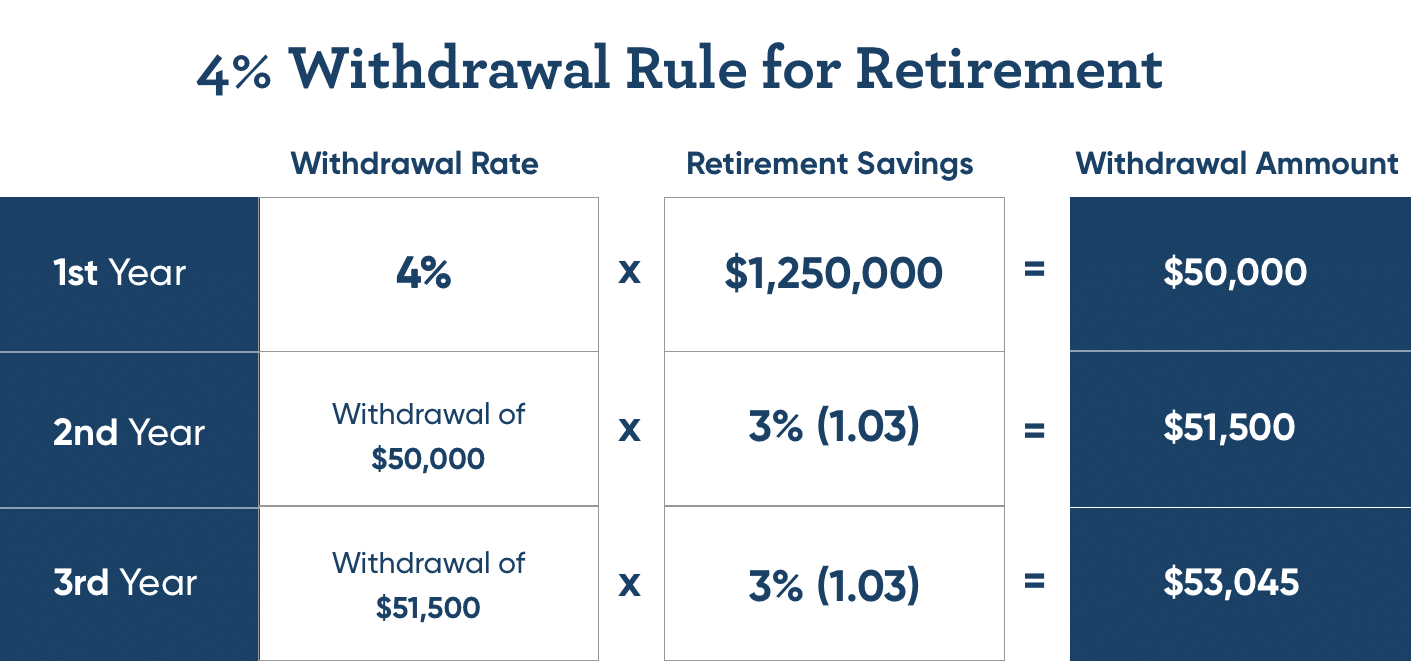
Developing a sustainable withdrawal strategy, such as the 4% rule (though often debated and adjusted for current market conditions), is critical to making your savings last throughout your retirement.
Pensions and Annuities
If you worked for a company or government agency that offered a defined benefit pension plan, this could provide a predictable, guaranteed income stream for life. The amount you receive will depend on your years of service, salary history, and the specific plan rules. Some pensions may offer reduced benefits if you begin taking them before a certain age. Annuities, purchased from an insurance company, can also provide a guaranteed income stream, either for a fixed period or for life, often purchased with a lump sum from savings or a 401(k) rollover.
Rental Income or Other Passive Sources
For those with rental properties, the income generated can significantly supplement retirement funds. Other passive income sources might include royalties, dividends from specific stock portfolios designed for income, or income from a small business you no longer actively manage but still own.
Part-Time Work in Retirement
Many individuals choose to work part-time in retirement, not just for financial reasons but also for social engagement and mental stimulation. Even a few hours a week can provide valuable income, cover discretionary expenses, and delay drawing down savings or minimize Social Security reductions. Be mindful of the Social Security earnings limit if you are working and claiming benefits before your FRA; if you earn above a certain threshold, a portion of your benefits may be temporarily withheld. At 62, you would be subject to this earnings limit.
Factors Influencing Your Retirement Income
The total amount you receive and the net financial position you maintain in retirement are shaped by a variety of external and personal factors.
Health and Healthcare Costs
Healthcare costs are a major concern for early retirees. Medicare eligibility generally begins at age 65, meaning if you retire at 62, you’ll need to secure health insurance for three years. Options include COBRA from a former employer (if available and affordable), a spouse’s employer plan, or purchasing a plan through the Affordable Care Act (ACA) marketplace. ACA subsidies can help lower premiums based on income. Once on Medicare at 65, you’ll still have premiums, deductibles, and co-pays, often necessitating supplemental insurance (Medigap) or a Medicare Advantage plan to manage out-of-pocket expenses. Unforeseen medical expenses can quickly deplete savings if not adequately planned for.
Debt Levels
Entering retirement with significant debt, particularly high-interest consumer debt like credit card balances, can severely restrict your financial flexibility. Mortgage payments, while potentially lower than rent, still represent a substantial fixed cost. Ideally, you should aim to be debt-free or have minimal debt, especially high-interest debt, before retiring to maximize the impact of your income streams. Lower debt means less of your retirement income is allocated to payments, freeing it up for living expenses and discretionary spending.
Spousal and Survivor Benefits
If you are married, your spouse’s Social Security benefits and your own are intertwined. One spouse may be able to claim a spousal benefit (up to 50% of the higher earner’s FRA benefit) if their own benefit is lower. Furthermore, understanding survivor benefits is crucial for long-term planning. If one spouse passes away, the surviving spouse may be able to claim the deceased spouse’s higher benefit. Strategic claiming decisions between spouses can optimize combined lifetime benefits, but these decisions also involve evaluating the impact of early claiming.
Taxes in Retirement
Retirement income is not entirely tax-free. Your Social Security benefits may be subject to federal income tax if your “provisional income” (adjusted gross income + tax-exempt interest + 50% of your Social Security benefits) exceeds certain thresholds. Withdrawals from traditional 401(k)s and IRAs are taxed as ordinary income. Capital gains from selling investments in taxable accounts are also taxable. Planning for taxes, potentially through Roth conversions or strategic withdrawal ordering (tax diversification), can minimize your tax burden and preserve more of your retirement income. State income taxes also vary; some states do not tax Social Security benefits or offer exemptions for retirement income.
Strategic Planning for Early Retirement
Retiring at 62 demands meticulous planning to ensure financial security and peace of mind.
Evaluating Your Expenses and Lifestyle
A critical first step is to create a realistic retirement budget. Distinguish between essential expenses (housing, food, healthcare, utilities) and discretionary spending (travel, hobbies, dining out). Many retirees find their expenses shift: commuting costs disappear, but travel and leisure may increase. An accurate understanding of your projected monthly outlay is crucial for determining if your anticipated income streams will be sufficient. Be honest about the lifestyle you envision and whether your financial resources can support it.
Creating a Sustainable Withdrawal Strategy
How you draw down your retirement savings is as important as how much you’ve saved. Common strategies include the “4% rule” (withdrawing 4% of your portfolio’s initial value, adjusted for inflation each year) or more dynamic approaches that adjust withdrawals based on market performance. Understanding sequence of returns risk—the danger that poor market returns early in retirement could significantly deplete your portfolio—is vital. A diversified portfolio and a flexible withdrawal strategy can help mitigate this risk. Consider having a cash reserve to cover a year or two of expenses, allowing your investment portfolio to recover during downturns.
The Importance of Professional Financial Advice
Navigating the complexities of Social Security claiming strategies, investment portfolio management, tax planning, and healthcare costs is challenging. A qualified financial advisor specializing in retirement planning can provide invaluable guidance. They can help you:
- Project your income and expenses.
- Optimize your Social Security claiming strategy based on your unique circumstances and marital status.
- Develop a personalized investment strategy aligned with your risk tolerance and withdrawal needs.
- Create a tax-efficient withdrawal plan from various accounts.
- Plan for long-term care and healthcare costs.
The cost of advice can be a significant investment, but it often pays for itself many times over through optimized strategies and avoided pitfalls.

Contingency Planning
Life rarely goes exactly as planned. Building in financial contingencies is essential for early retirement. This includes having an emergency fund for unexpected expenses, considering long-term care insurance to protect against catastrophic healthcare costs, and maintaining flexibility in your budget. If economic conditions change or your expenses increase unexpectedly, having a plan B—whether it’s returning to part-time work, adjusting your spending, or delaying certain large purchases—can prevent financial distress. A robust retirement plan accounts for both best-case and worst-case scenarios, giving you confidence as you embark on this new chapter.
aViewFromTheCave is a participant in the Amazon Services LLC Associates Program, an affiliate advertising program designed to provide a means for sites to earn advertising fees by advertising and linking to Amazon.com. Amazon, the Amazon logo, AmazonSupply, and the AmazonSupply logo are trademarks of Amazon.com, Inc. or its affiliates. As an Amazon Associate we earn affiliate commissions from qualifying purchases.