
In the vast landscape of digital entertainment, Amazon’s suite of TV-related services presents a compelling, yet often complex, proposition for consumers. What many refer to simply as “Amazon TV” isn’t a single, fixed monthly cost, but rather a customizable ecosystem of subscriptions, rentals, and hardware, each with its own financial implications. For the financially savvy consumer, understanding this intricate pricing structure is crucial for effective budgeting and maximizing entertainment value. This article will dissect the various components of “Amazon TV,” providing a comprehensive financial breakdown to help you make informed decisions about your monthly entertainment expenditures.
Decoding Amazon’s Core TV Offerings: The Price Tag of Prime Video
At the heart of Amazon’s streaming empire lies Prime Video, a service often bundled with the broader Amazon Prime membership. Understanding the costs associated with these foundational offerings is the first step in quantifying your “Amazon TV” spend.
Amazon Prime Membership: The Gateway Cost
For many, access to Prime Video comes as a benefit of their Amazon Prime membership. This all-encompassing subscription provides a wealth of services beyond just streaming, including expedited shipping, Amazon Music Prime, Prime Reading, and more. From a financial perspective, evaluating Prime’s cost requires considering the value derived from all its components, not just the video aspect.
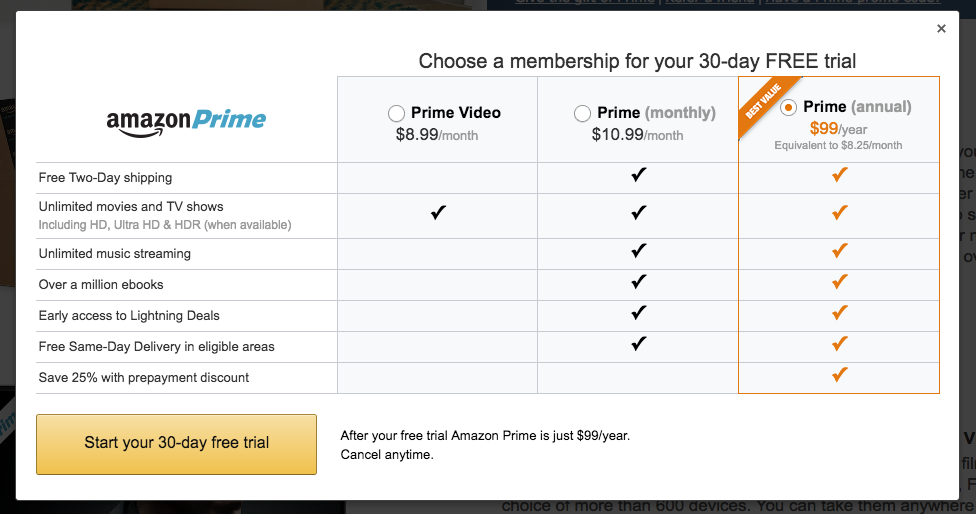
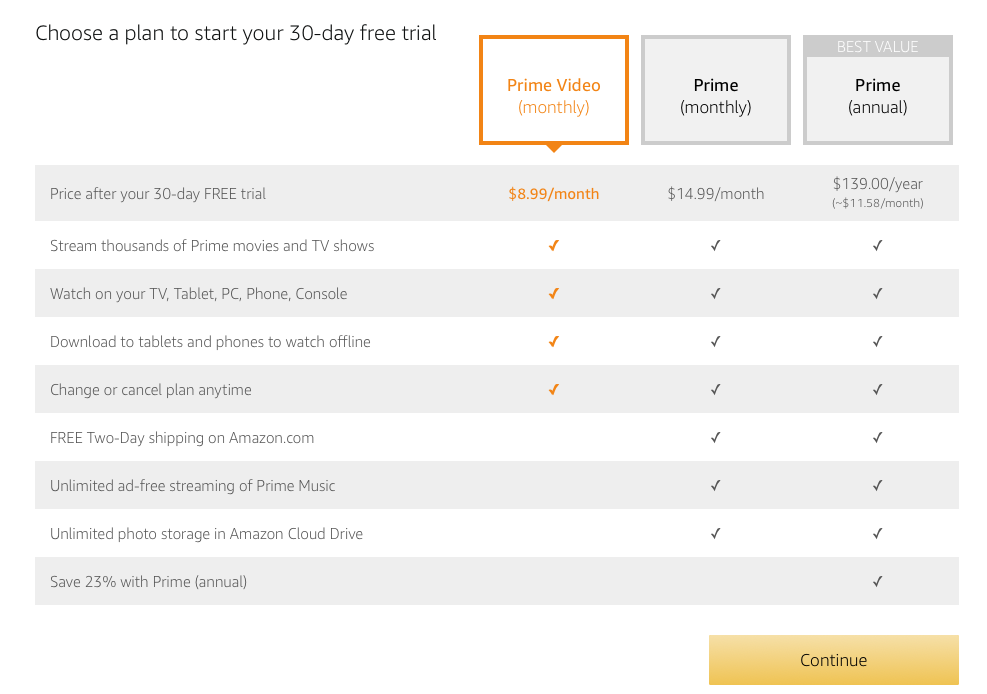
As of recent updates, a standard Amazon Prime membership typically costs around $14.99 per month or $139 per year (prices can vary slightly by region and may be subject to change). Opting for the annual plan offers a significant saving, effectively reducing the monthly cost to approximately $11.58. For individuals who frequently shop on Amazon and utilize multiple Prime benefits, this bundled approach often represents excellent value. The expedited shipping alone can offset the membership cost by eliminating individual shipping fees, while the combined entertainment offerings (video, music, reading) provide a diverse array of leisure options within a single subscription fee. Financially, it’s about weighing the cumulative utility against the upfront or recurring cost.
Standalone Prime Video: A Focused Financial Choice
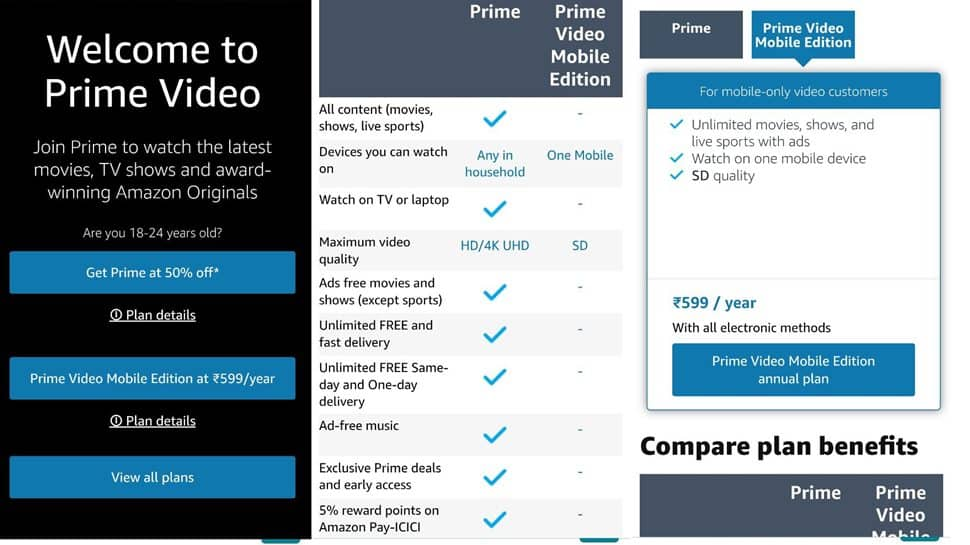
Recognizing that not everyone requires the full suite of Prime benefits, Amazon also offers a standalone Prime Video subscription. This option is designed for consumers whose primary interest is access to Amazon’s extensive library of movies, TV shows, and original content, without the added expense of shipping perks or other digital services.
The standalone Prime Video subscription typically costs around $8.99 per month. This significantly lower monthly fee appeals to budget-conscious streamers who are looking to minimize their recurring entertainment expenses. From a personal finance perspective, choosing the standalone option makes sense if:
- You rarely shop on Amazon or don’t utilize Prime’s shipping benefits.
- You already have other preferred shipping services or alternatives.
- Your primary goal is to access Amazon’s exclusive video content, such as Amazon Originals.
The financial decision here hinges on a simple cost-benefit analysis: are the additional $6 per month (compared to standalone Prime Video) for a full Prime membership worth the extra services you’d receive? For many, paring down to just Prime Video is a strategic move to optimize their entertainment budget, ensuring every dollar spent directly contributes to their desired streaming content.
Beyond the Basics: Understanding Additional Amazon TV Expenditures
While Prime Video forms the foundation, the “Amazon TV” experience can expand significantly through additional subscriptions and transactional content. These elements represent further financial decisions for your entertainment budget.
Amazon Channels: Curating Your Content Budget
Amazon Channels allow Prime Video subscribers to add premium networks and streaming services directly within the Amazon interface. These can include popular options like Max, Paramount+, Starz, Showtime, and many niche channels, all billed conveniently through your Amazon account.
Each Amazon Channel comes with its own separate monthly subscription fee, typically ranging from $3 to $16 per month, depending on the specific channel. This model offers immense flexibility, allowing users to subscribe only to the content they truly want, often for limited periods. However, from a financial planning perspective, this flexibility can quickly lead to an accumulating monthly bill if not managed carefully. Adding three or four channels can easily push your “Amazon TV” expenditure significantly beyond your initial Prime Video cost.
Savvy budgeting for Amazon Channels involves:
- Periodic Review: Regularly audit your active channels. Are you still watching that subscription you added for a specific show?
- Churning: Utilize the ability to subscribe, watch a specific series, and then cancel. Re-subscribe later if new content emerges. This “churning” strategy minimizes long-term recurring costs.
- Consolidation: Compare prices. Is it cheaper to subscribe directly to a service (e.g., Max) or through Amazon Channels? Sometimes, direct subscriptions offer promotional pricing or bundles not available via Amazon.
Renting & Buying Content: Transactional Costs and Value Decisions
Beyond subscriptions, Amazon also offers a vast library of movies and TV shows available for digital rental or purchase. These are transactional costs, meaning you pay per item rather than a recurring fee.
- Rentals: Typically range from $2.99 to $5.99 for a standard definition movie, with higher prices for new releases or 4K versions. Rentals usually provide access for 24-48 hours once started, with a longer window (e.g., 30 days) to begin watching after payment.
- Purchases: Digital purchases of movies can range from $9.99 to $19.99, while individual TV show episodes might be $1.99 to $3.99, and full seasons can cost $19.99 to $49.99 or more, depending on the show and season.
The financial decision between renting, buying, or subscribing requires a careful assessment of usage and value.
- Rent if: You want to watch a new release once, or access content that isn’t available on your current subscriptions, without the commitment of a purchase. This is a cost-effective way for one-off viewing.
- Buy if: It’s a favorite movie or show you anticipate re-watching frequently, or if it’s content that you wish to own permanently and access across different devices without future subscription dependencies. While the upfront cost is higher, the long-term value can be significant for frequently accessed content.
- Consider Subscriptions if: A specific show or movie is part of a service’s regular library, and you anticipate watching a significant amount of content from that service.
From a financial budgeting standpoint, it’s crucial to track these transactional costs separately from recurring subscriptions, as they can quickly add up and impact your overall monthly entertainment spend.
The Fire TV Ecosystem: Device Costs and Their Long-Term Value
While not a monthly recurring charge, the hardware you use to access “Amazon TV” services represents an initial investment that facilitates your ongoing entertainment consumption. Amazon’s Fire TV devices are a popular choice for this.
Initial Hardware Investment: Fire TV Sticks & Cubes
Fire TV devices, such as the Fire TV Stick, Fire TV Stick 4K Max, or Fire TV Cube, are streaming media players that plug into your television. These devices serve as the gateway to Prime Video, Amazon Channels, and a multitude of other streaming apps (Netflix, Hulu, Disney+, etc.).
The cost of these devices varies:
- Fire TV Stick Lite: Around $29.99 – $39.99
- Fire TV Stick 4K Max: Around $54.99 – $59.99
- Fire TV Cube: Around $139.99 – $159.99
These are one-time costs, but they are an integral part of the overall financial picture for experiencing “Amazon TV.” From a budgeting perspective:
- Entry-level devices are highly affordable and offer basic access, making them a low-cost entry point into streaming.
- Premium devices offer enhanced performance, 4K capabilities, and often integrate smart home features (like the Fire TV Cube with Alexa). The higher initial outlay should be justified by the enhanced features and anticipated long-term use.
Consider these purchases as capital expenditures for your home entertainment system. They are an investment that enables recurring monthly entertainment costs. While not monthly themselves, their presence directly influences your ability to incur those monthly charges.
Hidden Costs and Smart Spending: Apps & Services on Fire TV
It’s important to remember that a Fire TV device is a platform. While it seamlessly integrates with Amazon’s own services, it also hosts countless other streaming applications. This means that your Fire TV device facilitates access to all your streaming subscriptions, not just Amazon’s.
From a financial perspective, this highlights the importance of:
- Holistic Budgeting: When calculating your total monthly entertainment spend, include all subscriptions accessed via your Fire TV (e.g., Netflix, Hulu, YouTube Premium). Don’t just focus on Amazon’s direct charges.
- App Purchases: While most streaming apps are free to download, some specialized apps or games might have one-time purchase fees or in-app purchases.
- Internet Service: A consistent, high-speed internet connection is indispensable for streaming. While not an Amazon-specific cost, it’s a fundamental utility expense directly tied to your ability to utilize “Amazon TV” and other streaming services effectively.
The Fire TV ecosystem, while providing access to a wealth of content, necessitates a comprehensive financial approach to your overall digital entertainment budget.
Optimizing Your Amazon TV Spending: A Personal Finance Perspective
Managing your “Amazon TV” expenses effectively requires proactive strategies and consistent financial oversight. By applying personal finance principles, you can maximize your entertainment value while minimizing unnecessary outgoings.
Annual Subscriptions vs. Monthly: Maximizing Savings
This is a fundamental financial decision for Prime membership. As discussed, the annual Prime membership offers a substantial discount over 12 monthly payments.
- Financial Advantage: If you are committed to Amazon Prime for a full year, opting for the annual payment saves you approximately $41 compared to paying month-to-month. This is a direct saving that can be reinvested or contribute to other financial goals.
- Flexibility Trade-off: The downside is a larger upfront payment and less flexibility to cancel if your circumstances change mid-year.
- Recommendation: If your usage of Prime benefits is consistent and long-term, the annual subscription is the financially smarter choice. For those unsure or needing short-term flexibility, the monthly option, despite its higher cumulative cost, might be preferable.
Auditing Your Subscriptions: Eliminating Financial Waste
The ease of subscribing to Amazon Channels can lead to “subscription creep” – accumulating services you no longer actively use. Regularly auditing your subscriptions is a critical financial hygiene practice.
- Monthly Review: Set a reminder to review your active Amazon Channels (and other streaming services) every month or quarter.
- Usage Analysis: Ask yourself: “How often did I watch content from this channel in the last month?” If the answer is “rarely” or “never,” it’s a prime candidate for cancellation.
- Opportunity Cost: Every dollar spent on an unused subscription is a dollar that could have gone towards savings, investments, or other desired expenses. This is about ensuring your financial resources are allocated to generate maximum personal value.
Bundling and Promotions: Savvy Saving Strategies
Amazon, like many service providers, occasionally offers promotional deals or bundles that can lead to significant savings.
- Student Discounts: Amazon offers a discounted Prime membership for students (Prime Student), which can halve the cost for eligible individuals. This is a substantial financial benefit for those in higher education.
- Promotional Periods: Keep an eye out for Black Friday, Prime Day, or other special events where Amazon might offer discounts on Prime memberships, Fire TV devices, or even specific channels.
- Free Trials: Utilize free trials for new channels or services, but always set a reminder to cancel before the trial period ends to avoid unwanted charges. This allows you to explore content without financial commitment.
Is Amazon TV Worth the Investment? A Financial ROI Analysis
Ultimately, the question of “how much” translates to “is it worth it?” From a personal finance perspective, this means assessing the return on investment (ROI) for your entertainment spending.
Value vs. Cost: Assessing Your Entertainment Return
The “value” of Amazon TV is highly subjective and depends on individual usage patterns and preferences. To assess your ROI:
- Content Consumption: How many hours of movies and TV shows do you watch through Prime Video and Amazon Channels each month? Divide your total monthly Amazon TV cost by your hours of consumption to get a rough “cost per hour” of entertainment. Compare this to other forms of entertainment (e.g., cinema tickets, going out).
- Prime Benefits Utility: For full Prime members, factor in the financial savings from expedited shipping, access to Prime Music, and other perks. If these benefits regularly save you money or provide convenience you value highly, they contribute to the overall ROI.
- Exclusive Content: Are there specific Amazon Originals or exclusive shows/movies on Prime Video or an Amazon Channel that are “must-watch” for you? The value of unique content can justify a subscription that might otherwise seem expensive.
The Complete Picture: Factoring in Convenience and Exclusivity
Beyond purely monetary calculations, convenience and exclusivity contribute to the perceived financial value.
- Consolidated Billing: For Amazon Channels, the convenience of a single bill for multiple services can have an intangible value in terms of simplified financial management.
- Ease of Access: Fire TV devices and the integrated Amazon interface offer a streamlined way to access a vast library of content, reducing friction and saving time. Time saved can, indirectly, be considered a form of financial value.
- Exclusivity Premium: Sometimes, the only way to watch a particular show or movie is through Amazon. For fans, paying a premium for that exclusive access is a justifiable entertainment expense.
In conclusion, “Amazon TV” is not a single, static monthly fee but a dynamic and customizable set of services whose costs depend entirely on your choices. From the foundational Prime membership or standalone Prime Video subscription, to the additive expenses of Amazon Channels, transactional rentals/purchases, and the initial hardware investment of a Fire TV device, each component adds to your overall entertainment budget. By applying diligent personal finance practices – understanding pricing tiers, regularly auditing subscriptions, leveraging discounts, and assessing the true value derived from your consumption – you can effectively manage your “Amazon TV” spending and ensure your entertainment budget provides maximum return on investment.
aViewFromTheCave is a participant in the Amazon Services LLC Associates Program, an affiliate advertising program designed to provide a means for sites to earn advertising fees by advertising and linking to Amazon.com. Amazon, the Amazon logo, AmazonSupply, and the AmazonSupply logo are trademarks of Amazon.com, Inc. or its affiliates. As an Amazon Associate we earn affiliate commissions from qualifying purchases.