
The pursuit of financial success is a foundational driver in the world of commerce. Entrepreneurs, investors, and aspiring business owners constantly seek to understand which sectors offer the highest returns and sustained profitability. However, answering the question “which business makes the most money?” is far from straightforward. It requires a nuanced understanding of economic factors, market dynamics, business models, and the crucial distinction between revenue and profit. This article delves into the lucrative corners of the global economy, dissecting the elements that contribute to exceptional financial performance and identifying the industries and strategies most likely to generate substantial wealth.
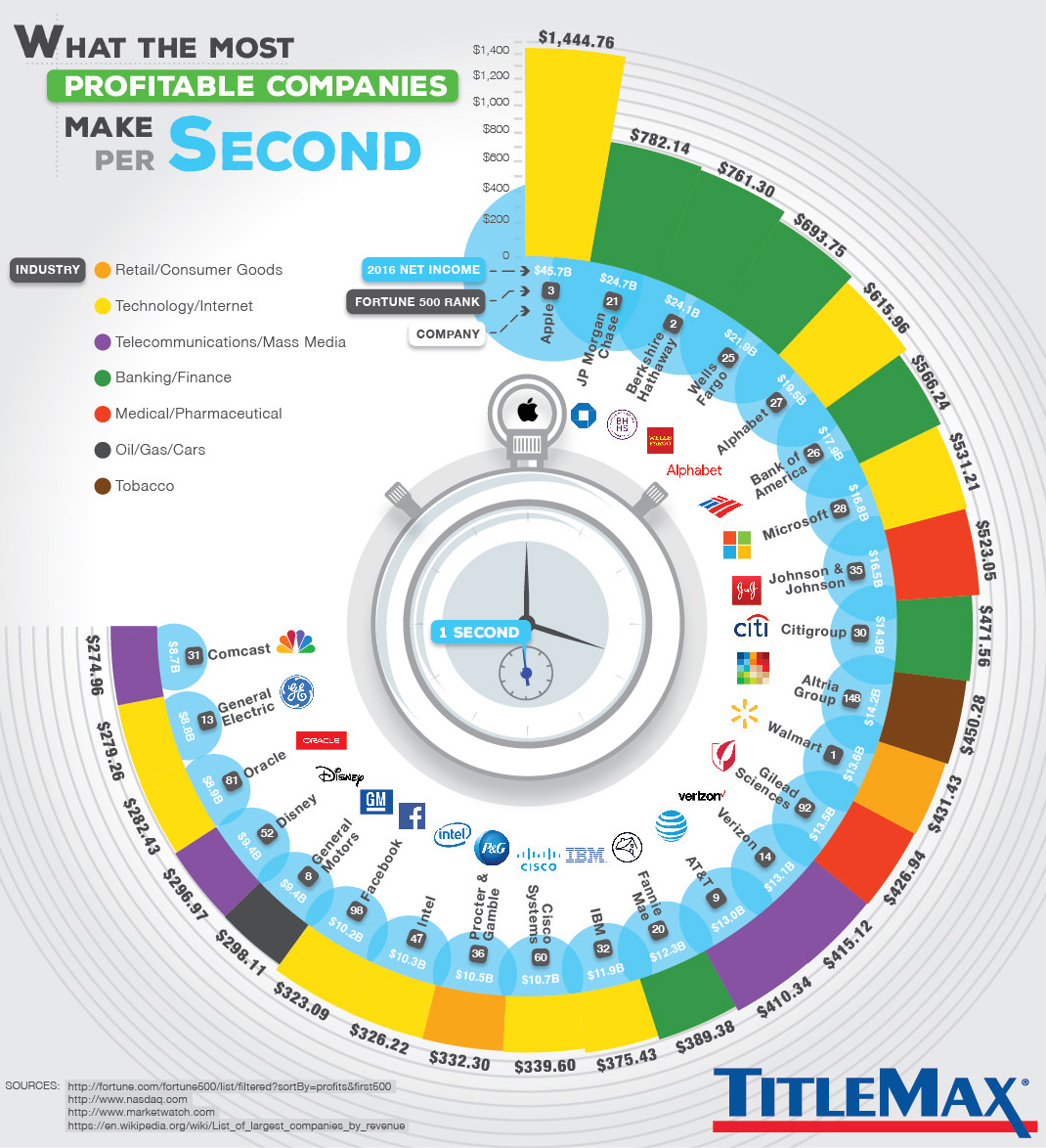
Understanding What Drives Profitability in Business
Before pinpointing specific industries, it’s essential to establish a clear framework for what truly constitutes a “money-making” business. High revenue figures are often misleading; true financial success lies in robust profit margins and sustainable cash flow.
Revenue vs. Profit: The Crucial Distinction
Many businesses generate impressive top-line revenue, but their bottom line – profit – tells a different story. Revenue is the total income generated from sales of goods or services. Profit, on the other hand, is what remains after all expenses, including operating costs, taxes, and interest, have been deducted from revenue. A business with high revenue but low-profit margins due to exorbitant operating costs, intense competition, or inefficient processes is not truly “making the most money.” The most profitable businesses are those that can command high prices, manage costs effectively, and achieve economies of scale, leading to strong net profit margins.
Scalability and Market Demand
Highly profitable businesses often possess a high degree of scalability. This means they can significantly increase their output or reach without a proportional increase in costs. Software companies, for instance, can develop a product once and sell it to millions of users with relatively low marginal costs per additional unit. Businesses that address a universal, persistent, or growing market demand also tend to be more profitable. Industries that provide essential services or innovative solutions to widespread problems naturally attract a larger customer base willing to pay for value.
Barriers to Entry and Competitive Advantage
Industries with high barriers to entry often shield businesses from intense competition, allowing them to maintain higher profit margins. These barriers can include significant capital investment requirements, specialized knowledge or technology, regulatory hurdles, or strong brand loyalty. Furthermore, businesses that possess a sustainable competitive advantage – be it proprietary technology, a dominant market share, unique intellectual property, or an unparalleled customer experience – are better positioned to outperform rivals and capture a larger share of market profits.
Top-Earning Industries and Their Business Models
While market conditions are ever-shifting, several industries consistently demonstrate a capacity for high profitability due to their inherent characteristics and business models.
Technology and Software: Innovation as a Profit Engine
The technology sector, particularly software and digital services, remains a titan of profitability. Companies like Microsoft, Apple, and Google consistently rank among the world’s most valuable and profitable entities. Their success stems from several factors:
- High Scalability: Software can be distributed globally at minimal cost once developed.
- Subscription Models: Recurring revenue from software-as-a-service (SaaS) ensures predictable and stable income streams.
- Intellectual Property: Patents and proprietary algorithms create strong barriers to entry.
- Network Effects: Platforms become more valuable as more users join, reinforcing their dominance.
This industry isn’t just about consumer gadgets; enterprise software, cybersecurity, and cloud computing services are equally, if not more, lucrative, serving critical business needs with high-value solutions.
Pharmaceuticals and Healthcare: Essential Services, High Margins
The healthcare and pharmaceutical industries are driven by a fundamental and unwavering demand: human health. Despite stringent regulations and lengthy development cycles, successful pharmaceutical companies can achieve extraordinary profit margins.
- Patented Drugs: Exclusive rights to life-saving or condition-managing drugs allow companies to command premium prices.
- High Research & Development (R&D) Costs: While R&D is expensive, it acts as a significant barrier to entry for new competitors.
- Non-discretionary Spending: Healthcare is often non-negotiable, ensuring a stable customer base regardless of economic cycles.
Beyond drug development, specialized medical device manufacturing, advanced diagnostic services, and private healthcare providers also exhibit robust profitability, catering to an aging global population and continuous advancements in medical science.
Financial Services: Leveraging Capital and Expertise
The financial services sector, encompassing banking, investment management, insurance, and fintech, is inherently designed around money and capital. Its profitability derives from managing assets, facilitating transactions, and mitigating risk.
- Interest Income: Banks profit from the spread between lending and borrowing rates.
- Fees and Commissions: Investment banks and wealth managers earn significant income from advising clients, facilitating mergers, and managing portfolios.
- Leverage: Financial institutions can amplify returns by using borrowed capital.
- Information Asymmetry: Specialized knowledge and access to markets provide a competitive edge.
The rise of fintech has further diversified this sector, introducing new avenues for profit through digital payments, algorithmic trading, and personalized financial planning tools that leverage technology to reduce overhead and enhance reach.
Niche Manufacturing and Specialized Services: Premium Value
While mass production often operates on thin margins, highly specialized manufacturing and service businesses can be incredibly profitable. This typically applies to industries producing components for high-tech sectors (aerospace, defense, advanced electronics), luxury goods, or bespoke industrial machinery.
- High-Value Products: Products with unique features or superior performance can command premium prices.
- Limited Competition: Specialization reduces the number of competitors.
- Expertise and Craftsmanship: Unique skills or proprietary processes create a distinct market advantage.
Similarly, niche professional services – such as elite consulting firms, specialized legal practices, or boutique digital agencies – leverage deep expertise to solve complex problems for high-paying clients, operating on business models built on intellectual capital rather than physical goods.
The Role of Business Structure and Strategy in Maximizing Income
Beyond industry selection, the strategic choices a business makes regarding its structure and operational model significantly impact its profitability.
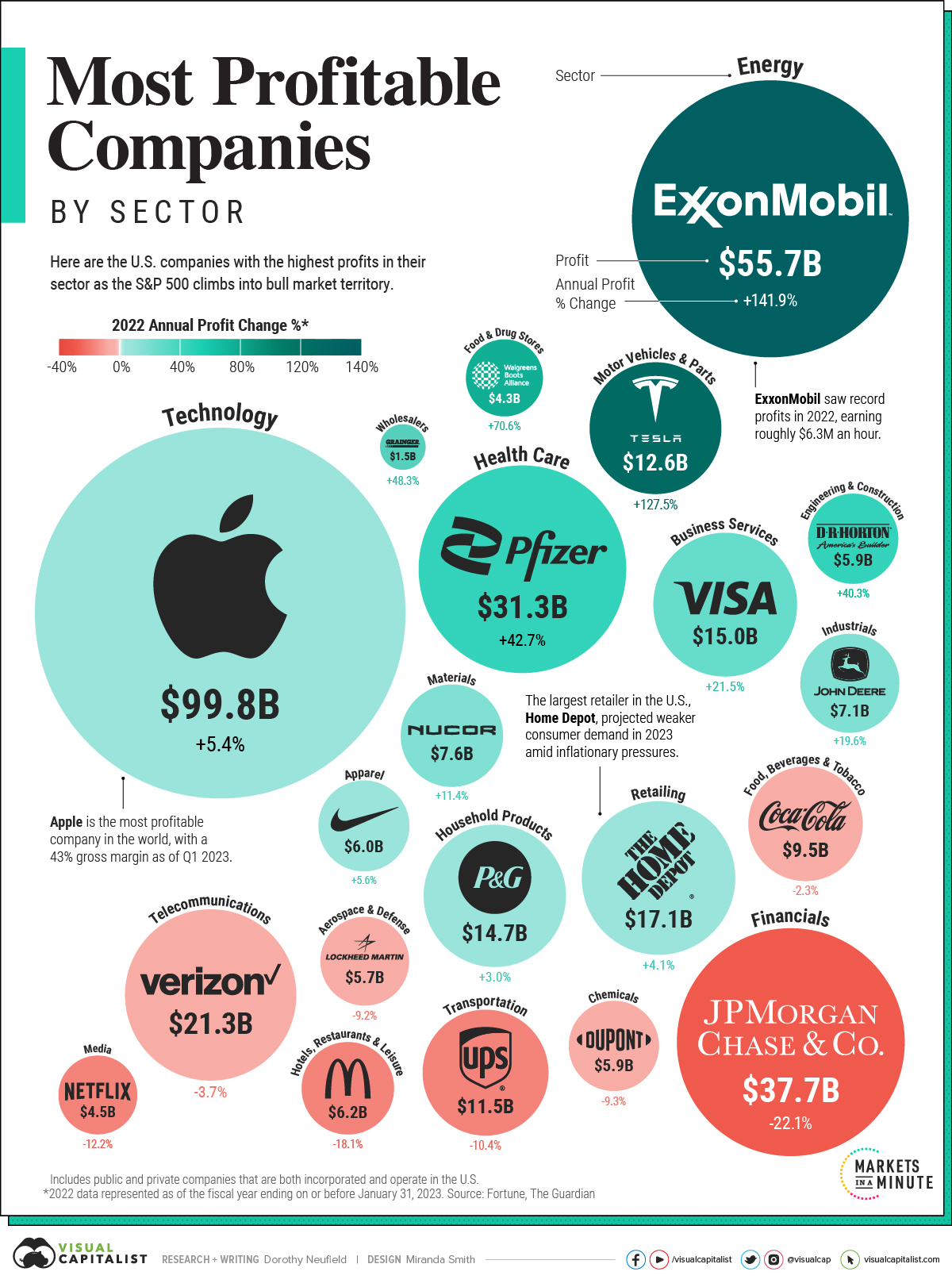
Leveraging E-commerce and Digital Transformation
The digital age has democratized access to markets and reduced many traditional overheads. Businesses that effectively leverage e-commerce platforms can reach global audiences 24/7 without the need for extensive physical retail footprints. Digital transformation, which involves integrating digital technology into all areas of a business, fundamentally changes how businesses operate and deliver value. This can lead to:
- Reduced Operational Costs: Automation and cloud services can minimize manual labor and infrastructure expenses.
- Enhanced Customer Reach: Online marketing and sales channels open up new demographic and geographic markets.
- Data-Driven Decisions: Analytics provide insights into customer behavior and operational efficiencies, allowing for targeted improvements.
Even traditional businesses can unlock significant profitability by adopting digital strategies for sales, customer service, and internal operations.
Subscription Models and Recurring Revenue
One of the most powerful business models for sustained profitability is the subscription model. This model, prevalent in software (SaaS), media (streaming services), and even consumer goods (subscription boxes), generates recurring revenue streams, offering several financial advantages:
- Predictable Income: Stable revenue forecasts allow for better financial planning and investment.
- Higher Customer Lifetime Value (CLV): Loyal subscribers contribute significantly more over time than one-off purchasers.
- Reduced Customer Acquisition Costs (CAC): Retaining existing customers is generally cheaper than acquiring new ones.
- Scalability: Once the initial product or service is established, scaling a subscription base can be highly efficient.
Strategic Mergers, Acquisitions, and Diversification
For established businesses, strategic growth through mergers and acquisitions (M&A) can be a rapid route to increased profitability. Acquiring competitors can reduce market competition, while acquiring complementary businesses can expand product offerings or market reach. Diversification into new, high-growth segments or geographies can also spread risk and open up new revenue streams. However, these strategies require careful due diligence and integration to realize their full financial potential. Conversely, selling a highly profitable business at its peak can also represent a significant wealth-generating event for its owners.
Beyond the Big Players: High-Income Potential for Smaller Businesses and Entrepreneurs
While large corporations dominate the discussion of “most money,” considerable wealth can be generated by smaller enterprises and individual entrepreneurs who identify and exploit specific market gaps.
Identifying Untapped Market Needs
Many successful small businesses thrive by identifying and serving niche markets with unmet or underserved needs. This could be a highly specialized product for a hobbyist community, a unique service for a specific demographic, or an innovative solution to a localized problem. These “blue ocean” strategies allow smaller players to avoid direct competition with larger firms and build loyal customer bases.
Low Overhead, High-Value Service Businesses
Service-based businesses, especially those requiring specialized skills but minimal physical inventory or infrastructure, can achieve high-profit margins. Examples include:
- Digital Marketing Agencies: Offering SEO, social media management, or content creation.
- Consulting Services: Providing expert advice in areas like finance, operations, or HR.
- Freelance Professions: High-demand skills such as web development, graphic design, or technical writing.
The primary asset in these businesses is human capital and expertise, which can be leveraged to deliver high-value outcomes to clients with relatively low operational costs.
The Power of Niche Specialization
Instead of trying to be everything to everyone, many small businesses achieve profitability through extreme specialization. By becoming the undisputed expert or provider in a very specific, often overlooked, niche, they can command premium prices and attract clients who prioritize quality and expertise over generalist solutions. This could range from custom software development for a particular industry to highly specialized repair services for vintage equipment.
Navigating Future Trends for Sustained Profitability
Looking ahead, businesses that position themselves to capitalize on emerging global trends are most likely to sustain and enhance their profitability.
The Impact of AI and Automation on Business Efficiency
Artificial intelligence and automation are set to revolutionize nearly every industry. Businesses that effectively integrate AI into their operations – for customer service, data analysis, supply chain management, or personalized marketing – can drastically improve efficiency, reduce costs, and enhance customer experience, leading to higher profit margins. Moreover, companies developing AI solutions themselves are poised for immense financial growth.
Sustainability and Ethical Business Practices
A growing segment of consumers and investors are prioritizing sustainability and ethical practices. Businesses that genuinely integrate environmental, social, and governance (ESG) principles into their core operations are not only attracting a loyal customer base but also potentially benefiting from lower regulatory risks, increased operational efficiency (e.g., energy savings), and better access to capital from impact investors. This shift is not just about goodwill but increasingly about smart financial strategy.

Global Market Expansion
For many businesses, reaching maximum profitability means looking beyond domestic borders. The internet has made global market expansion more accessible than ever. Companies that can adapt their products or services to diverse international markets, understand cultural nuances, and navigate global logistics and regulations can unlock vast new revenue streams and achieve economies of scale not possible in smaller, localized markets.
In conclusion, “which business makes the most money” is a dynamic question without a single, static answer. While certain industries like technology, pharmaceuticals, and financial services often lead in terms of sheer profitability and market capitalization, success is ultimately dictated by a combination of factors: a well-understood market demand, a scalable business model, robust profit margins, effective cost management, and a strategic vision that adapts to evolving economic landscapes and technological advancements. Whether an aspiring entrepreneur or an established enterprise, the pursuit of maximum profitability requires constant innovation, strategic execution, and a keen eye on the financial levers that drive genuine wealth creation.
aViewFromTheCave is a participant in the Amazon Services LLC Associates Program, an affiliate advertising program designed to provide a means for sites to earn advertising fees by advertising and linking to Amazon.com. Amazon, the Amazon logo, AmazonSupply, and the AmazonSupply logo are trademarks of Amazon.com, Inc. or its affiliates. As an Amazon Associate we earn affiliate commissions from qualifying purchases.