
Pigeon Forge, nestled in the heart of the Great Smoky Mountains of Tennessee, is far more than just a geographic location; it is a meticulously cultivated and highly successful destination brand. Its identity has been forged over decades, transforming from a quiet, agricultural community into a vibrant, family-friendly tourist mecca. Understanding “what is Pigeon Forge” requires a deep dive into its brand strategy, corporate identity, marketing efforts, and the unique value proposition it consistently delivers to millions of visitors annually. At its core, Pigeon Forge is a masterclass in place branding, demonstrating how a region can strategically craft and communicate its essence to attract and retain a loyal customer base.
The Genesis of a Destination Brand
The evolution of Pigeon Forge into a recognized and beloved brand is a testament to strategic vision and adaptable execution. It wasn’t an overnight phenomenon but a gradual, deliberate process of defining what it offers and to whom.
From Rural Hamlet to Tourist Mecca
For much of its history, Pigeon Forge was a modest farming community. Its proximity to the newly established Great Smoky Mountains National Park in the 1930s began to sow the seeds of tourism, as visitors traveling to the park often passed through. Early entrepreneurs recognized the potential, opening small motels, restaurants, and souvenir shops. However, the real turning point came in the latter half of the 20th century, particularly with the opening of Silver Dollar City (later Dollywood) in 1986. This major anchor attraction provided a gravitational pull, solidifying Pigeon Forge’s identity as a destination in its own right, rather than just a pass-through point. This period marked the conscious shift from an unplanned collection of businesses to a cohesive, branded experience. The local government and business community began to understand the importance of a shared vision and a unified approach to attract the burgeoning tourism market.
Identifying the Core Brand Promise
The brand promise of Pigeon Forge has crystallized around a few key pillars: family-friendly entertainment, wholesome fun, and accessible affordability, all set against the stunning backdrop of the Smoky Mountains. While other destinations might chase luxury, adventure sports, or nightlife, Pigeon Forge doubled down on catering to multi-generational families seeking entertainment options that appeal to all ages. This clear promise differentiates it from competitors and provides a strong foundation for all marketing and development efforts. It’s a promise of shared memories, lighthearted escape, and a sense of community. This clarity in its brand promise allows for consistent messaging and experience delivery across its diverse offerings, from dinner shows and amusement parks to outlet shopping and natural attractions.
Crafting the Pigeon Forge Brand Identity
A strong brand identity is built on consistent visual elements, unique experiences, and a clear understanding of the target audience. Pigeon Forge has skillfully woven these components into a distinctive tapestry.
Visual and Experiential Branding
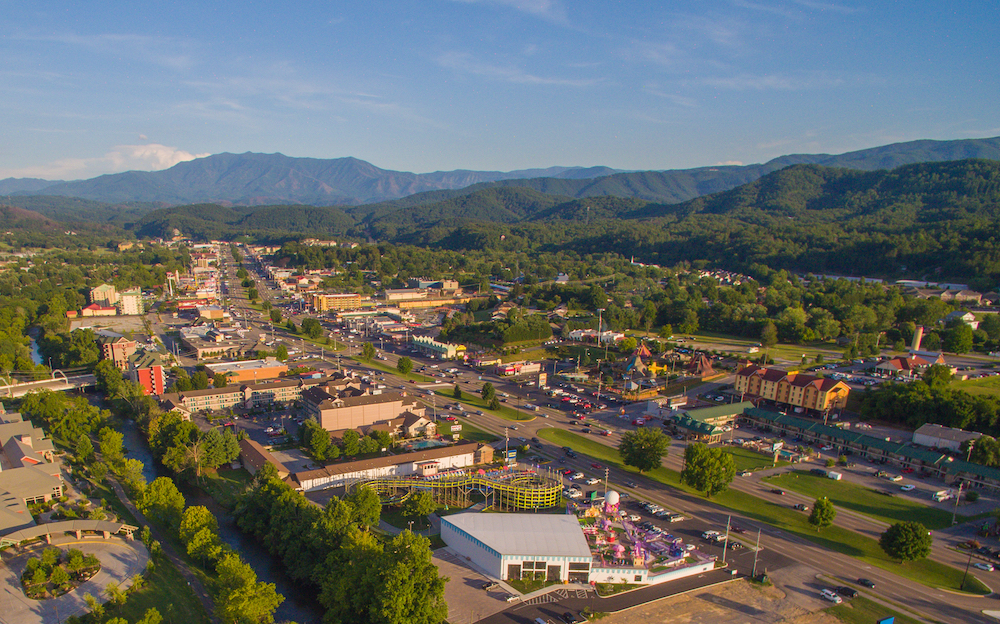
The visual identity of Pigeon Forge is a vibrant mosaic. While there isn’t one singular logo that defines the entire destination, the “look and feel” is unmistakable: bright, inviting, often nostalgic, and always emphasizing fun. Signs are typically bold and colorful, architecture often leans into rustic charm mixed with playful themes, and the overall atmosphere buzzes with energy. More critically, the experiential branding is paramount. Pigeon Forge brand experience centers on variety and convenience. Visitors expect a high concentration of attractions, dining, and shopping options within a relatively compact area, designed for easy navigation. The brand identity is thus forged through the collective impact of countless individual experiences – the laughter on a roller coaster, the aroma from a pancake house, the excitement of a live show, the comfort of a cabin rental. These micro-experiences aggregate into the overarching Pigeon Forge brand perception: a place where fun is guaranteed and memories are made effortlessly.
The Role of Anchor Attractions
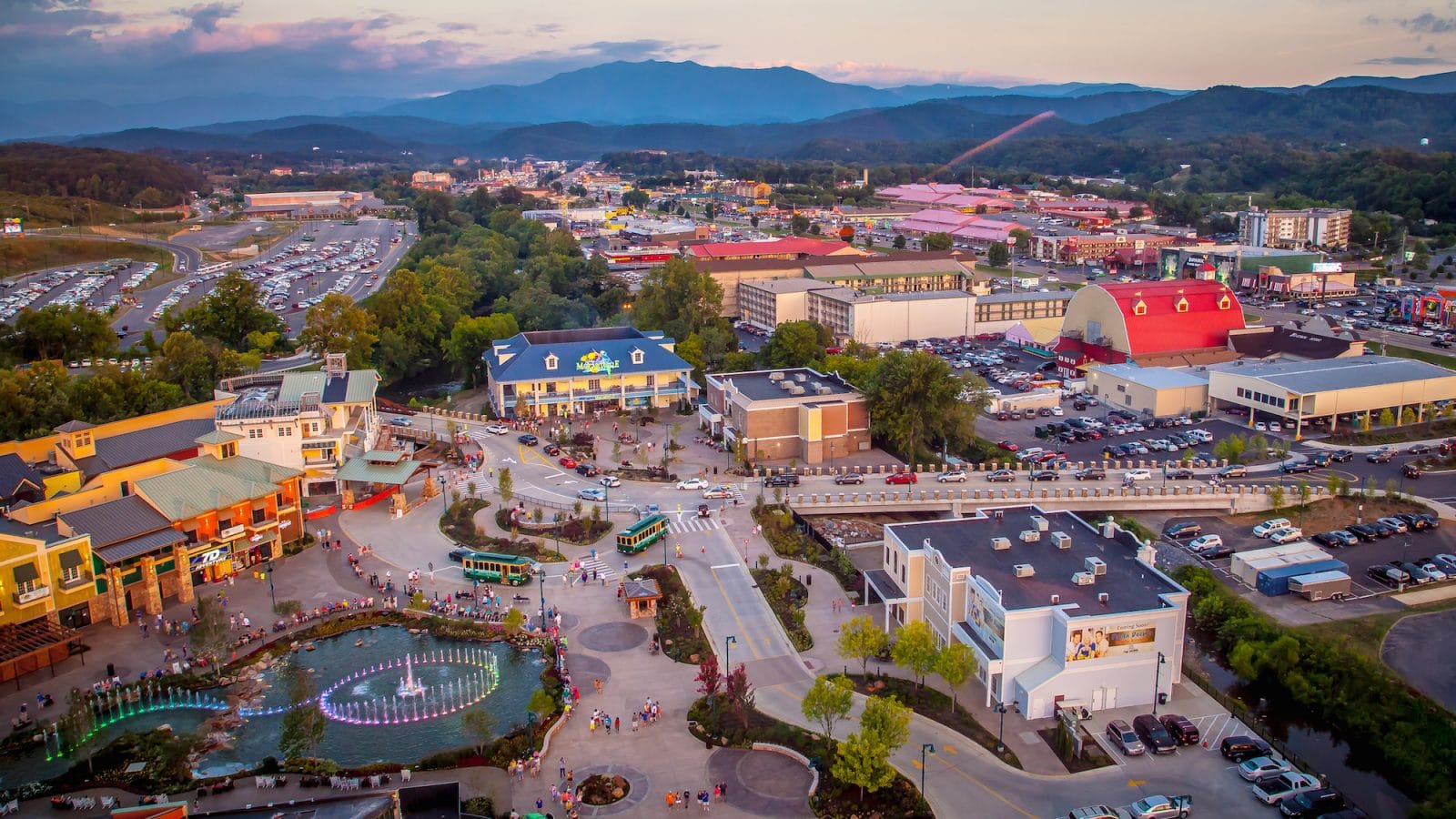
Dollywood is undoubtedly the crown jewel and a primary brand ambassador for Pigeon Forge. Its association with Dolly Parton, a global icon with deep roots in the region, imbues the entire destination with an authentic, wholesome, and endearing personality. Dollywood itself is a meticulously managed brand, offering Southern hospitality, world-class entertainment, and a theme that celebrates Appalachian culture. Beyond Dollywood, other significant attractions like The Island in Pigeon Forge, with its iconic Great Smoky Mountain Wheel, and various dinner shows, museums, and outlet malls, contribute significantly to the destination’s brand identity. Each of these anchors reinforces the core brand promise of family-friendly entertainment and variety, creating a synergistic effect where the sum is greater than its parts. They draw visitors, extend stays, and encourage repeat visits, continually solidifying Pigeon Forge’s position in the tourism market.
Targeting the Family Market
Pigeon Forge’s success is largely attributable to its unwavering focus on the family market. This demographic is often underserved by destinations that prioritize adult nightlife or extreme adventures. By offering a wide array of activities that appeal to children, teenagers, parents, and grandparents alike, Pigeon Forge has cultivated a loyal multi-generational following. This strategic targeting influences everything from attraction development to advertising campaigns. The messaging consistently highlights togetherness, shared experiences, and safe, wholesome fun. Understanding the specific needs and desires of families – convenience, affordability, diverse entertainment, and a sense of safety – has allowed Pigeon Forge to tailor its brand offerings and communications with precision, creating a strong emotional connection with its primary audience.
Marketing and Sustaining the Brand
A successful brand is not static; it requires continuous marketing, adaptation, and engagement to remain relevant and vibrant. Pigeon Forge’s marketing strategy is comprehensive and dynamic.
Digital and Traditional Marketing Mix
Pigeon Forge employs a sophisticated marketing mix that spans both traditional and digital channels. Traditional advertising still plays a role, especially in regional markets, utilizing television, radio, and print to reach key demographics. However, digital marketing has become increasingly crucial. The official “MyPigeonForge” website serves as a central hub, offering trip planning resources, attraction information, and booking capabilities. Social media platforms are leveraged to showcase experiences, engage with potential visitors, and promote special events and deals. Content marketing, through blogs and videos, provides valuable information and inspires travel. Search engine optimization (SEO) ensures that Pigeon Forge appears prominently in online travel searches. This integrated approach ensures consistent brand messaging across all touchpoints, reaching a broad audience while also allowing for targeted campaigns based on demographics and interests.
Community Engagement and Brand Ambassadors
The residents and businesses of Pigeon Forge are integral to its brand success. Local hospitality professionals, from hotel staff to restaurant servers, act as frontline brand ambassadors, delivering the promised experience of Southern warmth and friendliness. The local government actively supports tourism initiatives, ensuring infrastructure and services meet visitor expectations. Furthermore, events and festivals, often reflecting local culture or seasonal themes, create opportunities for community engagement and reinforce the destination’s authentic charm. Partnerships with local attractions and businesses are critical, ensuring a cohesive and positive visitor experience. This collective effort fosters a sense of pride and shared ownership in the Pigeon Forge brand, which translates into an authentic and welcoming atmosphere for tourists.
Adapting to Market Shifts and Trends
The tourism industry is constantly evolving, and successful destination brands must adapt. Pigeon Forge has demonstrated a capacity for evolution, continually investing in new attractions, updating existing ones, and responding to changing consumer preferences. For example, the increasing demand for outdoor activities and cabin rentals has led to an expansion of offerings in those areas, complementing the established theme park and show attractions. The brand has also navigated economic downturns and global crises by emphasizing value, safety, and domestic travel. This agility ensures that the Pigeon Forge brand remains fresh, relevant, and appealing to new generations of travelers while retaining the loyalty of its established customer base.
The Economic Engine of a Strong Brand
The robust brand identity of Pigeon Forge is not merely an abstract concept; it is a powerful economic engine, driving significant revenue, job creation, and regional development.
Beyond Tourism: Real Estate and Local Business Development
The success of Pigeon Forge as a tourist brand extends far beyond direct tourism spending. The consistent influx of visitors fuels a vibrant local economy. Real estate, particularly in the vacation rental market, thrives, attracting investors and supporting construction and property management industries. Local businesses, from suppliers to service providers, benefit from the demand generated by hotels, restaurants, and attractions. A strong destination brand creates a stable and attractive environment for entrepreneurs and sustained business growth, leading to a diversified economic base that supports the community even outside of direct visitor interactions.

Measuring Brand Success and Visitor Loyalty
The ultimate measure of a brand’s success lies in its sustained appeal and the loyalty it commands. Pigeon Forge consistently attracts millions of visitors annually, with a high percentage being repeat guests – a clear indicator of strong brand loyalty. Metrics such such as visitor numbers, tourism tax revenues, hotel occupancy rates, and positive online reviews serve as tangible evidence of the brand’s health and effectiveness. The enduring image of Pigeon Forge as a premier family vacation destination is a testament to its well-executed brand strategy, its commitment to its core promise, and its continuous efforts to enhance the visitor experience. It stands as a prime example of how thoughtful brand development can transform a location into a thriving, memorable, and economically powerful identity.
aViewFromTheCave is a participant in the Amazon Services LLC Associates Program, an affiliate advertising program designed to provide a means for sites to earn advertising fees by advertising and linking to Amazon.com. Amazon, the Amazon logo, AmazonSupply, and the AmazonSupply logo are trademarks of Amazon.com, Inc. or its affiliates. As an Amazon Associate we earn affiliate commissions from qualifying purchases.