
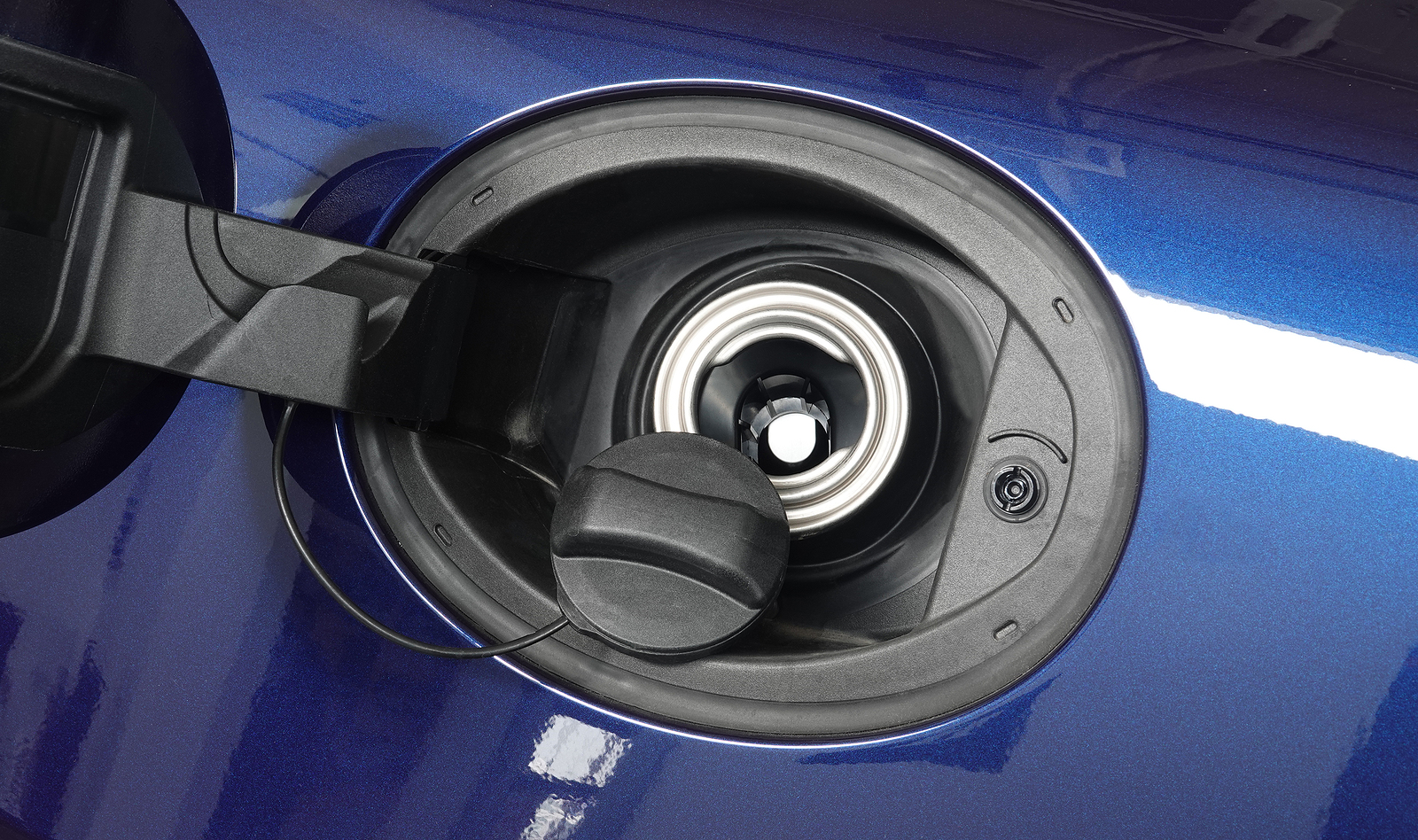
The gas cap, often referred to as a fuel filler cap, is a fundamental component of a vehicle’s fuel system that is frequently overlooked until it goes missing or triggers a dashboard warning light. While it may appear to be a simple, utilitarian plug designed solely to prevent fuel from spilling, the modern gas cap is a sophisticated piece of automotive engineering. It serves as a critical interface between the vehicle’s fuel tank and the external environment, playing a vital role in both operational efficiency and environmental protection.
In the era of modern automotive technology, the gas cap has evolved from a basic screw-on lid to a pressurized seal that communicates directly with the vehicle’s On-Board Diagnostics (OBD-II) system. Understanding the function, mechanics, and maintenance of this component is essential for any car owner looking to optimize vehicle performance and avoid unnecessary diagnostic repairs.
The Mechanical Purpose of the Gas Cap
At its most basic level, a gas cap is the primary barrier preventing the escape of fuel and the entry of contaminants. However, its engineering goes far beyond a simple seal. To understand why a gas cap is essential, one must look at how a vehicle manages its fuel storage.
Preventing Fuel Evaporation
Gasoline is highly volatile, meaning it evaporates rapidly when exposed to air. If a vehicle lacked a gas cap, the fuel inside the tank would constantly vaporize, leading to a significant loss of fuel over time. By creating an airtight seal, the cap ensures that these vapors remain inside the system, where they can be redirected and burned in the engine, thereby improving fuel economy and reducing wasted resources.
Contamination Defense
The fuel system is highly sensitive to impurities. Dirt, debris, water, and road grime can wreak havoc on a vehicle’s fuel pump and fuel injectors. The gas cap acts as the first line of defense, keeping these external pollutants out of the fuel tank. Even small amounts of water or particulate matter can lead to fuel line corrosion or clogging, resulting in engine misfires, rough idling, and expensive long-term repair bills.
Pressure Regulation and Vacuum Relief
Modern fuel tanks operate under specific pressure parameters. The fuel pump relies on a consistent environment to pull fuel effectively toward the engine. Gas caps are designed with built-in pressure relief valves. These valves allow the tank to “breathe” slightly by venting excess pressure buildup caused by rising temperatures, while also preventing a vacuum from forming as the fuel level drops. Without this pressure regulation, the fuel pump would have to work harder, potentially leading to premature pump failure.
The Role of the Gas Cap in Emissions Control
Beyond simple mechanical function, the gas cap is a critical component of the Evaporative Emission Control System (EVAP). This system is designed to trap harmful hydrocarbons and prevent them from escaping into the atmosphere.
The EVAP System Integration
The EVAP system captures fuel vapors that would otherwise vent into the air. It routes these vapors through a charcoal canister, where they are stored until the engine is running and can safely burn them as part of the combustion process. The gas cap is the seal that keeps this entire pressurized loop closed. If the cap is loose, damaged, or of the wrong specification, the EVAP system loses its integrity.
Triggers for the “Check Engine” Light
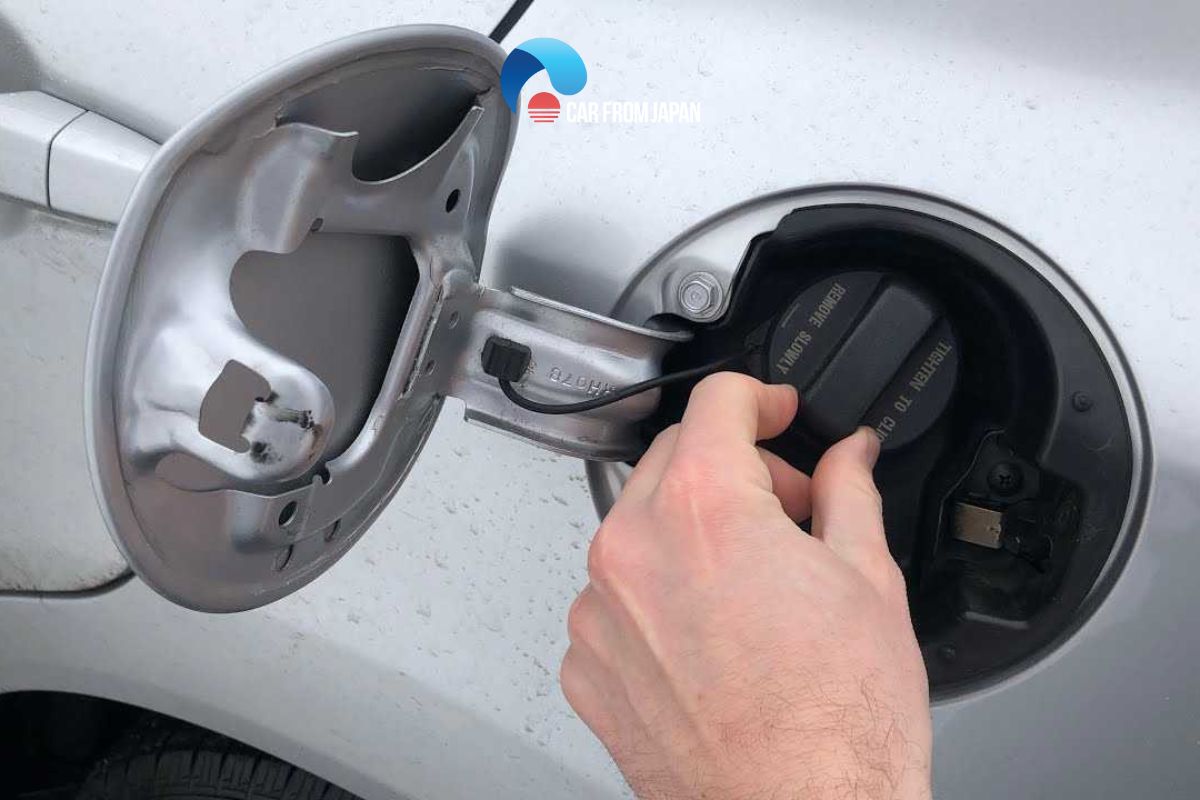
One of the most common reasons a vehicle’s “Check Engine” light illuminates is a minor leak in the EVAP system, frequently caused by a faulty gas cap. When the computer detects that the fuel tank cannot hold the required amount of pressure, it logs a diagnostic trouble code (DTC), such as P0442 or P0456. Many drivers assume these codes indicate a catastrophic engine failure, but in many cases, it simply means the gas cap is not sealing properly. Because the EPA mandates strict emission standards, vehicles are equipped to detect even the smallest leak, ensuring that the car does not contribute to unnecessary air pollution.
Identifying and Replacing a Faulty Cap
Despite their durability, gas caps do not last forever. The rubber gasket or O-ring that creates the seal can become dry, cracked, or deformed over time due to exposure to gasoline and extreme temperature fluctuations.
Signs of a Failing Gas Cap
Drivers should be vigilant for signs of a deteriorating cap. A loose fit, where the cap feels like it is not threading properly or “clicks” even when turned lightly, is a common indicator. Physical signs, such as visible cracks in the plastic or a brittle rubber seal, are also clear warnings that the component needs replacement. Furthermore, if the smell of gasoline is detectable near the rear of the vehicle after refueling, it is a definitive sign that the cap is failing to contain vapors.
The Importance of OEM Specifications
When the time comes to replace a gas cap, many owners are tempted to purchase the cheapest universal option available at a big-box store. However, using the correct Original Equipment Manufacturer (OEM) or a high-quality aftermarket cap specifically designed for your vehicle’s make and model is vital.
Different vehicle fuel systems require specific pressure ratings. A cap that does not match these specifications can cause the computer to register a fault even if the seal is technically airtight. Always consult your vehicle’s owner manual or a reputable parts database to ensure you are selecting a cap with the correct pressure valve settings and physical dimensions.
Proper Maintenance Habits
Maintenance of the gas cap is remarkably simple but often neglected. During every refueling stop, take a moment to inspect the seal. If you notice dirt or grit around the filler neck, wipe it away with a clean cloth before replacing the cap. This ensures that the seal remains debris-free, allowing for a flush fit every time. Additionally, make sure the cap “clicks” at least once—or as many times as the manufacturer recommends—to verify that the torque limit has been reached and the seal is fully engaged.

Modern Innovations in Fuel Systems
As automotive technology continues to advance, the traditional threaded gas cap is slowly being phased out in many new vehicle models in favor of “capless” fuel systems. These systems use a spring-loaded door inside the filler neck that opens when the fuel nozzle is inserted and seals automatically when it is removed.
While capless systems offer convenience and prevent the issue of a loose or missing cap, they still rely on the same fundamental principles of airtight sealing and pressure regulation. They utilize internal flaps and gaskets that fulfill the exact same role as the traditional cap. Understanding the transition toward these systems highlights how central the gas cap’s function is to vehicle operation; even when the cap itself disappears, the technology it represents—the need for a controlled, pressurized, and clean environment for fuel—remains a cornerstone of automotive design.
Ultimately, the gas cap is a testament to the importance of minor components in complex machinery. Its dual role in maintaining engine efficiency and protecting the environment makes it a small but mighty participant in the daily operation of your vehicle. By paying attention to this often-forgotten part, you ensure that your vehicle remains compliant, efficient, and reliable for the miles ahead.
aViewFromTheCave is a participant in the Amazon Services LLC Associates Program, an affiliate advertising program designed to provide a means for sites to earn advertising fees by advertising and linking to Amazon.com. Amazon, the Amazon logo, AmazonSupply, and the AmazonSupply logo are trademarks of Amazon.com, Inc. or its affiliates. As an Amazon Associate we earn affiliate commissions from qualifying purchases.