
Embarking on the journey of opening a small business is an exciting, yet often daunting, prospect. While passion and a brilliant idea form the bedrock, the true scaffolding of any successful venture is its financial foundation. For many aspiring entrepreneurs, the path forward isn’t always clear, especially when it comes to navigating the intricate world of business finance. This guide is designed to illuminate the financial roadmap, focusing exclusively on the money-centric strategies, tools, and considerations essential for transforming your entrepreneurial dream into a tangible, profitable reality. From initial capital acquisition to ongoing financial management, understanding these monetary principles is not just advisable—it’s imperative for sustainable growth and long-term success.
Laying the Financial Foundation: Essential Pre-Launch Steps
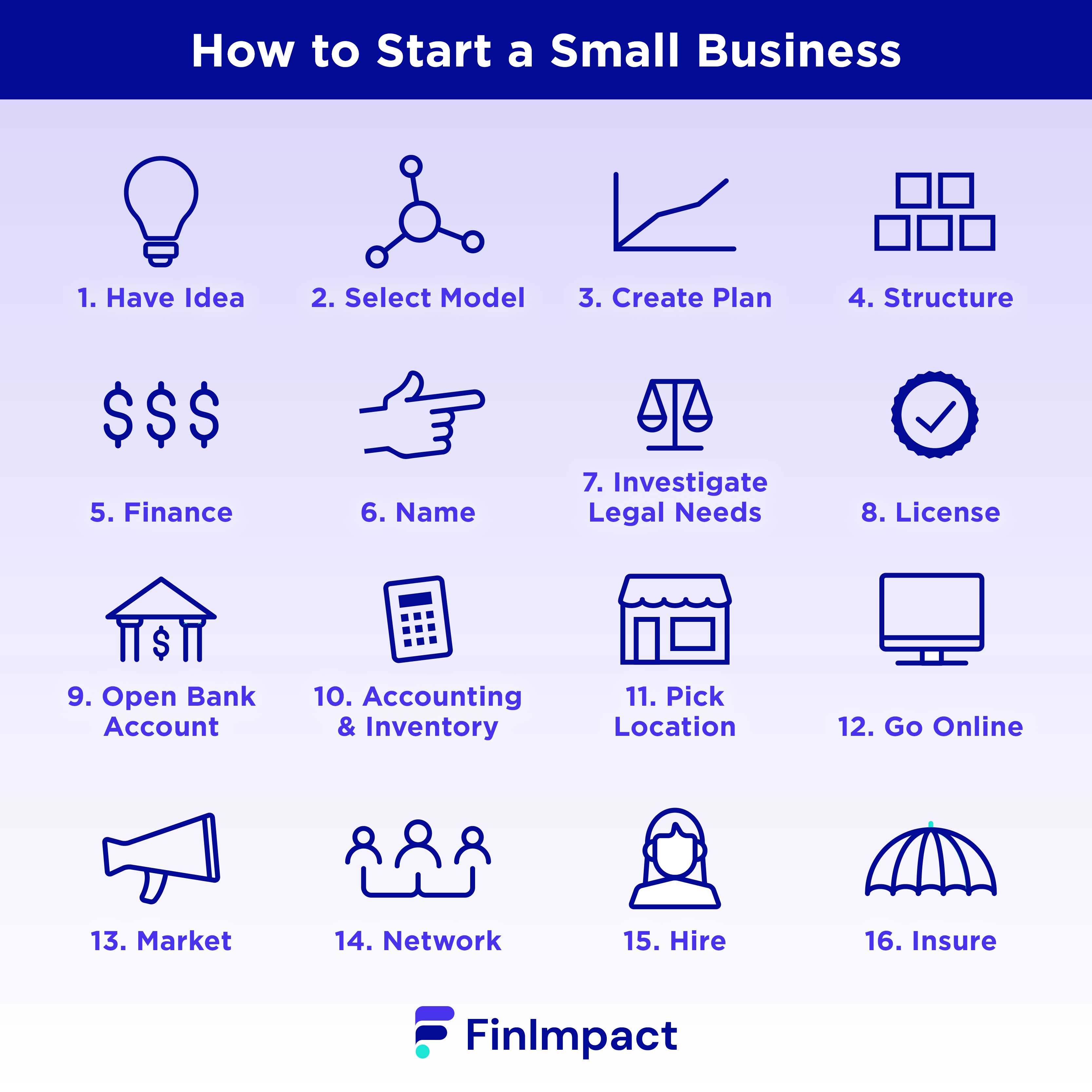
Before any product is sold or service rendered, the financial groundwork for your small business must be meticulously laid. This initial phase is critical for establishing a clear financial picture, mitigating risks, and securing the necessary resources. Overlooking these preliminary steps can lead to significant financial hurdles down the line, potentially jeopardizing the entire venture.
Assessing Your Financial Readiness and Personal Capital
The journey begins with an honest assessment of your personal financial situation. This involves evaluating your existing personal savings, understanding your current debt obligations, and determining your personal risk tolerance. Will you be relying solely on business income, or do you have a stable personal income source to cover living expenses during the startup phase? A robust personal emergency fund can provide a crucial buffer, allowing you to invest time and resources into your business without immediate financial stress. It’s important to separate your personal finances from your business aspirations as much as possible from the outset, even before formalizing your business structure, to foster clear financial boundaries. This personal audit helps in determining how much personal capital you can realistically invest and what external funding might be necessary.
Crafting a Robust Business Plan with Financial Projections
A comprehensive business plan is more than just a formal document; it’s your strategic financial blueprint. While it covers various aspects of your business, its financial sections are paramount. These include detailed startup costs, projections for operational expenses (fixed and variable), realistic revenue forecasts, and a break-even analysis. The startup costs should enumerate every single expense required to get your business operational, from legal fees and permits to initial inventory, equipment, and marketing. Operational expenses will detail ongoing costs like rent, utilities, salaries, and supplies. Revenue forecasts should be conservative yet aspirational, backed by market research. A break-even analysis will tell you exactly how much you need to sell to cover all your costs. This financial plan is not only vital for internal guidance but also indispensable when seeking external funding, as lenders and investors will scrutinize these projections closely to assess viability and potential return on investment.
Understanding Startup Costs: Beyond the Obvious
Many aspiring entrepreneurs underestimate the true cost of starting a business. Beyond the initial inventory or essential equipment, a myriad of ‘hidden’ costs can quickly deplete initial capital. These include legal fees for business registration, permits and licenses required by local and federal regulations, and essential business insurance (e.g., general liability, professional indemnity, property insurance). Consider the costs of setting up an initial digital presence, even if basic, such as website hosting and domain registration. Don’t forget initial marketing and advertising expenses to announce your presence. Most crucially, always allocate a contingency fund—typically 15-20% of your total estimated startup costs—to cover unforeseen expenses or delays. A clear understanding of these costs, both fixed and variable, is crucial for accurate financial planning and avoiding premature cash flow crises.
Funding Your Venture: Navigating Capital Acquisition
Once you have a clear picture of your financial needs, the next critical step is to secure the capital required to launch and sustain your business. This involves exploring various funding avenues, each with its own advantages, disadvantages, and suitability for different business models.
Self-Funding and Bootstrapping Strategies
Self-funding, often referred to as bootstrapping, involves using your own personal financial resources to launch and grow your business. This can include personal savings, proceeds from selling personal assets, or even careful use of personal credit cards (though this option comes with significant risks if not managed responsibly). The primary advantage of bootstrapping is maintaining complete ownership and control over your business, free from external investor influence or debt obligations. Bootstrapping also forces a lean approach, encouraging fiscal discipline and creative problem-solving to minimize expenses. Strategies include starting small, validating your concept with minimal investment, securing pre-orders for products, or working from a home office to save on rental costs. While challenging, it cultivates a strong sense of resourcefulness and financial prudence.
Exploring Traditional and Alternative Lending Options
For businesses requiring more capital than personal funds can provide, various lending options exist. Traditional bank loans, including those backed by government programs like the Small Business Administration (SBA) in the U.S., offer structured financing often with competitive interest rates. These typically require a solid business plan, collateral, and a good personal credit score. Lines of credit can provide flexible access to funds for working capital needs. Beyond traditional banks, consider microloans from community development financial institutions (CDFIs), which often support underserved entrepreneurs with smaller loan amounts and more flexible terms. Online lenders have also emerged, offering quicker application processes, though often at higher interest rates. Crowdfunding platforms, such as Kickstarter or Indiegogo (for donation/reward-based), or equity-based platforms, allow you to raise capital from a large number of individuals in exchange for products, rewards, or equity, respectively.
Attracting Investors: Angels and Venture Capital (for scalable businesses)
If your business has significant growth potential and requires substantial capital for scaling, attracting angel investors or venture capitalists (VCs) might be an option. Angel investors are high-net-worth individuals who provide capital for a startup, usually in exchange for equity. They often bring valuable experience and networks in addition to funds. Venture capital firms invest in high-growth potential companies in exchange for equity, aiming for a significant return on investment. This type of funding is generally sought by businesses with a clear path to exponential growth, a strong management team, and a defensible market position. Attracting investors requires a compelling pitch, a robust business plan, realistic financial projections demonstrating scalability, and a clear understanding of your company’s valuation. Be prepared to cede a portion of ownership and control in exchange for capital and strategic guidance.
Managing Business Finances from Day One: Operational Money Matters
Securing funding is merely the beginning. Effective financial management on an ongoing basis is crucial for the survival and growth of your small business. This involves establishing sound systems, optimizing revenue, and diligently controlling expenses.
Setting Up Financial Systems and Accounting Practices
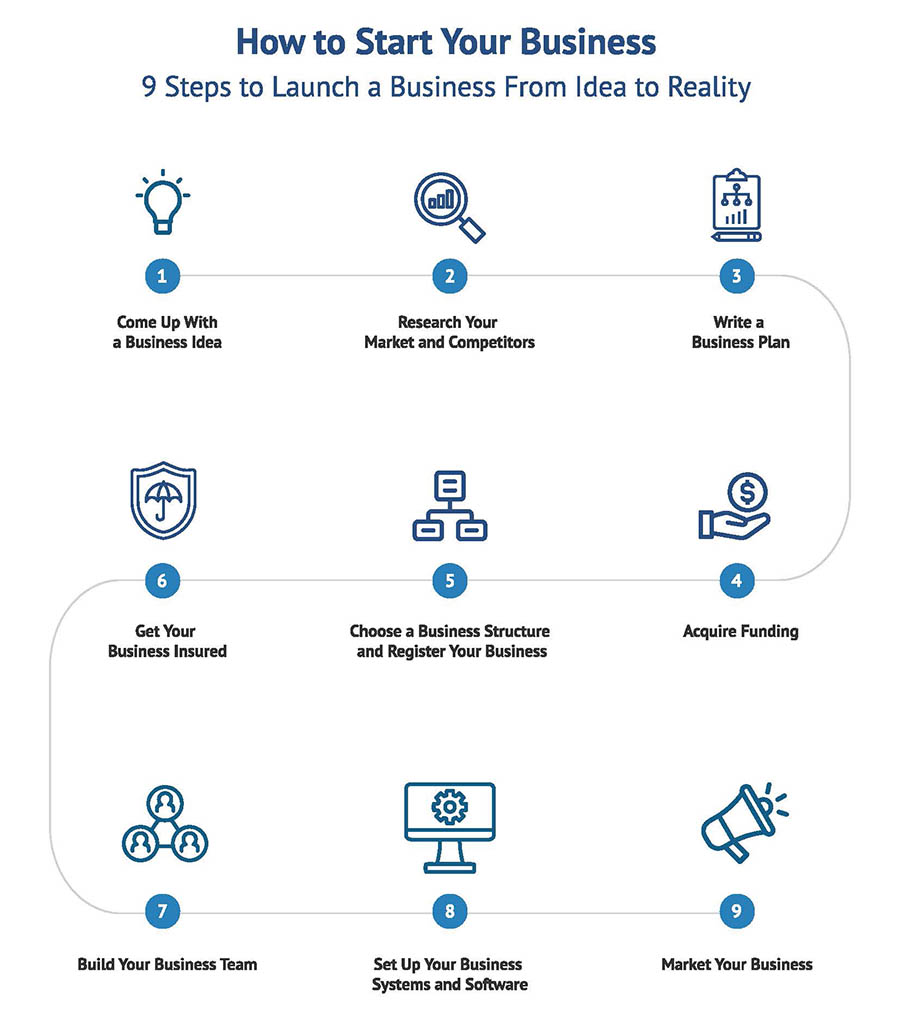
From the moment you open your business, it’s imperative to separate personal and business finances entirely. Open dedicated business bank accounts and credit cards. This separation simplifies bookkeeping, aids in tax preparation, and protects personal assets. Implement a reliable accounting system early on. Software solutions like QuickBooks, Xero, or FreshBooks offer robust features for tracking income and expenses, generating invoices, and producing essential financial reports. Understanding basic bookkeeping principles, such as tracking profit and loss statements, balance sheets, and cash flow statements, will provide invaluable insights into your business’s financial health. Consider hiring a bookkeeper or accountant, even on a part-time basis, to ensure accuracy and compliance, especially as your business grows.
Pricing Strategies and Revenue Generation
Your pricing strategy directly impacts your revenue and profitability. It’s not just about covering costs; it’s about perceived value and market positioning. Common strategies include cost-plus pricing (adding a markup to your total costs), value-based pricing (setting prices based on the perceived value to the customer), and competitive pricing (matching or beating competitors’ prices). Research your target market’s willingness to pay and analyze your competitors’ pricing. Explore diverse revenue streams beyond your core offering, such as subscriptions, upsells, complementary products, or consulting services. Continuously monitor sales data, customer feedback, and market trends to optimize your pricing and maximize income generation without alienating your customer base.
Managing Cash Flow and Expense Control
Cash flow is the lifeblood of any small business. It’s the movement of money in and out of your business, and poor cash flow management is a leading cause of business failure. Develop robust cash flow forecasts to anticipate periods of surplus and deficit. Implement strategies to optimize cash inflow, such as offering early payment discounts, streamlining invoicing and collections, and managing inventory efficiently to avoid tying up capital. On the expense side, exercise diligent control. Regularly review all expenditures, negotiate better terms with suppliers, explore bulk purchasing discounts, and scrutinize recurring costs. Avoid overspending on non-essential items, especially during the startup phase. Regularly reconcile your bank statements and monitor your budget versus actual spending to identify and address any discrepancies promptly.
Legal and Compliance Considerations: Protecting Your Financial Future
Navigating the legal and regulatory landscape is a critical aspect of financial protection and compliance for any small business. Choices made here can have significant tax implications and affect personal liability.
Choosing the Right Business Structure (and its Tax Implications)
The legal structure of your business significantly impacts personal liability and tax obligations. Common structures include:
- Sole Proprietorship: Simple to set up, but offers no personal liability protection, and business income/losses are reported on your personal tax return.
- Partnership: Similar to sole proprietorships but with two or more owners. Again, personal liability can be an issue.
- Limited Liability Company (LLC): Offers personal liability protection (separating personal and business assets) while providing flexibility in how it’s taxed (as a sole proprietorship, partnership, or corporation).
- S-Corporation (S-Corp) / C-Corporation (C-Corp): Provides the strongest liability protection. C-Corps are subject to “double taxation” (corporate profits taxed, then dividends taxed personally), while S-Corps avoid this by passing profits/losses directly to owners’ personal income.
The choice depends on your specific needs, growth projections, and desired level of liability protection. Consulting with a legal and financial professional is highly recommended to make an informed decision.
Understanding Business Taxes and Deductions
Taxes are an unavoidable part of doing business, and understanding your obligations is vital. Small businesses typically face various taxes, including income tax (federal and state), self-employment tax (for sole proprietors and partners, covering Social Security and Medicare), sales tax (if selling goods/services), and payroll taxes (if you have employees). Keeping meticulous records of all income and expenses is crucial for accurate tax reporting. Furthermore, familiarize yourself with eligible business deductions, which can significantly reduce your taxable income. These often include office expenses, vehicle mileage, health insurance premiums, professional development, and specific business-related software or equipment. Proactively planning for taxes and seeking professional tax advice can prevent costly errors and optimize your financial position.
Insuring Your Investment: Risk Management for Small Businesses
Insurance is not an optional expense; it’s a vital financial safeguard for your business. It protects your assets, covers potential liabilities, and ensures business continuity in the face of unforeseen events. Key insurance types for small businesses include:
- General Liability Insurance: Protects against claims of bodily injury or property damage to third parties.
- Commercial Property Insurance: Covers your business property (e.g., building, equipment, inventory) from perils like fire or theft.
- Professional Liability Insurance (Errors & Omissions): Essential for service-based businesses, protecting against claims of negligence or errors in professional services.
- Workers’ Compensation Insurance: Legally required in most states if you have employees, covering medical costs and lost wages for work-related injuries.
- Business Interruption Insurance: Replaces lost income and covers extra expenses if your business is forced to temporarily close due to a covered event.
Investing in appropriate insurance policies is a non-negotiable step in mitigating financial risks and protecting your entrepreneurial investment.
Scaling and Sustaining Growth: Financial Strategies for the Long Haul
Opening a business is just the first chapter; sustaining and growing it requires continuous financial vigilance and strategic planning. Long-term financial health is built on smart reinvestment, data analysis, and forward-looking strategies.
Reinvesting Profits and Strategic Financial Planning
As your business begins to generate profits, the question of what to do with them becomes central. While it’s tempting to take out significant owner draws, strategic reinvestment of profits is often the key to accelerating growth. This could mean investing in new equipment to increase efficiency, expanding your product line, hiring additional staff to meet demand, or allocating more resources to marketing and R&D. Develop a long-term financial plan that outlines your growth objectives and how profits will be allocated to achieve them. This might include setting aside funds for future expansion, building a larger cash reserve for stability, or paying down debt to improve your balance sheet. Smart reinvestment decisions, guided by a clear vision, transform short-term gains into sustainable long-term value.
Monitoring Key Financial Performance Indicators (KPIs)
To effectively manage and grow your business, you must continuously monitor key financial performance indicators (KPIs). These metrics provide actionable insights into your business’s health and efficiency. Essential KPIs include:
- Gross Profit Margin: The percentage of revenue left after deducting the cost of goods sold.
- Net Profit Margin: The percentage of revenue left after all expenses, including taxes, are deducted.
- Customer Acquisition Cost (CAC): The cost to acquire one new customer.
- Customer Lifetime Value (CLTV): The total revenue a business can expect from a single customer account over the projected relationship.
- Cash Conversion Cycle: The time it takes for a business to convert its investments in inventory and accounts payable into cash.
- Burn Rate: The rate at which an unprofitable company is spending its venture capital to finance overhead before generating positive cash flow from operations.
Regularly analyzing these and other relevant KPIs allows you to identify trends, pinpoint areas for improvement, and make data-driven decisions that optimize financial performance and guide strategic adjustments.
Planning for Future Funding and Exit Strategies
Even profitable businesses may require additional funding to scale or manage significant growth phases. This could involve securing new loans, attracting further investment, or even considering mergers and acquisitions. Proactively assessing your future capital needs and maintaining strong financial records will position you well for these opportunities. Furthermore, consider your long-term exit strategy. Whether you plan to sell the business, pass it down to family, or eventually close it, having an exit strategy in mind can influence financial decisions throughout your business’s life cycle. Planning for succession, maximizing business valuation for a sale, or responsibly winding down operations all have significant financial implications that benefit from early consideration and strategic planning.
Opening a small business is a profound act of creation, but its lasting success hinges on rigorous financial discipline and strategic money management. By meticulously planning your financial foundation, wisely acquiring capital, implementing robust operational financial systems, adhering to legal and tax requirements, and strategically planning for growth, you can navigate the complexities of entrepreneurship with confidence. The financial journey of a small business is ongoing, demanding continuous learning and adaptation, but with a solid monetary roadmap, your venture stands the best chance of thriving for years to come.
aViewFromTheCave is a participant in the Amazon Services LLC Associates Program, an affiliate advertising program designed to provide a means for sites to earn advertising fees by advertising and linking to Amazon.com. Amazon, the Amazon logo, AmazonSupply, and the AmazonSupply logo are trademarks of Amazon.com, Inc. or its affiliates. As an Amazon Associate we earn affiliate commissions from qualifying purchases.