
The question “how much money should be saved?” is one that resonates with nearly everyone, yet its answer is anything but universal. It’s a profoundly personal inquiry, deeply intertwined with individual financial circumstances, life stages, aspirations, and risk tolerance. In an economic landscape marked by constant flux, the imperative to save has never been more evident, serving as the bedrock for financial security, future growth, and the pursuit of dreams. This article aims to demystify the art and science of saving, moving beyond simplistic rules of thumb to offer a comprehensive, adaptable framework for understanding and optimizing your savings strategy. We will explore the multifaceted reasons for saving, establish a personalized goal-setting approach, delve into practical benchmarks, and equip you with actionable strategies to build and sustain a robust financial future.
The Imperative of Saving: Beyond a Rainy Day Fund
Saving money is often simplistically equated with preparing for emergencies, a crucial but limited perspective. While a robust emergency fund is undeniably foundational, the true power of saving extends far beyond merely weathering unforeseen storms. It’s about constructing a resilient financial fortress that can withstand various challenges, open doors to new opportunities, and ultimately pave the way for a life of greater freedom and less stress.
Building Financial Resilience
At its core, saving builds financial resilience. Life is unpredictable, and unexpected expenses – be it a car repair, a medical emergency, or sudden job loss – are not a matter of ‘if,’ but ‘when.’ A well-funded savings account acts as a critical buffer, preventing these unforeseen events from spiraling into crippling debt or derailing long-term financial plans. It provides peace of mind, allowing individuals to navigate difficult periods without sacrificing their current lifestyle or compromising their future financial health. This resilience is not just about avoiding crises; it’s about maintaining stability and control when external circumstances threaten to destabilize your world.
Funding Future Aspirations
Beyond crisis management, saving is the primary engine for realizing future aspirations. Whether it’s purchasing a first home, funding a child’s education, starting a business, taking a dream vacation, or even simply upgrading a major appliance, these significant life events almost invariably require substantial capital. Proactive saving transforms vague desires into concrete plans, providing a tangible pathway to achieve these goals without relying on high-interest loans or liquidating essential assets. It shifts the mindset from reactive spending to proactive investment in your desired future.
Achieving Financial Independence
Perhaps the most ambitious yet profoundly rewarding objective of saving is the pursuit of financial independence. This isn’t necessarily about early retirement, but rather reaching a point where passive income covers living expenses, giving you the freedom to work because you want to, not because you have to. Financial independence offers unparalleled flexibility, allowing for career changes, extended sabbaticals, or simply the ability to live life on your own terms. It’s a journey that requires diligent, consistent saving and strategic investing over many years, highlighting why understanding “how much to save” is a lifelong endeavor, not a one-time calculation. The earlier and more aggressively one saves, the sooner this empowering state can be achieved, transforming financial constraints into opportunities for choice and self-determination.
Establishing Your Savings Goals: A Personalized Approach
While the general reasons for saving are universal, the specific targets and priorities differ vastly from person to person. A personalized approach to setting savings goals is paramount, ensuring that your financial strategy aligns perfectly with your individual life stage, income, expenses, and future ambitions. This involves segmenting your savings into distinct categories, each with its own purpose and timeline.
Emergency Fund: Your Financial Safety Net
The absolute first priority for anyone looking to build financial security is establishing a robust emergency fund. This is typically a liquid savings account holding 3 to 6 months’ worth of essential living expenses (rent/mortgage, utilities, food, transportation, insurance). For those with less stable income or dependents, aiming for 6-12 months can provide even greater peace of mind. This fund is strictly for emergencies – unforeseen job loss, medical crises, or critical home/car repairs – and should not be touched for discretionary spending. Without this foundational safety net, other savings goals remain vulnerable to derailment by life’s inevitable curveballs.
Short-Term Goals: Near-Horizon Aspirations
Once your emergency fund is sufficiently stocked, you can begin saving for short-term goals, typically those you aim to achieve within the next 1-3 years. These might include a down payment for a car, a significant vacation, funding for a professional development course, or even saving for a large holiday gift budget. These goals require dedicated, regular contributions to separate savings accounts (or sub-accounts) to keep them distinct from your emergency fund and long-term investments. Breaking down these larger goals into manageable monthly savings targets makes them feel achievable and provides immediate motivation.
Long-Term Goals: Shaping Your Future
Long-term goals are the ambitious benchmarks that often require decades of consistent effort and strategic planning. The most prominent among these is retirement savings. Financial experts often recommend aiming for 10-15% (or more) of your income to be dedicated to retirement savings from an early age, leveraging tax-advantaged accounts like 401(k)s, IRAs, or Roth IRAs. Other critical long-term goals might include saving for a home down payment (if not a short-term goal), a child’s college education through 529 plans, or substantial investments for wealth creation. These goals benefit immensely from the power of compound interest, underscoring the importance of starting early and maintaining consistency over time.
The Role of Debt Reduction in Savings Strategy
It’s crucial to acknowledge that for many, reducing high-interest debt (like credit card debt or personal loans) is an integral, and often initial, part of their “savings” strategy. The interest paid on such debts can quickly erode any potential gains from traditional savings or investments. In these cases, aggressively paying down high-interest debt effectively functions as a guaranteed return on investment (equal to the interest rate avoided) and frees up future cash flow for dedicated saving. A balanced approach often involves maintaining a small emergency fund while simultaneously tackling high-interest debt, before shifting focus entirely to other savings goals.
Practical Frameworks for Savings: Rules of Thumb and Benchmarks
While personalized goals are essential, universally recognized rules of thumb and benchmarks can provide excellent starting points and guiding principles for your savings journey. These frameworks offer a structured way to assess your current financial habits and set achievable targets.
The 50/30/20 Rule: A Balanced Budgeting Approach
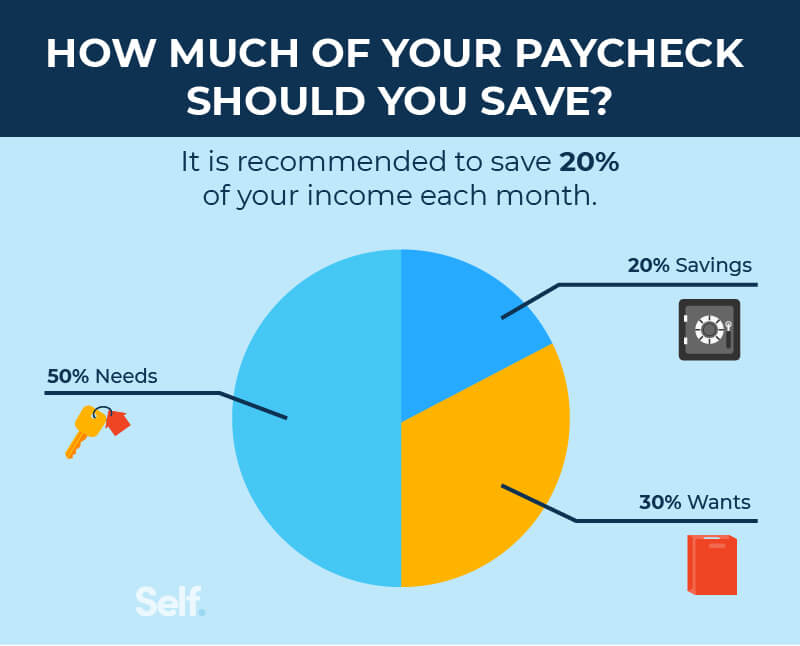
One of the most popular and straightforward budgeting guidelines is the 50/30/20 rule. It suggests allocating your after-tax income as follows:
- 50% for Needs: These are your essential expenses – housing, utilities, groceries, transportation, insurance, and minimum loan payments.
- 30% for Wants: This category includes discretionary spending – dining out, entertainment, hobbies, vacations, shopping for non-essentials.
- 20% for Savings & Debt Repayment: This crucial slice is dedicated to building your emergency fund, contributing to retirement accounts, saving for specific goals, and making extra payments on high-interest debt beyond the minimums.
This rule provides a flexible yet disciplined structure, ensuring that saving is prioritized without completely sacrificing lifestyle. It’s a great way to visualize where your money is going and identify areas for adjustment if your savings percentage falls short.
Retirement Savings Milestones: Age-Based Benchmarks
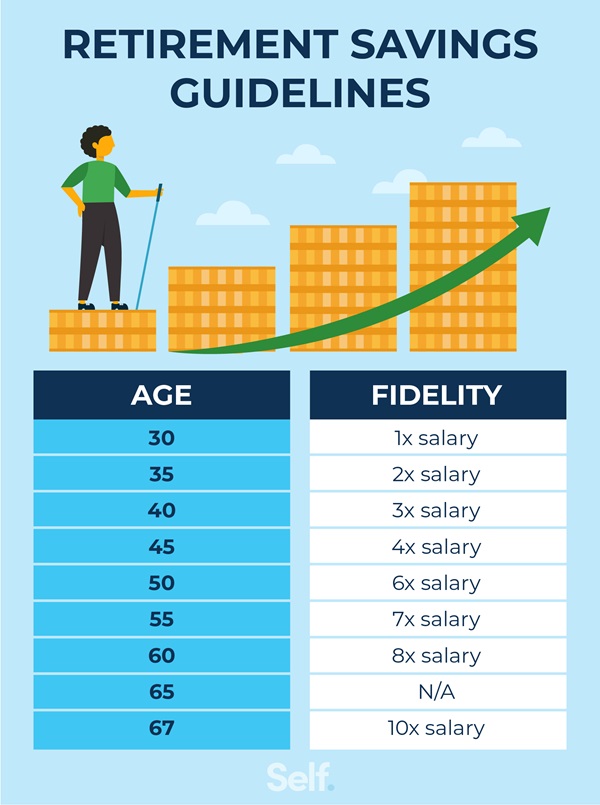
When it comes to long-term goals like retirement, specific age-based benchmarks can offer helpful guidance. While these are broad recommendations and can vary based on individual circumstances and desired retirement lifestyle, common guidelines suggest having:
- 1x your salary saved by age 30
- 3x your salary saved by age 40
- 6x your salary saved by age 50
- 8x your salary saved by age 60
- 10x your salary saved by retirement (e.g., age 67)
These benchmarks serve as progress markers, encouraging consistent contributions and highlighting the impact of starting early. They emphasize that retirement saving is a marathon, not a sprint, and small, regular contributions can compound into substantial wealth over decades.
The Power of Compound Interest: Starting Early and Consistently
Regardless of the specific rule or benchmark you adopt, the underlying principle that amplifies your savings is compound interest. This is the interest you earn not only on your initial principal but also on the accumulated interest from previous periods. The earlier you start saving and investing, the more time your money has to grow exponentially. Even small, consistent contributions can lead to significant wealth accumulation over time, illustrating why beginning your savings journey in your 20s or 30s is far more impactful than waiting until your 40s or 50s. This isn’t just a rule; it’s a fundamental economic force that every saver should leverage.
Strategies to Optimize and Sustain Your Savings Efforts
Knowing how much to save is only half the battle; the other half is implementing effective strategies to actually save and maintain consistency. Optimizing your savings efforts requires a combination of automation, regular review, and a willingness to explore various avenues for financial growth.
Automating Your Savings: The Path of Least Resistance
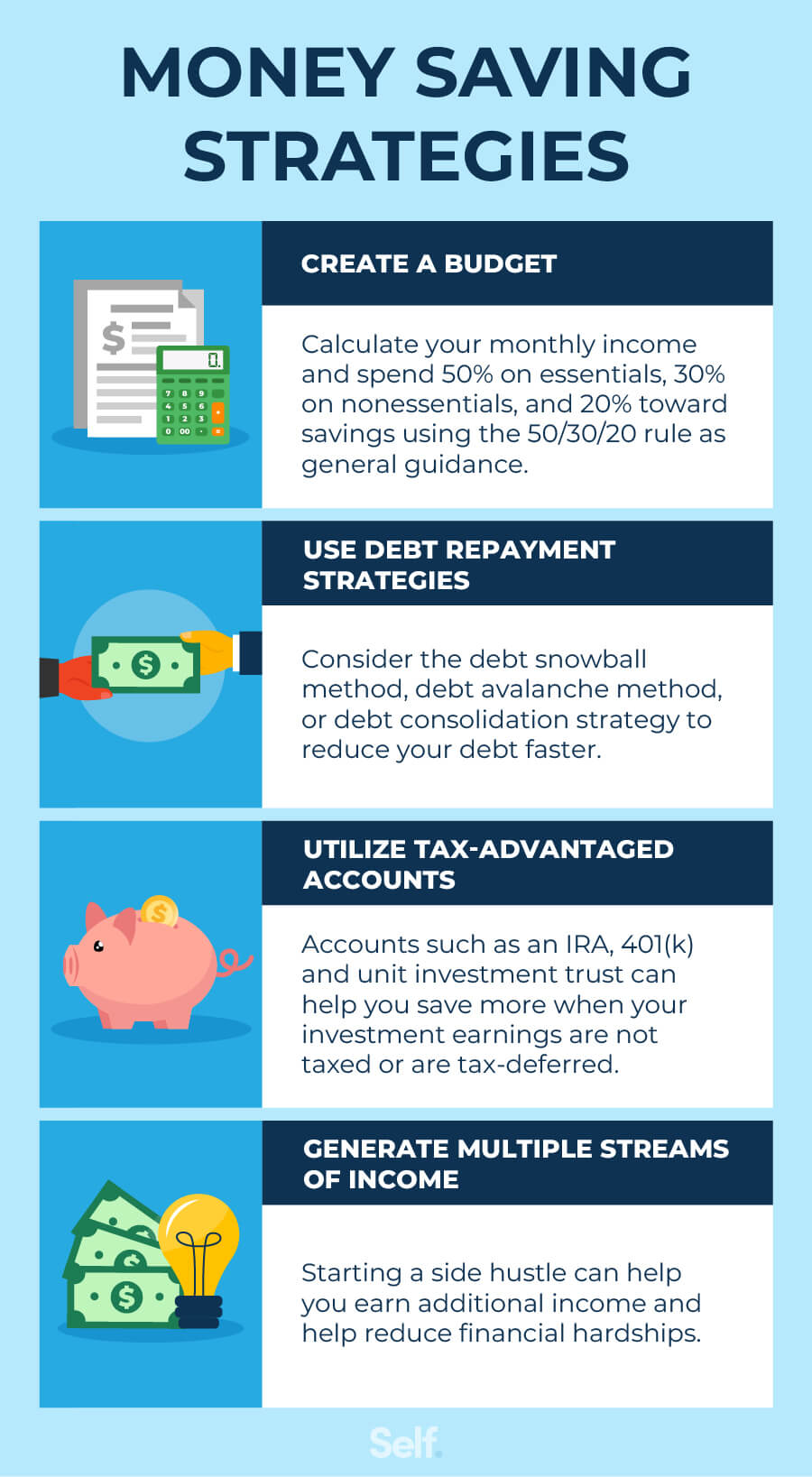
One of the most powerful strategies to sustain savings is automation. Set up automatic transfers from your checking account to your savings and investment accounts (e.g., 401(k), IRA, emergency fund) on payday. Treat these transfers as non-negotiable expenses, just like rent or utilities. By “paying yourself first” before you have a chance to spend the money, you remove the decision-making friction and psychological barrier to saving. This approach ensures consistency and builds your financial buffers effortlessly, often without you even noticing the funds leaving your primary account.
Reviewing and Adjusting Your Budget Regularly
Your financial life is dynamic; your budget and savings plan should be too. Life changes—promotions, new expenses, shifts in priorities—mean that a static budget quickly becomes outdated. Schedule regular financial check-ins (e.g., monthly or quarterly) to review your income and expenses, assess your progress towards savings goals, and make necessary adjustments. This iterative process allows you to identify spending leaks, optimize allocations, and adapt your savings strategy to new circumstances, ensuring it remains relevant and effective. Flexibility and responsiveness are key to long-term financial success.
Increasing Your Income vs. Decreasing Expenses
When faced with a savings deficit, most people instinctively look to cut expenses. While crucial, this is only one side of the equation. Explore opportunities to increase your income, which can have a more dramatic and sustainable impact on your savings capacity. This could involve negotiating a raise, seeking a higher-paying job, starting a side hustle, monetizing a hobby, or investing in skills that command a better salary. A combination of thoughtful expense management and proactive income generation often yields the best results, allowing you to save more aggressively without feeling overly deprived.
Leveraging Financial Tools and Professional Advice
The digital age offers an abundance of financial tools designed to simplify saving and investing. Budgeting apps can track spending, investment platforms can automate contributions and rebalancing, and high-yield savings accounts can maximize returns on your cash. Don’t hesitate to leverage these resources. Furthermore, for complex financial situations or significant long-term planning (e.g., retirement, estate planning), consulting a certified financial advisor can provide invaluable, personalized guidance. A professional can help you navigate investment options, optimize tax strategies, and create a comprehensive financial plan tailored to your specific goals and risk tolerance. Their expertise can uncover opportunities and prevent costly mistakes, ultimately accelerating your journey towards financial security.
Determining “how much money should be saved” is a continuous journey of self-assessment, planning, and disciplined action. There isn’t a magic number that applies to everyone; instead, it’s about understanding your unique circumstances, setting clear goals, and employing strategic frameworks to achieve them. By prioritizing an emergency fund, segmenting your goals into short and long-term objectives, leveraging proven rules of thumb, and consistently applying strategies like automation and regular review, you can build a robust financial foundation. Remember, the most important step is to start, no matter how small. Consistency, patience, and a commitment to your financial well-being will ultimately lead to the security and freedom you seek.
aViewFromTheCave is a participant in the Amazon Services LLC Associates Program, an affiliate advertising program designed to provide a means for sites to earn advertising fees by advertising and linking to Amazon.com. Amazon, the Amazon logo, AmazonSupply, and the AmazonSupply logo are trademarks of Amazon.com, Inc. or its affiliates. As an Amazon Associate we earn affiliate commissions from qualifying purchases.