
In the evolving landscape of personal finance, platforms like Robinhood have democratized investing, making it accessible to millions. Once considered the exclusive domain of professional brokers and high-net-worth individuals, stock market trading is now at the fingertips of anyone with a smartphone. Robinhood, in particular, pioneered commission-free trading, significantly lowering the barrier to entry and empowering a new generation of investors. This guide aims to provide a comprehensive understanding of how to effectively trade in Robinhood, navigating its features, understanding various asset classes, and adopting responsible trading practices to build a robust financial future.

Whether you’re a complete novice looking to make your first investment or an experienced trader seeking to leverage Robinhood’s user-friendly interface, grasping the platform’s nuances is crucial. We’ll delve into everything from setting up your account and funding it, to exploring different investment vehicles like stocks, ETFs, options, and cryptocurrencies. Beyond mere execution, we’ll emphasize the importance of research, risk management, and strategic thinking – components vital for long-term success in the dynamic world of investing. By the end of this article, you will be equipped with the knowledge to approach trading on Robinhood with confidence, making informed decisions that align with your financial goals.
Understanding Robinhood: A Gateway to Investing
Robinhood emerged as a disruptor in the financial services industry, fundamentally altering how individual investors interact with the stock market. Its primary appeal lies in its simplicity and cost-effectiveness, paving the way for a more inclusive investment environment.
What is Robinhood?
At its core, Robinhood is a financial services company that offers commission-free trading of stocks, exchange-traded funds (ETFs), options, and cryptocurrencies through its mobile app and website. Launched in 2013, it quickly gained popularity for eliminating the traditional trading fees that often deterred small-scale investors. The platform is designed with a minimalist user interface, making complex financial markets feel approachable, even for those with no prior investment experience. It caters to a wide audience, from casual investors looking to put a small amount of money into the market to more active traders seeking to capitalize on short-term movements.
The Allure of Commission-Free Trading
Before Robinhood, most brokerage firms charged a fee for every trade executed, often ranging from $5 to $10. While this might seem insignificant for large trades, it could eat into the profits of smaller investments or make frequent trading prohibitively expensive. Robinhood’s innovation was to eliminate these commissions entirely, allowing users to buy and sell assets without incurring per-transaction costs. This model primarily generates revenue through other means, such as interest on uninvested cash, premium subscriptions (Robinhood Gold), and payment for order flow – where orders are routed to market makers who pay Robinhood for the opportunity to execute them. The elimination of commissions has undeniably democratized access to the stock market, encouraging more people to start investing.
Key Features for Beginners and Experienced Traders
Robinhood boasts a range of features designed to cater to various investor needs. For beginners, the intuitive design makes it easy to search for stocks, view basic company information, and place simple buy/sell orders. It also offers fractional shares, allowing users to invest in high-priced stocks with as little as $1. This is a game-changer for those with limited capital. Experienced traders can leverage features like advanced charting tools (available with Robinhood Gold), options trading, and real-time market data. The platform also provides news feeds, analyst ratings, and customizable watchlists to help users stay informed. However, it’s crucial to remember that while the platform is user-friendly, the underlying market dynamics require diligence and understanding.
Getting Started: Setting Up Your Robinhood Account
Embarking on your Robinhood trading journey begins with a straightforward account setup process. The platform is designed to get users investing quickly, but certain steps are essential for compliance and security.
Account Creation and Verification
To open a Robinhood account, you’ll typically need to provide personal information such as your name, address, date of birth, and Social Security Number. This is required by financial regulations (Know Your Customer – KYC) to verify your identity and prevent fraud. You’ll also be asked a few questions about your financial situation and investment experience, which helps Robinhood assess your suitability for certain types of investments. The entire process is usually digital and can be completed within minutes. Once submitted, your application will undergo a review, and upon approval, your account will be active. It’s imperative to provide accurate information to avoid any delays or issues with verification.
Funding Your Account: Deposits and Instant Access
After your account is approved, the next step is to fund it. Robinhood offers various methods to deposit money, primarily through linking your bank account. You can usually link your bank account instantly using your online banking credentials. Once linked, you can initiate transfers, typically via ACH. While standard ACH transfers can take a few business days to fully settle, Robinhood offers “Instant Deposits” for eligible accounts. This feature allows you to access a portion of your deposit (up to $1,000 for standard accounts, higher for Robinhood Gold members) instantly, enabling you to start trading almost immediately, even before the funds fully clear. Larger deposits will become available once they settle from your bank. You can also fund your account via wire transfers for larger amounts.
Navigating the User Interface
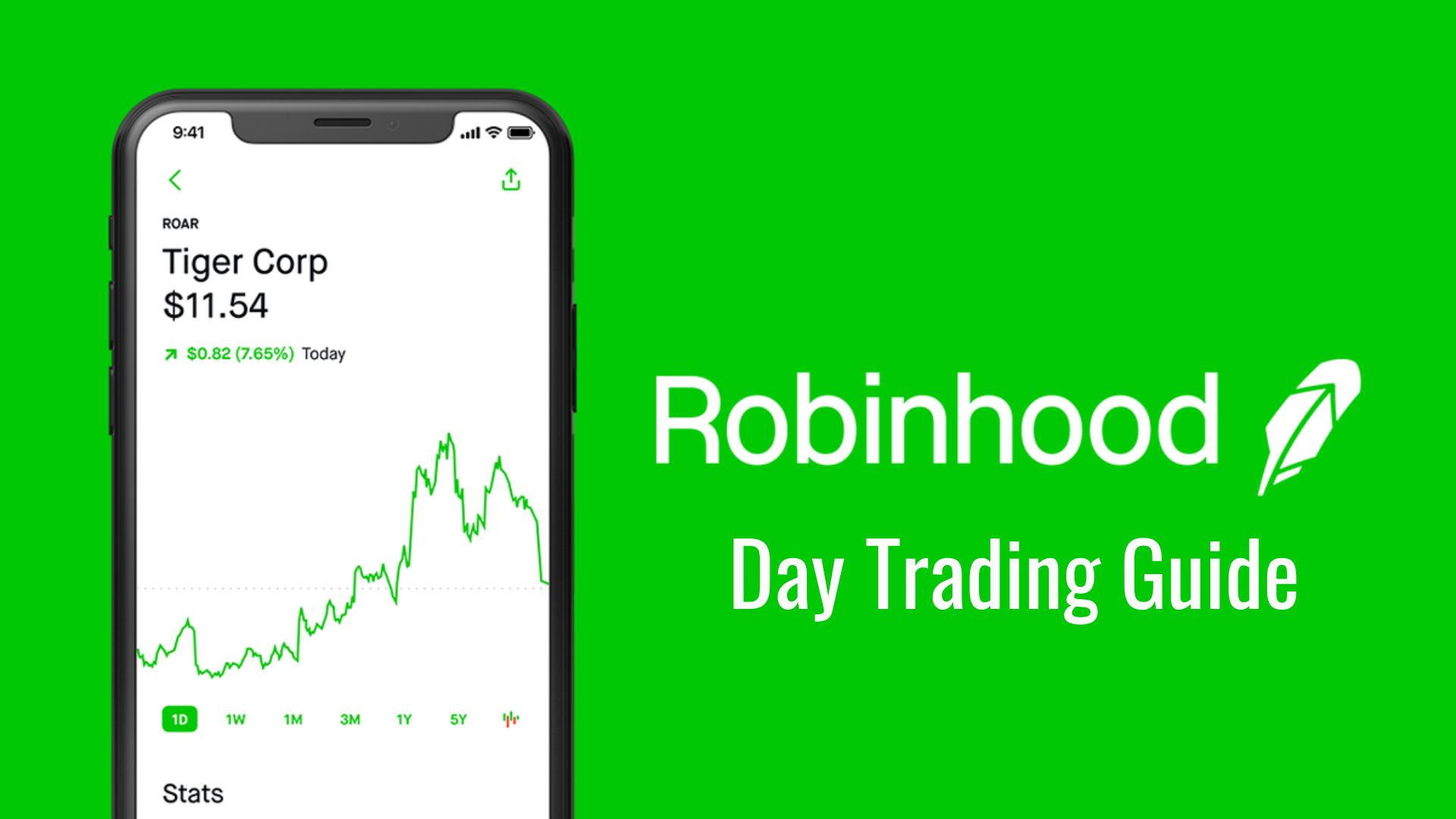
Robinhood’s appeal largely stems from its clean, minimalist user interface. The home screen typically displays your portfolio value, daily gains/losses, and a watchlist of assets you’re tracking. A search bar allows you to find specific stocks, ETFs, options, or cryptocurrencies. Tapping on an asset brings up its detailed page, showing real-time price, historical charts, news, analyst ratings, and the options to buy or sell. The bottom navigation bar usually provides quick access to your portfolio, cash management, messages/notifications, and account settings. Familiarizing yourself with these core elements will make navigating the platform intuitive and efficient, allowing you to focus on your investment decisions rather than struggling with the interface.
Core Trading Strategies and Asset Classes on Robinhood
Robinhood provides access to a diverse range of financial instruments, each with its unique characteristics, risks, and potential rewards. Understanding these asset classes and the basic order types is fundamental to developing effective trading strategies.
Stocks and ETFs: The Fundamentals
Stocks represent ownership shares in a company. When you buy a stock, you become a partial owner, hoping the company’s value will increase, leading to a rise in your stock price. Exchange-Traded Funds (ETFs) are baskets of securities, such as stocks, bonds, or commodities, that trade like individual stocks on an exchange. ETFs offer diversification because they hold multiple assets, reducing the risk associated with investing in a single company. They are often used for long-term growth and are a popular choice for beginners due to their inherent diversification. Robinhood allows you to buy both whole shares and fractional shares of stocks and ETFs, making it possible to invest in expensive stocks with smaller amounts.
Options Trading: Leveraging Opportunities (and Risks)
Options are contracts that give the buyer the right, but not the obligation, to buy or sell an underlying asset (like a stock) at a specified price (the strike price) on or before a certain date (the expiration date). There are two main types: call options (betting the stock price will rise) and put options (betting the stock price will fall). Options trading is inherently more complex and carries higher risks than simply buying stocks. While options offer the potential for significant returns with a relatively small capital outlay (leverage), they can also lead to rapid and substantial losses, potentially exceeding your initial investment if used incorrectly. Robinhood requires users to apply and be approved for options trading, often after demonstrating a certain level of investment experience and understanding of the risks involved. It’s not recommended for absolute beginners without thorough education.

Cryptocurrency: Digital Assets for the Modern Investor
Robinhood also offers trading in a selection of popular cryptocurrencies, such as Bitcoin (BTC), Ethereum (ETH), Dogecoin (DOGE), and Litecoin (LTC), among others. Cryptocurrencies are decentralized digital assets secured by cryptography, making them challenging to counterfeit. They operate independently of a central bank. The cryptocurrency market is known for its extreme volatility, presenting both opportunities for rapid gains and significant risks of losses. While Robinhood facilitates buying and selling cryptocurrencies, it currently operates more like an exchange for holding digital assets within its platform rather than allowing direct wallet transfers for most cryptocurrencies. Investors interested in crypto should be prepared for significant price swings and conduct extensive research into the specific digital assets they choose to invest in.
Understanding Market Orders vs. Limit Orders
When placing a trade on Robinhood, you’ll encounter different order types:
- Market Order: This is the simplest type of order. It instructs Robinhood to buy or sell a security immediately at the best available current market price. While convenient for quick execution, the actual price you get might differ slightly from the displayed price, especially in fast-moving markets (this is known as slippage).
- Limit Order: A limit order allows you to specify the maximum price you’re willing to pay to buy a security (buy limit) or the minimum price you’re willing to accept to sell a security (sell limit). Your order will only be executed if the market price reaches your specified limit or better. This gives you more control over the price you trade at, but there’s no guarantee the order will be filled if the market never reaches your limit price.
Understanding when to use each order type is crucial for optimizing your trading strategy and protecting your capital.
Essential Tools and Features for Smart Trading
Beyond simply executing trades, Robinhood offers a suite of tools and features that can significantly enhance your trading decisions and portfolio management. Leveraging these effectively is key to moving beyond speculative trading to informed investing.
Research and Due Diligence: Beyond the Hype
While Robinhood’s interface is streamlined, it still provides valuable resources for research. On any asset’s detail page, you’ll find real-time charts, historical data, relevant news articles, and basic company financials. For stocks, you can often see analyst ratings from various financial institutions. However, relying solely on in-app information may not be sufficient for comprehensive due diligence. It’s critical to supplement this with external research: reading company earnings reports, analyzing industry trends, and consulting multiple reputable financial news sources. Understanding a company’s business model, competitive landscape, and future growth prospects is far more important than succumbing to social media hype or fleeting trends. Informed decisions are built on thorough research.
Watchlists and Price Alerts
Robinhood allows you to create customizable watchlists, which are invaluable for monitoring assets you’re interested in but aren’t ready to buy. This feature enables you to track their performance, observe price movements, and stay updated on relevant news without cluttering your main portfolio view. Additionally, you can set up price alerts for specific securities. If a stock or crypto reaches your target price (either up or down), Robinhood will send you a notification. These alerts are powerful tools for capitalizing on opportunities or managing potential risks, ensuring you don’t miss critical entry or exit points.
Portfolio Management and Performance Tracking
Your Robinhood portfolio provides a clear overview of all your holdings, their current value, and your total gains or losses over various periods (day, week, month, year, all time). This dashboard is essential for monitoring the health of your investments. You can drill down into individual holdings to see their specific performance. Regularly reviewing your portfolio allows you to assess the effectiveness of your strategies, identify underperforming assets, and rebalance your holdings if necessary to align with your financial goals and risk tolerance. Understanding your overall portfolio’s performance is crucial for making strategic adjustments rather than impulsive reactions.
Fractional Shares: Democratizing High-Priced Stocks
One of Robinhood’s most impactful features, especially for new investors, is the ability to buy fractional shares. This means you don’t have to purchase a whole share of an expensive stock like Amazon or Tesla. Instead, you can invest a specific dollar amount (e.g., $5, $100), and Robinhood will allocate a corresponding fraction of a share to your account. This feature makes investing in high-growth companies accessible to investors with smaller budgets, allowing for greater diversification across a wider range of companies without needing significant upfront capital. It empowers micro-investing and helps beginners build a diversified portfolio from the ground up.
Managing Risk and Trading Responsibly
While Robinhood makes trading simple, the financial markets are inherently risky. Successful, long-term investing hinges on adopting responsible strategies, understanding potential pitfalls, and managing your financial exposure prudently.
Diversification: Spreading Your Bets
The golden rule of investing, “Don’t put all your eggs in one basket,” holds particularly true on Robinhood. Diversification involves spreading your investments across different asset classes, industries, and geographic regions. Instead of investing all your capital into a single stock or cryptocurrency, consider allocating funds across a mix of stocks, ETFs, and potentially a small portion into crypto. Within stocks, diversify across various sectors (e.g., tech, healthcare, consumer goods) to mitigate the risk associated with a downturn in any single industry. Diversification helps reduce overall portfolio volatility and protects against significant losses if one particular investment performs poorly.
Understanding Volatility and Market Swings
The stock and crypto markets are dynamic and subject to constant fluctuations, often driven by economic news, company performance, geopolitical events, and investor sentiment. This volatility can lead to rapid price swings, both up and down. While volatility presents opportunities for savvy traders, it also carries significant risk. It’s crucial not to panic during market downturns or get overly euphoric during upward trends. Develop a long-term perspective and avoid making impulsive decisions based on short-term market noise. Use stop-loss orders (though not directly offered as a traditional ‘stop-loss’ by Robinhood, you can use stop limit orders) to help limit potential losses on individual positions, but understand their limitations.
Tax Implications of Trading
Trading on Robinhood comes with tax implications that every investor must understand. Profits from selling stocks or other assets are subject to capital gains tax. If you hold an asset for less than a year before selling it for a profit, it’s considered a short-term capital gain and taxed at your ordinary income tax rate, which can be high. If you hold it for over a year, it’s a long-term capital gain, generally taxed at more favorable rates. Dividends received from stocks are also taxable. Robinhood provides tax documents (like Form 1099-B) at the end of each tax year, detailing your trading activity. It’s highly advisable to consult with a tax professional to understand your specific obligations and optimize your tax strategy, as failure to report gains can lead to penalties.
Setting Realistic Expectations and Avoiding Emotional Decisions
Perhaps the most critical aspect of responsible trading is managing your own psychology. The allure of quick profits can lead to emotional decisions, such as chasing rapidly rising stocks (FOMO – Fear Of Missing Out) or selling off assets in a panic during a market dip. Both can be detrimental to long-term wealth building. Set clear investment goals, define your risk tolerance, and stick to your strategy. Understand that investing is a marathon, not a sprint, and there will be ups and downs. Focus on consistent, disciplined investing based on research and your financial plan, rather than allowing emotions to dictate your trading actions.
In conclusion, Robinhood has undeniably revolutionized access to financial markets, empowering millions to take control of their investment journey. By offering commission-free trading and an intuitive platform, it has demystified investing. However, true success in trading on Robinhood, or any platform, stems from more than just easy access. It requires a commitment to continuous learning, diligent research, strategic thinking, and disciplined risk management. Armed with the knowledge of how to effectively navigate the platform, understand different asset classes, and adopt responsible trading practices, you can leverage Robinhood as a powerful tool to work towards achieving your personal financial goals and building lasting wealth. Always remember that investing involves risk, and it’s possible to lose money, so invest wisely and within your means.
aViewFromTheCave is a participant in the Amazon Services LLC Associates Program, an affiliate advertising program designed to provide a means for sites to earn advertising fees by advertising and linking to Amazon.com. Amazon, the Amazon logo, AmazonSupply, and the AmazonSupply logo are trademarks of Amazon.com, Inc. or its affiliates. As an Amazon Associate we earn affiliate commissions from qualifying purchases.