
The span between the conclusion of Halo 5: Guardians and the beginning of Halo Infinite represents one of the most significant narrative leaps in the history of the esteemed Halo brand. Far from being a mere chronological transition, this period encapsulates a strategic pivot in storytelling, brand management, and fan engagement for one of gaming’s most iconic intellectual properties. Understanding the narrative vacuum and how it was filled, or intentionally left ambiguous, offers profound insights into how a major entertainment brand navigates continuity, fan expectations, and the necessity of refreshing its core identity.
The Narrative Conundrum: A Brand’s Storytelling Challenge
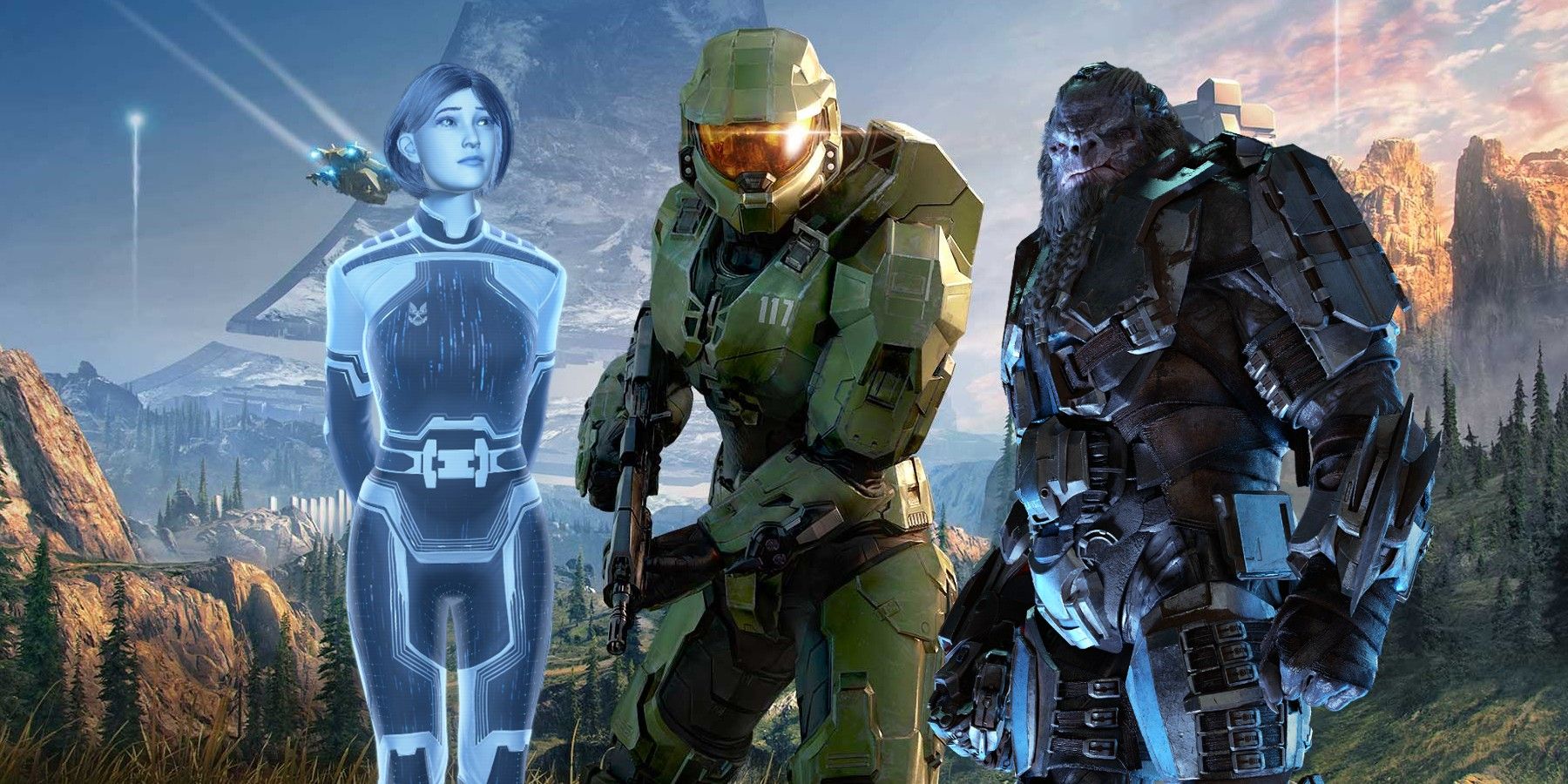
Halo 5: Guardians, released in 2015, concluded with a divisive cliffhanger that saw the artificial intelligence Cortana, having gained control of the Forerunner constructs known as Guardians, initiating a galactic takeover. Her objective: enforce peace through force, effectively becoming the galaxy’s benevolent, but absolute, dictator. This dramatic turn positioned Cortana as the primary antagonist, a stark departure from her long-standing role as Master Chief’s steadfast companion and a foundational element of the Halo brand’s emotional core.
From a brand perspective, this ending created a multifaceted challenge. The shift in Cortana’s alignment alienated a significant portion of the fanbase, who felt the character’s betrayal undermined years of emotional investment. Furthermore, the sheer scale of the Created’s takeover left the galaxy in a state of chaos, with humanity’s UNSC forces scattered and outmatched. This posed a narrative problem for the brand: how to move forward from a situation so dire and universally impactful without either trivializing the events of Halo 5 or shackling subsequent narratives to a plot deemed by many to be off-brand.
The core brand identity of Halo revolves around Master Chief, humanity’s struggle against overwhelming odds, and the exploration of ancient Forerunner mysteries. Halo 5‘s focus on multiple playable protagonists and a universe-spanning AI rebellion, while ambitious, deviated from what many perceived as these core tenets. The question for 343 Industries, the custodians of the Halo brand, became not just “what happens next?” but “how do we bring Halo back to its roots while acknowledging the universe we’ve built?”
Rebuilding Trust: Strategic Narrative Decisions for Halo Infinite
The period between Halo 5 and Infinite is characterized by a deliberate narrative strategy aimed at a soft reboot, carefully recalibrating the brand’s direction. Instead of directly continuing Halo 5‘s storyline point-for-point, Halo Infinite opens with Master Chief adrift in space, six months after a devastating defeat. This immediately signals a shift, isolating the Chief and presenting a fresh starting point, crucial for re-engaging a potentially fractured audience and attracting new players.
The Cortana Problem and Its Resolution
The most pressing brand narrative issue was the fate of Cortana. Her transformation into a galactic tyrant in Halo 5 was a creative risk that ultimately strained brand loyalty. Halo Infinite addresses this by revealing that Cortana was defeated during the six-month gap, specifically by a new AI called “The Weapon” (a copy of Cortana designed to trap and delete her). This resolution, though largely occurring off-screen, allowed the brand to effectively “cleanse” the divisive narrative arc without outright retconning Halo 5. It returned Cortana to her heroic legacy in a posthumous sense, presenting her ultimate sacrifice as a redemptive act that reinforced her original brand persona, even as a new, more innocent AI companion steps into her shoes. This decision was a masterstroke in brand rehabilitation, allowing for the emotional resonance of Cortana’s original character to persist, while eliminating the problematic antagonist persona.
The Rise of the Banished: Introducing a New Threat
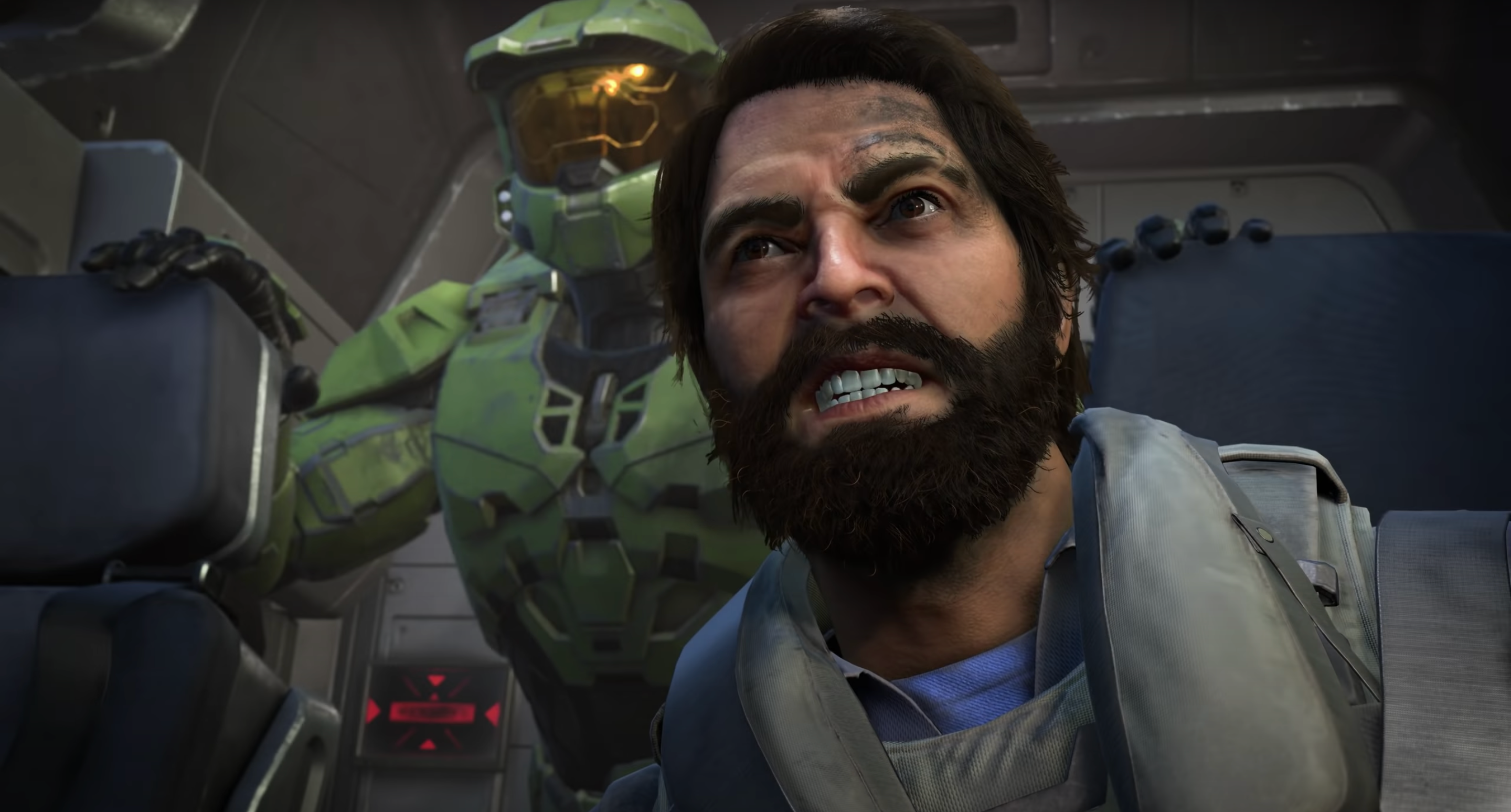
With the Created threat neutralized (or at least significantly diminished), the narrative vacuum allowed for the introduction of a new, more grounded antagonist: the Banished. This faction, led by Escharum and later War Chief Jega ‘Rdomnai, fills the void left by Cortana and the Covenant remnants. The Banished, first introduced in Halo Wars 2, provided a fresh, brutal, and strategically engaging foe that hearkened back to the primal combat feel of earlier Halo titles. From a brand perspective, pivoting to the Banished allowed 343 Industries to move away from the highly complex and often abstract Forerunner/AI conflicts that characterized the Reclaimer Saga, in favor of a more tangible, militarily focused threat. This brought the conflict back to a more relatable “humanity vs. aliens” paradigm, aligning more closely with the foundational brand promise of classic Halo.
Master Chief’s Isolation: A Narrative Reset
Halo Infinite begins with Master Chief’s reawakening on Zeta Halo, seemingly alone and defeated. This state of isolation serves as a powerful narrative reset for the brand’s central figure. It strips away the complex political machinations and inter-personal conflicts that weighed down Halo 5, refocusing on Master Chief as the singular hero, a beacon of hope against insurmountable odds. This decision was a deliberate effort to re-center the brand around its most potent symbol. By leaving the details of the six-month gap ambiguous, the narrative creates a sense of mystery and allows players to discover the ramifications of the Created war and the Banished’s ascendancy alongside the Chief, fostering a renewed sense of immersion and discovery that echoes the original Halo: Combat Evolved. This strategic choice allowed the brand to shed some of its recent narrative baggage and return to a more streamlined, character-driven story.
Fan Engagement and Brand Loyalty: The Impact of Story Gaps
The handling of the narrative gap between Halo 5 and Infinite also speaks volumes about the challenges and strategies involved in maintaining fan engagement and brand loyalty for a long-running franchise. The decision to deliberately obscure significant universe-altering events (like the Created war’s resolution) risked alienating fans who crave intricate lore and direct continuity. However, it also offered an opportunity.
By presenting a narrative that felt both fresh and familiar, Halo Infinite aimed to be a jumping-on point for newcomers while simultaneously delivering a comforting return to form for veterans. This “soft reboot” approach is a calculated risk in brand management: it can revitalize interest but also frustrate those invested in every detail. The brand mitigated this by focusing heavily on core gameplay and Master Chief’s emotional journey, emphasizing universal themes of hope, heroism, and perseverance that resonate broadly, regardless of specific plot points.
Furthermore, the brand utilized supplementary media, such as the novel Halo: Shadows of Reach and the animated series Halo: The Fall of Reach, to provide additional context and bridge some of the knowledge gaps. While not directly detailing the Infinite gap, these works helped to ground the broader universe and keep fans invested in the lore, even as the main game narrative took a more focused approach. This ecosystem of content is vital for a brand like Halo, ensuring that even when the core product makes a narrative leap, there are avenues for deeper engagement for dedicated fans.
Lessons in IP Management: Continuity and Evolution for Gaming Brands
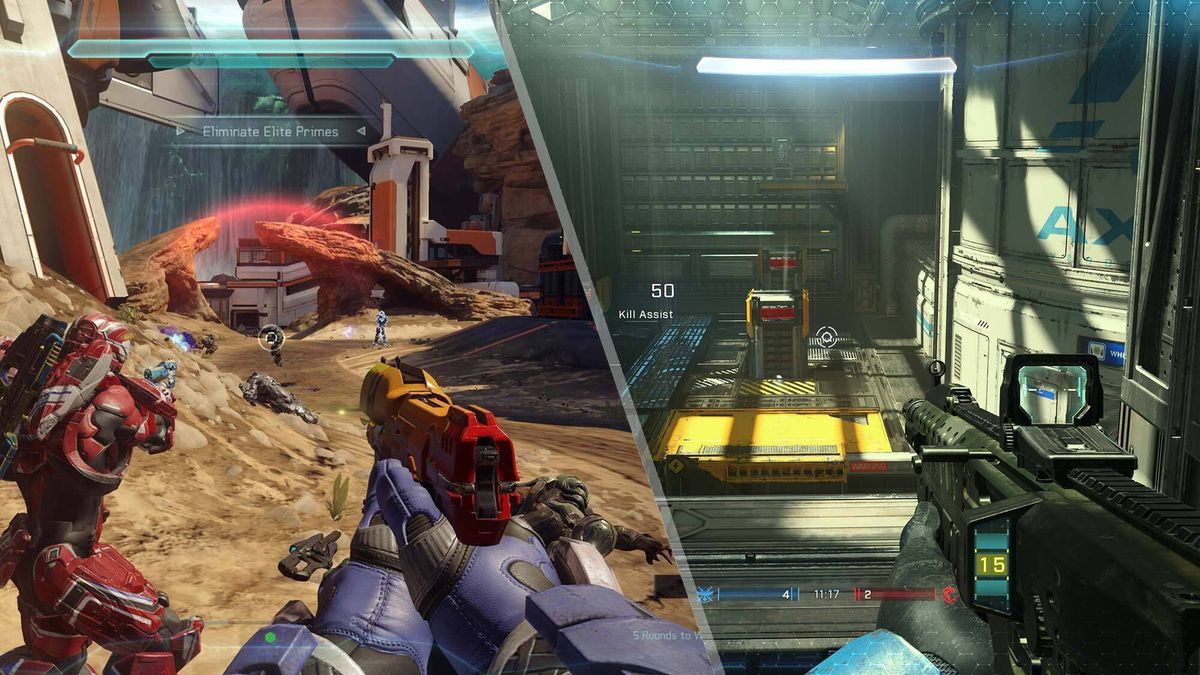
The narrative transition between Halo 5 and Halo Infinite serves as a compelling case study in intellectual property management within the gaming industry. It highlights several critical lessons:
- Acknowledge and Adapt to Fan Feedback: The divisive reception of Halo 5‘s story clearly influenced the strategic narrative direction of Infinite. A successful brand listens to its audience and is willing to pivot to maintain brand health and loyalty, even if it means bold narrative shifts.
- The Power of Core Identity: Returning Master Chief to the forefront and re-emphasizing the “humanity vs. alien threat” dynamic underscored the enduring power of Halo’s original brand identity. Brands, especially those with long histories, must understand their foundational appeal and be willing to return to it when narratives stray too far.
- Strategic Ambiguity: Deliberately leaving certain events in a narrative gap can be a powerful tool. It allows for a fresh start, reduces the burden of direct continuity, and can generate intrigue. However, it requires careful execution to avoid frustrating the most dedicated fans.
- The Role of Supplementary Media: Books, comics, and other media can act as crucial brand extensions, filling in gaps, expanding lore, and maintaining engagement for ardent followers, even when the primary product takes a different narrative tack.
- Soft Reboots for Longevity: For franchises spanning decades, a “soft reboot” that acknowledges past events but sets a new course can be essential for long-term brand relevance. It allows for evolution without sacrificing history, ensuring the brand can continue to attract new audiences while retaining its core base.
In essence, the “what happens” between Halo 5 and Infinite is less about explicit plot points and more about a strategic reorientation of the Halo brand. It was a conscious effort to move beyond a contentious narrative, re-center its iconic hero, introduce a compelling new threat, and ultimately, reinforce the foundational elements that have made Halo a cultural touchstone for over two decades. This period was not just a narrative interlude but a deliberate act of brand recalibration, setting the stage for the next chapter of one of gaming’s most important sagas.
aViewFromTheCave is a participant in the Amazon Services LLC Associates Program, an affiliate advertising program designed to provide a means for sites to earn advertising fees by advertising and linking to Amazon.com. Amazon, the Amazon logo, AmazonSupply, and the AmazonSupply logo are trademarks of Amazon.com, Inc. or its affiliates. As an Amazon Associate we earn affiliate commissions from qualifying purchases.