
In the increasingly digital landscape of personal finance, platforms like PayPal have become indispensable tools for managing transactions, receiving payments, and making purchases. For millions globally, PayPal functions as a virtual wallet, holding funds crucial for daily operations and long-term financial planning. However, merely having an account isn’t enough; actively monitoring and understanding your PayPal balance is a cornerstone of effective financial management. This article delves into the critical importance of knowing your PayPal balance, detailing practical methods for accessing this information, and exploring how leveraging this knowledge can empower smarter financial decisions within the broader context of your personal finances.
The Indispensable Role of Knowing Your PayPal Balance in Personal Finance
Understanding your PayPal balance goes far beyond a simple curiosity; it is a fundamental pillar of sound personal financial management. In a world where digital transactions dominate, your PayPal account can represent a significant portion of your accessible funds, often acting as a bridge between various income streams and expenditure points. Neglecting to monitor this balance can lead to unexpected financial shortfalls, missed opportunities, or even security vulnerabilities that impact your overall fiscal health.
Beyond Just a Number: Why Balance Visibility Matters
Your PayPal balance isn’t merely a static figure; it’s a dynamic indicator of your immediate financial liquidity within that ecosystem. For freelancers receiving payments, small business owners managing sales, or individuals using it for online shopping and bill payments, this balance reflects available funds that can be allocated, spent, or saved. Consistent visibility into this number enables proactive financial decision-making. It allows you to quickly assess if you have sufficient funds for an anticipated purchase, whether a received payment has cleared, or if you need to transfer funds from an external bank account to cover an upcoming expense.
More critically, regular checks help in identifying discrepancies. An unexpected low balance might signal an unauthorized transaction, while a higher-than-expected figure could point to a forgotten refund or a payment you weren’t tracking. This immediate feedback loop is invaluable for maintaining accuracy in your financial records and safeguarding your assets against potential fraud or errors. Without this vigilance, you risk operating with an incomplete picture of your financial standing, which can lead to budgeting inaccuracies and unforeseen financial stress.
Integrating PayPal Balances into Your Budgeting Strategy
Effective budgeting is the bedrock of financial stability, and for many, PayPal plays a significant role in both income and expenditure. Ignoring your PayPal balance when creating or reviewing your budget is akin to leaving a significant portion of your wallet unaccounted for. Integrating this balance ensures a holistic view of your financial resources.
Consider a budget that allocates specific amounts for online shopping, digital subscriptions, or professional services – many of which are settled via PayPal. By regularly checking your PayPal balance, you can compare your actual available funds against your budgeted allocations. If your balance is lower than anticipated, you might adjust your spending in other categories or plan a transfer from your bank account. Conversely, a surplus might allow for additional savings or investment.
For those who use PayPal to receive income (e.g., from freelancing platforms, online sales, or client payments), understanding the timing and amount of these incoming funds as reflected in your PayPal balance is crucial for forecasting cash flow. It helps you accurately project your monthly income and plan how to allocate those earnings across various budget categories, from essential bills to discretionary spending and savings goals. Ultimately, incorporating PayPal into your budgeting strategy transforms it from an isolated payment tool into an active, contributing component of your comprehensive financial plan.
Practical Methods for Accessing Your PayPal Funds Information
PayPal has designed its platform with user convenience in mind, offering multiple intuitive ways to access your balance information, catering to different preferences and scenarios. Whether you’re at your desktop, on the go, or needing a detailed financial review, accessing your balance is a straightforward process.
Desktop Dashboard: Your Comprehensive Financial Hub
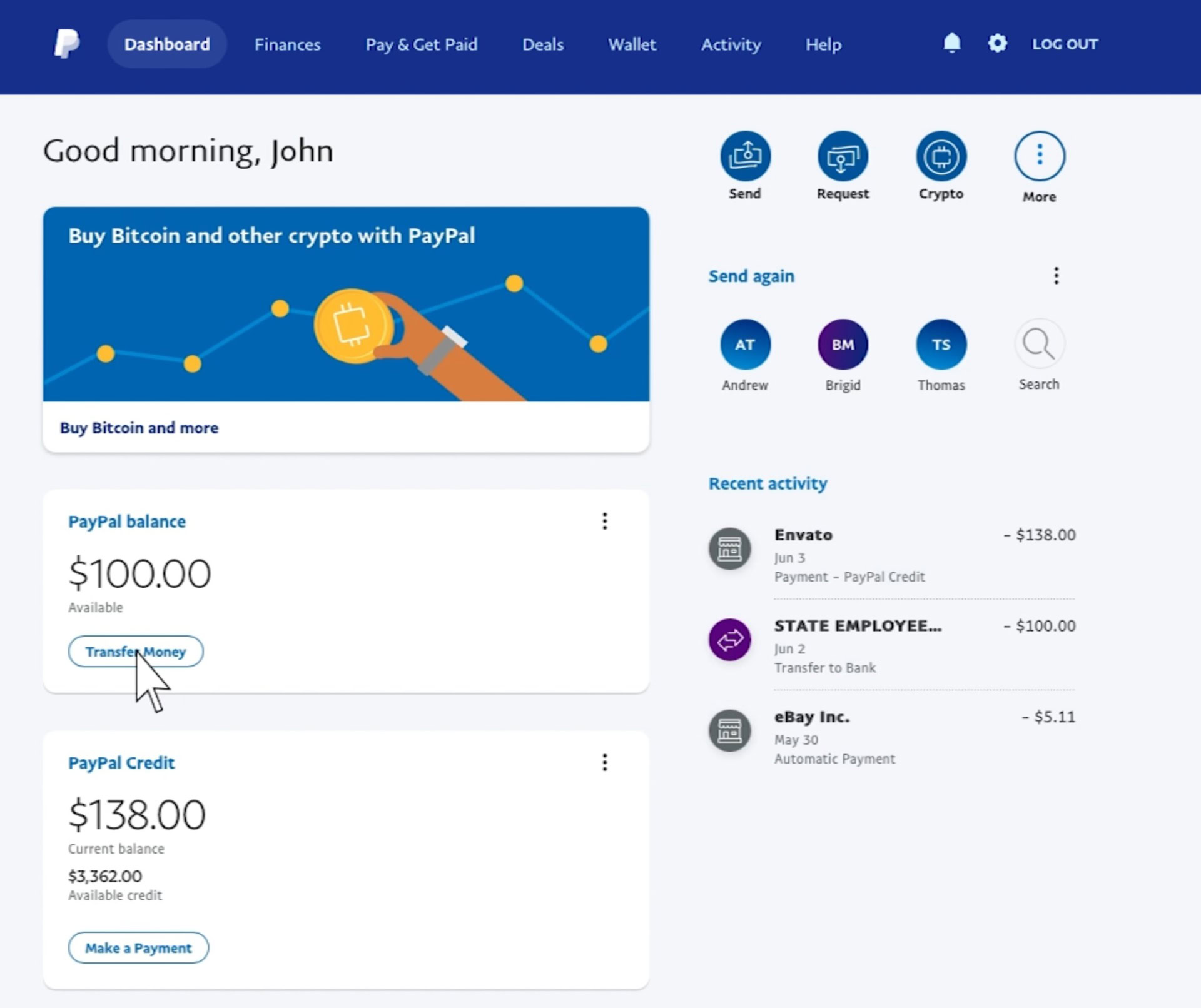
The most robust and detailed way to view your PayPal balance and manage your account is through the desktop website. Upon logging into your PayPal account via a web browser, your PayPal balance is prominently displayed on the Summary page, usually on the left-hand side or near the top of the main dashboard. This is your primary financial hub, designed to give you an immediate overview of your funds.
Beyond the main balance, the desktop dashboard provides access to a wealth of other financial data. You can often see separate balances if you hold funds in different currencies, pending transactions that affect your future balance, and recent activity that explains changes in your balance. From this central location, you can initiate transfers to your bank account, send money, request payments, and delve into detailed transaction histories – all critical actions for managing your funds effectively. The desktop experience offers a comprehensive financial snapshot, allowing for in-depth analysis of your income and expenditure patterns over time, which is invaluable for personal financial planning and reconciliation.
Mobile App Convenience: Managing Money on the Go
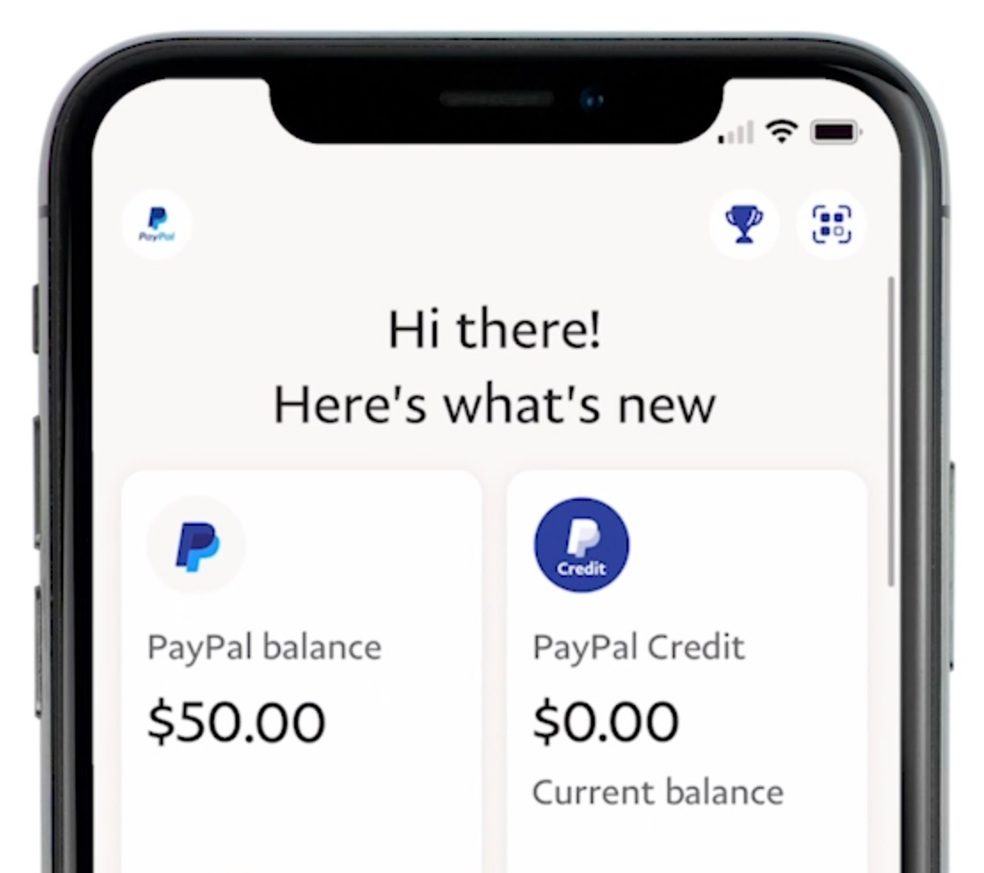
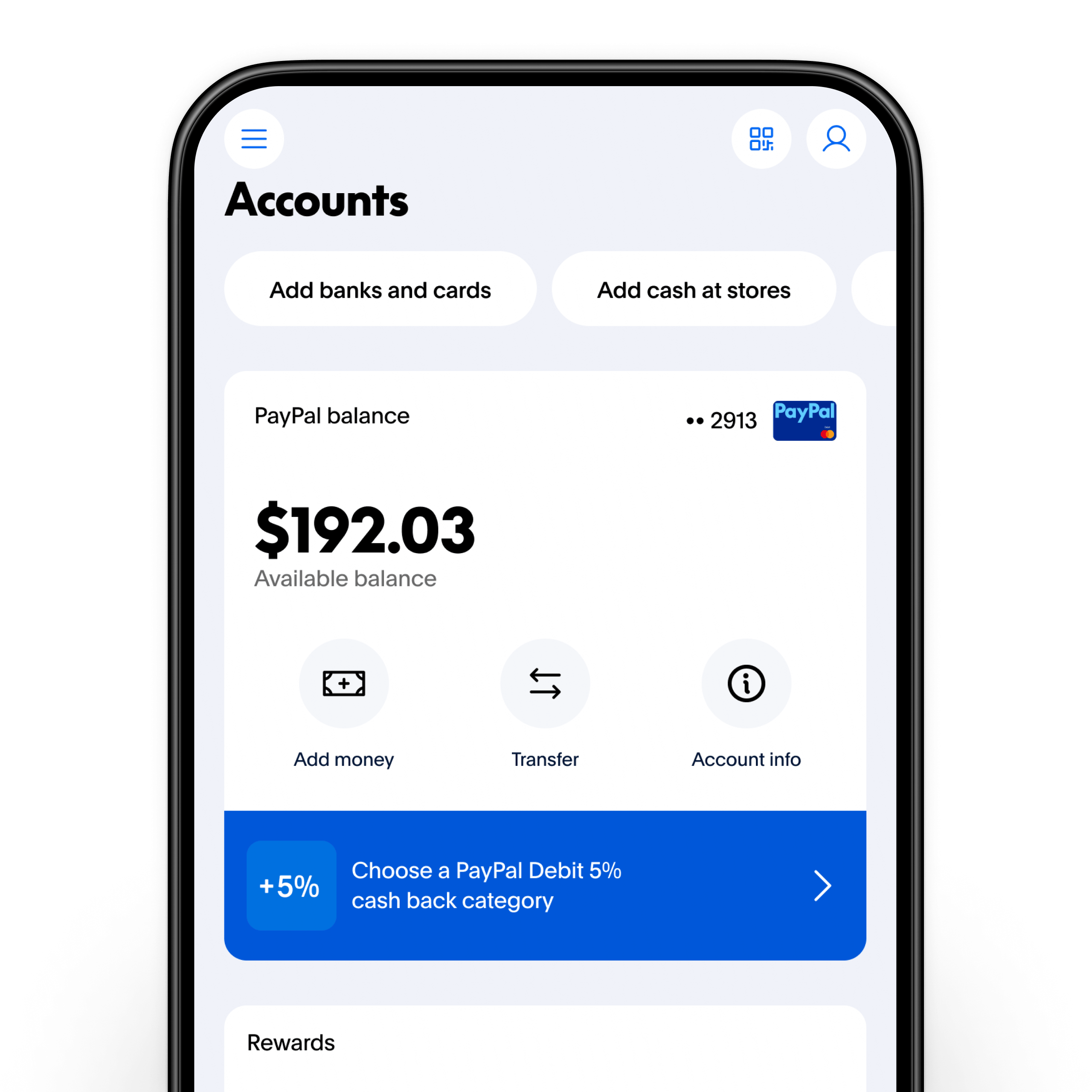
For those who prefer managing their finances anytime, anywhere, the PayPal mobile app is an indispensable tool. Available for both iOS and Android devices, the app provides a streamlined, user-friendly interface for quick balance checks and essential transactions. After downloading the app and logging in, your primary PayPal balance is typically displayed front and center on the app’s home screen or dashboard.
The mobile app offers a condensed but highly functional view of your financial standing. You can quickly see your current available funds, view recent activity to understand immediate balance changes, and perform critical actions like sending or requesting money, making payments, and initiating transfers to your linked bank accounts. While the desktop version might offer more comprehensive reporting, the mobile app excels in providing instant access and facilitating on-the-spot financial decisions, such as confirming funds before an online purchase or checking if a client payment has arrived while you’re away from your computer. Its convenience makes it a powerful tool for day-to-day financial monitoring and agile fund management.
Transaction History: A Deeper Dive into Your Financial Flow
While the main balance gives you the current snapshot, your Transaction History provides the narrative behind that number. Accessing your transaction history, whether on the desktop or mobile app, allows you to review every movement of funds into and out of your PayPal account. This detailed log is more than just a record; it’s a vital tool for financial reconciliation and understanding your spending habits and income sources.
On the desktop, you can usually find this by navigating to the “Activity” or “History” tab. Here, you can apply filters by date, transaction type, or specific individuals/merchants to pinpoint exact transactions. This allows you to verify that all expected payments have been received, that all expenditures are legitimate, and to categorize your spending for budgeting purposes. For instance, if you’re trying to understand why your balance is lower than expected, reviewing recent transactions can quickly reveal a forgotten subscription payment or a larger-than-anticipated purchase.
The transaction history is also invaluable for tax purposes, allowing you to easily export records of income and expenses related to your business or freelance activities. By regularly reviewing this financial flow, you gain deeper insights into your cash flow patterns, empowering you to make more informed decisions about saving, spending, and investing. It transforms your PayPal account from a simple payment gateway into a robust ledger of your digital financial life.
Leveraging Your PayPal Balance for Smarter Financial Decisions
Knowing your PayPal balance is merely the first step; the true value lies in how you use that knowledge to make more informed and strategic financial decisions. Integrating this information into your broader financial strategy can significantly enhance your control over your money, mitigate risks, and optimize your financial outcomes.
Identifying and Preventing Unauthorized Transactions
One of the most critical reasons to regularly check your PayPal balance and review your transaction history is to protect yourself against financial fraud and unauthorized activity. In the digital age, cybersecurity threats are ever-present, and a compromised PayPal account can lead to significant financial losses.
By promptly identifying discrepancies, such as payments you don’t recall making or unexpected withdrawals, you can act quickly. PayPal has robust buyer and seller protection policies, but timely reporting is key. If you spot an unauthorized transaction, reporting it immediately to PayPal can prevent further financial damage and increase the likelihood of recovering lost funds. Regular monitoring also helps you detect smaller, recurring fraudulent charges that might otherwise go unnoticed, slowly draining your account over time. This proactive approach transforms balance checking from a passive activity into an active security measure, safeguarding your hard-earned money.
Optimizing Fund Transfers and Withdrawals
Understanding your PayPal balance allows you to optimize how you transfer funds between PayPal and your linked bank accounts. For instance, if you rely on PayPal for business income, knowing your current balance helps you determine the optimal time to withdraw funds to cover operational expenses or to transfer profits into savings or investment accounts.
Conversely, if your PayPal balance is running low and you anticipate upcoming purchases or payments, you can proactively transfer funds from your bank to avoid declined transactions or delays. This strategic management prevents reliance on overdrafts or credit, which can incur unnecessary fees and negatively impact your financial health. By timing transfers strategically, you can ensure liquidity where and when it’s needed most, making your money work more efficiently for you. Furthermore, understanding PayPal’s fees for different types of transfers (e.g., instant vs. standard) based on your balance can help you choose the most cost-effective option for your financial goals.
Understanding Different Balance Types: Pending vs. Available
A crucial aspect of managing your PayPal funds involves distinguishing between different types of balances, primarily “pending” and “available.” A pending balance refers to funds that have been sent to you but are not yet accessible for immediate use. This could be due to a buyer’s eCheck needing to clear, PayPal’s security review process for certain transactions, or hold periods for new sellers. An available balance, on the other hand, represents the funds you can immediately use for spending, sending, or withdrawing.
Understanding this distinction is vital for accurate financial planning. Relying on pending funds as if they were available can lead to cash flow problems or bounced payments. By regularly checking your balance and understanding which funds are truly “available,” you can avoid financial surprises and make realistic spending or transfer decisions. This insight is particularly important for individuals and businesses that rely on PayPal for a significant portion of their income, enabling them to forecast their accessible cash flow accurately and manage their operational finances more effectively.
Maximizing PayPal as a Component of Your Overall Financial Toolkit
In the grand scheme of personal finance, PayPal is more than just a transaction facilitator; it’s a versatile financial tool that, when integrated thoughtfully, can significantly contribute to your broader financial health. By understanding its capabilities and employing best practices, you can maximize its utility within your personal financial toolkit.
Using PayPal for Income, Expenses, and Savings Goals
PayPal’s functionality extends to various facets of your financial life. For income, it’s a common platform for freelancers, online sellers, and gig economy workers to receive payments efficiently. Tracking these incoming funds against your balance helps validate earnings and ensures you’re compensated accurately for your work. For expenses, PayPal facilitates secure online purchases, subscription payments, and even bill payments, allowing you to categorize these expenditures within your budget.
Beyond income and expenses, PayPal can indirectly support savings goals. By having a clear view of your available funds, you can decide to transfer a portion of your PayPal balance to a dedicated savings account each month, contributing to your emergency fund, retirement savings, or specific financial objectives. While PayPal itself might not be an interest-bearing savings account, its role as a conduit for managing transaction funds makes it an integral part of your financial flow that, if managed prudently, can free up funds for investment and savings.
Security Best Practices for Protecting Your Digital Wallet
The convenience of PayPal comes with the responsibility of safeguarding your digital assets. Protecting your PayPal balance means adhering to stringent security best practices. Always use a strong, unique password for your PayPal account, distinct from passwords used on other sites. Enable two-factor authentication (2FA) for an added layer of security, requiring a code from your mobile device in addition to your password.
Be vigilant against phishing attempts; PayPal will never ask for your password or sensitive financial details via unsolicited emails or texts. Always access your account directly through the official website or app, not through links in suspicious messages. Regularly review your transaction history for any unauthorized activity and promptly report anything suspicious. By adopting these measures, you significantly reduce the risk of your account being compromised, ensuring your PayPal balance remains secure and accessible only to you.
Troubleshooting Common Balance-Related Queries
Despite its user-friendly design, users occasionally encounter questions or issues regarding their PayPal balance. Common queries might include why funds are pending, why a payment hasn’t appeared, or why a balance seems incorrect. The first step in troubleshooting is always to check your transaction history and account notifications, as these often explain the situation (e.g., a payment review, an eCheck clearing period, or a refund processing).
If a solution isn’t immediately apparent, PayPal’s comprehensive Help Center is an excellent resource, offering detailed articles and FAQs. For more complex issues, directly contacting PayPal customer service via their website, phone, or secure messaging system is advisable. Providing clear details of your query, including dates and transaction IDs, will expedite the resolution process. Understanding how to navigate these common balance-related issues ensures that you can maintain uninterrupted control over your funds and receive timely support when needed, solidifying PayPal’s role as a reliable component of your financial ecosystem.
Conclusion
The ability to effectively manage your personal finances in the digital age hinges on a clear understanding of all your financial accounts, and your PayPal balance is no exception. By consistently checking your balance through desktop or mobile platforms, delving into your transaction history, and understanding the nuances of available versus pending funds, you empower yourself with the knowledge needed for smarter financial decisions. This proactive approach not only helps in budgeting and optimizing fund transfers but also serves as a crucial defense against fraud, ultimately solidifying PayPal’s role as an invaluable and secure component of your comprehensive financial toolkit. In the intricate dance of modern money management, knowing your PayPal balance isn’t just a convenience; it’s a financial imperative.
aViewFromTheCave is a participant in the Amazon Services LLC Associates Program, an affiliate advertising program designed to provide a means for sites to earn advertising fees by advertising and linking to Amazon.com. Amazon, the Amazon logo, AmazonSupply, and the AmazonSupply logo are trademarks of Amazon.com, Inc. or its affiliates. As an Amazon Associate we earn affiliate commissions from qualifying purchases.