
Navigating the complexities of student loans can often feel like deciphering a secret code, and one of the most fundamental pieces of information – who actually manages your loan – is surprisingly elusive for many borrowers. Finding your student loan servicer isn’t just a bureaucratic formality; it’s a critical step toward understanding your financial obligations, exploring repayment options, and ultimately, successfully managing your debt.
Many individuals assume their lender is their servicer, but this isn’t always the case, especially with federal student loans. The lender (often the U.S. Department of Education for federal loans, or a bank for private loans) is the entity that provided the money. The servicer, however, is the company hired to handle the day-to-day administration of your loan, including sending bills, processing payments, and assisting with repayment plans. Without knowing who your servicer is, you can’t make payments, update your contact information, or access crucial support. This guide will demystify the process, providing a clear roadmap to identify your student loan servicer and empower you to take control of your financial future.
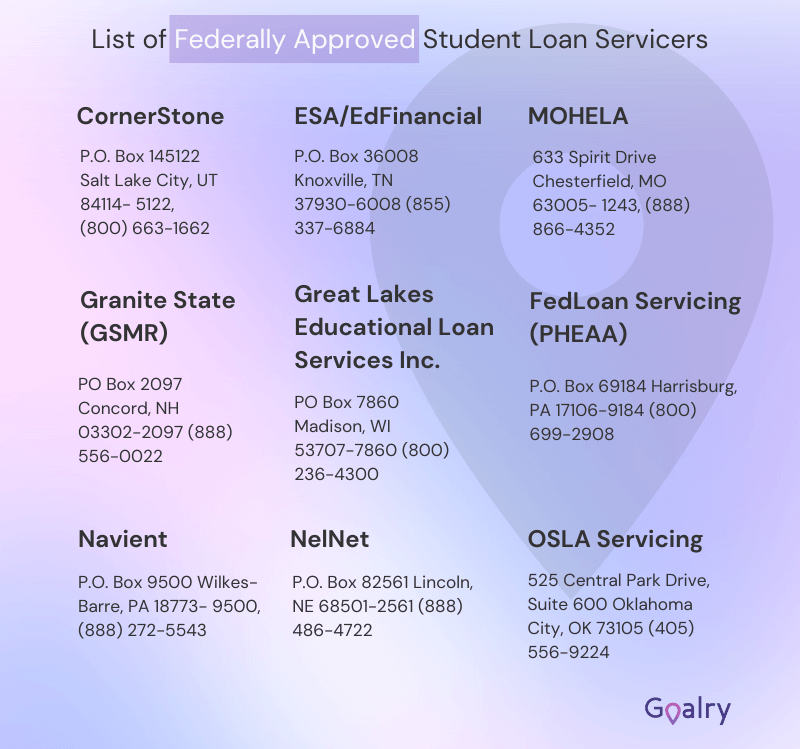
The Critical Role of Your Student Loan Servicer
Understanding what a student loan servicer is and why knowing yours is paramount forms the bedrock of effective loan management. These entities are not merely billing departments; they are your primary point of contact for virtually all aspects of your student loan journey.
What is a Student Loan Servicer?
A student loan servicer is a company that acts as an intermediary between you and your loan lender. For federal student loans, the U.S. Department of Education is the lender, but they contract with several private companies to manage the loans. These servicers handle all the administrative tasks:
- Sending monthly statements and payment reminders.
- Processing your payments.
- Keeping track of your loan balance and payment history.
- Helping you enroll in specific repayment plans (e.g., Income-Driven Repayment for federal loans).
- Assisting with deferment or forbearance requests.
- Providing customer support for any questions or issues related to your loan.
Essentially, if you have a question about your loan, need to make a payment, or are struggling to meet your obligations, your servicer is the first and often only point of contact.
Why Knowing Your Servicer is Crucial
The importance of knowing your student loan servicer cannot be overstated. Without this information, you are effectively flying blind when it comes to managing one of your most significant financial obligations.
- Timely Payments: You cannot make payments if you don’t know who to pay. Missing payments can lead to late fees, damage to your credit score, and eventually, default.
- Access to Repayment Options: Federal student loans offer a variety of income-driven repayment (IDR) plans, deferment, and forbearance options that can significantly ease your financial burden during difficult times. Your servicer is the gateway to accessing these programs.
- Loan Forgiveness Programs: If you’re pursuing Public Service Loan Forgiveness (PSLF) or other federal forgiveness programs, your servicer plays a vital role in tracking your eligible payments and certifying your employment.
- Consolidation and Refinancing: Whether you’re considering consolidating federal loans to simplify payments or refinancing private loans for a lower interest rate, you’ll need your servicer’s details to proceed.
- Avoiding Default: Proactive communication with your servicer if you anticipate payment difficulties can prevent your loan from going into default, which carries severe financial penalties and long-term consequences.
In short, your servicer is your partner in managing your student debt. Knowing who they are and how to contact them is the first step toward responsible financial stewardship.
Distinguishing Federal vs. Private Loan Servicers
It’s important to remember that the process for finding your servicer, and indeed the rules governing your loans, can differ significantly depending on whether your loans are federal or private.
- Federal Student Loans: These are issued by the U.S. Department of Education and serviced by a limited number of contracted companies (e.g., Nelnet, MOHELA, Edfinancial, Aidvantage). They offer various borrower protections and flexible repayment plans.
- Private Student Loans: These are issued by banks, credit unions, or other private financial institutions. They typically have fewer borrower protections and more rigid repayment terms. Their servicers are often the same institution that originated the loan, or a specific department within it.
The methods outlined below will guide you through finding both types of servicers, but understanding this distinction is key to anticipating what kind of support and options will be available to you.
Primary Methods to Identify Your Federal Student Loan Servicer
For federal student loans, there’s a centralized system designed to help you track your entire loan portfolio. This is generally the most reliable and efficient way to find your federal servicer.
The National Student Loan Data System (NSLDS) – Your First Stop
The National Student Loan Data System (NSLDS) was historically the primary database for federal student aid. While NSLDS is still the central repository, individual borrowers now access this information directly through the Federal Student Aid website, StudentAid.gov. This should be your absolute first stop for any federal loan inquiries.
- Create or Retrieve Your FSA ID: An FSA ID (Federal Student Aid ID) is your username and password that serves as your electronic signature and allows you to access your federal student aid information. If you don’t have one, you’ll need to create one on StudentAid.gov. If you’ve filled out the FAFSA in the past, you likely already have an FSA ID. Ensure you have access to the email address or phone number associated with your FSA ID for verification purposes.
- Log In to StudentAid.gov: Once you have your FSA ID, log in to StudentAid.gov.
- Access Your Dashboard: After logging in, navigate to your “My Aid” dashboard.
- View Loan Details: Here, you’ll see a comprehensive list of all your federal student loans, including the original loan amount, current balance, disbursement dates, and most importantly, the name of your current servicer(s) and their contact information.
This portal provides a complete and up-to-date picture of all your federal student loans, even if they have been transferred between servicers.
Reviewing Your Credit Report
Your credit report is another valuable, albeit less direct, resource for identifying your student loan servicers, for both federal and private loans. All major loans, including student loans, are typically reported to the three major credit bureaus: Equifax, Experian, and TransUnion.
- Obtain Your Free Credit Report: You are entitled to one free credit report from each of the three major credit bureaus annually via AnnualCreditReport.com. This is the only official, free source for your reports.
- Scrutinize the Loan Accounts Section: Once you have your reports, look for sections detailing “installment loans” or “student loans.” Each loan account listed will typically include the name of the lender or the servicer, the loan amount, and your payment history.
- Identify Servicer Names: Note down the names of the companies listed as holding or servicing your student loan accounts.
While credit reports are useful, be aware that they might not always be perfectly up-to-date, especially if a loan has recently been transferred between servicers. However, they can provide clues if you’re having trouble with StudentAid.gov or if you suspect you have private loans you’ve forgotten about.
Checking Past Correspondence
Sometimes the simplest solution is the most overlooked. Your loan servicer will typically communicate with you, especially when your loan enters repayment.
- Physical Mail: Search through old financial documents, mail from your college years, or any official-looking letters related to student loans. Look for statements, payment coupons, or notices of loan disbursement.
- Email Inboxes: Check the email address you used when applying for student aid or during college. Search for terms like “student loan,” “payment,” “servicer,” or the names of common federal servicers. Loan servicers often send electronic statements and important updates.
- Bank Statements: If you’ve ever made a payment on your student loans, examine your bank account statements or online banking records. The payee for your payment will likely be your student loan servicer.
This method can be particularly helpful if you have older loans or if there’s a discrepancy with other information sources.
Strategies for Locating Your Private Student Loan Servicer
Private student loans do not appear on StudentAid.gov, making their identification a slightly different process. However, the methods often overlap with some of the techniques used for federal loans.
Contacting Your Original Lender
Private student loans are originated by banks, credit unions, or other private financial institutions. If you remember which bank gave you the loan, they are your first point of contact.
- Recall the Lender’s Name: Think back to which bank or financial institution you applied to for a private student loan. Common private lenders include Sallie Mae, Discover, Wells Fargo, Chase, and various credit unions.
- Reach Out to Their Customer Service: Call the customer service department of that financial institution. They should be able to look up your loan by your name and Social Security number and provide you with the name and contact information of the current servicer, even if it’s an internal department.
This is generally the most direct route for private loans.
Scrutinizing Your Credit Report (Again)
As mentioned for federal loans, your credit report is equally, if not more, vital for private loans. Private loans are consistently reported to credit bureaus.
- Utilize AnnualCreditReport.com: Obtain your free credit reports from all three bureaus.
- Identify Private Loan Accounts: Look for accounts listed under “student loans” that are not from the Department of Education or its contracted federal servicers. These will typically list the name of the private bank or financial institution that originated or is servicing the loan.
- Note Down Details: Pay attention to the account numbers and the reported servicer/lender names. This information will be crucial when contacting them.
Examining Bank Statements
If you’ve made payments on your private student loans, your bank statements are an excellent paper trail.
- Review Past Transactions: Go through your checking account statements or online banking history for previous years.
- Identify Payee Names: Look for recurring payments made to companies with names that sound like financial institutions or loan servicers. The payee name on your bank statement will directly indicate who you’ve been paying. This can also help you recall which bank originated the loan if you had forgotten.
What to Do Once You’ve Found Your Servicer
Once you’ve successfully identified your student loan servicer(s), the real work of managing your loans can begin. Don’t stop at just knowing the name; take proactive steps to ensure smooth sailing.
Create an Online Account
The very first action you should take is to visit your servicer’s website and create an online account. This usually requires your loan account number (which you can often find on your credit report or StudentAid.gov) and your Social Security number. An online account provides:
- 24/7 Access: View your loan details, payment history, statements, and correspondence at any time.
- Payment Management: Easily set up automatic payments, make one-time payments, or change payment dates.
- Application Hub: Apply for repayment plans, deferment, or forbearance directly through the portal.
- Secure Communication: Send secure messages to customer service and receive electronic notifications.
Understand Your Loan Details
Take the time to thoroughly review all the details of your loan(s) through your servicer’s portal. This includes:
- Loan Type: Is it a Stafford, Perkins, PLUS, or a private loan?
- Current Balance: The total amount you owe.
- Interest Rate: Fixed or variable? How much interest accrues?
- Repayment Plan: What plan are you currently on, and when is your next payment due?
- Terms and Conditions: Understand the fine print of your loan agreement.
A clear understanding of these details is essential for effective financial planning.
Explore Repayment Options
If you have federal student loans, your servicer can help you explore various repayment options that might better suit your financial situation.
- Income-Driven Repayment (IDR) Plans: These plans (REPAYE, PAYE, IBR, ICR) adjust your monthly payment based on your income and family size, potentially making payments more affordable and even leading to loan forgiveness after a certain period.
- Deferment and Forbearance: These options allow you to temporarily pause or reduce your payments during periods of financial hardship, unemployment, or certain life events. While interest may still accrue, these can prevent default.
- Loan Consolidation: Your servicer can guide you through the process of consolidating multiple federal loans into a single Direct Consolidation Loan, simplifying payments and potentially opening doors to additional IDR plans or PSLF.
Don’t hesitate to contact your servicer to discuss these options if you’re struggling or want to optimize your repayment strategy.
Stay Proactive and Communicate
Effective student loan management is an ongoing process.
- Make Timely Payments: Set up autopay to ensure you never miss a payment and potentially qualify for a small interest rate reduction.
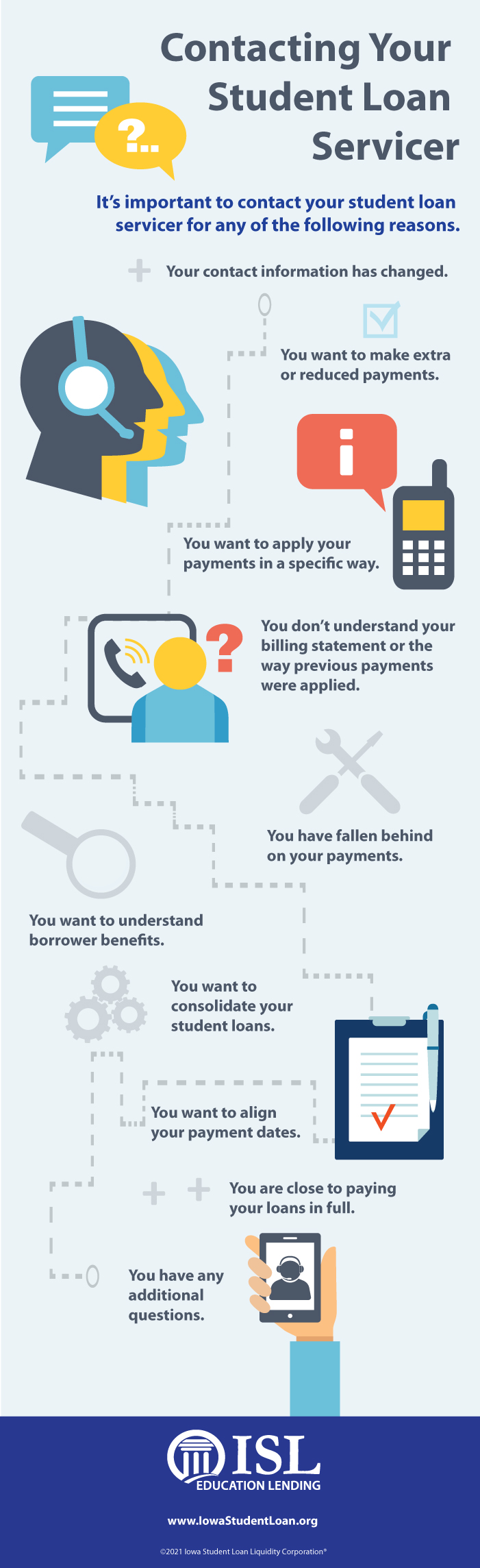
- Update Contact Information: Ensure your servicer always has your current address, email, and phone number to receive important updates.
- Communicate Challenges: If you anticipate difficulty making a payment, contact your servicer before you miss one. They are there to help and can discuss available relief options. Ignoring the problem will only make it worse.
Common Challenges and Troubleshooting
Even with the right tools, you might encounter bumps in the road. Knowing how to troubleshoot common issues can save you time and stress.
Servicer Changes and Transfers
It’s not uncommon for student loan servicers to change. The U.S. Department of Education sometimes transfers federal loans from one servicer to another. When this happens:
- Expect Notification: Both your old and new servicers are required to notify you in writing (via mail or email) about the transfer.
- New Account Information: Your account number and login credentials with the new servicer will likely change.
- Monitor Payments: Ensure your payments are correctly routed to the new servicer. If you had autopay set up, you might need to re-establish it with the new servicer.
- Update Records: Keep records of all communication regarding the transfer.
Dealing with Multiple Servicers
It’s common for borrowers to have multiple student loans, which may be managed by different servicers. For example, you might have federal loans with Nelnet and a private loan with Discover.
- Individual Accounts: You’ll need to create separate online accounts and manage each loan with its respective servicer.
- Consolidation Considerations: If you have multiple federal loans, Direct Loan Consolidation can simplify this by combining them under one servicer. For private loans, refinancing can achieve a similar effect by combining them with a new private lender.
Resolving Discrepancies or Issues
If you find discrepancies in your loan information or encounter issues with your servicer:
- Contact Your Servicer Directly: Start by reaching out to your servicer’s customer service. Be clear, concise, and have all relevant documentation ready.
- Escalate if Necessary: If your issue isn’t resolved, ask to speak with a supervisor.
- File a Complaint: If you’re still not getting satisfaction, you can file a complaint with:
- The Federal Student Aid Ombudsman Group: For federal student loan issues.
- The Consumer Financial Protection Bureau (CFPB): For both federal and private student loan complaints.
- Your State Attorney General’s Office: For consumer protection issues.
Always keep detailed records of all communication, including dates, names of representatives, and summaries of conversations.

Conclusion
Finding your student loan servicer is a foundational step in taking command of your financial future. Whether you have federal or private loans, the tools and strategies outlined in this guide—from leveraging StudentAid.gov and your credit report to reviewing past correspondence—provide a clear path to identifying the company responsible for your loan.
Once identified, proactive engagement with your servicer, including setting up an online account, understanding your loan terms, exploring repayment options, and maintaining open communication, will empower you to manage your debt effectively. Student loan debt can be a significant burden, but by understanding who your servicer is and how to work with them, you transform a daunting challenge into a manageable journey toward financial freedom. Take that first step today, and gain the clarity and control you need over your student loans.
aViewFromTheCave is a participant in the Amazon Services LLC Associates Program, an affiliate advertising program designed to provide a means for sites to earn advertising fees by advertising and linking to Amazon.com. Amazon, the Amazon logo, AmazonSupply, and the AmazonSupply logo are trademarks of Amazon.com, Inc. or its affiliates. As an Amazon Associate we earn affiliate commissions from qualifying purchases.