
The seemingly simple question, “how much is a pill?”, unravels a dense tapestry of economic factors, healthcare policies, and personal finance decisions. For millions worldwide, the cost of prescription medication is not just a line item on a budget, but a significant determinant of their health and financial well-being. From life-saving drugs to common antibiotics, the price tag attached to each tiny dose can vary wildly, influenced by an intricate web of pharmaceutical research, manufacturing, distribution, insurance models, and market dynamics. Understanding this complexity is the first step toward navigating the often-opaque world of medication pricing and making informed financial choices for your health.

The Multifaceted Nature of Pharmaceutical Pricing
The price you pay for a single pill at the pharmacy counter is the culmination of an extensive and often expensive journey from concept to consumer. It’s rarely a straightforward calculation of ingredients plus profit. Instead, it embodies a delicate balance of innovation incentives, market competition, regulatory hurdles, and healthcare system structures.
Research, Development, and Approval Expenses
Before a pill ever reaches a patient, it undergoes an arduous and astronomically expensive process of research and development (R&D). Pharmaceutical companies invest billions into discovering new compounds, conducting rigorous clinical trials to prove efficacy and safety, and navigating stringent regulatory approval processes like those mandated by the FDA in the United States or the EMA in Europe.
- Discovery & Pre-clinical Testing: Identifying potential drug candidates, often involving years of laboratory research.
- Clinical Trials: Three phases of human testing (Phase I for safety, Phase II for efficacy, Phase III for large-scale confirmation) that can take 6-10 years and involve thousands of patients.
- Regulatory Approval: Compiling vast amounts of data for submission to regulatory bodies, a process that can take another 1-2 years and significant legal and administrative resources.
The success rate for new drugs is remarkably low, meaning the costs of many failed projects are effectively absorbed into the pricing of the few that make it to market. This high upfront investment is a primary justification cited by manufacturers for high initial drug prices.
Manufacturing, Distribution, and Marketing Overheads
Once approved, a drug must be manufactured, packaged, distributed, and marketed. Each step adds to the final cost.
- Manufacturing: Production facilities must adhere to strict quality controls and Good Manufacturing Practices (GMPs), which are costly to maintain and operate. The scale of production (e.g., small batches for rare diseases versus mass production for common ailments) also impacts unit cost.
- Distribution Chain: The journey from factory to pharmacy involves wholesalers, distributors, and logistics providers, each adding their margin. This complex supply chain ensures the safe and timely delivery of medications, but it comes at a price.
- Marketing and Sales: Pharmaceutical companies spend substantial sums on marketing, educating healthcare providers, and advertising to consumers. While often controversial, this expenditure is factored into the drug’s price, aimed at establishing market share and recouping R&D investments.
Market Exclusivity and Patent Protections
A critical factor enabling high drug prices, particularly for brand-name medications, is market exclusivity granted through patents. Patents typically last for 20 years from the date of filing, providing the innovator company with a period during which no generic versions of their drug can be legally sold. This monopoly allows the company to set prices without direct competition, aiming to recoup R&D costs and generate significant profits.
- Patent Cliff: The term used to describe the period when a drug’s patent expires, leading to a dramatic drop in price as generic versions enter the market.
- Evergreening: A controversial practice where pharmaceutical companies seek new patents on minor modifications to existing drugs to extend their market exclusivity, delaying generic competition.
Key Factors Driving Individual Prescription Costs
While the overarching economics explain the why behind drug prices, several immediate factors dictate the how much an individual patient pays at the pharmacy. Understanding these can empower consumers to make more financially prudent choices.
Generic vs. Brand-Name Medications
This is perhaps the most significant determinant of individual cost.
- Brand-Name Drugs: These are the original, patented medications, often carrying a premium price due to the R&D and marketing investments.
- Generic Drugs: Bioequivalent copies of brand-name drugs whose patents have expired. They contain the same active ingredients, dosage, strength, route of administration, and intended use. Crucially, they are typically 80-85% cheaper than their brand-name counterparts, making them a cornerstone of affordable healthcare. Opting for a generic version when available is often the simplest and most effective way to reduce prescription costs.
Insurance Coverage and Formularies
For most insured individuals, health insurance plays a pivotal role in dictating out-of-pocket medication costs.
- Formularies: Health plans maintain lists of covered drugs called formularies, which often categorize medications into tiers (e.g., Tier 1 for generics, Tier 2 for preferred brands, Tier 3 for non-preferred brands, Tier 4 for specialty drugs). Your co-pay or co-insurance increases with higher tiers.
- Deductibles, Co-pays, Co-insurance: These are common cost-sharing mechanisms. A deductible is the amount you pay out-of-pocket before your insurance starts to cover costs. Co-pays are fixed amounts you pay for a prescription, while co-insurance is a percentage of the drug’s cost.
- Prior Authorization and Step Therapy: Some expensive or specialty drugs may require prior authorization from your insurance company, or you might need to try a less expensive alternative first (step therapy) before a more costly drug is covered. These administrative hurdles can impact immediate access and cost.
Pharmacy Choice and Location
The same prescription can have different cash prices at different pharmacies, even within the same geographic area.
- Pharmacy Type: Independent pharmacies, large chain pharmacies (e.g., CVS, Walgreens), discount retailers (e.g., Walmart, Costco), and mail-order pharmacies all have different pricing structures and purchasing power.
- Geographic Variation: Drug prices can fluctuate based on regional market dynamics, local competition, and the cost of doing business in a particular area. It’s not uncommon for a drug to be significantly cheaper in a neighboring town or state.
Dosage, Quantity, and Treatment Duration
The amount of medication prescribed directly impacts the overall cost. A 90-day supply is often more cost-effective per pill than three 30-day supplies due to dispensing fees. Similarly, higher dosages might cost more per pill, but if they reduce the total number of pills needed, the overall cost might balance out. Chronic conditions requiring long-term medication naturally accrue higher overall expenses than acute, short-term treatments.
Strategies for Mitigating High Prescription Costs
Facing a high price tag for essential medication can be daunting, but several proactive strategies can help individuals manage and reduce their out-of-pocket expenses.
Proactive Communication with Your Doctor
Your healthcare provider is your primary ally in managing medication costs.
- Discuss Alternatives: Always ask your doctor if a generic alternative is available for your prescribed medication. If not, inquire about other effective, less expensive brand-name drugs for your condition.
- Consider Samples: For new or expensive medications, ask if your doctor has samples available to try, which can save money while you assess the drug’s effectiveness and side effects.
- Explore Long-Term Supplies: For maintenance medications, ask if a 90-day supply or mail-order option is clinically appropriate and could reduce your co-pays.
Leveraging Prescription Discount Programs and Cards
Numerous programs exist to help uninsured or underinsured individuals reduce prescription costs.
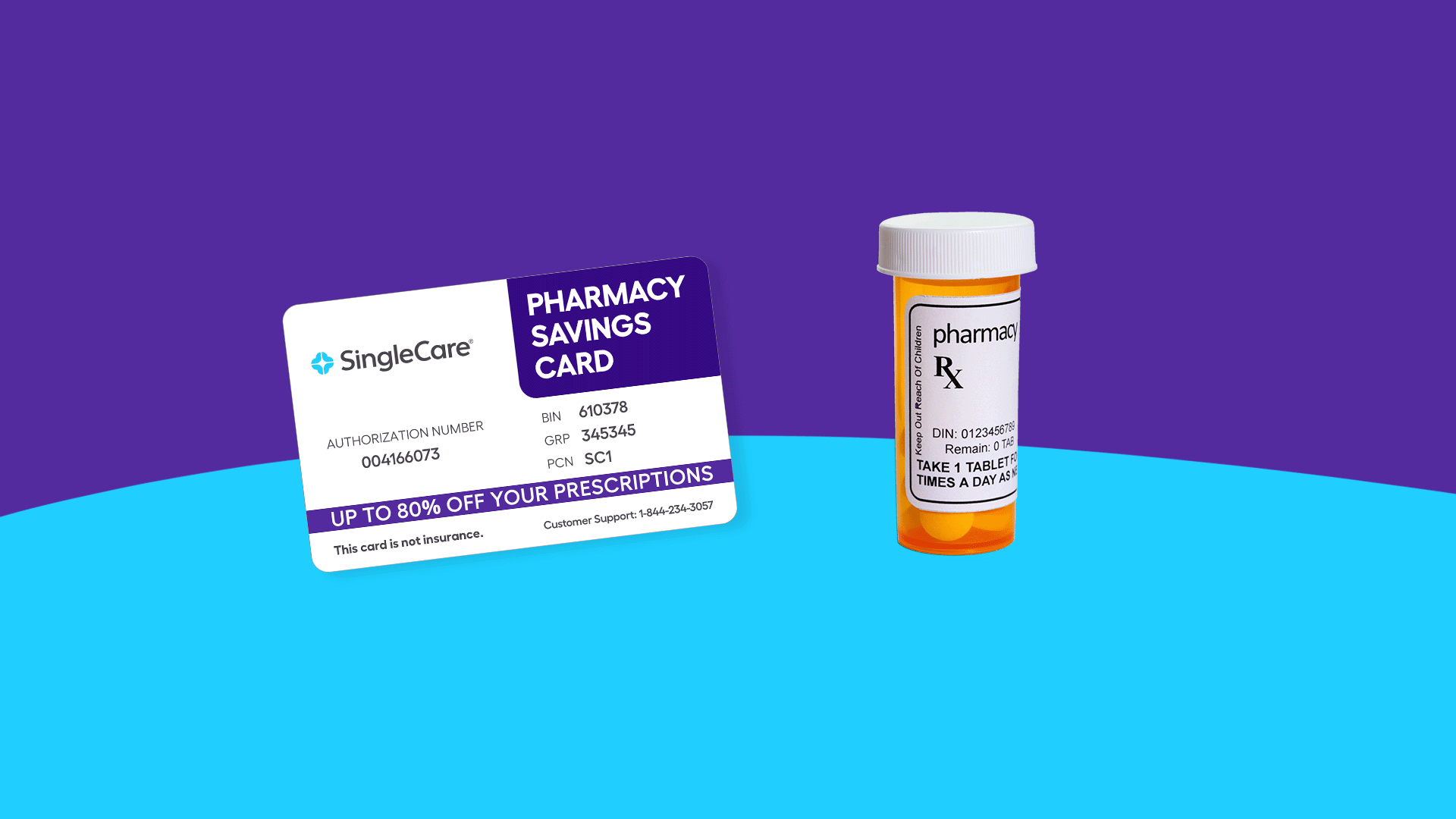
- Discount Cards: Many organizations (e.g., GoodRx, SingleCare) offer free discount cards that can provide significant savings, sometimes even beating insurance co-pays, especially for generics.
- Manufacturer Patient Assistance Programs (PAPs): Pharmaceutical companies often have programs for low-income or uninsured patients to receive their medications for free or at a reduced cost.
- Community Resources: Local health departments, non-profits, or hospitals may offer assistance programs or clinics with reduced drug prices.
Comparing Prices Across Pharmacies
Never assume one pharmacy offers the best price.
- Call Around: Before filling a new prescription, call several local pharmacies (including large chains, independent stores, and discount retailers) to inquire about their cash price for your medication.
- Online Price Comparison Tools: Websites and apps allow you to compare drug prices at various pharmacies in your area, often factoring in discount card savings.
- Mail-Order Pharmacies: For maintenance medications, mail-order pharmacies can offer substantial savings, often negotiated through your insurance provider.
Understanding and Optimizing Your Insurance Plan
A thorough understanding of your health insurance benefits is crucial.
- Review Your Formulary: Familiarize yourself with your plan’s drug formulary and tier structure. Discuss with your doctor if moving to a preferred or generic medication on your plan’s formulary is an option.
- Annual Open Enrollment: Use the annual open enrollment period to evaluate whether your current plan adequately covers your medication needs at a reasonable cost, or if a different plan (e.g., one with a lower deductible or better drug coverage) would be more beneficial.
- Utilize HSAs/FSAs: If you have a Health Savings Account (HSA) or Flexible Spending Account (FSA), use these tax-advantaged accounts to pay for prescription medications, effectively reducing your out-of-pocket burden.
The Broader Economic Impact of Drug Pricing
Beyond individual financial strain, the high cost of pills has profound implications for national economies and healthcare systems globally. The debate over drug pricing pits pharmaceutical innovation against patient affordability, creating a complex policy challenge.
Strain on Healthcare Systems and Public Budgets
For countries with publicly funded healthcare systems, or for government programs like Medicare and Medicaid, escalating drug prices represent a significant and growing expenditure. This diverts funds from other essential healthcare services, infrastructure, or social programs. In the U.S., drug spending is a major driver of overall healthcare inflation, impacting employers who provide insurance and taxpayers who fund public programs.
Impact on Patient Adherence and Health Outcomes
When medication costs are prohibitively high, patients may resort to rationing their doses, skipping refills, or abandoning treatment altogether. This non-adherence can lead to worse health outcomes, increased hospitalizations, and ultimately, higher overall healthcare costs in the long run. The financial burden can also exacerbate health inequalities, disproportionately affecting vulnerable populations.
Innovation vs. Affordability: A Global Conundrum
The pharmaceutical industry argues that high prices are necessary to fund the immense R&D costs of developing new, often life-saving, treatments. Without robust patent protections and the ability to command premium prices, they contend, innovation would stagnate. Critics, however, argue that current pricing models are exploitative, driven by profit motives rather than public health, especially when considering the significant public funding that often underpins early-stage research. This global debate continues to shape policy discussions around price controls, international reference pricing, and intellectual property rights.
Conclusion
The question “how much is a pill?” unveils a microcosm of the global healthcare economy. It is a question that affects personal budgets, public policy, and the trajectory of medical science. While the intrinsic value of a medication lies in its ability to restore health and save lives, its monetary cost is a complex calculation influenced by everything from laboratory breakthroughs to insurance company negotiations. By understanding these intricate financial layers and proactively utilizing available resources, individuals can better navigate the challenging landscape of medication pricing, ensuring that vital treatments remain within reach and promoting a healthier financial future.
aViewFromTheCave is a participant in the Amazon Services LLC Associates Program, an affiliate advertising program designed to provide a means for sites to earn advertising fees by advertising and linking to Amazon.com. Amazon, the Amazon logo, AmazonSupply, and the AmazonSupply logo are trademarks of Amazon.com, Inc. or its affiliates. As an Amazon Associate we earn affiliate commissions from qualifying purchases.