
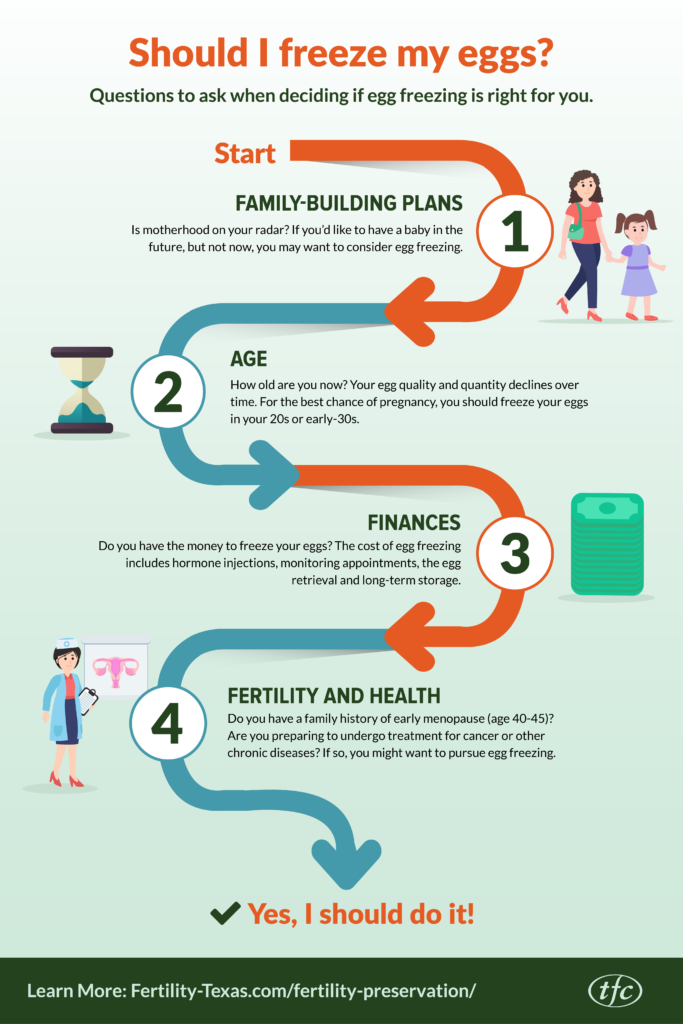
Freezing eggs is a significant life decision, often framed around biological timelines and personal aspirations. However, beneath these crucial considerations lies a substantial financial investment that warrants careful planning and analysis. The question of “what age should you freeze your eggs” is not just a medical or personal one; it is fundamentally an economic inquiry with profound implications for personal finance, investment strategies, and long-term financial security. Understanding the monetary aspects at different ages can empower individuals to make financially sound choices alongside their reproductive goals.
The Financial Calculus of Fertility Preservation
The decision to freeze eggs is akin to making a long-term investment. Like any investment, it involves upfront costs, ongoing expenses, and a potential “return” that can be difficult to quantify purely in monetary terms, but which undeniably impacts one’s financial future. The age at which this investment is made has direct consequences for its overall cost-effectiveness and impact on your personal financial landscape.
Understanding the Initial Investment
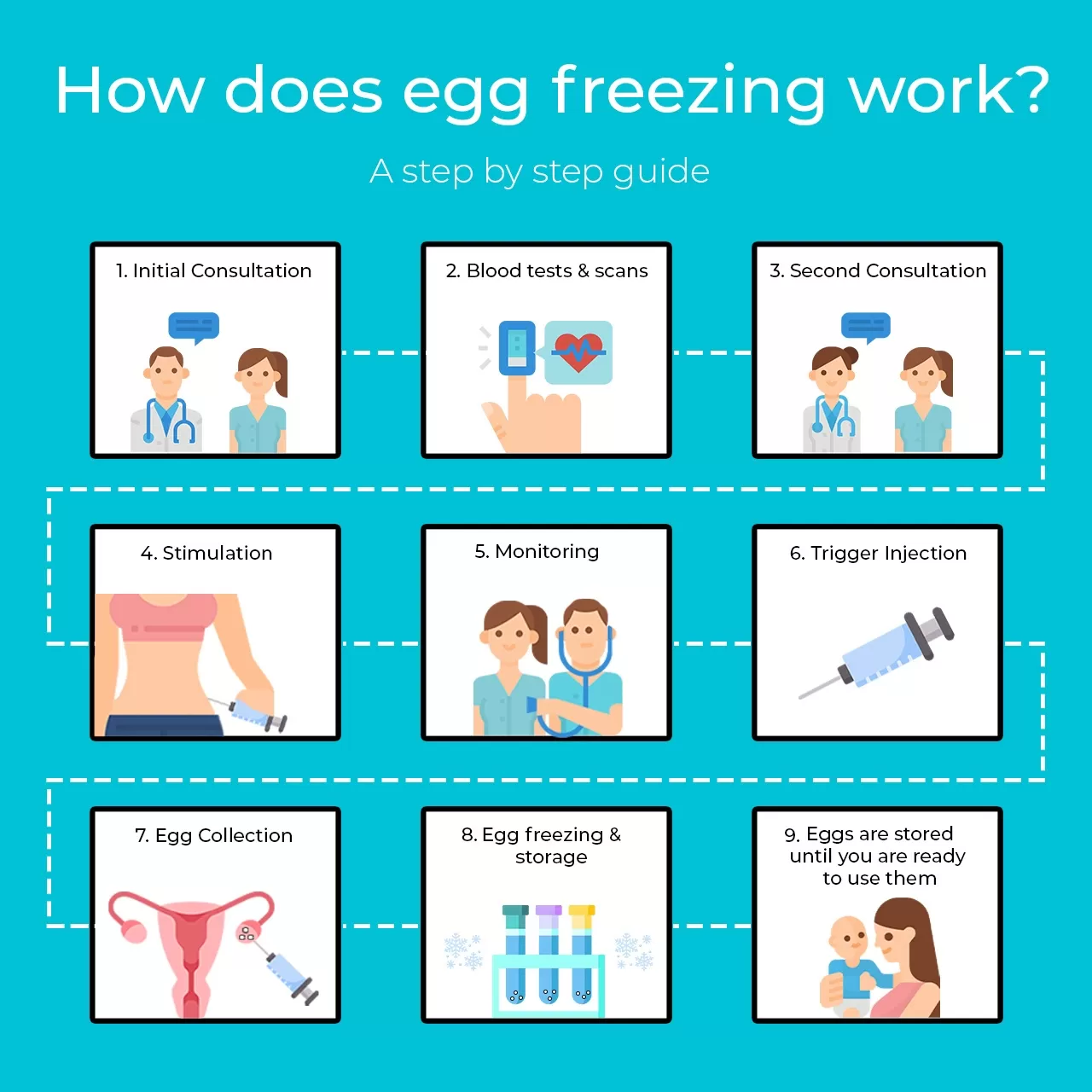
The upfront cost of an egg freezing cycle is a major hurdle for many. This typically includes consultations, medication (which can be thousands of dollars alone), monitoring appointments, and the egg retrieval procedure itself. These costs vary significantly by clinic, geographic location, and individual medical needs, but often range from $8,000 to $15,000 per cycle.
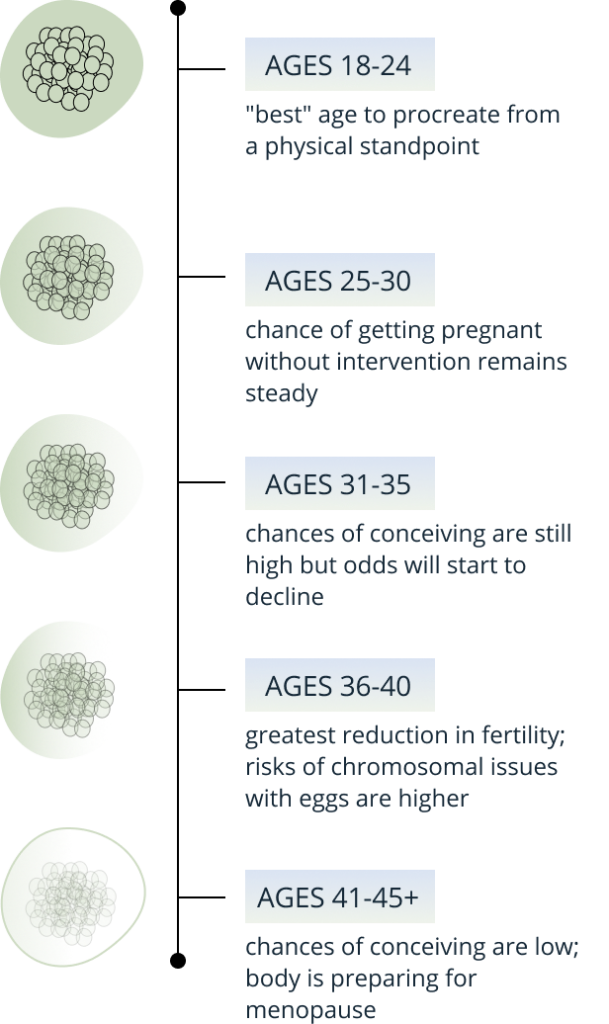
For younger individuals (e.g., in their late 20s or early 30s), the financial burden of this initial investment might feel substantial. At this age, many are focused on student loan repayment, saving for a down payment on a home, or building an emergency fund. Diverting significant capital towards egg freezing means a trade-off against these other crucial financial goals. However, from a purely economic standpoint, younger eggs generally have higher quality and quantity, meaning fewer cycles might be required to retrieve a sufficient number of viable eggs. This potentially reduces the total initial investment compared to needing multiple cycles later in life.
As age advances, particularly into the mid to late 30s, the financial calculation shifts. While an individual might be in a stronger financial position to absorb the initial cost, the biological reality often means that more cycles may be necessary to yield a comparable number of high-quality eggs. Each additional cycle incurs the full suite of costs: medication, clinic fees, and time off work. Therefore, delaying the initial investment, while potentially allowing for greater savings, could inadvertently lead to a higher aggregate initial outlay due to the need for multiple procedures. This underscores a critical financial tension: balancing current liquidity with the potential for escalating costs driven by biological decline.
The Compounding Costs: Storage and Future Use
Beyond the initial procedure, egg freezing involves recurring costs for long-term storage. Annual storage fees typically range from $500 to $1,000. While seemingly modest individually, these fees accumulate over years, potentially adding thousands of dollars to the total cost, especially if eggs are stored for a decade or more.
Consider an individual freezing eggs at age 30 and using them at age 40. That’s ten years of storage fees, potentially $5,000 to $10,000, in addition to the initial procedure cost. If frozen eggs are not used until age 45 or 50, these costs climb even higher. This long-term financial commitment needs to be factored into the decision-making process.
Furthermore, the “cost” of using the frozen eggs in the future is another significant expense. This involves thawing the eggs, fertilization through IVF, embryo transfer, and associated monitoring. A single IVF cycle with frozen eggs can cost an additional $5,000 to $10,000 or more, not including medication. If multiple transfers are needed, or if some eggs do not survive the thaw or fertilization process, the financial outlay for future use can quickly multiply. This makes the total, end-to-end cost of egg freezing a far more substantial figure than just the initial retrieval fee, potentially ranging from $20,000 to $40,000 or even higher depending on individual circumstances and the number of cycles required both for freezing and subsequent IVF attempts.
Age and the Cost-Benefit Analysis
The ideal age for egg freezing from a financial perspective often aligns with the biological sweet spot: earlier rather than later. Freezing eggs in one’s late 20s or early 30s can be more cost-effective because:
- Fewer Cycles Needed: Higher egg quality and quantity often mean fewer retrieval cycles are required to bank a sufficient number of eggs, thus reducing the initial expenditure.
- Higher Success Rates: While not purely a financial metric, higher success rates with younger eggs can reduce the likelihood of needing multiple costly IVF cycles later on. Each failed IVF cycle represents a significant financial loss.
- Longer Storage, but with a Payoff: While earlier freezing means more years of storage fees, this is potentially offset by the lower initial cost and increased probability of a successful outcome, reducing the overall financial risk.
Conversely, delaying egg freezing to the mid-to-late 30s or early 40s often entails a higher financial risk. The need for multiple cycles to achieve an adequate egg bank, combined with the recurring storage fees and the potentially higher costs of future IVF cycles due to lower success rates, can make the overall financial commitment significantly greater. The “return on investment” in terms of live birth probability might also diminish with older eggs, further complicating the financial justification.
Strategic Financial Planning for Egg Freezing
Given the substantial costs, strategic financial planning is paramount. Integrating egg freezing into one’s broader financial roadmap requires foresight, budgeting, and an understanding of available financial mechanisms.
Budgeting and Savings Strategies
For many, financing egg freezing necessitates a dedicated savings plan. This might involve creating a specific savings account, setting aggressive savings goals, and reallocating discretionary income. Starting early allows for smaller, more manageable contributions over time. For instance, saving $500 a month for 18-24 months could cover the initial cycle cost.
Alternatives like high-yield savings accounts or even low-risk investments could be considered for funds earmarked for egg freezing, though liquidity should always be prioritized. A robust emergency fund should remain intact, as egg freezing, while elective, should not compromise one’s financial safety net. Analyzing current expenses and identifying areas for reduction can free up capital. This might mean temporarily reducing spending on travel, dining out, or other non-essential items to prioritize this significant investment in one’s reproductive future.
Exploring Employer Benefits and Fertility Coverage
The landscape of fertility benefits offered by employers is evolving rapidly. Many progressive companies, particularly in tech and finance, now offer comprehensive fertility benefits that can cover a significant portion, if not all, of egg freezing costs, including medication and storage. These benefits often come as part of a broader health insurance plan or as a separate wellness perk.
It is crucial for individuals to thoroughly research their employer’s benefits package. Understanding what is covered, the maximum benefit amount, any lifetime limits, and specific clinic networks can dramatically reduce out-of-pocket expenses. Some companies offer a “lifetime maximum” for fertility treatments, which can be allocated to egg freezing and/or future IVF. Leveraging these benefits at an optimal age, when egg quality is higher and fewer cycles might be needed, ensures maximum utilization of the employer’s financial contribution. For those without employer coverage, advocating for such benefits or considering employment with companies that offer them can be a strategic financial move.
Loans, Grants, and Payment Plans
For individuals without employer benefits or sufficient savings, several other financial avenues exist.
- Medical Loans: Specialized medical financing companies offer loans for fertility treatments. While these can make the procedure accessible, they come with interest rates that must be carefully considered within one’s budget.
- Grants and Scholarships: Non-profit organizations often provide grants or scholarships to help individuals or couples cover fertility treatment costs. Eligibility criteria vary but can include financial need or specific medical conditions.
- Clinic Payment Plans: Many fertility clinics offer in-house payment plans or work with third-party financing providers. These can help spread the cost over several months or years, making the initial outlay less daunting.
- Tax Benefits: While not a direct reduction in cost, some medical expenses, including fertility treatments, may be tax-deductible if they exceed a certain percentage of your adjusted gross income. Consulting a tax professional is advisable to understand potential savings.
Each of these options has its own financial implications, from interest accrual to application processes, requiring careful evaluation to choose the most financially prudent path.
Egg Freezing as a Life Investment: Beyond the Balance Sheet
Viewing egg freezing solely through a financial lens can be reductive, but it is an undeniably significant financial undertaking that shapes other long-term financial goals. It represents an investment in optionality and future flexibility.
The ‘Return’ on a Reproductive Investment
The “return on investment” for egg freezing is primarily the ability to delay childbearing without sacrificing genetic connection. This option, while invaluable, has tangible economic benefits. For instance, it can allow individuals to:
- Advance Career and Earnings: Delaying parenthood can provide critical years to establish a career, increase earning potential, and reach financial milestones that might be challenging with earlier child-rearing. This increased earning capacity can significantly impact lifetime wealth accumulation.
- Achieve Financial Stability: It offers more time to pay off debt, build savings, and secure housing before taking on the additional financial responsibilities of a family.
- Secure Future Planning: The peace of mind derived from having banked eggs can reduce stress, potentially preventing hasty decisions driven by a ticking biological clock, which might otherwise have negative financial consequences.
The financial “return” is thus measured in opportunity costs avoided and economic advantages gained through greater life flexibility.
Opportunity Costs and Future Financial Freedom
Choosing to invest in egg freezing involves opportunity costs – the benefits foregone by choosing this investment over another. For a 28-year-old, $10,000 spent on egg freezing could instead have gone towards a down payment on property, invested in the stock market (potentially yielding significant returns over 10-15 years), or used to pay down high-interest debt.
This highlights the critical interplay between age, financial capacity, and investment choice. Earlier investment in egg freezing might mean sacrificing short-term financial gains or delaying other significant purchases. However, the alternative of delaying egg freezing might lead to higher costs later (due to needing more cycles) or the inability to conceive naturally, potentially leading to even more expensive interventions like donor eggs, or the emotional and financial costs associated with unfulfilled family aspirations. A thorough financial assessment must weigh these competing opportunity costs.
Aligning Fertility Decisions with Long-Term Financial Goals
Integrating egg freezing into a long-term financial plan requires a holistic view. Consider how this investment aligns with:
- Retirement Planning: Will the costs impact contributions to 401(k)s or IRAs?
- Education Savings: Will the investment reduce funds available for future child education?
- Housing Goals: Does it delay homeownership or impact mortgage affordability?
For example, a younger individual who freezes eggs might need to work an extra year before retirement to compensate for the cost, or choose a smaller house. Conversely, an older individual who delays egg freezing might find themselves in a position where the financial burden of multiple unsuccessful IVF cycles becomes overwhelming, impacting all other financial goals. The “what age” question, therefore, becomes a balancing act between optimizing biological efficacy, managing immediate cash flow, and preserving future financial freedom.
Navigating the Financial Landscape of Reproductive Choices
Making an informed decision about egg freezing requires meticulous financial due diligence, understanding the broader economic impacts, and potentially professional financial guidance.
Due Diligence: Researching Clinics and Transparent Pricing
The financial variability between clinics is substantial. Individuals should engage in comprehensive research, comparing not just headline prices, but also what is included in those costs (e.g., medication, monitoring, anesthesia, initial storage). Requesting itemized cost breakdowns can prevent unexpected fees. Some clinics offer package deals for multiple cycles, which might be cost-effective for individuals likely to need more than one retrieval. Transparency in pricing is a hallmark of an ethical clinic, and a lack thereof should be a red flag in the financial assessment.
The Economic Impact of Delayed Parenthood
Freezing eggs offers the option to delay parenthood, which has significant economic implications beyond the direct costs of the procedure. Delayed parenthood often means parents are older, more established in their careers, and generally have higher incomes and more savings. This can translate to greater financial stability for raising children, better access to educational opportunities, and a more robust financial legacy. However, it also means potentially compressed retirement savings timelines and a longer period of financial responsibility into older age. Understanding these broader economic impacts is crucial for a complete financial picture.
Consulting Financial Advisors for Complex Decisions
For a decision as financially significant and emotionally charged as egg freezing, consulting with a fee-only financial advisor can be invaluable. A financial advisor can help:
- Assess current financial health and capacity.
- Integrate egg freezing costs into a comprehensive financial plan.
- Evaluate different funding options (savings vs. loans vs. employer benefits).
- Analyze the opportunity costs and potential long-term financial impacts.
- Strategize tax-efficient ways to pay for the procedure.
While the emotional and personal aspects of egg freezing are deeply individual, the financial framework supporting this choice is universal. Approaching the “what age” question with a robust financial strategy ensures that the pursuit of reproductive autonomy is sustainable and aligns with an individual’s broader financial well-being.
aViewFromTheCave is a participant in the Amazon Services LLC Associates Program, an affiliate advertising program designed to provide a means for sites to earn advertising fees by advertising and linking to Amazon.com. Amazon, the Amazon logo, AmazonSupply, and the AmazonSupply logo are trademarks of Amazon.com, Inc. or its affiliates. As an Amazon Associate we earn affiliate commissions from qualifying purchases.