
Interest rates are the lifeblood of any modern economy, a critical mechanism that influences everything from the cost of a mortgage to the return on a savings account, and from the valuation of a company to the overall pace of economic growth. Yet, for many, the frequency and rationale behind their shifts remain shrouded in a degree of mystery. The question, “how often do interest rates change?” is not merely an academic one; it’s a deeply practical inquiry that impacts personal finances, investment strategies, and business decisions globally. While there’s no fixed schedule for their adjustment, understanding the underlying forces and the decision-making bodies responsible for these changes is paramount to navigating the financial landscape effectively. This article delves into the dynamics of interest rate movements, shedding light on the mechanics, influences, historical patterns, and broad implications of these pivotal economic indicators.

The Core Mechanics: Who Sets Interest Rates and Why?
At the heart of interest rate determination, particularly for benchmark rates that ripple across the entire financial system, are central banks. These independent institutions are tasked with maintaining economic stability, and manipulating interest rates is one of their primary tools.
Central Banks as Primary Drivers
In the United States, the Federal Reserve (often called “the Fed”) is the central bank. Its primary policy-making body is the Federal Open Market Committee (FOMC), which meets eight times a year, approximately every six weeks. During these meetings, the FOMC assesses economic conditions and decides whether to raise, lower, or maintain the federal funds rate – the target rate for overnight lending between banks. This rate, while not directly what consumers pay, serves as a crucial benchmark that influences a cascade of other interest rates throughout the economy, including prime rates, mortgage rates, and auto loan rates. Similar bodies exist in other major economies, such as the European Central Bank (ECB), the Bank of England (BoE), and the Bank of Japan (BoJ), each with their own schedules and mandates.
Mandates and Economic Goals
Central banks don’t adjust rates arbitrarily. Their decisions are guided by specific mandates, often established by their respective governments. The Federal Reserve, for instance, operates under a “dual mandate” to achieve maximum sustainable employment and price stability (i.e., controlling inflation). When inflation is too high, the Fed might raise rates to cool down the economy and curb rising prices. Conversely, if unemployment is high and economic growth is sluggish, the Fed might lower rates to stimulate borrowing, spending, and investment. Other central banks may have similar or slightly varied mandates, but the core objective invariably revolves around fostering a healthy and stable economic environment. This overarching goal dictates the “why” behind every rate adjustment.
The Rate-Setting Process
The process of deciding on interest rate changes is rigorous and data-driven. Leading up to FOMC meetings, central bank economists compile and analyze vast amounts of economic data, including inflation reports (e.g., Consumer Price Index, Personal Consumption Expenditures), employment statistics (e.g., unemployment rate, non-farm payrolls), Gross Domestic Product (GDP) figures, housing market data, manufacturing output, and consumer sentiment surveys. Members of the committee engage in extensive discussions, debating the current state of the economy, potential future trends, and the risks associated with different policy actions. The final decision is typically reached by a vote, and the outcome, along with a statement explaining the rationale, is then communicated to the public, often followed by a press conference. This transparent, albeit complex, process underscores the gravity and meticulousness involved in monetary policy decisions.
Factors Influencing Interest Rate Fluctuations
While central banks are the ultimate decision-makers for benchmark rates, their choices are not made in a vacuum. A multitude of economic indicators and external forces continuously shape their outlook and dictate the necessity and direction of rate adjustments.
Inflationary Pressures
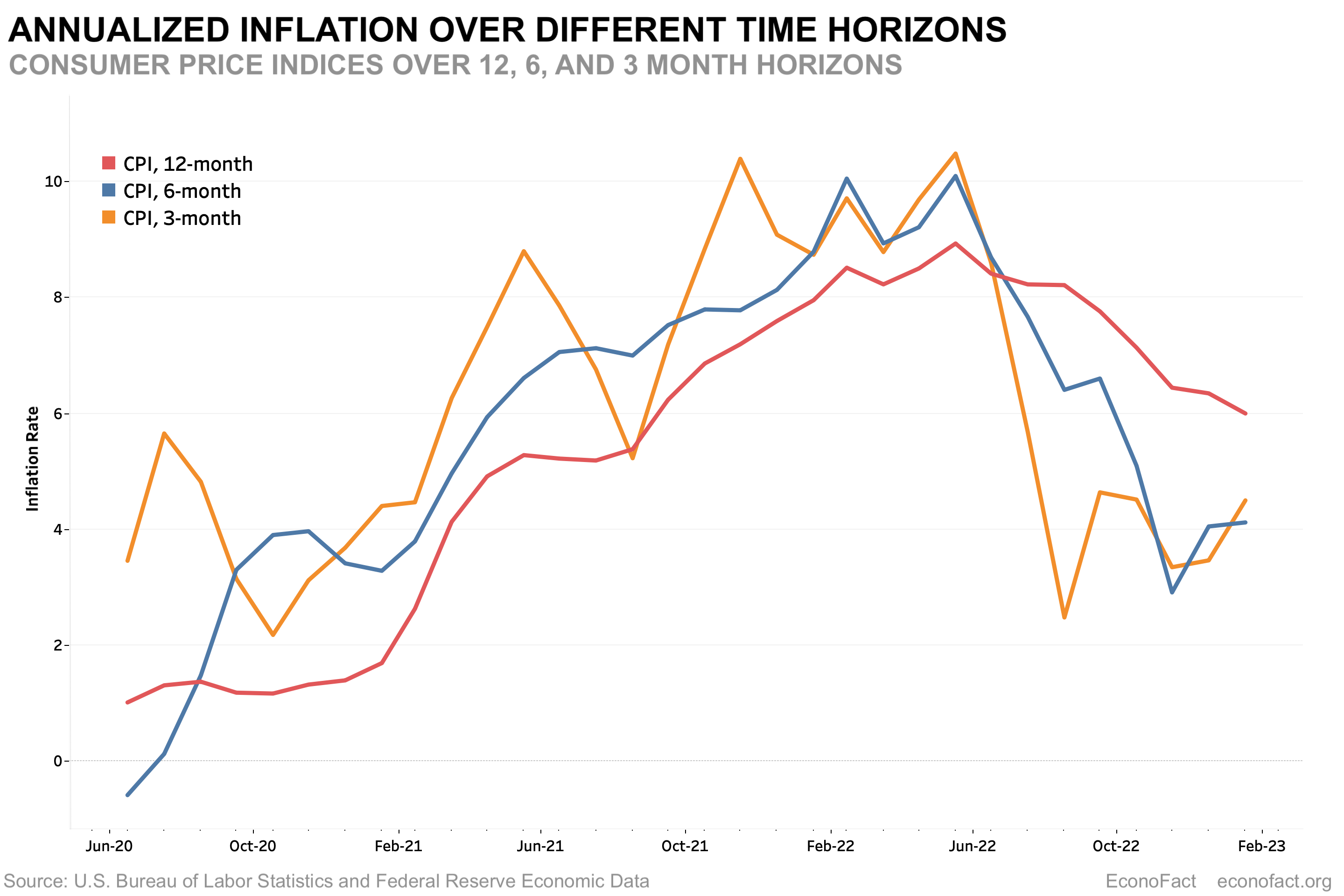
Inflation is arguably the most significant determinant of interest rate policy. When the general price level of goods and services is rising too quickly, the purchasing power of money erodes. Central banks typically respond to persistent, high inflation by raising interest rates. Higher rates make borrowing more expensive, which discourages spending and investment, thereby reducing aggregate demand and helping to bring inflation back down to the central bank’s target (often around 2%). Conversely, if inflation is too low or even deflationary, central banks might lower rates to encourage economic activity and stimulate price growth. The expectation of future inflation also plays a critical role, as central banks often act preemptively.
Economic Growth and Employment Data
The health of the economy, as measured by indicators like GDP growth and employment figures, is another primary driver. A robust economy, characterized by strong GDP growth and low unemployment, might prompt a central bank to consider raising rates to prevent the economy from overheating and generating excessive inflation. Conversely, during periods of economic slowdown or recession, with rising unemployment and contracting GDP, central banks typically lower rates to stimulate borrowing and investment, providing a boost to economic activity. Wage growth is also closely watched, as significant increases can signal impending inflationary pressures from the labor market.
Global Economic Conditions
No economy operates in isolation. Global economic trends, international trade dynamics, and geopolitical events can all influence domestic interest rate policy. For instance, a slowdown in a major trading partner’s economy could dampen demand for exports, impacting domestic growth. A global financial crisis could trigger capital flight or increase risk aversion, leading central banks worldwide to coordinate rate cuts to stabilize markets. Currency exchange rates are also affected by interest rate differentials, which can impact trade balances and inflation. Therefore, central banks must constantly monitor the global economic landscape when making their domestic policy decisions.
Market Expectations and Forward Guidance
Financial markets are forward-looking, and market participants constantly try to anticipate central bank actions. Central banks, in turn, often use “forward guidance” – communicating their future policy intentions – to influence market expectations. If a central bank strongly signals that it intends to raise rates in the near future, long-term bond yields might rise even before an actual rate hike occurs. This communication strategy helps to manage market volatility and can make monetary policy more effective by shaping economic behavior well in advance of official policy changes. Discrepancies between market expectations and central bank signals can lead to significant market reactions.
Government Fiscal Policy
While monetary policy (interest rates) is managed by the central bank, fiscal policy (government spending and taxation) is controlled by the government. These two policies interact significantly. For example, large government spending programs or tax cuts could stimulate the economy and potentially contribute to inflation. In such a scenario, the central bank might feel compelled to raise interest rates to counterbalance the fiscal stimulus and prevent overheating. Conversely, austerity measures could necessitate lower interest rates to cushion the economic impact. The coordination, or lack thereof, between monetary and fiscal policy can greatly influence the economic environment and the trajectory of interest rates.
Unpacking the Frequency: A Look at Historical Patterns
Given the numerous factors at play, the frequency of interest rate changes is anything but constant. It varies significantly depending on the prevailing economic climate and the central bank’s strategic approach.
The Regularity of Central Bank Meetings
While central banks like the Federal Reserve hold policy meetings on a fixed schedule (e.g., eight times a year for the FOMC), it’s crucial to understand that a meeting does not automatically equate to a rate change. Many meetings conclude with a decision to maintain the current interest rate, particularly during periods of economic stability or when the central bank deems its current policy stance appropriate for achieving its objectives. The regularity of meetings ensures that policymakers have frequent opportunities to assess new data and adjust policy if necessary, but it also reflects a commitment to measured and deliberate decision-making rather than knee-jerk reactions.
Periods of Stability vs. Volatility
Historically, interest rates have experienced periods of prolonged stability interspersed with phases of rapid and frequent adjustments. For example, after the 2008 financial crisis, the Federal Reserve held its federal funds rate near zero for seven years (from December 2008 to December 2015) in an effort to stimulate a recovery. This was a period of extreme stability at the lower bound. Conversely, during periods of high inflation, such as the late 1970s and early 1980s, the Fed under Chairman Paul Volcker raised rates aggressively and frequently to bring inflation under control, sometimes making changes at consecutive meetings. Similarly, during economic crises or severe downturns, central banks may enact multiple rate cuts in a short span to provide urgent stimulus. The frequency, therefore, is directly tied to the severity and dynamism of the economic challenges or opportunities.
Incremental Adjustments vs. Major Shifts
When central banks do decide to change rates, these adjustments are typically incremental. The most common increment is 25 basis points (0.25 percentage points). This “gradualist” approach allows the central bank to observe the economy’s reaction to the change and avoid overshooting its targets. However, in times of significant economic stress or rapidly evolving conditions, central banks are prepared to implement larger adjustments, such as 50 or even 75 basis points (0.50% or 0.75%), or even emergency inter-meeting cuts/hikes, to send a strong signal and achieve a quicker impact. The choice between incremental steps and more aggressive moves is a strategic one, balancing the need for decisive action with the desire for predictability and avoiding market shocks.
The Broad Impact of Interest Rate Changes on Your Finances
The ripple effects of changing interest rates are vast, touching virtually every aspect of personal and business finance. Understanding these impacts is crucial for making informed financial decisions.
Borrowing Costs (Loans, Mortgages, Credit Cards)
Perhaps the most direct and widely felt impact of interest rate changes is on borrowing costs. When central banks raise benchmark rates, commercial banks typically follow suit, increasing the interest rates on a variety of loans. This means new mortgages become more expensive, auto loans cost more, and credit card interest rates rise. For individuals with variable-rate loans (like adjustable-rate mortgages or certain student loans), their monthly payments can increase directly after a rate hike. Conversely, rate cuts make borrowing cheaper, incentivizing individuals and businesses to take on new debt for purchases or investments, which in turn stimulates economic activity.
Savings and Investments
On the flip side, interest rate changes also affect savers and investors. Higher interest rates typically mean better returns on savings accounts, certificates of deposit (CDs), and money market accounts, making saving more attractive. For bond investors, there’s an inverse relationship: when interest rates rise, the value of existing bonds with lower fixed interest payments typically falls, as new bonds offer more attractive yields. The stock market’s reaction is more complex: higher rates can make borrowing for businesses more expensive, potentially curbing profits and making stocks less attractive relative to safer, higher-yielding bonds. Lower rates, conversely, can boost corporate profits and make stocks more appealing.
Business Investment and Growth
Businesses rely on borrowing for expansion, capital expenditures, and sometimes even day-to-day operations. When interest rates are low, the cost of financing these activities decreases, encouraging businesses to invest in new projects, hire more staff, and innovate. This can lead to job creation and economic growth. When rates rise, borrowing becomes more expensive, potentially slowing down business expansion, leading to reduced investment, and a more cautious approach to hiring and spending. This is a key mechanism through which central banks can cool an overheating economy.
Economic Cycle and Consumer Behavior
Interest rates play a pivotal role in influencing the broader economic cycle and consumer behavior. Lower rates encourage consumers to spend more (e.g., buying homes or cars with cheaper loans) and save less, stimulating demand. This can help an economy emerge from a recession. Higher rates, conversely, encourage saving and discourage borrowing and spending, which can slow down an economy experiencing inflationary pressures. These shifts in consumer and business behavior are precisely what central banks aim to achieve to guide the economy towards its dual mandate of price stability and full employment.
Navigating a Changing Interest Rate Environment
Given that interest rates are a dynamic feature of the financial landscape, adapting one’s financial strategies to anticipate and react to these changes is a fundamental aspect of sound money management.
For Borrowers
For those with existing debt, understanding the nature of your loans is key. If you have variable-rate debt, rising interest rates mean higher payments, so consider strategies like refinancing to a fixed-rate loan if rates are expected to climb further, or accelerating payments to reduce your principal. For prospective borrowers, timing can be crucial. If you’re planning a major purchase requiring a loan, monitoring interest rate forecasts can help you decide if it’s better to secure a loan sooner rather than later, or vice-versa. Always compare offers from multiple lenders to ensure you’re getting the best possible terms.
For Savers and Investors
Savers can benefit from rising interest rates. As rates climb, shop around for higher yields on savings accounts, money market funds, and Certificates of Deposit (CDs). Don’t let your money sit in a low-yield account if better options are available. For investors, a changing rate environment necessitates a review of your portfolio. In a rising rate environment, consider short-duration bonds or bond funds, which are less sensitive to rate hikes. Evaluate your stock holdings: companies with strong balance sheets and less reliance on debt might fare better. Conversely, in a falling rate environment, longer-duration bonds might become more attractive, and growth stocks could see a boost. Diversification across various asset classes remains a cornerstone of any robust investment strategy, regardless of rate movements.

Staying Informed
The most effective way to navigate interest rate changes is to stay informed. Follow credible financial news sources for updates on central bank announcements, economic data releases, and expert analyses. Understanding the central bank’s communication (its “forward guidance”) can provide valuable clues about future rate trajectories. While predicting exact rate changes is impossible, being aware of the prevailing economic conditions and the central bank’s likely reaction can empower you to make more proactive and financially prudent decisions. Engaging with a financial advisor can also provide personalized insights tailored to your specific circumstances and goals.
In conclusion, interest rates do not change on a rigid schedule, but their movements are deliberate, data-driven, and influenced by a complex interplay of domestic and global economic factors, primarily orchestrated by central banks. Understanding “how often do interest rates change” is less about counting specific meetings and more about grasping the dynamic forces that compel these shifts. For individuals and businesses alike, recognizing these dynamics and their far-reaching impacts on borrowing, saving, and investing is not merely an academic exercise; it’s an essential aspect of robust financial literacy and strategic wealth management in an ever-evolving economic landscape.
aViewFromTheCave is a participant in the Amazon Services LLC Associates Program, an affiliate advertising program designed to provide a means for sites to earn advertising fees by advertising and linking to Amazon.com. Amazon, the Amazon logo, AmazonSupply, and the AmazonSupply logo are trademarks of Amazon.com, Inc. or its affiliates. As an Amazon Associate we earn affiliate commissions from qualifying purchases.