
Navigating the financial landscape to find the most advantageous interest rates for your hard-earned money is a critical step in effective personal finance. While the question “which bank has better interest rates” seems straightforward, the answer is complex, influenced by a multitude of factors ranging from economic conditions to the specific type of account you seek. Understanding these nuances is key to making an informed decision that maximizes your savings and investment potential.
Understanding Interest Rates: More Than Just a Number
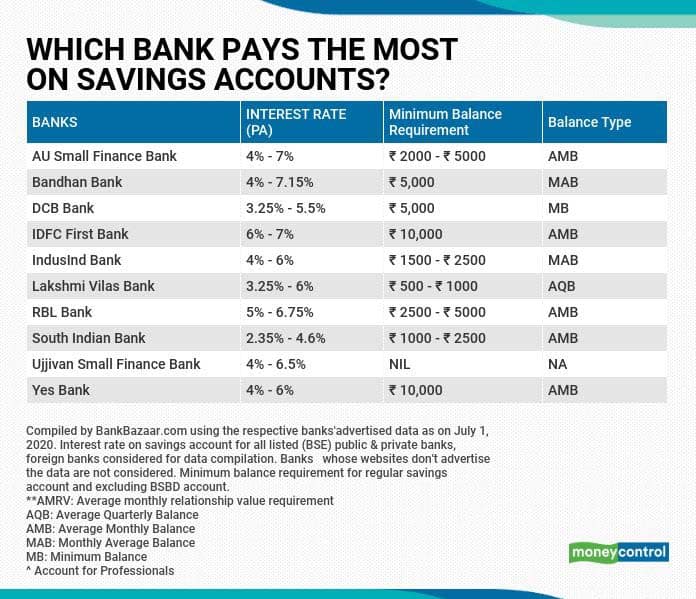
Interest rates are the lifeblood of savings, a reward from banks for the privilege of holding and utilizing your deposits. However, not all interest rates are created equal, and their terminology can often be confusing.
The Basics of APY vs. APR
When comparing savings products, you’ll primarily encounter two terms: Annual Percentage Yield (APY) and Annual Percentage Rate (APR). For deposit accounts like savings or Certificates of Deposit (CDs), APY is the more relevant metric. APY accounts for the effect of compounding interest, meaning interest earned also earns interest. This provides a more accurate representation of the actual return on your investment over a year. APR, on the other hand, is typically used for loans and credit products, representing the simple annual rate charged on borrowed money without factoring in compounding. Always look for the highest APY when evaluating savings accounts.
Factors Influencing Bank Interest Rates
Several macro and microeconomic factors dictate the interest rates banks offer. The Federal Reserve’s monetary policy plays a pivotal role; when the Federal Reserve raises or lowers the federal funds rate, banks typically follow suit, adjusting their rates for both loans and deposits. Competition among banks also drives rates, especially in a dynamic market where institutions vie for customer deposits. Smaller banks or online-only banks, often with lower overheads, may offer more competitive rates than larger, traditional brick-and-mortar institutions. Furthermore, a bank’s internal strategy, liquidity needs, and risk assessment also impact its rate offerings.
Different Account Types, Different Rates
The type of account significantly influences the interest rate you can expect.
- Savings Accounts: Designed for holding accessible funds, these generally offer modest interest rates, though high-yield savings accounts can be a notable exception.
- Checking Accounts: Many checking accounts offer little to no interest, as their primary function is transactional convenience. However, some online or specialized checking accounts might offer a small APY, often with specific requirements.
- Certificates of Deposit (CDs): CDs typically offer higher fixed interest rates in exchange for locking up your money for a predetermined term (e.g., 6 months, 1 year, 5 years). Longer terms generally yield higher rates.
- Money Market Accounts (MMAs): MMAs blend features of savings and checking accounts, often offering higher interest rates than standard savings accounts while providing limited check-writing privileges and debit card access. They often come with higher minimum balance requirements.
Navigating the Landscape of High-Yield Accounts
The quest for better interest rates often leads consumers to explore beyond their local branch, delving into the expanding world of online banking and credit unions.
Online Banks vs. Traditional Brick-and-Mortar
Online banks consistently lead the pack in offering superior interest rates, particularly for savings accounts and CDs. Their operational model, which eschews the extensive overhead of physical branches, allows them to pass those savings on to customers in the form of higher APYs. These institutions are typically federally insured (FDIC), ensuring the safety of your deposits up to the legal limit. While they offer unparalleled convenience through digital platforms, some individuals might miss the personalized touch or in-person support of a traditional bank. Traditional banks, while often having lower base rates, sometimes offer promotional rates or specialized products for existing customers or those with substantial balances.
Credit Unions: A Competitive Alternative
Credit unions are non-profit financial cooperatives owned by their members. This ownership structure often translates into more favorable rates on both savings (dividends) and loans, as their primary goal isn’t to maximize shareholder profits. Like banks, credit unions are federally insured, typically through the National Credit Union Administration (NCUA). Membership is usually tied to specific criteria, such as employer, geographic location, or affiliation with a particular group, though many have broadened their eligibility requirements. For those seeking competitive rates with a community-focused approach, credit unions are a strong contender.
The Role of Promotional Offers and Tiered Accounts
Banks and credit unions frequently employ promotional offers to attract new customers or reward existing ones. These might include temporary high APYs for a limited period, sign-up bonuses, or special rates on specific products like CDs. Always scrutinize the terms of these promotions to understand how long the rate lasts and any conditions for eligibility. Tiered accounts are another common structure, where higher interest rates are applied to larger account balances. For example, an account might offer 0.50% APY for balances under $10,000 but 1.00% APY for balances above that threshold. These can be advantageous for individuals with significant savings.
Key Considerations Beyond the Rate
While a high interest rate is certainly appealing, it should not be the sole determinant in your banking decision. A holistic evaluation requires considering several other crucial factors that impact your overall banking experience and financial well-being.
Fees and Minimum Balance Requirements
A seemingly high APY can be quickly eroded by monthly maintenance fees or penalties for not meeting minimum balance requirements. Always review the fee schedule associated with any account. Some banks waive fees if you maintain a certain balance, set up direct deposit, or meet other criteria. Understanding these conditions upfront prevents unexpected charges that diminish your earnings. Some high-yield accounts might also have minimum deposit requirements to open or earn the advertised rate.
Accessibility and Customer Service
Consider how you interact with your bank. Do you prefer in-person transactions, or are you comfortable with purely digital banking? Assess the availability and quality of customer service—is it 24/7, via phone, chat, or email? Reliable and responsive customer support is invaluable, especially when encountering issues or needing assistance with your accounts. For online banks, a robust digital platform and user-friendly mobile app are paramount.
FDIC/NCUA Insurance: Protecting Your Deposits
Ensuring your deposits are protected is non-negotiable. The Federal Deposit Insurance Corporation (FDIC) insures bank accounts, while the National Credit Union Administration (NCUA) insures credit union accounts. Both provide coverage up to at least $250,000 per depositor, per insured institution, for each account ownership category. Always verify that any financial institution you consider is federally insured. This guarantee ensures your money is safe even if the institution fails.
Digital Tools and Banking Experience
Modern banking extends far beyond simple deposits and withdrawals. Evaluate the bank’s digital offerings: Is there a comprehensive mobile app for managing accounts, paying bills, and making transfers? Does it integrate with budgeting tools or provide financial planning resources? Features like mobile check deposit, robust online bill pay, and instant transfer capabilities can significantly enhance your banking convenience and efficiency. A seamless and intuitive digital experience is increasingly important for day-to-day money management.
How to Effectively Compare and Choose
With numerous options available, a systematic approach to comparison is essential to pinpoint the bank that best aligns with your financial goals.
Utilizing Comparison Websites and Tools
Several reputable financial websites specialize in comparing interest rates across various banks and credit unions. These platforms allow you to filter by account type, minimum deposit, and other features, providing a quick overview of the most competitive offers available. While these tools are excellent starting points, always verify the rates and terms directly on the bank’s official website, as rates can change frequently.
Reading the Fine Print: Understanding Terms and Conditions
Never make a decision based solely on the advertised APY. Dive into the detailed terms and conditions document for any account you’re considering. Pay close attention to:
- Rate tiers: Do you need a certain balance to earn the highest rate?
- Introductory vs. standard rates: Is the high rate temporary?
- Fees: What are all the potential charges?
- Access restrictions: Are there limits on withdrawals or transfers?
- Account closure penalties: Are there fees if you close the account early?
Understanding these nuances prevents surprises and ensures the account truly meets your expectations.
Personal Financial Goals: Matching Accounts to Needs
The “best” interest rate is subjective and depends heavily on your individual financial goals.
- Emergency Fund: For funds you need to access quickly, prioritize high-yield savings accounts with no withdrawal penalties.
- Short-Term Savings (e.g., down payment): Consider short-term CDs or high-yield savings accounts that balance liquidity with better returns.
- Long-Term Savings (e.g., future large purchase): Longer-term CDs might be suitable if you’re confident you won’t need the money soon.
- Spending Account: A checking account with minimal fees and convenient digital tools might be more important than a high interest rate.
Aligning the account features, particularly the interest rate structure, with your specific financial objectives will lead to a more effective banking relationship.
The Dynamic Nature of Interest Rates: Staying Informed
Interest rates are not static; they fluctuate in response to economic forces and market conditions. What’s a great rate today might be surpassed by a competitor tomorrow, or economic shifts could alter the landscape entirely.
Monitoring Economic Trends
Keeping an eye on economic indicators, particularly actions by the Federal Reserve, can provide foresight into potential rate changes. When the Fed raises its benchmark rate, deposit rates generally follow suit. Conversely, rate cuts typically lead to lower returns on savings. Subscribing to financial news or alerts can help you stay informed and react proactively to changes that might impact your savings strategy.
Re-evaluating Your Accounts Periodically
It’s wise to review your savings accounts and CDs annually, or whenever there’s a significant shift in interest rates. Are you still earning a competitive rate? Are there newer, better options available? This periodic assessment ensures your money is always working as hard as possible for you. Don’t be afraid to switch banks if a better offer emerges and it aligns with your overall banking needs.

Strategies for Maximizing Earnings
Beyond simply finding a high-rate account, consider strategies like CD laddering. This involves investing in multiple CDs with varying maturity dates. As each CD matures, you can reinvest it into a new, longer-term CD at the prevailing interest rate, potentially capturing higher rates over time while maintaining some liquidity. Automating your savings is another powerful tactic; consistent, regular contributions to a high-yield account leverage compounding interest most effectively, allowing you to grow your wealth steadily over time.
Ultimately, identifying which bank has better interest rates is an ongoing process of research, evaluation, and alignment with your personal financial strategy. By understanding the underlying mechanics of interest, carefully comparing options, and considering all relevant factors beyond just the APY, you can optimize your savings and build a stronger financial future.
aViewFromTheCave is a participant in the Amazon Services LLC Associates Program, an affiliate advertising program designed to provide a means for sites to earn advertising fees by advertising and linking to Amazon.com. Amazon, the Amazon logo, AmazonSupply, and the AmazonSupply logo are trademarks of Amazon.com, Inc. or its affiliates. As an Amazon Associate we earn affiliate commissions from qualifying purchases.