
In an era of dynamic pricing and ever-fluctuating travel costs, the quest for the cheapest flight remains a perennial challenge for budget-conscious travelers. The answer isn’t a single destination or a fixed date; rather, it’s a confluence of strategic timing, market understanding, and diligent application of financial tools. For anyone looking to stretch their travel budget further, mastering the art of finding affordable airfare is a critical skill, transforming dreams of exploration into tangible realities without breaking the bank. This comprehensive guide delves into the financial intricacies of airline pricing and equips you with actionable strategies to significantly reduce your flight expenses, ensuring your money takes you further.

Deconstructing Airfare: Understanding the Price Game
Before diving into specific saving tactics, it’s crucial to understand the fundamental mechanics that dictate flight pricing. Airlines operate on sophisticated financial models designed to maximize revenue, and comprehending these models is the first step toward outsmarting them.
The Dynamics of Airline Pricing Models
Airlines employ highly advanced yield management systems, a complex algorithm-driven approach to pricing seats. This isn’t just about supply and demand; it’s about predicting demand at granular levels and setting prices accordingly. Factors influencing these models include:
- Load Factor Optimization: Airlines aim to fill as many seats as possible at the highest possible price. As a flight approaches its departure date, unsold seats might see price drops, but conversely, high demand can lead to significant price surges.
- Segmented Pricing: Seats on the same flight are often sold at vastly different prices based on booking class, time of purchase, and the passenger’s perceived willingness to pay. Business travelers, often booking last minute, might pay significantly more for an economy seat than a leisure traveler who booked months in advance.
- Route Profitability: Certain routes are inherently more profitable due for various reasons, including high demand, limited competition, or strategic importance to the airline’s network. Prices on these routes might maintain a higher floor.
- Competitor Analysis: Airlines constantly monitor and react to competitors’ pricing. A price drop by one airline on a popular route can trigger a cascade of similar reductions from rivals, often leading to brief windows of exceptional value for consumers.
Understanding these dynamics reveals that flight prices are not static; they are a living, breathing financial instrument, constantly adjusting based on a myriad of internal and external factors.
The Illusion of Fixed Fares: Why Prices Fluctuate
Many travelers mistakenly believe that a flight has a “true” price. In reality, the price you see at any given moment is merely a snapshot. Prices can change multiple times within a single day, or even within hours. This fluctuation is driven by:
- Algorithmic Adjustments: The airline’s pricing algorithms are continuously recalculating based on real-time booking data, search queries, competitor prices, and even external events like holidays or geopolitical shifts.
- Inventory Management: As certain “fare buckets” (blocks of seats sold at a particular price point) sell out, the system automatically moves to the next, higher-priced bucket. This is why two people searching for the same flight minutes apart might see different prices.
- Time-Sensitive Offers: Airlines frequently release flash sales or limited-time promotions, which, while beneficial, contribute to the overall volatility of prices. These are often designed to stimulate demand during off-peak periods or on underperforming routes.
- Demand Signals: High search volume for a particular route and date range can signal increased demand to the algorithms, potentially leading to price increases, regardless of actual bookings. Clearing your browser cookies or using incognito mode can sometimes mitigate this perceived demand signal, offering a slightly clearer picture of baseline pricing.
Recognizing that flight prices are inherently dynamic empowers you to approach your search with strategic patience and an understanding that the lowest price is often found, not waited for, through active engagement with the market.
Strategic Booking: Timing Your Purchase for Maximum Savings
Timing is perhaps the most critical factor in securing the cheapest flight. The adage “early bird gets the worm” often holds true in air travel, but there are nuances that savvy travelers exploit to their financial advantage.
The Golden Window: When to Book Your Flight
While there’s no single magic number, extensive financial analysis of flight data points to optimal booking windows for various types of travel:
- Domestic Flights: For flights within your country, the sweet spot is typically 1 to 3 months (30-90 days) before departure. Booking too early (4+ months out) might mean you miss out on sales, while booking too late (within 2 weeks) almost guarantees higher prices as airlines cater to last-minute business travelers.
- International Flights: For journeys across continents, the window widens to 3 to 6 months (90-180 days) in advance. These flights often have fewer daily options and higher demand, making earlier booking more financially prudent. Some experts even suggest up to 8 months for peak season international travel.
- Holiday Travel: Flights around major holidays (Christmas, Thanksgiving, New Year’s) or popular school breaks require even more foresight. Booking 6-12 months out is advisable, as prices for these high-demand periods escalate rapidly.
Monitoring prices within these windows, rather than booking the first flight you see, can lead to substantial savings.
Day of the Week and Seasonality: Harnessing Travel Patterns
Beyond the booking window, the day you fly and the time of year significantly impact costs:
- Cheapest Days to Fly: Statistically, Tuesdays, Wednesdays, and Saturdays are often the cheapest days to fly, especially for domestic routes. Mondays and Fridays tend to be more expensive due to business travel and weekend getaway demand. Sundays are typically the most expensive. This pattern is primarily driven by how airlines balance leisure and business travel demand across the week.
- Seasonality: Traveling during the “shoulder seasons” (spring and fall in many regions) or the off-season almost invariably yields lower prices than peak summer or winter holiday periods. Consider destinations where the off-season might still offer pleasant weather or unique cultural experiences, providing excellent value for money. Even slight shifts in your travel dates by a few days can sometimes move you from peak pricing to a significantly cheaper fare bucket.
Flexibility around these factors directly translates into financial benefits, allowing you to sidestep premium pricing for convenience.
The Flexibility Advantage: Dates, Airports, and Destinations
Rigidity is the enemy of cheap flights. The more flexible you can be, the more opportunities you’ll uncover.
- Flexible Travel Dates: Instead of searching for exact dates, use search engines’ “flexible dates” or “calendar view” options. Even shifting your departure or return by a single day can reveal hundreds of dollars in savings, especially if it pushes you into a cheaper day of the week or out of a peak weekend.
- Consider Nearby Airports: Many metropolitan areas are served by multiple airports. While one might be more convenient, another might offer significantly cheaper flights. Factor in the cost and time of ground transportation to determine if the overall financial benefit outweighs the minor inconvenience. For example, flying into a smaller regional airport a short drive from your primary destination can sometimes be remarkably cheaper than direct flights to a major hub.
- Open to Different Destinations: If your primary goal is simply to “get away,” consider using tools that show you the cheapest destinations from your home airport for a given month or period. This “explore” feature on many flight search engines can lead to incredible deals on places you might not have initially considered, opening up new travel possibilities within your budget.
Embracing flexibility is a mindset that prioritizes financial savings over absolute convenience, a cornerstone of budget travel.
Leveraging Financial Tools and Tactics for Flight Deals
In the digital age, a plethora of tools and tactics exist to help travelers navigate the complex world of airline pricing and find the best financial deals.
Mastering Flight Comparison Engines and Price Alerts
Aggregator websites are your first line of defense in the search for value. Sites like Google Flights, Skyscanner, Kayak, and Momondo scour hundreds of airlines and online travel agencies (OTAs) to present you with a wide array of options.
- Compare Across Platforms: No single aggregator always finds the absolute lowest price. It’s wise to check a few different ones, as their partnerships and pricing feeds can vary. Don’t forget to check the airline’s own website directly after finding a promising fare on an aggregator, as sometimes they offer exclusive deals or match prices.
- Set Price Alerts: This is one of the most powerful financial tools. Once you have a target route and date range, set up email alerts. These notifications will inform you when the price changes, allowing you to snatch up a deal the moment it appears. This passive monitoring saves you countless hours of manual searching and ensures you don’t miss out on fleeting low fares.
- Utilize “Everywhere” and “Anywhere” Searches: For ultimate flexibility, use the “explore” or “everywhere” feature on sites like Google Flights or Skyscanner to see where you can fly for the cheapest price from your home airport during a specific period. This is perfect for impromptu trips or when your primary goal is simply to travel economically.
The Power of Loyalty Programs and Travel Credit Cards
Smart use of loyalty programs and financial products can turn your everyday spending into travel savings.
- Airline Loyalty Programs: Even if you’re not a frequent flyer, signing up for an airline’s free loyalty program can yield benefits. You might earn points on your paid flights, gain access to member-exclusive deals, or receive early notification of sales. Over time, these points can accumulate for free or heavily discounted flights.
- Travel Reward Credit Cards: Many credit cards offer substantial sign-up bonuses in the form of points or miles, often enough for a round-trip domestic or even international flight. By strategically opening and utilizing these cards (always paying off balances in full to avoid interest), you can accrue significant travel currency. Look for cards with travel-related perks like no foreign transaction fees, lounge access, or annual travel credits that further enhance your financial efficiency when traveling.
- Hotel and Alliance Programs: Consider loyalty programs not just for airlines but also for hotel chains and airline alliances (e.g., Star Alliance, Oneworld, SkyTeam). Points from one airline in an alliance can often be used on partner airlines, broadening your options for redemption and finding better value.
These financial instruments, when managed responsibly, become potent tools for reducing out-of-pocket flight expenses.
Navigating Ancillary Fees and Hidden Costs
The advertised flight price is often just the baseline. Airlines have become adept at charging for “extras” that can quickly inflate your total travel cost.
- Baggage Fees: This is often the biggest culprit. Before booking, understand the airline’s baggage policy. Can you travel with just a personal item or carry-on? If you need checked luggage, factor its cost into the total fare. Sometimes, a slightly more expensive ticket on a full-service airline that includes checked baggage can be cheaper than a “budget” airline ticket plus baggage fees.
- Seat Selection Fees: Many airlines now charge for advanced seat selection. If you’re willing to take a chance on a randomly assigned seat at check-in, you can save this expense. For critical flights or group travel, however, the cost might be worth the peace of mind.
- In-Flight Services: Be aware of fees for meals, drinks, blankets, and entertainment. Pack your own snacks and water bottle (emptied before security, refilled after), download movies/shows, and bring your own comfort items to avoid these small, but accumulating, expenses.
- Payment Processing Fees: Some budget airlines or OTAs might add a small fee for credit card payments. Look for alternative payment methods if available, or factor it into your comparison.
Always calculate the total cost of the journey, including all potential fees, when comparing flight options. This holistic financial view prevents unwelcome surprises and helps you identify the truly cheapest overall option.
Advanced Strategies for the Savvy Traveler’s Wallet
For those willing to invest a little more time and creativity, several advanced financial tactics can unlock even greater savings.
Exploring Geo-Arbitrage and VPN Tactics
Geo-arbitrage in flight booking involves exploiting price differences for the same flight based on the country or currency in which the ticket is purchased.
- Currency Differences: Sometimes, booking a flight through an airline’s website designated for a different country (e.g., using the UK site for a flight originating in the US) can yield a lower price due to currency exchange rates or regional pricing strategies. You might need a VPN to mask your location and appear to be browsing from that country.
- Regional Sales: Airlines often run sales exclusive to certain markets. By using a VPN, you might be able to access these sales. It’s important to note that while this tactic can save money, some airlines have terms and conditions against it, and payment methods might be restricted to cards issued in the specific country. Always exercise caution and understand the risks.
This strategy requires a good understanding of exchange rates and a willingness to navigate potentially unfamiliar website interfaces, but the financial rewards can be substantial.
One-Way vs. Round-Trip: A Cost-Benefit Analysis
The traditional wisdom is that round-trip flights are always cheaper. While often true, this isn’t a universal rule, especially with the rise of budget airlines.
- Mixing Airlines: Sometimes, two separate one-way tickets on different airlines can be cheaper than a single round-trip ticket on one carrier. This is particularly true if one leg of your journey involves a budget airline that doesn’t offer competitive round-trip pricing.
- Open-Jaw Flights: Consider booking an “open-jaw” itinerary where you fly into one city and out of another. This can sometimes be cheaper than a traditional round-trip if you plan to travel between cities by ground, and it saves you backtracking.
- Flexibility on Return: Booking a one-way flight allows you to be completely flexible about your return date, which can be advantageous for long-term travel or if your plans are uncertain. However, the cost of that flexibility might be a higher individual one-way fare.
Always price out both round-trip and individual one-way options to determine the most financially advantageous choice for your specific itinerary.
Multi-Leg Journeys and Budget Airline Considerations
Sometimes, direct flights, while convenient, come at a premium. Breaking down your journey can save money.
- Self-Connecting Flights: Booking separate tickets for different legs of a journey (e.g., flying from City A to City B on one airline, and then City B to City C on another) can be significantly cheaper than a single ticket with a layover. However, this comes with financial risk: if the first flight is delayed and you miss your connection, the second airline is not obligated to rebook you for free. Factor in generous layover times.
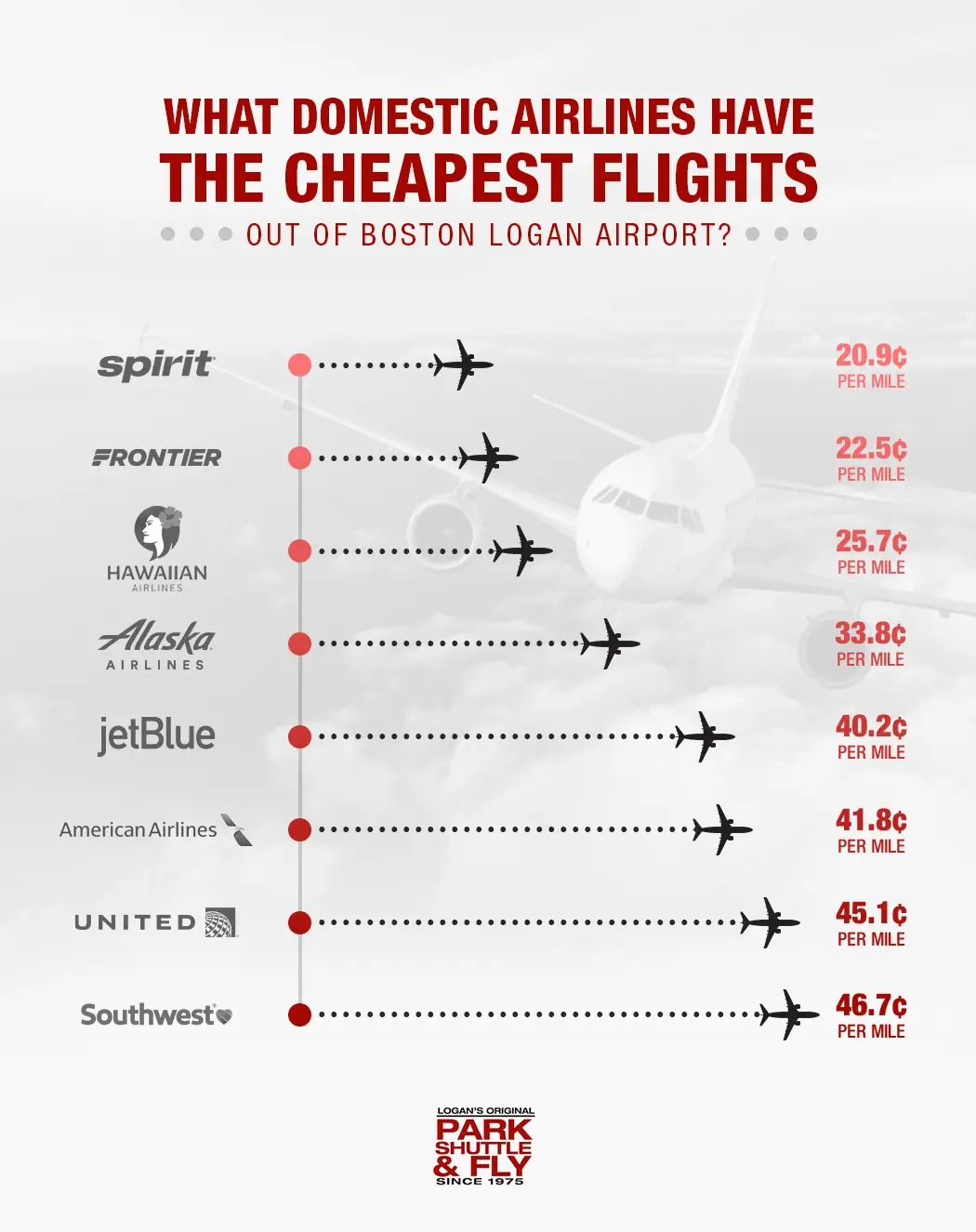
- Embracing Budget Airlines: Airlines like Ryanair, EasyJet, Southwest, and Spirit offer incredibly low base fares. Their financial model relies heavily on ancillary fees (baggage, seat selection, food, etc.). If you can travel light, without checked bags, and are comfortable with fewer amenities, these airlines offer unparalleled value. Just be meticulous in understanding their fee structure to avoid surprises.
These strategies require a trade-off between convenience and cost, but for the financially motivated traveler, they represent powerful avenues for savings.
Beyond the Ticket: Holistic Travel Budgeting
Finding the cheapest flight is a significant victory, but it’s only one component of a financially sound travel plan. A truly savvy traveler considers the entire journey.
Accounting for the Total Cost of Your Journey
Remember that the flight is just one expense. When comparing options, always think about the total financial outlay:
- Ground Transportation: How much will it cost to get to and from the airports? Are you paying for taxis, rideshares, public transport, or long-term parking?
- Accommodation: Where will you stay, and at what cost? Sometimes a cheaper flight lands you in a city with more expensive hotels, negating your flight savings.
- Food and Activities: Budget for meals, attractions, tours, and incidental expenses.
- Visa and Insurance: Don’t forget the cost of any necessary travel visas or comprehensive travel insurance, which is a crucial financial safeguard.
A holistic view of your travel budget ensures that savings on flights aren’t simply shifted to other categories, leading to a truly cheaper trip.

Building a Sustainable Travel Fund
The ultimate financial strategy for securing cheap flights is to plan ahead and save consistently.
- Dedicated Savings Account: Set up a separate savings account specifically for travel. Even small, regular contributions can grow into a substantial travel fund, allowing you to seize opportunities for cheap flights when they arise, rather than being limited by immediate cash flow.
- Budgeting and Tracking: Incorporate travel savings into your regular budget. Track your spending to identify areas where you can cut back and reallocate funds towards your travel goals.
- Online Income and Side Hustles: Explore online income opportunities or side hustles to generate extra cash specifically for your travel fund. This supplemental income can dramatically accelerate your savings and open up more travel possibilities.
By consistently planning and saving, you empower yourself to be financially ready when that unbeatable flight deal appears, transforming the elusive “cheapest flight” into a regular part of your travel repertoire. The pursuit of affordable airfare is a financial discipline, and with these strategies, you can master it, ensuring your travel dreams remain well within your budget.
aViewFromTheCave is a participant in the Amazon Services LLC Associates Program, an affiliate advertising program designed to provide a means for sites to earn advertising fees by advertising and linking to Amazon.com. Amazon, the Amazon logo, AmazonSupply, and the AmazonSupply logo are trademarks of Amazon.com, Inc. or its affiliates. As an Amazon Associate we earn affiliate commissions from qualifying purchases.