
The question “what is the price of Amazon stock?” is deceptively simple, yet it unlocks a vast and dynamic world of finance, investment, and market analysis. Amazon (AMZN) is not merely an e-commerce giant; it’s a global conglomerate whose tentacles reach into cloud computing (Amazon Web Services or AWS), digital advertising, streaming entertainment, logistics, and even artificial intelligence. Consequently, its stock price is a critical barometer for the broader technology sector and, often, for consumer sentiment and global economic health. For both seasoned investors and curious newcomers, understanding this price involves more than just looking up a number; it requires delving into the forces that shape its valuation, its historical journey, and its potential future trajectory.
At any given second during market hours, Amazon’s stock price reflects the collective wisdom, fears, and expectations of millions of investors worldwide. It’s a snapshot, constantly fluctuating based on a myriad of factors—from quarterly earnings reports and macroeconomic indicators to competitive pressures and technological breakthroughs. This article will demystify Amazon’s stock price, exploring how it’s determined, what influences its movements, and what considerations are paramount for anyone looking to invest in this iconic company.
Understanding Amazon Stock (AMZN) Basics
Before diving into the complexities of market dynamics, it’s crucial to grasp the fundamental elements of what an Amazon stock quote represents and where to find this information. The stock market, at its core, is a marketplace where shares of publicly traded companies are bought and sold, with the price determined by supply and demand.
The Ticker Symbol and Market Capitalization
Every publicly traded company is identified by a unique ticker symbol. For Amazon, this is AMZN. This symbol is your key to tracking the stock on any financial platform. When you see AMZN, you’re looking at Amazon.com Inc. Its market capitalization, often shortened to “market cap,” is another vital piece of information. This is calculated by multiplying the current share price by the total number of outstanding shares. Amazon’s market cap places it among the largest companies globally, signifying its immense scale and influence. A high market cap often indicates a stable, well-established company, but it doesn’t necessarily guarantee future growth or immunity from market downturns.
Reading the Stock Quote
A typical stock quote provides a wealth of information beyond just the current price. You’ll usually see:
- Last Price: The most recent price at which a trade occurred. This is the “price” most people refer to.
- Change/Change %: The absolute and percentage difference from the previous day’s closing price. This tells you if the stock is up or down today.
- Open: The price at which the stock began trading at the start of the current trading day.
- High/Low (Day): The highest and lowest prices the stock has traded at during the current day.
- 52-Week High/Low: The highest and lowest prices the stock has traded at over the past year, providing a broader context for its volatility.
- Volume: The total number of shares traded during the day, indicating liquidity and investor interest. Higher volume can suggest stronger conviction behind price movements.
- P/E Ratio (Price-to-Earnings): A common valuation metric that compares the stock price to the company’s earnings per share, giving an idea of how much investors are willing to pay for each dollar of earnings.
- Dividend Yield: While Amazon historically does not pay a dividend, for other stocks, this shows the annual dividend payment as a percentage of the stock price.
Understanding these metrics allows an investor to get a holistic view of the stock’s performance and valuation, rather than just a single number.
Where to Find Real-Time Prices
In today’s digital age, real-time Amazon stock prices are readily accessible. Popular sources include:
- Financial News Websites: Major outlets like Bloomberg, Reuters, The Wall Street Journal, and CNBC provide live stock quotes.
- Search Engines: A simple search on Google or Bing for “AMZN stock price” or “Amazon stock price” will usually yield the current quote, often with a brief chart.
- Brokerage Platforms: If you have an investment account with a broker like Fidelity, Charles Schwab, E*TRADE, or Robinhood, their platforms offer comprehensive real-time data, charting tools, and news feeds.
- Dedicated Financial Apps: Apps like Yahoo Finance, Investing.com, or directly from your brokerage provide portable access to market data.
While most of these sources offer nearly real-time data, some might have a slight delay (e.g., 15 minutes) unless you have a professional subscription. For most retail investors, this slight delay is negligible.
Key Factors Influencing Amazon’s Stock Price
Amazon’s stock price is a complex interplay of internal business performance, external economic forces, market sentiment, and competitive dynamics. Understanding these drivers is essential for any investor.
Company Fundamentals and Earnings
At its core, a company’s stock price should reflect its underlying financial health and future prospects. For Amazon, this means scrutinizing:
- Revenue Growth: Amazon’s ability to continue expanding its top-line revenue, particularly from high-margin segments like AWS and advertising, is a primary driver. Sustained double-digit growth signals a robust business.
- Profitability and Margins: Beyond revenue, investors look at net income, operating margins, and free cash flow. Improved profitability, especially as the company matures, can significantly boost investor confidence.
- Quarterly Earnings Reports: These reports, released four times a year, are critical events. They detail the company’s performance against analyst expectations (EPS and revenue beats or misses), provide forward guidance, and often cause significant short-term price movements.
- Innovation and Expansion: Amazon’s continuous investment in new technologies (AI, logistics automation), new markets, and new services (e.g., healthcare ventures) signals future growth potential and competitive advantage.
Macroeconomic Trends
Broader economic conditions play a significant role in influencing investor behavior and, consequently, Amazon’s stock price.
- Interest Rates and Inflation: Higher interest rates can make future earnings less valuable (discounting future cash flows more heavily) and increase borrowing costs for Amazon. Inflation can impact consumer spending power and raise Amazon’s operational costs.
- Consumer Spending and Economic Growth: As a major retailer, Amazon is highly sensitive to consumer confidence and overall economic growth. A strong economy often translates to higher discretionary spending, benefiting Amazon’s e-commerce and advertising segments.
- Global Economic Health: Amazon’s international presence means that economic conditions in key markets outside the U.S. also influence its performance. Geopolitical stability and global trade dynamics can impact its supply chains and market access.
Industry Competition and Innovation
Amazon operates in highly competitive industries, and its ability to maintain dominance and innovate directly affects its stock valuation.
- E-commerce: Competition from Walmart, Target, eBay, and countless niche online retailers challenges Amazon’s market share.
- Cloud Computing (AWS): While a leader, AWS faces fierce competition from Microsoft Azure and Google Cloud, requiring continuous innovation and competitive pricing.
- Digital Advertising: Amazon competes with Google and Meta for advertising dollars, leveraging its vast customer data and platform.
- Technological Breakthroughs: Amazon’s ability to lead or adapt to new technologies, such as advancements in AI, logistics, or sustainable practices, is crucial for long-term growth and investor appeal. Failure to innovate could lead to stagnation.
Investor Sentiment and Market Psychology

Sometimes, the market isn’t entirely rational. Investor sentiment, often driven by news cycles, social media, and broader market trends, can cause significant short-term fluctuations.
- News and Media Coverage: Positive or negative news (e.g., product launches, executive changes, controversies) can quickly sway investor opinions.
- Analyst Ratings: Upgrades or downgrades from major financial institutions often trigger immediate price reactions.
- Retail vs. Institutional Investors: The collective actions of millions of individual investors (retail) and large funds (institutional) contribute to supply and demand dynamics.
- Broader Market Trends: Even a strong company like Amazon can be affected by a general market downturn (bear market) or rally (bull market), as investors often move in unison across different stocks.
Regulatory Environment and Geopolitics
Governments worldwide are increasingly scrutinizing large tech companies like Amazon, posing potential headwinds.
- Antitrust Concerns: Investigations or potential regulations regarding market dominance, competitive practices, and data handling could impact Amazon’s business model and growth avenues.
- Data Privacy Laws: Stricter regulations (like GDPR in Europe) can increase compliance costs and potentially limit data utilization.
- International Trade Policies: Tariffs, trade disputes, and changing international tax laws can affect Amazon’s global supply chains and profitability.
Investing in Amazon: More Than Just the Price
For prospective investors, looking solely at the current price of Amazon stock is insufficient. A holistic approach involves understanding various investment philosophies, risk management, and the company’s historical context.
Growth vs. Value Investing Perspective
Different investors approach Amazon from varying viewpoints:
- Growth Investors: Historically, Amazon has been the quintessential growth stock, reinvesting profits to fuel expansion rather than distributing them. Growth investors are willing to pay a premium for companies with high revenue growth, expanding market share, and innovative products, believing future earnings will justify today’s valuation.
- Value Investors: As Amazon matures, some value investors might begin to analyze its fundamentals more critically, seeking whether its intrinsic value justifies its current market price, especially considering its profitability and cash flow generation. While Amazon doesn’t fit the traditional “deep value” mold, its scale and predictable cash flows from AWS might attract long-term value-oriented funds.
Diversification and Risk Management
Even with a seemingly robust company like Amazon, prudent investing dictates the importance of diversification. Putting all your investment capital into a single stock, no matter how strong, exposes you to significant unsystematic risk—risks specific to that company. A well-diversified portfolio spreads risk across various asset classes, industries, and geographies, cushioning the impact of any single stock’s poor performance. Amazon might be a strong component of a portfolio, but it rarely should be the only component.
Long-Term vs. Short-Term Trading
Amazon’s stock can be highly volatile in the short term, reacting sharply to news, earnings, or market sentiment.
- Long-Term Investors: Many financial advisors recommend investing in strong companies like Amazon with a long-term horizon (years, even decades). This approach allows investors to ride out short-term market fluctuations and benefit from the company’s compounding growth over time.
- Short-Term Traders: These individuals attempt to profit from daily or weekly price movements. While potentially lucrative, short-term trading is inherently riskier, requires significant market knowledge, and is generally not recommended for novice investors.
The Impact of Stock Splits
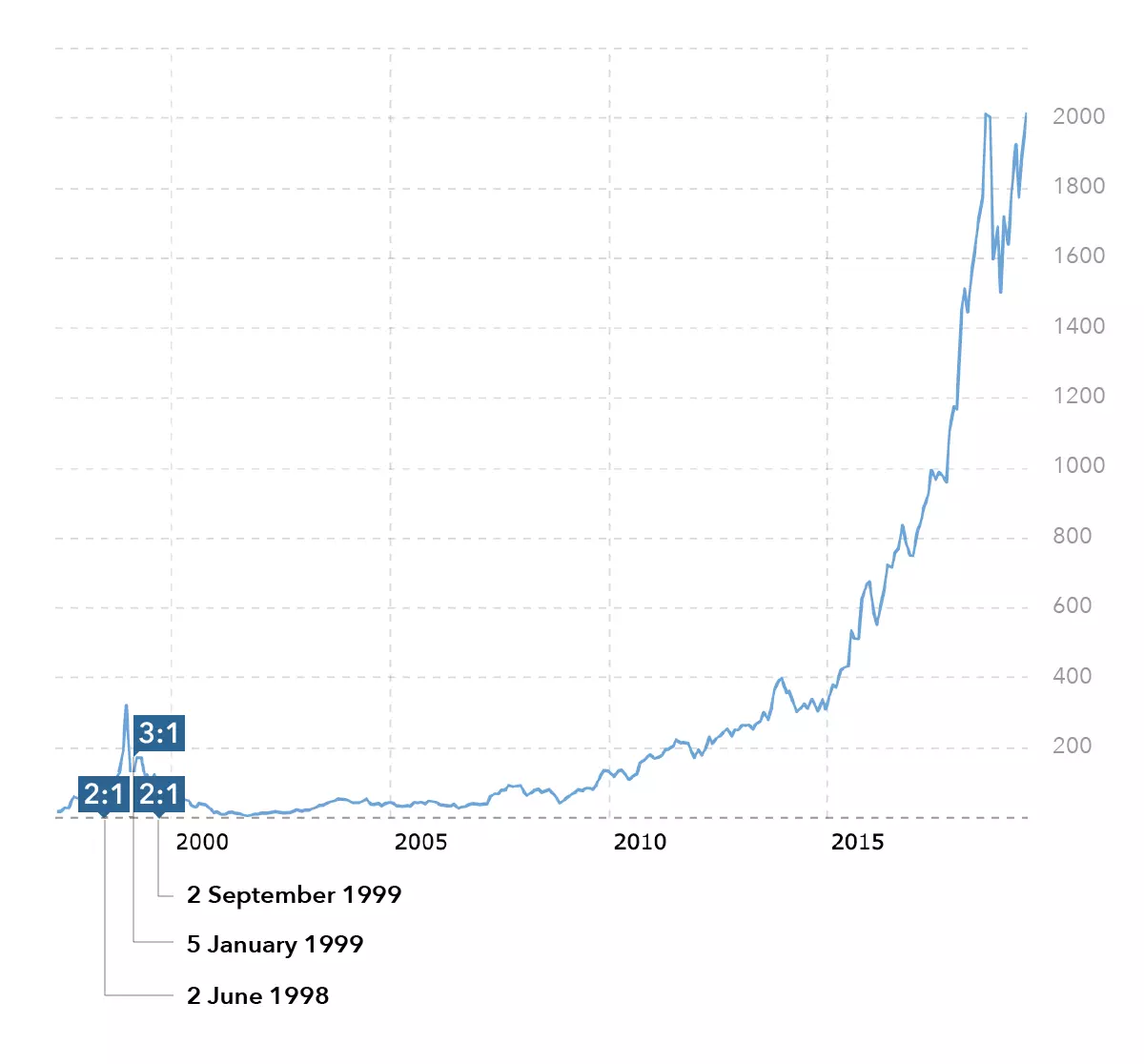
It’s important to understand stock splits, as Amazon underwent a significant 20-for-1 stock split in June 2022. A stock split divides existing shares into multiple new shares, reducing the per-share price but not changing the total value of an investor’s holdings. For example, if you owned one share worth $2,000, after a 20-for-1 split, you would own 20 shares each worth $100. The total value remains $2,000. Splits often make high-priced stocks more accessible to smaller investors and can increase trading liquidity, though they don’t fundamentally change the company’s underlying value.
Navigating Volatility and Making Informed Decisions
Investing in any stock, including Amazon, involves navigating market volatility. Informed decision-making, based on thorough research and a clear understanding of your financial goals, is paramount.
Historical Performance and Trends
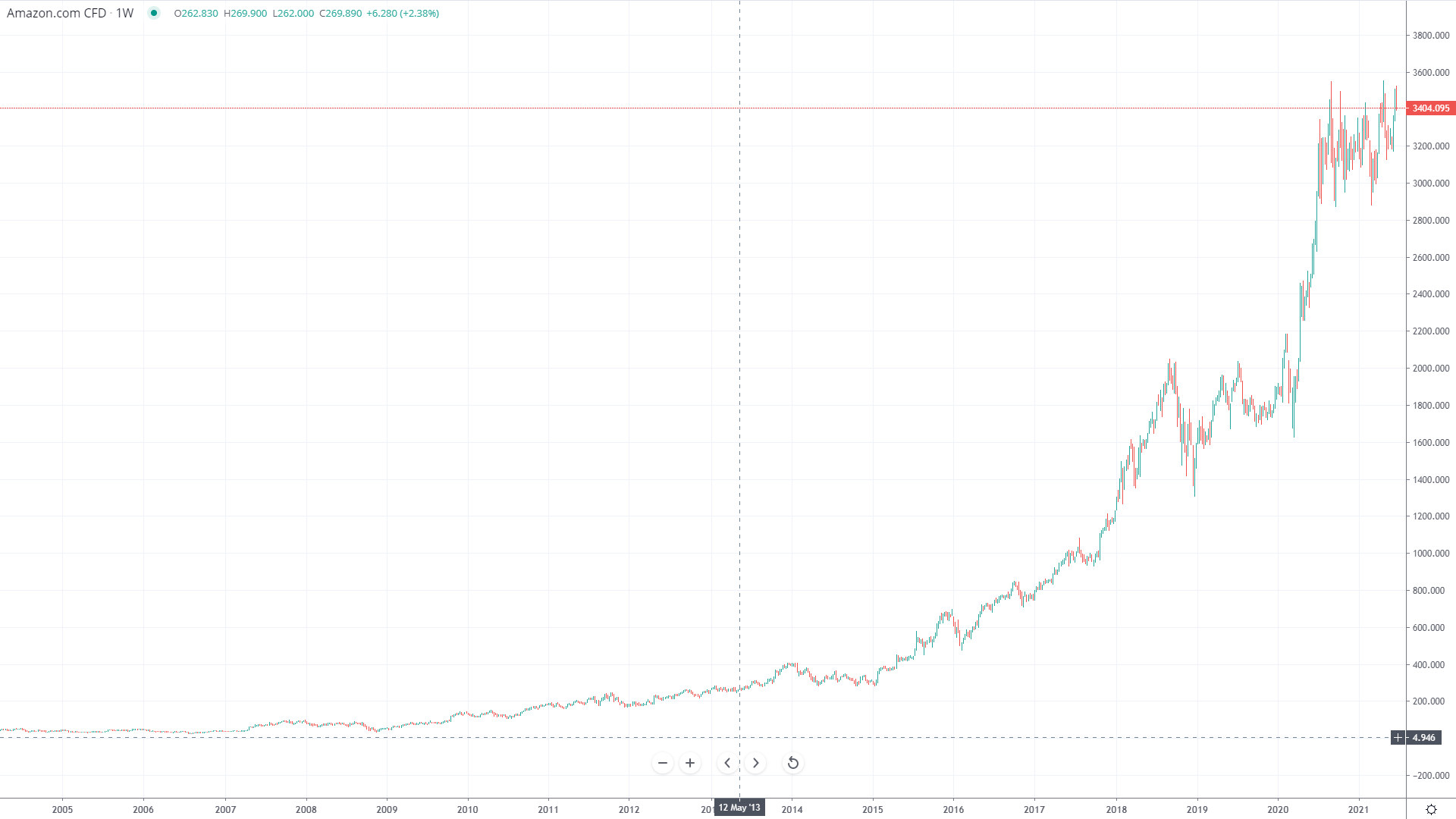
Amazon’s stock history is one of remarkable growth, transforming from an online bookseller to a tech behemoth. Its journey includes periods of immense gains, significant downturns (like the dot-com bust), and sustained recovery. Analyzing its historical price charts can reveal patterns of growth, periods of consolidation, and reactions to major economic events. While past performance is never an indicator of future results, it offers valuable context for understanding the stock’s resilience and long-term trajectory.
Analyst Ratings and Price Targets
Many financial analysts follow Amazon closely, publishing research reports, ratings (buy, hold, sell), and price targets (their projection of where the stock will trade within a certain timeframe, usually 12 months). These can be useful for understanding expert consensus and different viewpoints. However, they are just opinions, and investors should never solely rely on analyst ratings. Discrepancies exist, and their predictions can be wrong. It’s crucial to understand the rationale behind an analyst’s rating rather than just blindly following it.
Due Diligence and Continuous Learning
Ultimately, making an informed decision about Amazon stock requires independent due diligence. This involves:
- Reading Earnings Transcripts: Understand management’s outlook, strategies, and challenges.
- Following Industry News: Stay updated on competitive landscape, technological shifts, and regulatory developments.
- Evaluating Financial Statements: Learn to read balance sheets, income statements, and cash flow statements.
- Understanding Your Own Risk Tolerance: Align your investment choices with your comfort level for risk and your personal financial goals.
The financial markets are constantly evolving. Continuous learning and adapting your knowledge are essential for successful investing, especially when dealing with a dynamic company like Amazon.
In conclusion, the “price of Amazon stock” is far more than a simple numerical value. It’s a dynamic reflection of a vast, complex ecosystem of corporate performance, economic forces, competitive battles, and human psychology. For those looking to invest, understanding these layers provides the foundation for making insightful, professional, and potentially rewarding financial decisions, extending far beyond a quick glance at today’s trading number.
aViewFromTheCave is a participant in the Amazon Services LLC Associates Program, an affiliate advertising program designed to provide a means for sites to earn advertising fees by advertising and linking to Amazon.com. Amazon, the Amazon logo, AmazonSupply, and the AmazonSupply logo are trademarks of Amazon.com, Inc. or its affiliates. As an Amazon Associate we earn affiliate commissions from qualifying purchases.