
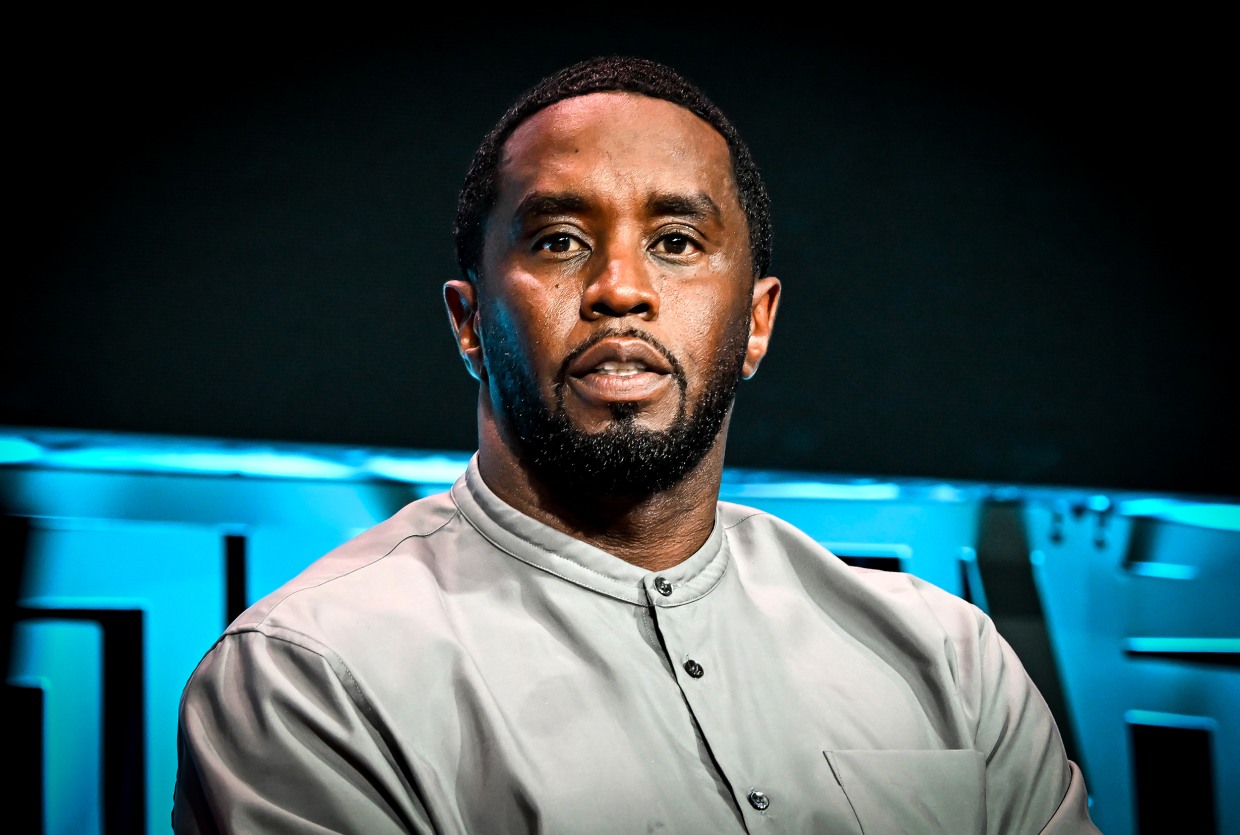
The name “Diddy”—formerly known as P. Diddy, Sean Combs, and Puff Daddy—has long served as one of the most prominent case studies in the history of personal branding. For over three decades, the entity known as Diddy was more than just a musical artist; he was a vertical integration of lifestyle, luxury, and cultural influence. However, recent legal developments and the subsequent public fallout represent a tectonic shift in how we perceive the longevity and fragility of a personal brand. When a brand built on “the good life” becomes inextricably linked to controversy, the mechanisms of corporate image management, strategic silence, and crisis communication are put to their ultimate test.

The Architecture of the Diddy Brand Identity
To understand why the current developments are so significant, one must first look at the foundation upon which the Diddy brand was constructed. Unlike artists who rely purely on musical output, Sean Combs built his empire on the concept of aspirational lifestyle branding. He was not just selling songs; he was selling the idea of success, excess, and elite access.
The Evolution of the “Bad Boy” Archetype
The branding trajectory started with Bad Boy Records, which defined the hip-hop sound of the 1990s. By branding himself as the curator of talent—the man behind the curtain—he established a position of authority. He transitioned from being a performer to a producer, then to an executive, and finally to a lifestyle titan. This allowed him to decouple his brand from the inherent volatility of a musical career. If a new act failed, the brand of the “CEO” remained intact.
Diversification as a Brand Strategy
The brilliance of the Diddy brand lay in its diversification. By moving into spirits (Cîroc), fashion (Sean John), and media (REVOLT), he effectively institutionalized his name. The brand was no longer a person; it was a business ecosystem. This is a common strategy in high-level personal branding: build a corporate identity that feels distinct from the individual, providing a buffer during minor PR hiccups. However, this strategy assumes the individual remains a clean vehicle for the brand’s values. When the individual’s conduct threatens the corporate entity, the house of cards is structurally compromised.
The Financial Fallout and Corporate Disassociation
In the realm of personal branding, there is a point of no return where the personal reputation becomes a “toxic asset” for any associated corporate interests. In the past year, we have witnessed a clinical execution of brand shedding by major corporate partners. This is not merely a moral stance; it is a fiduciary requirement for stakeholders.
Contractual Severance and Asset Valuation
When a brand identity becomes radioactive, the first step for corporate partners is formal disassociation. The termination of high-profile partnerships, the removal of the mogul from board positions, and the freezing of promotional campaigns are standard operating procedures in crisis management. For investors, the concern is “brand contamination”—the fear that the negative equity of the individual will migrate to the products they endorse.
The Illusion of “Too Big to Fail”
The Diddy situation highlights a common fallacy in branding: the idea that a brand can grow so large that it becomes immune to individual failings. In truth, the larger the brand, the more surface area there is for reputational damage to settle. When a primary spokesperson becomes entangled in legal scandals, the corporate entities they lead often find themselves in an existential crisis. The branding lesson here is stark: if your company’s corporate identity is too reliant on a single individual’s “legendary” status, your business model is inherently high-risk.

The Psychology of Public Perception and Brand Erosion
The court of public opinion acts much faster and more ruthlessly than the judicial system. For a brand that relied on “the party” and “the lifestyle,” the shift in public perception has been swift and unforgiving. The brand identity of “Diddy” was rooted in aspirational luxury, but once the narrative shifted toward allegations of systemic abuse, the luxury image became inherently grotesque.
Narrative Recontextualization
Social media has played a definitive role in how the brand is being re-evaluated. Archival footage that was once viewed as proof of his “magnanimous lifestyle” is now being recontextualized as evidence of coercive control or unchecked hubris. This is the danger of a brand built on personality—the audience has the power to edit your life story in real-time. Once the public creates a new meta-narrative, the branding professional is largely powerless to stop it.
Crisis Management vs. Reputation Destruction
Standard crisis management strategies involve “controlling the narrative,” issuing apologies, or taking a hiatus. However, when the scope of the allegations reaches the level seen in the current Diddy case, traditional PR strategies often fail. The brand is no longer dealing with a PR problem; it is dealing with a complete collapse of its core value proposition. When the “product” being sold is the person’s character, and that character is destroyed, there is no rebranding effort that can salvage the original identity.
Lessons for Future Brand Builders
The trajectory of the Diddy brand serves as a masterclass in the dangers of conflating personal identity with professional enterprise. For those looking to build enduring brands, the lessons are sobering.
Separate the “Person” from the “Company”
One of the primary mistakes in personal branding is the inability to create a distinct distance between the individual and the legal entity. By naming products and companies after oneself, a founder creates a single point of failure. Future entrepreneurs should look toward “House of Brands” strategies rather than “Branded House” strategies where the individual is the central pillar.
The Sustainability of Values-Based Branding
In the modern economy, audiences are increasingly sensitive to brand integrity. If your brand is built on a specific persona, your private life will inevitably be scrutinized. The more you lean into the “lifestyle” aspect of your brand, the more you invite the public to judge your morality, not just your product. True sustainability in branding comes from providing consistent value that is independent of the founder’s personal antics.
Transparency and Accountability
The rise and fall of the Diddy brand will likely be studied in marketing curriculums for decades. It illustrates that no amount of wealth or cultural influence can insulate a brand from a fundamental breakdown in trust. In the digital age, transparency is not just a marketing tactic; it is the currency that keeps a brand alive. Once that currency is devalued, the bankruptcy of the brand is inevitable.
Ultimately, what is “new” with Diddy is not just the legal status of an individual; it is the observation of a legacy being systematically dismantled. It reminds us that at the pinnacle of any brand—whether it be a tech mogul, a fashion icon, or a hip-hop pioneer—lies the human element. If that element falters, the entire infrastructure of the brand will follow suit. The story of Sean Combs will serve as the definitive warning for the era of the personal brand: reputation is the most fragile, yet most vital, asset any entrepreneur holds. Protecting it requires more than just high-level PR; it requires a genuine alignment between the public image and private conduct. As the dust settles on this particular brand saga, the industry will undoubtedly pivot toward more decentralized, institutional models of branding that prioritize longevity over individual celebrity.
aViewFromTheCave is a participant in the Amazon Services LLC Associates Program, an affiliate advertising program designed to provide a means for sites to earn advertising fees by advertising and linking to Amazon.com. Amazon, the Amazon logo, AmazonSupply, and the AmazonSupply logo are trademarks of Amazon.com, Inc. or its affiliates. As an Amazon Associate we earn affiliate commissions from qualifying purchases.