
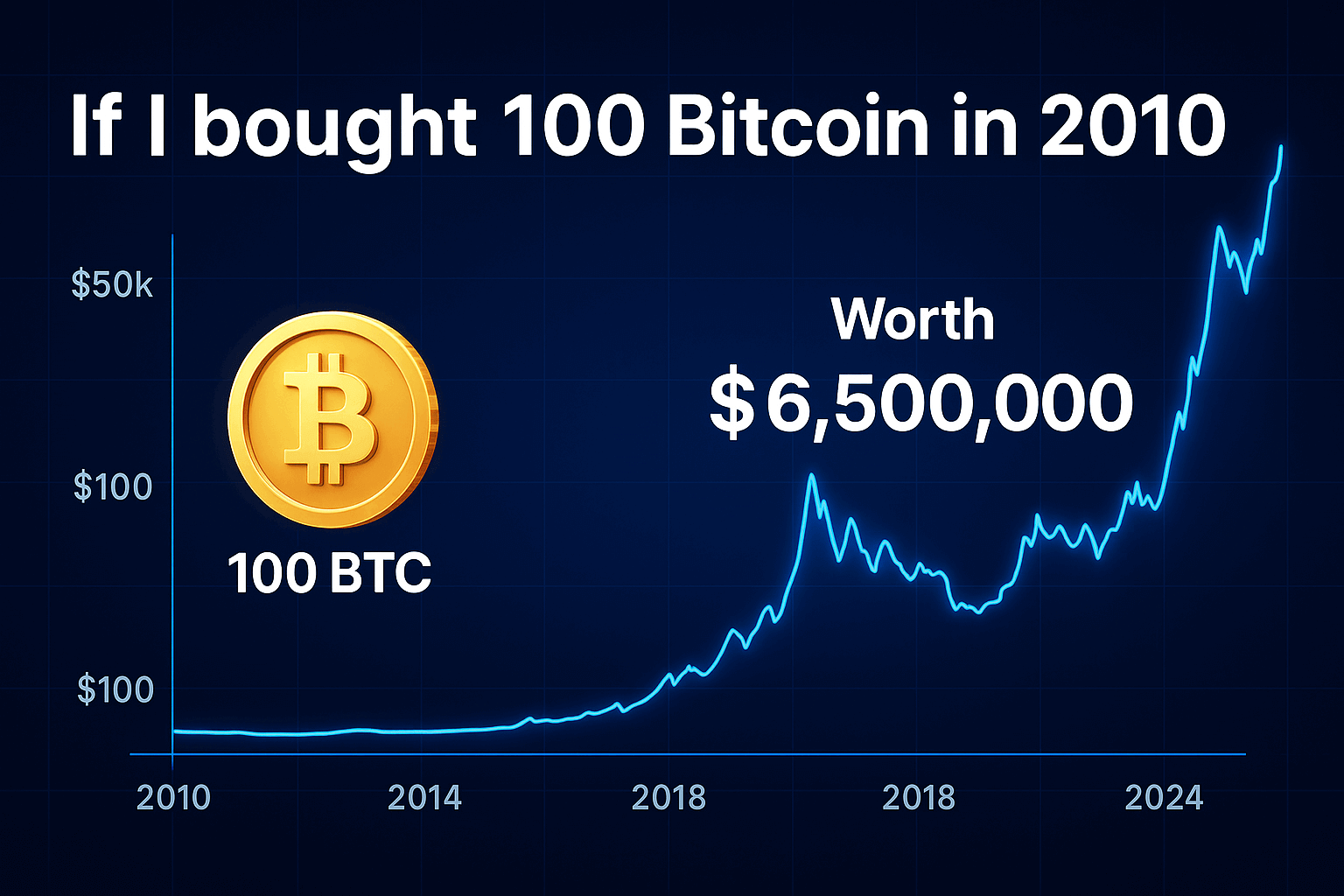
In the annals of financial history, few assets have captured the imagination and delivered returns as dramatically as Bitcoin. Yet, for many, its origins remain shrouded in myth and misinformation, particularly concerning its initial valuation. To truly appreciate Bitcoin’s journey and extract valuable lessons for modern investing, it’s crucial to look back at its nascent stages, specifically to the year 2010. This period represents a unique snapshot of an asset with virtually no market value, brimming with speculative potential that only a handful could truly foresee. Understanding Bitcoin’s worth in 2010 isn’t just a historical curiosity; it’s a profound case study in identifying disruptive financial innovations, the power of early-stage investment, and the inherent risks of pioneering new asset classes.
The Dawn of a Digital Asset: Bitcoin’s Genesis in 2010
The year 2010 was a pivotal moment for Bitcoin, moving it from a theoretical concept to a nascent digital currency with rudimentary, albeit significant, real-world utility. Launched just over a year prior by the enigmatic Satoshi Nakamoto, Bitcoin in 2010 was primarily an obscure project known only to cryptographers, cypherpunks, and a handful of tech enthusiasts. Its existence was a testament to the idea of a decentralized, peer-to-peer electronic cash system, free from government or institutional control.
A Vision of Decentralized Currency
Bitcoin’s foundational whitepaper, published in October 2008, laid out a radical vision: a purely peer-to-peer version of electronic cash that would allow online payments to be sent directly from one party to another without going through a financial institution. This vision resonated deeply with individuals disillusioned by the 2008 financial crisis and seeking alternatives to traditional banking systems. In 2010, the Bitcoin network was still very small, secured by a limited number of miners, and its primary function was to prove the viability of its underlying blockchain technology. From an investment perspective, its initial value derived almost entirely from its theoretical promise and the ideological conviction of its early adopters rather than any established market demand or intrinsic utility. It was an unproven experiment, a digital gold rush yet to begin, appealing to those with an appetite for extreme risk and a belief in its potential to disrupt the financial paradigm.
Early Adoption and the First Trades
While today Bitcoin trades on hundreds of global exchanges with sophisticated financial instruments, 2010 was a starkly different landscape. There were no regulated exchanges, no elaborate trading platforms, and certainly no institutional investors. Transactions typically occurred directly between individuals through forums like Bitcointalk.org, or through nascent, often rudimentary, over-the-counter (OTC) services. The primary method for “acquiring” Bitcoin was mining it using personal computers, a process that was accessible to anyone with basic technical knowledge.
The first significant real-world transaction involving Bitcoin occurred on May 22, 2010, when Laszlo Hanyecz famously paid 10,000 BTC for two pizzas. At the time, this transaction valued Bitcoin at an astonishingly low rate, effectively $0.0025 per coin (given the pizzas cost around $25). This event, now celebrated as “Bitcoin Pizza Day,” is often cited not just for its novelty but as the first instance of Bitcoin demonstrating tangible monetary value, however small. It marked a crucial step in Bitcoin’s evolution from a purely academic or experimental project to a medium of exchange, albeit one with an incredibly volatile and illiquid market.
Understanding Bitcoin’s Initial Scarcity and Utility (from an Investment Perspective)
From an investment standpoint, Bitcoin’s design inherent scarcity, capped at 21 million coins, was a crucial factor, even in its early days. This fixed supply, combined with a predictable issuance schedule (halving every four years), made it fundamentally different from fiat currencies, which can be printed ad infinitum. However, in 2010, this scarcity was largely theoretical. The circulating supply was still relatively low, and demand was almost non-existent outside of a niche community.
Its utility was also rudimentary. Beyond speculative transfers and the occasional purchase on a forum, Bitcoin had limited practical applications. Yet, for early investors, the perceived utility lay in its potential: a censorship-resistant, borderless digital currency capable of facilitating anonymous transactions. This “potential utility” was the primary driver of its early, albeit tiny, valuation. It was a bet on a future where digital scarcity and decentralized finance would hold significant sway, a bet that has, against all odds, paid off handsomely for those who saw beyond the prevailing skepticism.
Pinpointing Bitcoin’s Value in its Infancy
Determining an exact, universally accepted “worth” for Bitcoin in 2010 is challenging due to the fragmented nature of its early market. Unlike today, where real-time prices are available across multiple high-liquidity exchanges, Bitcoin’s value back then was more a function of individual agreements and isolated transactions. Nevertheless, various historical data points and community discussions provide a clear picture of just how negligible its financial valuation truly was.
The Elusive Official Price: Early Trading Mechanics
In the absence of established exchanges, Bitcoin’s price was largely determined by supply and demand on online forums and direct trades. The first “exchange” was BitcoinMarket.com, launched in March 2010. Its initial listed price was $0.003 per Bitcoin, set by its founder to enable trading. This was the first time an actual market rate, however small, was established in a semi-organized fashion. It was a far cry from the sophisticated order books and market depth we see today, but it represented a crucial step in formalizing Bitcoin’s financial identity. Trades were often manual, involving PayPal or bank transfers, adding layers of friction and risk, which naturally suppressed potential demand and price appreciation.
Throughout 2010, Bitcoin’s price remained incredibly low. It hovered around fractions of a cent for much of the year. By July 2010, Bitcoin’s price saw its first significant surge, moving from $0.008 to $0.08 in just five days, an astonishing 900% increase. This was largely driven by its mention on popular technology blogs and the growing recognition within niche tech circles. However, this surge was short-lived, and the price soon settled back down, albeit at slightly higher levels than its initial fractions of a cent.
The Infamous Bitcoin Pizza Transaction: A Landmark Valuation
As mentioned, the transaction on May 22, 2010, where 10,000 Bitcoins were exchanged for two pizzas, provides one of the clearest historical benchmarks for Bitcoin’s value. At the time, $25 for two pizzas meant that each Bitcoin was valued at approximately $0.0025. This single transaction, while seemingly trivial then, represents a monumental moment in Bitcoin’s financial journey. It was the first time a widely recognized good was purchased with Bitcoin, assigning it a real-world, albeit minimal, monetary equivalent. For those observing from an investment perspective, it highlighted the asset’s embryonic state, where its financial utility was just beginning to be explored. The sheer scale of that transaction, 10,000 BTC, also underscores how plentiful and cheap Bitcoin was considered at the time.
Initial Exchange Rates: Pennies and Fractions
Throughout 2010, one could acquire Bitcoins for mere pennies. For example, in October 2010, the price for one Bitcoin was typically around $0.10 to $0.30. By the end of 2010, Bitcoin had achieved a price of approximately $0.50 to $0.60 per coin on the burgeoning exchanges. While these figures seem incredibly low by today’s standards, they represented a remarkable appreciation from the fractions of a cent seen earlier in the year. This period of rapid, albeit small, growth hinted at the volatile, speculative nature that would come to define Bitcoin’s market behavior in subsequent years. For early investors, this fluctuation was a taste of the extreme risk and reward potential inherent in pioneering digital assets.
Beyond the Price Tag: The Investment Opportunity Unseen
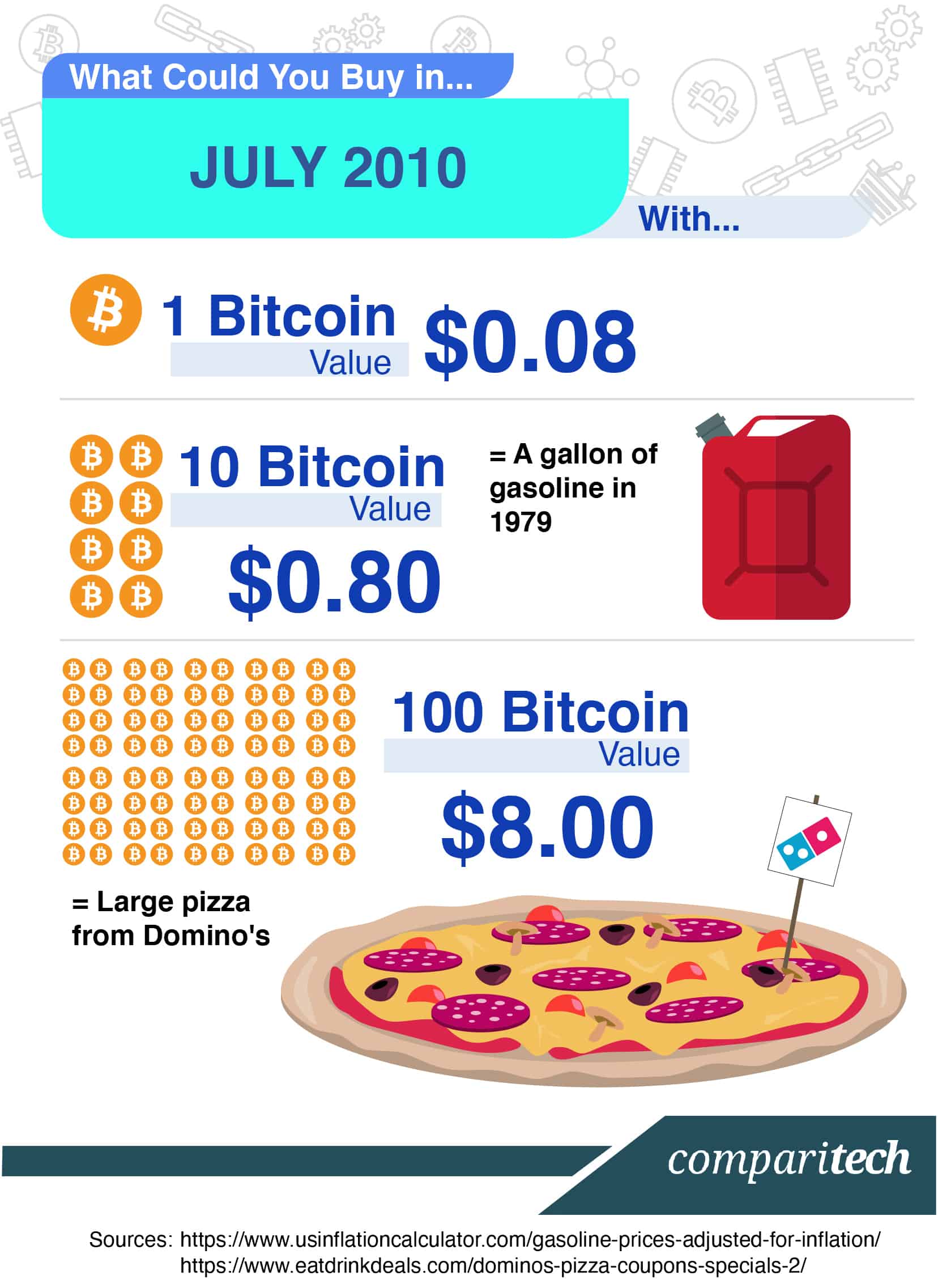
While the numerical value of Bitcoin in 2010 was undeniably low, the true story lies in the profound investment opportunity it represented. For every individual who viewed it as a mere curiosity, there was a nascent understanding among a few visionaries that something fundamentally transformative was taking shape. The lessons from this era are invaluable for anyone looking to understand speculative markets and identify potential disruptors.
The Power of Early-Stage Speculative Investments
Bitcoin in 2010 was the quintessential early-stage speculative investment. It had no historical data, no regulatory framework, minimal adoption, and faced immense skepticism. Yet, it also offered unparalleled upside potential precisely because its valuation was so low. The financial principle here is clear: the greatest returns often come from investments made at the earliest stages of an innovation, provided that innovation eventually gains traction. However, this comes with commensurate risk, as most early-stage projects fail. Bitcoin’s survival and subsequent explosion in value serve as a powerful reminder of the financial rewards possible for those willing to take calculated risks on truly disruptive technologies before they enter the mainstream consciousness. It highlights the potential for astronomical returns when betting on a paradigm shift, even if the odds are long.
The High-Risk, High-Reward Paradigm of Emerging Assets
Investing in Bitcoin in 2010 was not for the faint of heart. The risk of total loss was exceptionally high. The technology was unproven, the network was vulnerable, and there was no guarantee of adoption. It was a digital Wild West. Yet, for those who took that risk, the rewards were astronomical. Someone who invested $100 in Bitcoin when it was $0.10 would have accumulated 1,000 BTC. Holding onto that through Bitcoin’s peak valuations, or even today, would represent a generational wealth transfer. This exemplifies the high-risk, high-reward paradigm inherent in all emerging asset classes. Investors must weigh the potential for exponential gains against the very real possibility of losing their entire investment. Bitcoin’s story provides a vivid illustration of this balance, urging investors to understand their risk tolerance and to only allocate capital they can afford to lose to highly speculative ventures.
Lessons from Hindsight: Identifying Disruptive Financial Innovations
Hindsight is 20/20, but the case of Bitcoin in 2010 offers concrete lessons for identifying future disruptive financial innovations. Key indicators included: a compelling foundational technology (blockchain), a clear value proposition (decentralized money), a dedicated, albeit small, community of developers and early adopters, and a response to a perceived systemic flaw (traditional financial institutions). While not every project with these characteristics will succeed, Bitcoin’s journey underscores the importance of looking beyond current market valuations and understanding the underlying technological and ideological forces driving new ventures. For astute investors, identifying these early signals can be the difference between missing out on a revolution and participating in its genesis. It teaches us to assess not just current utility, but future potential for disruption.
Factors Shaping Early Bitcoin Valuation (Financial Lens)
The incredibly low valuation of Bitcoin in 2010 was not arbitrary; it was the result of a complex interplay of financial and sociological factors inherent in the birth of a new monetary system. Understanding these drivers is crucial for discerning how fledgling assets gain traction and eventual market value.
Supply and Demand Dynamics in a Nascent Market
In 2010, the supply of Bitcoin was increasing steadily through mining, but the demand was virtually non-existent from mainstream financial markets. The lack of infrastructure for easy buying and selling, combined with the general public’s ignorance of its existence, kept demand suppressed. The only demand came from early adopters and ideologically aligned individuals who saw its long-term potential. This extreme imbalance, with burgeoning supply from miners and minimal demand, naturally led to a very low price. As an investment, it was a classic example of an asset trading significantly below its theoretical potential value because the market had yet to discover it. Any increase in demand, however small, against a relatively inelastic supply (due to mining difficulty adjustments and fixed cap), would inevitably lead to significant price movements, which began to be observed in late 2010.
The Role of Community and Developer Confidence
For any new technology to gain traction, a strong community and confident developers are essential. In 2010, Bitcoin had both, albeit on a small scale. The dedicated community on forums like Bitcointalk.org not only discussed the technology but also facilitated early trades and helped onboard new users. The active development by Satoshi Nakamoto (until their disappearance) and other early contributors ensured the network’s stability and continuous improvement. From a financial perspective, this community and developer confidence acted as an ‘invisible’ valuation driver. It signaled the project’s viability and potential longevity, convincing early investors that Bitcoin wasn’t just a fleeting idea but a serious attempt to create a new financial paradigm. This collective belief, though intangible, contributed significantly to Bitcoin’s ability to retain and gradually increase its value beyond pure speculation.
Anonymity and Decentralization as Perceived Value Drivers
While not directly quantifiable in dollars and cents, Bitcoin’s core tenets of anonymity (or pseudonymity) and decentralization were powerful perceived value drivers for its early adopters. In a post-financial crisis world, a system that promised financial sovereignty and freedom from government oversight held immense appeal to a niche but passionate group. This appeal translated into a willingness to invest and use Bitcoin, however cumbersome the process. From a money perspective, these features represented a premium for those prioritizing privacy and control over their finances. This intangible value, baked into the very design of Bitcoin, contributed to its intrinsic worth for its earliest proponents, distinguishing it from traditional financial assets and fostering a loyal base of users who would drive its future adoption and, consequently, its price.
From Pennies to Prosperity: Bitcoin’s Enduring Legacy
The journey from a fraction of a cent in 2010 to a multi-trillion-dollar market capitalization represents one of the most remarkable financial stories of the 21st century. Bitcoin’s humble beginnings in 2010 laid the groundwork for a complete re-evaluation of digital assets and their role in global finance.
The Journey to Mainstream Financial Recognition
Bitcoin’s initial struggle for recognition transformed into widespread adoption and legitimacy over the subsequent decade. From being dismissed as “internet money for criminals” to being embraced by institutional investors, Fortune 500 companies, and even sovereign nations, its trajectory has been meteoric. The value surge throughout the 2010s, culminating in multiple all-time highs, propelled it into mainstream financial discussions. This journey from an obscure digital token to a significant global asset class underscores how truly disruptive innovations, initially dismissed, can fundamentally reshape financial landscapes. It highlights the importance of market education and the gradual acceptance of new technologies as they mature and prove their resilience.
Implications for Modern Portfolio Diversification
The story of Bitcoin’s value in 2010 offers profound implications for modern portfolio diversification. It serves as a stark reminder of the potential for uncorrelated assets to deliver extraordinary returns and enhance overall portfolio performance. While incredibly volatile, Bitcoin has often acted independently of traditional financial markets, offering a unique avenue for diversification. For forward-thinking investors, its early days taught the lesson that a small allocation to high-growth, speculative assets, even those with significant risk, can have an outsized impact on long-term wealth creation. It encourages investors to explore beyond conventional asset classes and consider the role of digital currencies and other emerging technologies in a well-rounded investment strategy.

The Continuing Evolution of Digital Assets and FinTech
Bitcoin’s incredible rise since 2010 has also spawned an entire industry around digital assets and financial technology (FinTech). Its success has validated the underlying blockchain technology, leading to the development of thousands of other cryptocurrencies, decentralized finance (DeFi) protocols, and innovative financial tools. The lessons learned from Bitcoin’s early valuation and growth continue to inform the investment strategies in this rapidly evolving sector. It teaches us about the critical importance of technological innovation, community development, and addressing real-world financial problems in the creation of new asset classes. For investors, the story of Bitcoin in 2010 is not just a tale of past riches, but a guiding principle for navigating the future of finance and identifying the next wave of disruptive investment opportunities.
aViewFromTheCave is a participant in the Amazon Services LLC Associates Program, an affiliate advertising program designed to provide a means for sites to earn advertising fees by advertising and linking to Amazon.com. Amazon, the Amazon logo, AmazonSupply, and the AmazonSupply logo are trademarks of Amazon.com, Inc. or its affiliates. As an Amazon Associate we earn affiliate commissions from qualifying purchases.