
Understanding the Stock Market’s Extended Hours
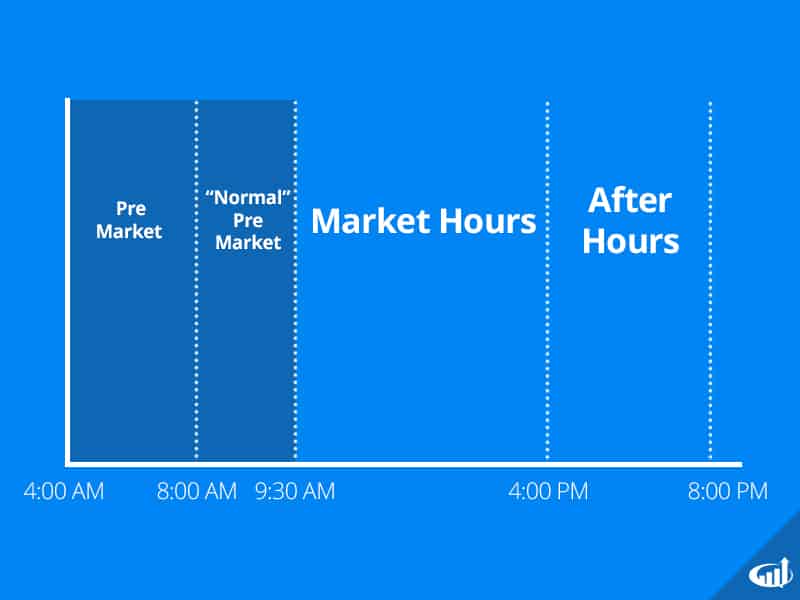
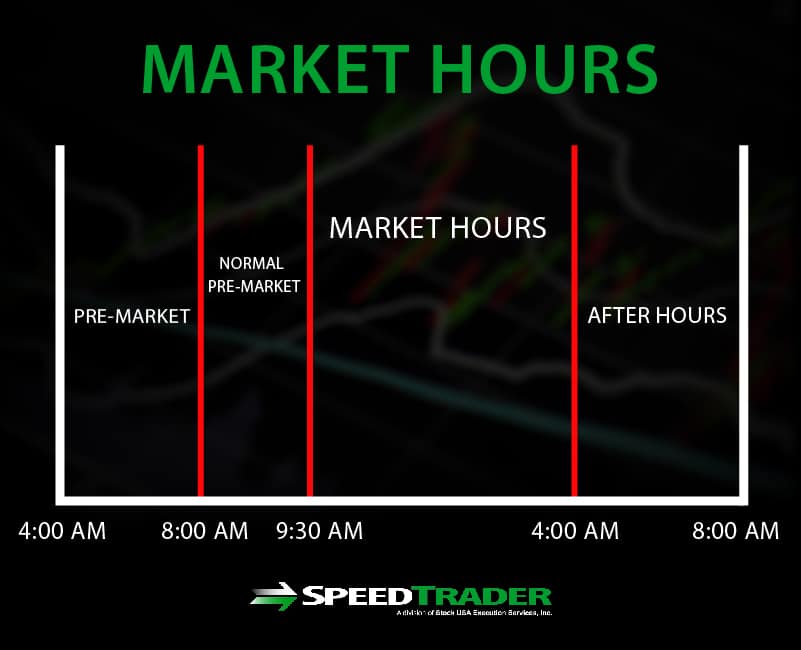
The traditional stock market operates within well-defined “regular hours,” typically from 9:30 AM to 4:00 PM Eastern Time. However, the financial markets are not always dormant outside these hours. “Premarket trading” refers to the buying and selling of securities that occurs before the regular market session officially begins. This window usually spans from 4:00 AM to 9:30 AM ET, though specific times can vary depending on the brokerage firm providing access.
Defining Premarket Trading
Premarket trading is essentially an extension of the trading day, allowing investors to react to news and execute trades outside the conventional market schedule. It’s an electronic environment where buy and sell orders are matched, much like during regular hours, but with distinct characteristics. The ability to trade early stems from the technological advancements in electronic trading platforms and the globalized nature of financial news, which often breaks outside of standard U.S. market hours.
Why Extended Hours Exist
The evolution of electronic communication networks (ECNs) in the late 1990s revolutionized stock trading, making it possible to execute trades almost around the clock. The primary impetus for premarket trading is the need for investors, particularly institutional ones, to respond rapidly to significant market-moving events. Earnings reports, economic data releases, corporate announcements (like mergers, acquisitions, or product launches), and global market movements frequently occur before the U.S. market open. Premarket trading provides an avenue to absorb and react to these developments without waiting for the main trading session, potentially mitigating large price gaps at the open.
The Regulatory Landscape
Premarket trading, while offering flexibility, operates under the same regulatory framework as regular market hours, primarily governed by the Securities and Exchange Commission (SEC). Brokerage firms providing premarket access must adhere to rules regarding best execution, transparency, and fair pricing. However, due to its unique operational characteristics—primarily lower liquidity and higher volatility—investors are often cautioned about the specific risks involved in extended-hours trading.
Mechanics and Participants of Premarket Trading
Premarket trading functions through a sophisticated network of electronic systems and involves a diverse group of market participants, each with their own motivations for engaging in this early-hour activity.
How Premarket Trading Works
Unlike the regular session where orders primarily flow through exchanges like the NYSE and NASDAQ, premarket trading is largely facilitated by Electronic Communication Networks (ECNs). These are automated systems that match buy and sell orders directly, bypassing traditional market makers. When a brokerage firm offers premarket trading, they connect their clients to one or more ECNs.
Investors typically place “limit orders” during premarket hours. A limit order specifies the maximum price an investor is willing to pay to buy or the minimum price they are willing to accept to sell. Market orders, which request immediate execution at the best available price, are often not permitted or are highly discouraged due to the potential for significant price fluctuations and wider bid-ask spreads in less liquid environments.
Who Trades in Premarket
The participants in premarket trading are varied, reflecting a blend of sophistication and speculative intent:
- Institutional Investors: Hedge funds, mutual funds, and other large financial institutions are major players. They use premarket trading to adjust their portfolios in response to major news, earnings reports, or macroeconomic data that could significantly impact their holdings. Their trading desks often operate globally, requiring constant market access.
- Professional Day Traders: Experienced individual traders who specialize in short-term strategies are attracted to the volatility and potential for quick profits offered by premarket movements. They typically have sophisticated tools and direct access to ECNs.
- Arbitrageurs: Traders who look for small price discrepancies between different trading venues or related securities can sometimes find opportunities in premarket, though these are often quickly closed by high-frequency trading algorithms.
- Retail Investors: A growing number of individual investors now have access to premarket trading through their brokerage accounts. While they represent a smaller portion of the overall premarket volume, they can participate to react to news affecting their personal investments.
Key Drivers of Premarket Activity
Premarket trading is not uniformly active across all stocks. Its intensity is driven by specific catalysts:
- Earnings Reports: Many companies release their quarterly earnings reports before the market opens (or after it closes). These reports are a major driver of premarket activity as investors react to revenue, profit, and guidance figures.
- Company-Specific News: Announcements such as product launches, drug trial results, regulatory approvals, M&A deals, or leadership changes can generate substantial premarket interest and volatility in the affected stock.
- Macroeconomic Data: Key economic indicators like inflation reports, jobless claims, or GDP figures, when released premarket, can influence broader market sentiment and lead to early trading in index futures and related ETFs.
- Global Market Movements: Significant events or large price movements in Asian or European markets can spill over into U.S. premarket trading as investors anticipate their impact on domestic stocks.
Advantages and Opportunities
For savvy investors and traders, premarket trading presents unique advantages that can be leveraged, particularly in response to breaking news or evolving market dynamics.
Reacting to News Quickly
The most significant advantage of premarket trading is the ability to react immediately to fresh news. Whether it’s a surprising earnings beat, an unexpected regulatory approval, or a major geopolitical event, information often becomes public outside of regular trading hours. Premarket access allows investors to buy or sell shares before the broader market has a chance to fully process and price in the news. This can mean securing an advantageous entry or exit point ahead of what might be a more chaotic opening bell.
Price Discovery and Early Volatility Capture
Premarket hours play a crucial role in price discovery. The trading activity during this period helps to establish an early consensus on a stock’s valuation in light of new information. For traders, this early volatility can be an opportunity. Stocks with significant premarket moves, especially those driven by high-impact news, can present substantial short-term trading opportunities as prices adjust rapidly. Identifying these early trends can lead to profitable trades if managed correctly.
Executing Orders Ahead of the Open
For investors looking to take a position or exit one before the regular market opens, premarket trading offers a distinct advantage. If an investor anticipates a certain direction for a stock based on premarket news, they can place a limit order to ensure their trade is executed at a desired price, potentially avoiding the large gaps and rapid movements that can occur immediately after the market opens. This is particularly useful for managing portfolio risk or capitalizing on perceived overnight opportunities.
Liquidity for Certain Events
While premarket trading generally suffers from lower overall liquidity compared to regular hours, specific high-profile events can paradoxically concentrate significant liquidity in particular stocks. For example, a major company releasing highly anticipated earnings might see substantial premarket volume as institutional investors and professional traders jockey for position. In these instances, liquidity can be sufficient to execute trades effectively, albeit with careful monitoring of bid-ask spreads.

Risks and Disadvantages
Despite its potential advantages, premarket trading comes with a heightened set of risks that investors must thoroughly understand before participating. These risks are primarily due to the altered trading environment outside of regular market hours.
Lower Liquidity
The most significant disadvantage of premarket trading is the substantially lower liquidity. With fewer participants and less trading volume compared to the regular session, it can be challenging to buy or sell shares without impacting the price. Large orders can move the price significantly against the trader, leading to unfavorable execution. This lower liquidity also results in wider bid-ask spreads, meaning the difference between the highest price a buyer is willing to pay and the lowest price a seller is willing to accept is greater. This wider spread effectively increases the cost of each trade.
Higher Volatility and Price Swings
Lower liquidity exacerbates price volatility. With fewer orders in the book, even a moderate-sized trade can cause a stock’s price to swing dramatically. These rapid and often unpredictable price movements can lead to unexpected losses, especially for inexperienced traders. A stock that shows a strong move up or down in premarket could easily reverse course once the regular market opens and more liquidity enters the system.
Price Uncertainty
The prices observed during premarket trading may not be indicative of where a stock will trade once the regular market opens. This phenomenon, known as a “gap,” occurs when the opening price of a stock is significantly different from its premarket closing price. The limited participant pool and lower volume in premarket can lead to prices that are not fully representative of the market’s true sentiment. Investors who make decisions based solely on premarket prices might find themselves in a disadvantageous position when the full market opens.
Limited Order Types
Many brokerage firms restrict the types of orders that can be placed during premarket hours, often allowing only limit orders. While limit orders are a crucial risk management tool, the absence of market orders or more complex conditional orders can limit a trader’s flexibility and ability to react instantly to rapidly changing conditions. Stop-loss orders, for example, may not function as effectively or may “gap through” desired price points in highly volatile, low-liquidity environments.
Competition with Professionals
Retail investors participating in premarket trading are often competing against highly sophisticated institutional traders, algorithmic trading firms, and professional day traders. These participants have access to advanced trading technology, direct feeds, and deep market insights, giving them a significant edge. Retail investors without similar resources may find themselves at a disadvantage, especially when dealing with complex market dynamics.
Broker Restrictions
Not all brokerage firms offer the same level of access or features for premarket trading. Some may have very limited hours (e.g., starting at 7:00 AM ET instead of 4:00 AM ET), while others may not offer it at all. Account types, commission structures, and minimum balance requirements can also vary, making it essential for investors to understand their specific broker’s rules and capabilities.
Strategies and Best Practices for Premarket Trading
Successfully navigating the premarket environment requires a disciplined approach, an understanding of its unique characteristics, and robust risk management.
Focus on News-Driven Stocks
Premarket trading is largely driven by news. Therefore, the most effective strategy is to concentrate on stocks that have recently released significant information, such as earnings reports, M&A announcements, regulatory approvals, or major product news. These events create the catalysts for movement and often bring the limited liquidity necessary for effective trading. Avoid trading stocks without a clear news catalyst, as their movements are likely to be random and illiquid.
Utilize Technical Analysis with Caution
While technical analysis can provide valuable insights, it must be applied cautiously during premarket hours. Charts can appear choppier and less reliable due to lower volume and liquidity. Focus on strong, clear levels of support and resistance established during previous regular sessions, and look for compelling patterns that are explicitly reinforced by the day’s news. Volume indicators should be carefully monitored, as low volume can invalidate even strong technical signals.
Monitor Volume
Volume is a critical indicator in premarket trading. High premarket volume on a specific stock, especially following a major news release, suggests genuine institutional and professional interest, which can confirm the validity of price movements. Conversely, a stock showing a significant price swing on very low volume should be treated with extreme skepticism, as it could be easily manipulated or quickly reverse. Look for stocks where premarket volume is a substantial fraction of their average daily volume to indicate meaningful activity.
Use Limit Orders Exclusively
Always use limit orders when trading in premarket. This allows you to specify the exact price at which you are willing to buy or sell, protecting you from wide bid-ask spreads and unexpected price gaps that can occur with market orders in illiquid conditions. While a limit order might not always execute, it ensures that if it does, it’s at a price you deem acceptable.
Start Small and Manage Risk
Given the heightened risks of lower liquidity and higher volatility, it is prudent to start with smaller position sizes than you might use during regular trading hours. This allows you to gain experience and understand the market dynamics without exposing a large portion of your capital. Implement strict stop-loss levels to cap potential losses, recognizing that in fast-moving premarket conditions, stop orders might “gap through” your desired price.
Understand Your Broker’s Rules
Before engaging in premarket trading, thoroughly familiarize yourself with your brokerage firm’s specific rules. This includes their exact premarket hours, the types of orders allowed, any special fees or commissions for extended-hours trading, and how stop orders are handled. Not all brokers offer the same capabilities, and some may have stricter requirements or limitations for retail traders.
Avoid Over-Leveraging
The increased volatility in premarket trading makes the use of excessive leverage particularly dangerous. Small adverse price movements, amplified by leverage, can lead to rapid and substantial losses, including margin calls. It is advisable to use minimal or no leverage when trading during these extended hours.
Develop a Robust Trading Plan
A well-defined trading plan is paramount. Before entering a premarket trade, identify your entry and exit points, set clear profit targets, and define your maximum acceptable loss. Understand the news catalyst driving the trade and have a clear thesis for why the stock should move in your anticipated direction. Stick to your plan and avoid impulsive decisions driven by the fast-paced, emotional nature of premarket movements.
aViewFromTheCave is a participant in the Amazon Services LLC Associates Program, an affiliate advertising program designed to provide a means for sites to earn advertising fees by advertising and linking to Amazon.com. Amazon, the Amazon logo, AmazonSupply, and the AmazonSupply logo are trademarks of Amazon.com, Inc. or its affiliates. As an Amazon Associate we earn affiliate commissions from qualifying purchases.