
In an era of unprecedented financial complexity and opportunity, the question “What can I invest in?” resonates with countless individuals seeking to grow their wealth, achieve financial independence, or simply secure their future. Investing is not merely about accumulating assets; it’s about making your money work for you, harnessing the power of compounding, and strategically allocating capital to align with your personal goals and risk tolerance. This comprehensive guide will demystify the investment landscape, exploring a spectrum of options from time-tested traditional assets to modern, alternative avenues, and equip you with the knowledge to embark on your investment journey with confidence.
Laying the Foundation: Before You Invest a Single Dollar
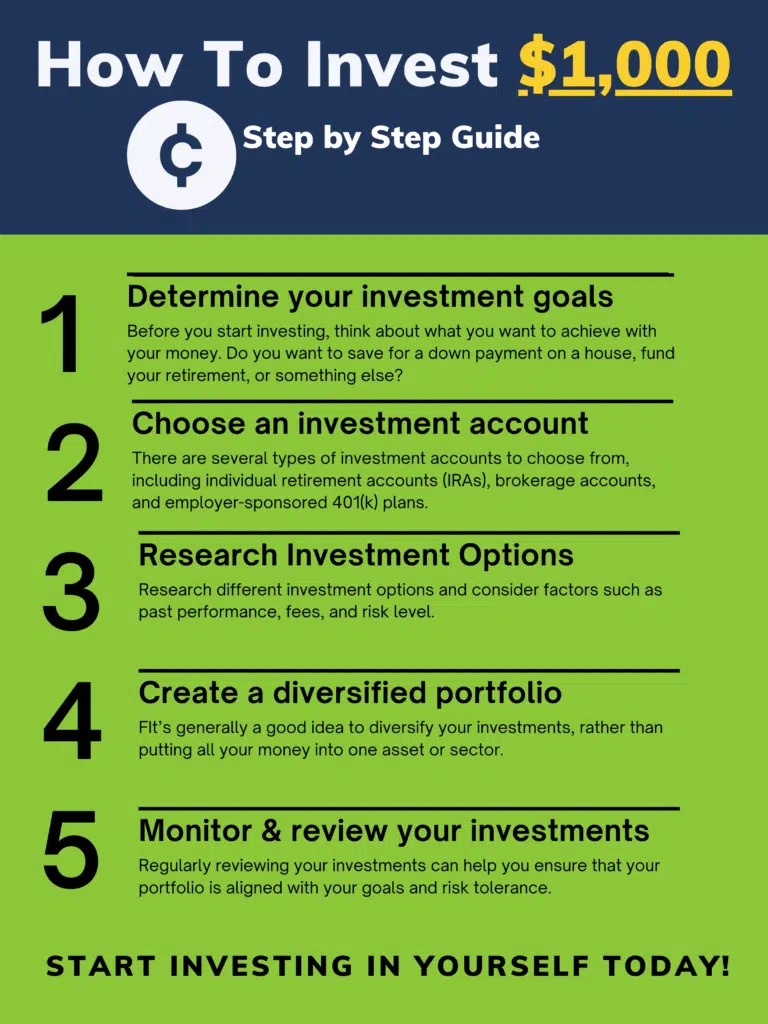
Before diving into the myriad of investment vehicles available, it’s crucial to establish a solid financial foundation. Successful investing isn’t just about picking the right stocks; it’s about making informed decisions rooted in a clear understanding of your personal financial situation and objectives. Rushing into investments without this groundwork can lead to suboptimal outcomes or unnecessary stress.
Defining Your Financial Goals and Time Horizon
Every investment decision should be tethered to a specific goal. Are you saving for a down payment on a house in five years? Planning for retirement in thirty years? Building a college fund for your children? Or perhaps aiming for passive income? Different goals necessitate different investment strategies and asset allocations.
Your time horizon—the period you expect to hold an investment before needing the funds—is paramount. Longer time horizons generally allow for higher risk tolerance, as there’s more time to recover from market downturns. Conversely, shorter time horizons often call for lower-risk investments to preserve capital.
Assessing Your Risk Tolerance
Understanding your risk tolerance is perhaps the most personal aspect of investing. It’s your psychological comfort level with the potential for your investments to fluctuate in value, including the possibility of losing a portion of your principal. Are you comfortable with significant market volatility for the potential of higher returns, or do you prioritize capital preservation and stable, albeit potentially lower, growth?
Risk tolerance isn’t static; it can be influenced by age, financial situation, personality, and even market conditions. A self-assessment tool or discussion with a financial advisor can help you objectively gauge your comfort level with risk, ensuring your portfolio aligns with your emotional capacity for market swings.
Building an Emergency Fund and Managing Debt
No investment plan is complete without a robust emergency fund. This liquid pool of money, typically 3-6 months’ worth of living expenses, acts as a financial safety net, preventing you from having to sell investments prematurely during unexpected life events (job loss, medical emergencies, etc.). Without an emergency fund, market downturns coinciding with personal crises can be financially devastating.
Similarly, high-interest debt, such as credit card balances or personal loans, can erode your wealth faster than many investments can build it. Prioritizing the payoff of high-interest debt is often considered an excellent “investment” in itself, offering guaranteed returns in the form of avoided interest payments.
Core Investment Opportunities: Traditional Assets for Long-Term Growth
Once your financial foundation is solid, you can explore the traditional asset classes that form the backbone of most diversified portfolios. These options have stood the test of time, proving their efficacy in wealth creation over decades.
Stocks: Ownership in Public Companies
When you invest in stocks, you are purchasing a small ownership stake, or “share,” in a publicly traded company. Stocks offer the potential for significant capital appreciation (the stock price increasing) and, in some cases, regular income through dividends.
- Individual Stocks: Directly buying shares of specific companies. This requires thorough research and a deep understanding of the companies, their industries, and market dynamics. It offers high potential rewards but also carries higher risk dueating to the lack of diversification inherent in holding a few individual securities.
- Equity Mutual Funds & Exchange-Traded Funds (ETFs): These funds pool money from many investors to buy a diversified portfolio of stocks.
- Mutual Funds: Professionally managed portfolios that can be actively managed (aiming to beat the market) or passively managed (tracking an index). They are bought and sold at their Net Asset Value (NAV) once a day.
- ETFs: Similar to mutual funds but trade like individual stocks on exchanges throughout the day. They often track specific indices, sectors, or commodities, offering broad diversification and lower expense ratios than many actively managed mutual funds. Both are excellent options for diversification and professional management, particularly for beginners.
Bonds: Lending to Governments and Corporations
Bonds represent a loan made by an investor to a borrower (typically a government or a corporation). In return, the borrower promises to pay the investor regular interest payments over a specified period, and to repay the principal amount at maturity. Bonds are generally considered less volatile than stocks, making them a crucial component for risk reduction and income generation in a diversified portfolio.
- Government Bonds: Issued by national, state, or municipal governments. Often considered very low-risk, especially those from stable governments (e.g., U.S. Treasury bonds).
- Corporate Bonds: Issued by companies to raise capital. These carry higher risk than government bonds but also offer potentially higher interest rates, depending on the creditworthiness of the issuing company.
- Bond Mutual Funds & ETFs: Similar to their equity counterparts, these funds invest in a diversified portfolio of bonds, managed by professionals. They offer an accessible way to gain exposure to the bond market without having to research and purchase individual bonds.
Real Estate: Tangible Assets with Income Potential
Real estate involves investing in physical properties (residential, commercial, industrial) or funds that hold these properties. It offers potential for capital appreciation, rental income, and a hedge against inflation.
- Direct Ownership: Purchasing properties directly to rent out or renovate and sell. This is often capital-intensive, requires significant management, and can be illiquid.
- Real Estate Investment Trusts (REITs): These are companies that own, operate, or finance income-producing real estate. They trade like stocks on major exchanges, offering investors a way to invest in real estate without the direct ownership and management responsibilities. REITs typically pay high dividends and offer liquidity.
- Real Estate Crowdfunding: Platforms that allow multiple investors to pool funds to invest in specific real estate projects, often with lower capital requirements than direct ownership.
Exploring Beyond the Conventional: Alternative Investment Avenues
Beyond the traditional trifecta of stocks, bonds, and real estate, a growing number of alternative investments offer unique risk-reward profiles and diversification benefits. While some alternatives are becoming more accessible, many require a higher degree of due diligence, liquidity considerations, and sometimes, accreditation.
Cryptocurrencies and Digital Assets
Cryptocurrencies like Bitcoin and Ethereum are digital or virtual currencies secured by cryptography, making them nearly impossible to counterfeit. They operate on decentralized networks based on blockchain technology.
- Direct Purchase: Buying and holding cryptocurrencies directly through exchanges. This market is highly volatile, speculative, and carries significant risk, but also offers potential for exponential gains.
- Crypto ETFs/Funds: As the market matures, more regulated products are emerging, such as Bitcoin ETFs, which offer exposure to cryptocurrencies without direct ownership of the underlying asset. These can mitigate some of the complexities of direct ownership but still expose investors to market volatility.
Peer-to-Peer (P2P) Lending

P2P lending platforms connect individual borrowers with individual lenders, bypassing traditional financial institutions. Investors can lend money to individuals or small businesses and earn interest on their loans. While offering potentially higher returns than traditional savings accounts, P2P lending carries credit risk (the risk of borrower default) and may be less liquid.
Private Equity and Venture Capital
These investments involve acquiring equity in companies that are not publicly traded.
- Venture Capital (VC): Funds invested in early-stage companies with high growth potential, often startups. VC investments are high-risk, high-reward, and typically illiquid, suitable for sophisticated investors with long time horizons.
- Private Equity (PE): Funds invested in more mature private companies, often for buyouts or growth capital. Similar to VC, these require significant capital and long-term commitments. Access is typically through specialized funds.
Commodities and Collectibles
- Commodities: Raw materials such as oil, gold, silver, agricultural products, and natural gas. Investors can gain exposure through futures contracts, commodity ETFs, or funds. Commodities can serve as a hedge against inflation and geopolitical instability but are subject to their own unique market dynamics.
- Collectibles: Items like fine art, rare wines, classic cars, stamps, or even non-fungible tokens (NFTs). These investments are highly specialized, often illiquid, and their value is subject to taste and market trends, making them challenging for most mainstream investors.
Strategic Approaches to Building Your Portfolio: Tactics for Success
Knowing what to invest in is only half the battle; knowing how to strategically build and manage your portfolio is equally critical for long-term success. These strategies help manage risk and optimize returns over time.
The Power of Diversification
Diversification is the cornerstone of prudent investing. It involves spreading your investments across different asset classes (stocks, bonds, real estate), industries, geographies, and investment styles to reduce overall portfolio risk. The principle is simple: if one investment performs poorly, others may perform well, cushioning the impact on your overall portfolio. A well-diversified portfolio aims to minimize unsystematic risk—risk specific to an individual asset or industry.
Dollar-Cost Averaging (DCA)
Dollar-cost averaging is an investment strategy where you invest a fixed amount of money at regular intervals, regardless of market fluctuations. This means you buy more shares when prices are low and fewer shares when prices are high. Over time, DCA can lead to a lower average cost per share than trying to time the market, which is notoriously difficult even for seasoned professionals. It automates consistent investing and reduces emotional decision-making.
Portfolio Rebalancing and Asset Allocation
Asset allocation is the process of deciding how to divide your investment portfolio among different asset categories, such as stocks, bonds, and cash. This decision is based on your financial goals, risk tolerance, and time horizon.
- Rebalancing is the process of adjusting your portfolio periodically to maintain your target asset allocation. For example, if your stock allocation grows significantly due to a bull market, you might sell some stocks and buy bonds to return to your original target percentages. Rebalancing helps keep your portfolio’s risk level consistent with your tolerance and ensures you’re not over-exposed to any single asset class.
Understanding Tax Efficiency
The impact of taxes on your investment returns can be substantial. Understanding tax-advantaged accounts and strategies is crucial.
- Tax-Deferred Accounts: Retirement accounts like 401(k)s and Traditional IRAs allow your investments to grow tax-deferred until retirement, meaning you pay taxes when you withdraw the money.
- Tax-Exempt Accounts: Roth IRAs and Roth 401(k)s allow you to contribute after-tax money, and then qualified withdrawals in retirement are tax-free.
- Tax-Loss Harvesting: A strategy where investors sell investments at a loss to offset capital gains and potentially a limited amount of ordinary income, then reinvest the proceeds into a similar but not identical asset.
Making Informed Decisions: Resources and Next Steps for Aspiring Investors
Embarking on your investment journey is a continuous learning process. Leveraging available resources and professional guidance can significantly enhance your chances of success.
Utilizing Robo-Advisors
Robo-advisors are automated, algorithm-driven financial platforms that provide investment management services with minimal human intervention. They typically offer low-cost, diversified portfolios tailored to your risk tolerance and goals. Robo-advisors are an excellent starting point for new investors or those with smaller portfolios, as they simplify asset allocation, rebalancing, and diversification, making professional-grade investing accessible.
Consulting with a Financial Advisor
For more complex financial situations, high-net-worth individuals, or those who prefer personalized, holistic advice, a qualified financial advisor can be invaluable. A fee-only fiduciary advisor will work in your best interest, helping you create a comprehensive financial plan that encompasses investment strategies, tax planning, estate planning, and more. They can provide guidance on sophisticated investment vehicles and navigate intricate financial scenarios that robo-advisors might not cover.
Continuous Learning and Due Diligence
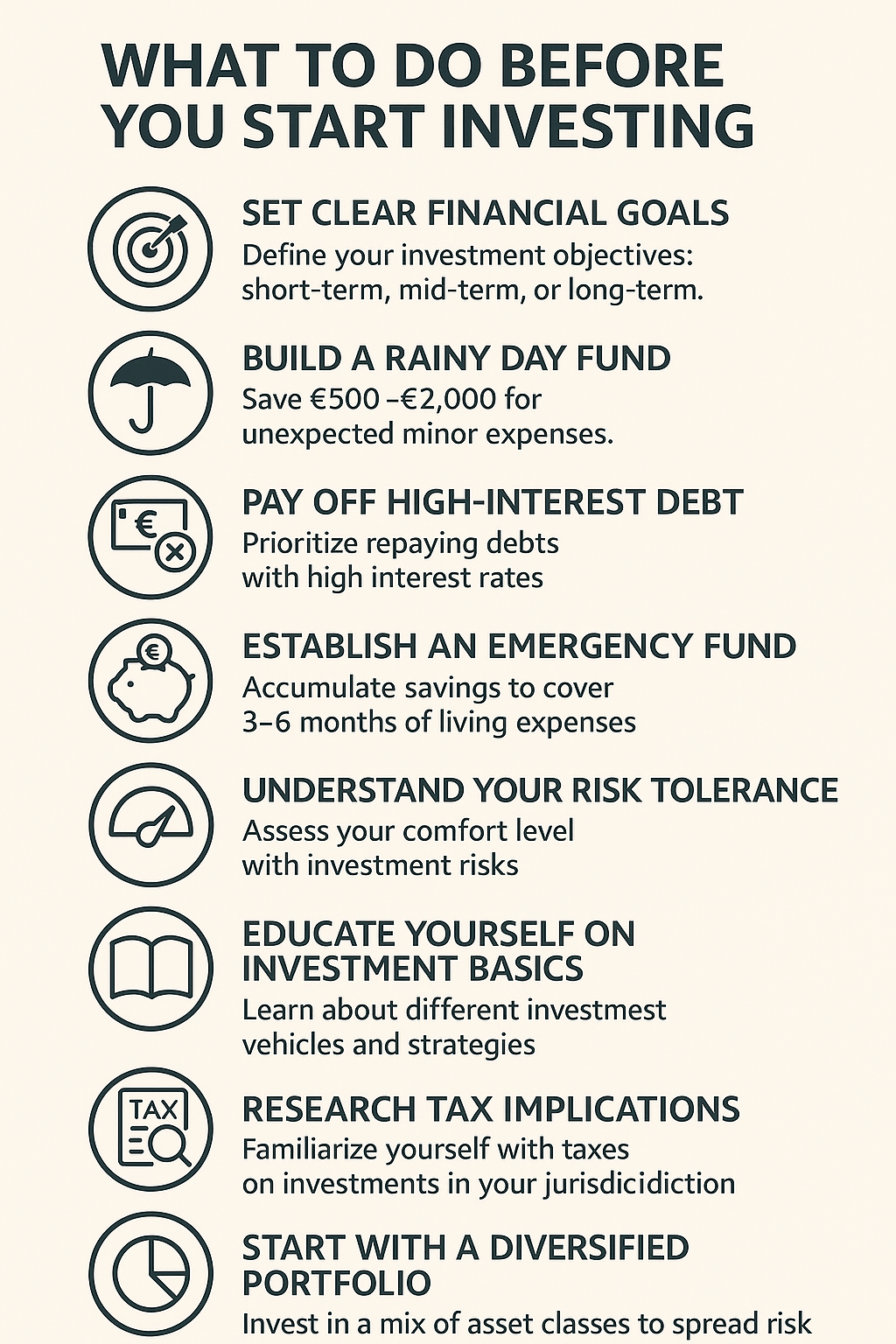
The investment landscape is dynamic. Market conditions change, new investment opportunities emerge, and economic trends evolve. Cultivating a habit of continuous learning through reputable financial news sources, books, podcasts, and online courses is essential. Before committing to any investment, always perform your due diligence: research the asset, understand its risks, and ensure it aligns with your financial goals and risk tolerance. Never invest in something you don’t fully understand.
The question “What can I invest in?” opens a door to a vast world of possibilities, each with its own set of risks and rewards. By first establishing a strong financial foundation, understanding your goals and risk tolerance, and then strategically diversifying across traditional and potentially alternative assets, you can build a robust portfolio designed for long-term growth. Whether you choose to leverage the simplicity of robo-advisors, the expertise of human advisors, or embark on a self-directed journey, the key to successful investing lies in informed decision-making, discipline, and a commitment to continuous learning. Your financial future is a journey, not a destination, and by making prudent investment choices today, you pave the way for a more secure and prosperous tomorrow.
aViewFromTheCave is a participant in the Amazon Services LLC Associates Program, an affiliate advertising program designed to provide a means for sites to earn advertising fees by advertising and linking to Amazon.com. Amazon, the Amazon logo, AmazonSupply, and the AmazonSupply logo are trademarks of Amazon.com, Inc. or its affiliates. As an Amazon Associate we earn affiliate commissions from qualifying purchases.