
The landscape of television viewing has undergone a profound transformation, moving far beyond traditional cable boxes and scheduled programming. Today, seeing live TV is an experience increasingly defined by technology, offering unparalleled flexibility and a wealth of options for every viewer. This evolution is driven by advancements in internet infrastructure, sophisticated streaming devices, and a burgeoning ecosystem of software applications designed to bring real-time broadcasts directly to your preferred screen. Understanding the modern technological framework for live TV access is key to unlocking a personalized and dynamic viewing experience.
The Evolution of Live TV Access
For decades, live television was synonymous with antennas and then, later, cable or satellite subscriptions. Viewers were bound by fixed schedules, specific hardware, and often, rigid contracts. The advent of high-speed internet, however, ignited a revolution, fundamentally altering how content is delivered and consumed.

From Antennas to the Internet
Initially, terrestrial broadcasts received via an antenna were the sole method of watching live television. The signal was analog, then transitioned to digital (Over-the-Air or OTA Digital TV), improving picture quality and adding more channels. While OTA remains a viable, free option for many, the internet emerged as a parallel, and ultimately dominant, pipeline for content delivery. The shift accelerated as broadband internet became ubiquitous, providing the necessary bandwidth for reliable video streaming. This technological leap enabled the transmission of live feeds over IP networks, bypassing traditional broadcast infrastructure entirely.
The Rise of Cord-Cutting
The term “cord-cutting” entered the vernacular as consumers began to disconnect from expensive cable and satellite subscriptions in favor of internet-based alternatives. This movement wasn’t just about cost savings; it was largely fueled by a desire for greater control, flexibility, and a more personalized viewing experience. Technologies like on-demand streaming services paved the way, demonstrating the power of internet delivery, and it wasn’t long before live TV began to migrate to these platforms. The ability to watch live sports, news, and events on a smart TV, tablet, phone, or computer, untethered from a physical cable connection, became a powerful driver for this seismic shift in media consumption.
Essential Tools for Streaming Live TV
To effectively access live television in the modern era, a few foundational technological components are indispensable. These tools work in concert to deliver a seamless and high-quality viewing experience.
Reliable Internet Connection
At the core of all internet-based live TV streaming is a robust and reliable internet connection. Unlike basic web browsing or email, streaming high-definition (HD) or ultra-high-definition (UHD/4K) video requires significant bandwidth. A minimum speed of 25 Mbps is generally recommended for a single HD stream, with higher speeds advised for multiple concurrent streams, especially in larger households. Fiber optic or high-speed cable internet provides the best performance, minimizing buffering and ensuring crisp video and audio synchronization. A stable Wi-Fi network, ideally using modern standards like Wi-Fi 6, further optimizes in-home distribution of this bandwidth to various streaming devices.
Compatible Streaming Devices
The flexibility of modern live TV extends to the devices viewers can use. These gadgets act as the interface between the internet-delivered content and the display.
- Smart TVs: Many modern televisions come with integrated operating systems (e.g., Roku TV, WebOS, Tizen, Android TV) that allow direct installation of streaming apps.
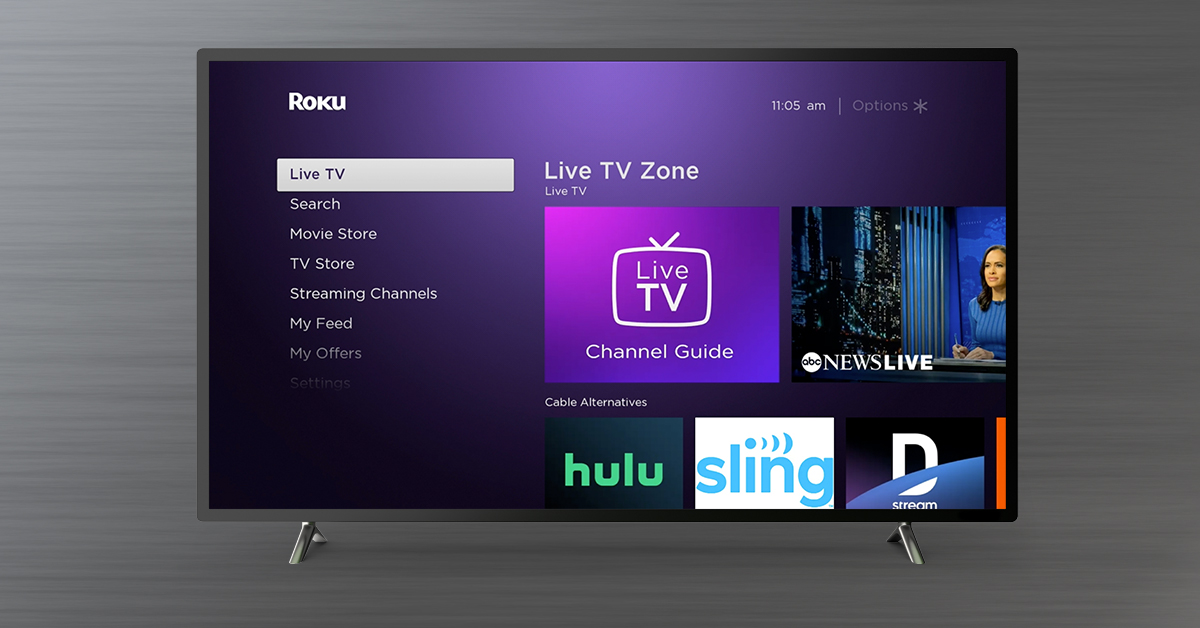
- Streaming Sticks and Boxes: Devices like Roku, Amazon Fire TV, Apple TV, and Google Chromecast plug into any TV with an HDMI port, transforming it into a smart streaming hub. These dedicated devices often offer robust processing power and user-friendly interfaces.
- Mobile Devices: Smartphones and tablets (iOS and Android) are excellent for on-the-go viewing, leveraging cellular data or Wi-Fi.
- Computers: Laptops and desktops can access most live TV services via web browsers or dedicated applications, providing a versatile viewing platform, particularly for multi-tasking.
- Gaming Consoles: PlayStation and Xbox consoles also support many popular streaming apps, making them multi-functional entertainment hubs.
The Right Software: Streaming Apps
The gateway to live TV content is almost exclusively through dedicated software applications. Each streaming service provides an app designed for various operating systems and devices. These apps are sophisticated pieces of software, optimized for video playback, user authentication, content discovery, and often include features like personalized recommendations, cloud DVR integration, and parental controls. Regular updates ensure compatibility with new devices, enhance security, and introduce new features, making the software a critical, continuously evolving component of the live TV viewing ecosystem.
Top Services for Live TV Streaming
The market for live TV streaming is competitive, with various services offering different channel lineups, features, and pricing structures. These services leverage vast content delivery networks (CDNs) to ensure low-latency, high-quality streams to millions of users simultaneously.
Subscription-Based Services
These are the direct replacements for traditional cable, offering bundles of live channels over the internet.
- YouTube TV: Known for its comprehensive channel lineup, unlimited cloud DVR, and integration with Google’s ecosystem. Its robust backend infrastructure ensures reliable streaming.
- Hulu + Live TV: Combines live channels with Hulu’s extensive on-demand library, providing a hybrid viewing experience. It leverages Hulu’s streaming technology for a seamless user interface.
- Sling TV: A more à la carte option, allowing users to choose smaller channel packages (“Orange” or “Blue”) and add-ons. Its modular design caters to specific viewing preferences, optimizing data usage and cost.
- FuboTV: Heavily focused on sports, offering an extensive array of sports channels alongside entertainment and news. Its technical backbone prioritizes high frame rates for sports viewing.
- DirecTV Stream: Offers traditional channel packages with a premium feel, often including regional sports networks that are harder to find on other services. It maintains a robust streaming architecture inherited from its satellite legacy.
Free Ad-Supported TV (FAST) Services
For those seeking live TV without a subscription fee, FAST services provide a growing number of channels supported by advertisements. These platforms aggregate content from various providers and present it in a linear, channel-like format.
- Pluto TV: Offers hundreds of channels across various genres, from news and sports to movies and niche programming. Its technology mimics the cable TV grid guide.
- Tubi: While primarily known for its on-demand library, Tubi also features live channels, expanding its utility for real-time viewing.
- Plex: Beyond being a media server, Plex offers a selection of free live TV channels, integrating seamlessly into its existing ecosystem.
- The Roku Channel: Provides a mix of live linear channels and on-demand content, accessible directly through Roku devices and other platforms.
Network-Specific Apps & Broadcaster Websites
Many individual broadcasters offer their own applications or website streams for live content. Major news organizations, sports networks, and national broadcasters often provide free, ad-supported live streams or require authentication with a pay-TV provider (which can include the aforementioned subscription streaming services). This distributed approach allows viewers to go directly to the source for specific live events or news coverage.
Over-the-Air (OTA) Digital Antennas
While internet streaming dominates, it’s worth noting that for local channels (major networks like ABC, CBS, Fox, NBC, PBS), a digital OTA antenna remains a free and reliable option. These antennas capture uncompressed HD signals directly from local broadcast towers, offering superior picture quality that is often better than compressed streaming versions. This is a foundational technology for live TV that complements, rather than competes with, internet-based services, especially for local news and sports.
Enhancing Your Live TV Experience
Beyond simply accessing live TV, various technological features and strategies can significantly enhance the overall viewing experience, adding convenience, control, and broader accessibility.
Cloud DVR Capabilities
A major advantage of internet-based live TV is the cloud digital video recorder (DVR). Unlike physical DVRs that require local storage, cloud DVRs store recordings on remote servers. This means viewers can record multiple shows simultaneously, store vast amounts of content without worrying about storage limits, and access their recordings from any compatible device, anywhere with an internet connection. The underlying server infrastructure and content management systems are complex, enabling seamless recording and playback functionality for millions of users.
Multi-Device Streaming
The ability to stream on multiple devices concurrently is a standard feature of most live TV services. This technology allows different household members to watch different live channels or recordings on separate screens simultaneously. The service’s backend must manage user accounts, device registrations, and bandwidth allocation to ensure smooth, uninterrupted streams across various endpoints. This flexibility is a key differentiator from traditional single-output cable boxes.
Regional Restrictions and VPNs
Due to content licensing agreements, live TV streams are often geographically restricted. A virtual private network (VPN) is a technology that can circumvent these geo-blocks by routing your internet traffic through a server in a different location, masking your actual IP address. This allows users to access content that might otherwise be unavailable in their region. However, using a VPN for streaming can sometimes violate a service’s terms of service, and some streaming providers employ sophisticated VPN detection technologies, making consistent access challenging. VPNs also offer an added layer of digital security by encrypting internet traffic.
Navigating User Interfaces and Features
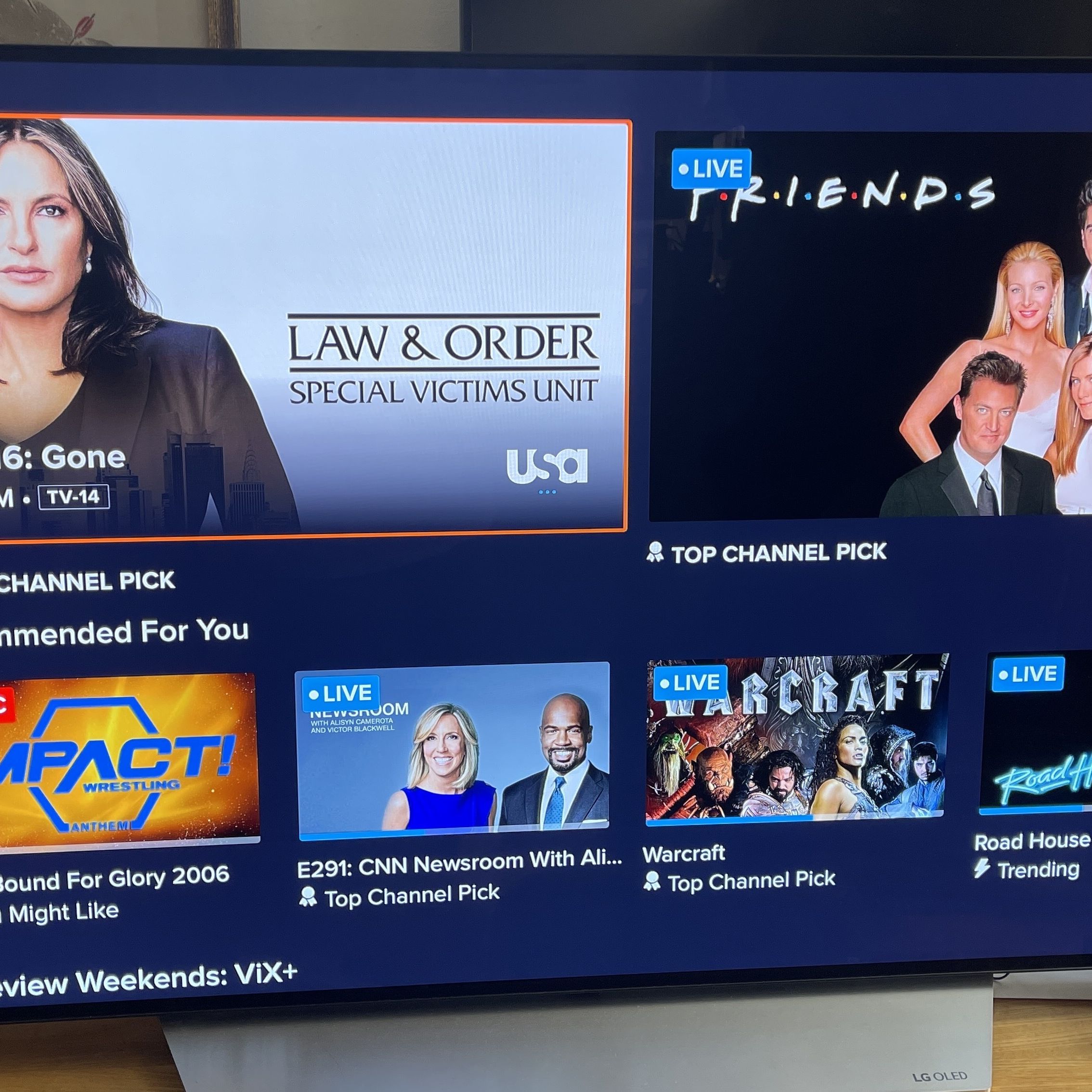
The user interface (UI) and user experience (UX) of streaming apps are crucial. Well-designed interfaces make it easy to browse channels, find specific shows, manage recordings, and adjust settings. Features like personalized recommendations, watch lists, and “continue watching” functions leverage data analytics and algorithms to enhance content discovery and engagement. Understanding how to utilize these features within your chosen app can significantly improve your live TV viewing efficiency and enjoyment.
Future Trends in Live TV Consumption
The evolution of live TV is far from over. Emerging technologies and changing consumer behaviors are continually shaping its future.
Personalization and AI Integration
Artificial intelligence (AI) and machine learning are increasingly being integrated into live TV platforms. AI can analyze viewing habits, preferences, and even emotional responses to recommend live events, channels, or recordings that align with individual tastes. This moves beyond simple genre suggestions to highly nuanced predictions, making the live TV experience more relevant and engaging for each user. AI might also optimize stream quality based on network conditions and device capabilities in real-time.
Interactive Elements and Social Features
The future of live TV will likely involve more interactive components. This could include live polling during reality shows, direct participation in quizzes during game shows, or social features that allow viewers to comment and interact with friends or other fans during a live broadcast, perhaps integrated directly into the streaming app’s UI. Technologies like augmented reality (AR) could also overlay real-time statistics or graphics onto sports broadcasts, offering an immersive, data-rich experience.
The Blurring Lines Between Live and On-Demand
As technology advances, the distinction between live and on-demand content continues to blur. Features like “start over” for live broadcasts, cloud DVR, and instant access to past episodes of currently airing shows mean that viewers have more control over their schedules. The future may see even more seamless integration, where “live” simply means “currently broadcasting,” but the flexibility of access remains paramount, leveraging advanced streaming protocols and intelligent content delivery systems to serve content on the viewer’s terms. This continuous evolution promises an even more dynamic and user-centric approach to how we see and experience live television.
aViewFromTheCave is a participant in the Amazon Services LLC Associates Program, an affiliate advertising program designed to provide a means for sites to earn advertising fees by advertising and linking to Amazon.com. Amazon, the Amazon logo, AmazonSupply, and the AmazonSupply logo are trademarks of Amazon.com, Inc. or its affiliates. As an Amazon Associate we earn affiliate commissions from qualifying purchases.