
In the rapidly evolving landscape of digital payments, Venmo has carved out a significant niche, becoming synonymous with peer-to-peer (P2P) transactions among friends, family, and increasingly, businesses. Its user-friendly interface, social feed, and instant transfer capabilities have made it a go-to platform for splitting bills, sending birthday money, or paying for casual services. However, beneath the veneer of seamless transactions lies a structure of fees that users, both casual and frequent, should understand to fully manage their financial health. While many core Venmo services are free, certain convenience features and business transactions come with associated costs. Navigating these fees effectively can mean the difference between enjoying Venmo’s benefits without unexpected deductions and inadvertently incurring charges that chip away at your funds. This comprehensive guide aims to demystify Venmo’s fee structure, outlining what you can expect to pay, how to avoid unnecessary charges, and ultimately, how to optimize your use of this pervasive digital wallet.
The Core Services: Where Venmo Stays Free (Mostly)
At its heart, Venmo thrives on providing a free and convenient way to move money between individuals. This foundational principle is what has propelled its popularity, allowing millions to handle everyday financial interactions without reaching for their physical wallets. Understanding where Venmo remains free is crucial for leveraging the platform to its fullest advantage without incurring unexpected costs.
Sending and Receiving Money (Standard)
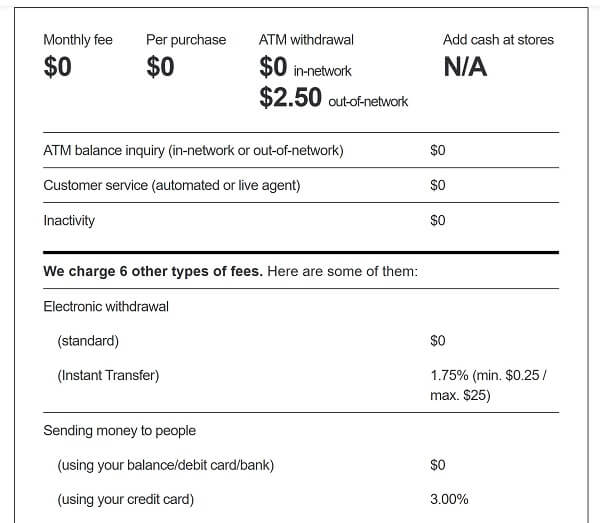
The primary function of Venmo—sending money to and receiving money from other Venmo users—is generally free of charge. This applies when you fund these transactions using your Venmo balance, a linked bank account, or a linked debit card. Whether you’re splitting a dinner bill with friends, paying your share of rent to a roommate, or getting reimbursed for a group gift, these standard P2P transfers are designed to be cost-free. This core offering is a cornerstone of Venmo’s appeal, facilitating quick and effortless financial exchanges that bypass traditional banking delays and fees for basic transfers. The convenience of instantly sending money that is immediately available in the recipient’s Venmo balance, without either party paying a fee for the transfer itself, makes it an indispensable tool for many.
Standard Bank Transfers
Once you’ve accumulated funds in your Venmo balance, you’ll likely want to transfer them to your personal bank account. Venmo offers a standard transfer option that moves funds from your Venmo balance to your linked bank account within 1 to 3 business days. This standard transfer service is entirely free. It’s the default method for cashing out your Venmo balance, and while it requires a bit of patience compared to instant transfers, it costs nothing. This makes it an ideal choice for users who are not in a rush to access their funds and prefer to avoid any additional charges. It aligns Venmo with traditional banking systems, allowing users to move money in and out of their digital wallet without incurring fees for the most common transaction type, provided they can wait a few days for processing.
Paying with the Venmo Debit Card
For users who opt for the Venmo Debit Card, using it for purchases at merchants that accept Mastercard is generally free. Just like a regular bank debit card, you won’t incur a Venmo fee when you swipe or tap your Venmo Debit Card to buy groceries, fill up your gas tank, or make an online purchase. The card draws directly from your Venmo balance, and if that’s insufficient, it can pull from a linked bank account. This seamless integration allows users to spend their Venmo balance directly, extending the utility of the platform beyond P2P payments to everyday retail transactions without additional costs from Venmo itself. This feature is particularly beneficial for those who frequently receive money on Venmo and wish to spend it without transferring it to their bank first.
Common Fees You Might Encounter
While Venmo excels in providing free core services, it, like many financial technology platforms, generates revenue through specific convenience features and business-oriented transactions. Being aware of these common fees is essential for a budget-conscious user, as they represent the most likely instances where you might incur charges.
Instant Transfer Fees
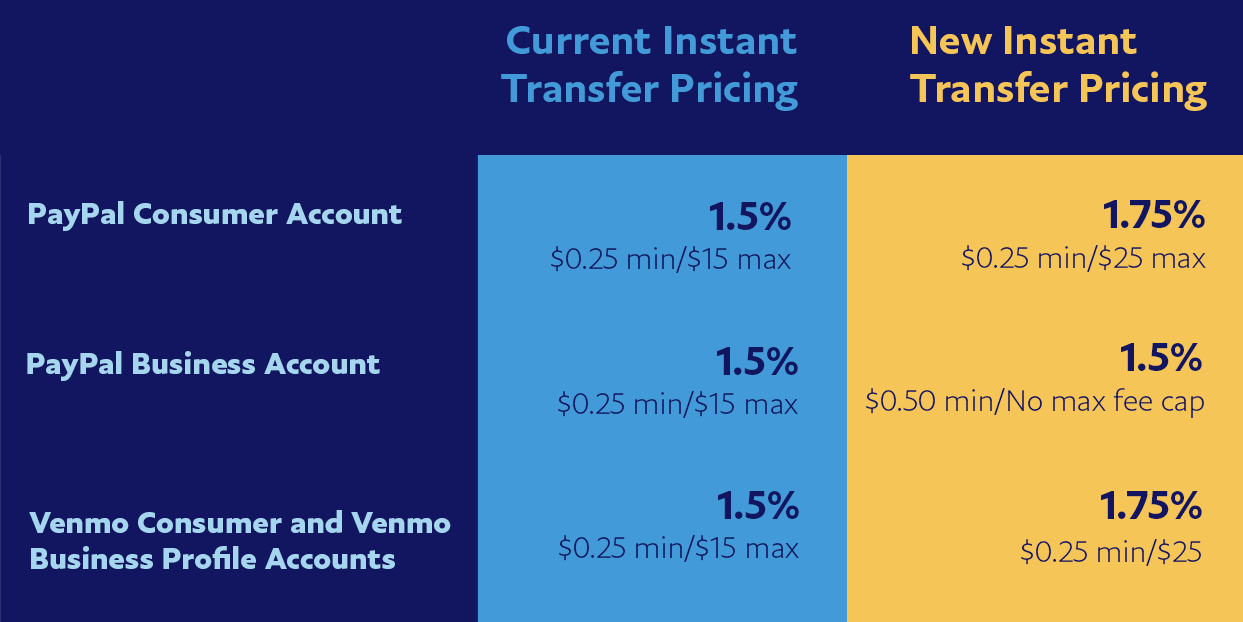
Perhaps the most frequently encountered fee on Venmo is for instant transfers. While standard transfers to a bank account are free but take 1-3 business days, Venmo offers the option to instantly transfer funds from your Venmo balance to a linked bank account or eligible debit card. This speed comes at a price: Venmo charges a fee of 1.75% of the transfer amount, with a minimum fee of $0.25 and a maximum fee of $25.00. This fee is clearly displayed before you confirm an instant transfer, allowing you to decide if the immediate access to funds is worth the cost. For many, the convenience of having money instantly available, especially in urgent situations, justifies this small percentage. However, for those who can plan ahead, opting for the standard free transfer is an easy way to save money.
Credit Card Transaction Fees
When funding a personal payment using a credit card, Venmo applies a standard fee. Unlike payments funded by your Venmo balance, bank account, or debit card (which are free), using a credit card to send money to another Venmo user incurs a fee of 3% of the transaction amount. This fee is imposed because credit card companies charge Venmo for processing these transactions. Venmo passes this cost onto the user to encourage the use of less expensive funding methods. This 3% charge can add up quickly, especially for larger payments. Therefore, it’s generally advisable to use your Venmo balance, bank account, or debit card for P2P payments whenever possible to avoid this significant additional cost. This particular fee is a major differentiator in how you fund your payments and can dramatically impact the total cost of a transaction.
Merchant Transaction Fees (for Businesses)
For businesses that use Venmo to accept payments, the fee structure differs from personal P2P transactions. When a customer pays a business through Venmo (e.g., using a business profile, through QR codes, or within integrated apps), the business is typically charged a transaction fee. This fee is usually 1.9% + $0.10 per transaction. This is a standard practice for payment processors and covers the costs associated with processing commercial transactions, including fraud protection, customer service, and the infrastructure to handle payments securely. It’s important for consumers to understand that while they don’t directly pay this fee, it’s built into the cost of doing business for merchants, and ultimately contributes to the overall economy of digital payments. Businesses must factor these fees into their pricing strategies, making Venmo a viable but not free payment acceptance option.
ATM Withdrawal Fees (for Venmo Debit Card)
While using the Venmo Debit Card for purchases is free, withdrawing cash from an ATM typically incurs fees. Venmo charges a $2.50 fee for ATM withdrawals from non-MoneyPass ATMs, and a $3.00 fee for over-the-counter cash withdrawals (i.e., at a bank or credit union teller). Additionally, the ATM operator itself might charge an extra fee, which can further increase the total cost of withdrawing cash. To avoid Venmo’s ATM fee, users can locate and use MoneyPass ATMs, which are part of a surcharge-free network. This makes the Venmo Debit Card less ideal for frequent cash withdrawals unless a MoneyPass ATM is readily available or the user is willing to pay the associated fees.
Less Common, But Important, Fee Scenarios
Beyond the standard and frequently encountered fees, Venmo also has specific charges for less common services, such as cashing checks or engaging with cryptocurrency. While these might not apply to every user, understanding them is crucial for those who utilize these niche features.
Check Cashing Fees
Venmo offers a feature to cash eligible checks directly through the app, depositing the funds into your Venmo balance. This service, while convenient, does come with a fee. For government and payroll checks with a pre-printed signature, Venmo charges a 1% fee, with a minimum fee of $5.00. For all other accepted checks, the fee is higher, at 5% of the check amount, with a minimum fee of $5.00. These fees cover the cost and risk associated with instantly verifying and processing checks digitally. For users who need quick access to funds from a check, this can be a valuable service despite the cost, especially if they don’t have a traditional bank account or access to a physical check-cashing service. However, for smaller checks, the minimum fee can represent a significant percentage of the total amount.
Crypto Purchase/Sale Fees
Venmo has expanded its services to include the buying and selling of select cryptocurrencies directly within the app. Engaging in these crypto transactions also involves fees. Venmo charges a transaction fee for each purchase and sale of cryptocurrency. The fee structure for crypto is tiered based on the transaction amount:
- $0.01 – $24.99: $0.49
- $25.00 – $100.00: $1.99
- $100.01 – $200.00: $2.99
- $200.01 – $500.00: 1.8%
- $500.01 – $1,000.00: 1.5%
- $1,000.01 and above: 2.3%
These fees are standard for cryptocurrency exchanges and cover the operational costs, market access, and regulatory compliance required for facilitating crypto trading. Users venturing into cryptocurrency on Venmo should be fully aware of these charges, as they impact the overall profitability of their trades. It’s important to remember that these fees are separate from any potential network fees associated with blockchain transactions themselves, though Venmo typically bundles them for simplicity.
Strategies for Minimizing Venmo Fees
Given the various scenarios where fees might apply, being proactive and strategic about your Venmo usage can significantly help in minimizing or even entirely avoiding unnecessary charges. A little planning can go a long way in keeping more money in your pocket.
Opting for Standard Transfers
The simplest and most effective way to avoid instant transfer fees is to choose the standard bank transfer option. While it requires 1-3 business days for funds to reflect in your bank account, this service is completely free. If you regularly receive money on Venmo and don’t have immediate urgent need for the funds, make it a habit to select the standard transfer. This minor adjustment in timing can save you the 1.75% instant transfer fee, which can accumulate over time, especially with frequent or larger transfers. Developing a routine for weekly or bi-weekly standard transfers can ensure you manage your Venmo balance efficiently without incurring any additional costs.
Utilizing Bank Accounts and Debit Cards
When sending money to friends or family, always prioritize using your Venmo balance, a linked bank account, or a linked debit card as the funding source. As discussed, credit card payments incur a 3% fee, which is one of the highest percentage fees on the platform for P2P transactions. By simply choosing a different funding method, you can completely sidestep this charge. Ensure your preferred bank account or debit card is linked and verified in your Venmo app to facilitate these free transactions smoothly. This habit alone can save a substantial amount over time, particularly for users who frequently send larger sums.
Understanding Merchant Agreements
For businesses, understanding Venmo’s merchant fees (1.9% + $0.10 per transaction) is key to smart financial planning. While these fees are unavoidable for accepting payments, businesses should factor them into their pricing strategy. For consumers, when paying businesses, be aware that while you don’t directly pay this fee, it’s part of the business’s operating cost. Also, if a business offers alternative payment methods with different fee structures (e.g., direct bank transfer or another P2P app), comparing these options might reveal more cost-effective ways for the business to process your payment, potentially leading to better service or pricing for you in the long run.
Monitoring Your Transaction Types
Regularly review your Venmo transaction history and be mindful of the types of transactions you’re performing. Are you frequently sending money via credit card? Are you often using instant transfers when a standard transfer would suffice? Are you consistently withdrawing cash from non-MoneyPass ATMs? By identifying patterns in your usage that incur fees, you can consciously adjust your habits. Venmo typically provides clear notifications about fees before you confirm a transaction, so always take a moment to read these alerts. A vigilant approach to your transaction choices can prevent unexpected deductions and ensure you’re using Venmo in the most cost-effective way possible.
Beyond Fees: The Value Proposition of Venmo
While understanding Venmo fees is crucial for financial prudence, it’s equally important to acknowledge the immense value and convenience the platform offers. The popularity of Venmo stems from a combination of features that extend beyond mere cost considerations, making it an integral part of modern digital finance for many.
Convenience and Speed
The unparalleled convenience and speed of Venmo transactions are arguably its most significant draws. The ability to instantly send and receive money with just a few taps, directly from your smartphone, has revolutionized how people manage casual financial interactions. No more fumbling for cash, writing checks, or waiting days for bank transfers to clear for P2P payments. This instant gratification and ease of use, especially for splitting costs among groups, saving contact details, and integrating with social media, provide a significant utility that often outweighs minor fees for specific services. The platform streamlines everyday money exchanges, making them less of a chore and more of a seamless part of daily life.
Social Integration
Venmo’s unique social feed, which displays anonymized or public transaction details (e.g., “John paid Jane for ‘dinner'”), adds a layer of engagement that distinguishes it from traditional banking apps. This social element, while optional, fosters a sense of community and transparency (to a degree) among users. It normalizes financial interactions, making them less formal and more integrated into social communication. For many users, this aspect contributes to the “fun” and user-friendly experience, making money management feel less like a chore and more like a natural extension of their social lives. It encourages regular usage and keeps users engaged with the platform.

Security Measures
Despite its user-friendly interface, Venmo is backed by robust security measures designed to protect users’ financial information. These include data encryption, fraud monitoring, and multi-factor authentication. As a subsidiary of PayPal, Venmo benefits from years of experience in secure online payment processing. While no online platform is entirely immune to risks, Venmo continuously invests in technology and protocols to safeguard transactions and personal data. This commitment to security provides users with peace of mind, knowing that their funds and financial details are protected, which is an invaluable aspect of any financial tool.
In conclusion, Venmo remains an incredibly useful and often free tool for peer-to-peer payments and managing a digital wallet. However, a comprehensive understanding of its fee structure—from instant transfer fees and credit card surcharges to business transaction costs and crypto fees—is vital for making informed financial decisions. By strategically opting for free services, being mindful of funding sources, and reviewing transaction types, users can significantly minimize their costs. Beyond the fees, Venmo’s core value lies in its convenience, speed, social integration, and commitment to security, ensuring its continued relevance in the bustling world of digital finance. By being knowledgeable, you can harness the full power of Venmo without any unwelcome surprises to your budget.
aViewFromTheCave is a participant in the Amazon Services LLC Associates Program, an affiliate advertising program designed to provide a means for sites to earn advertising fees by advertising and linking to Amazon.com. Amazon, the Amazon logo, AmazonSupply, and the AmazonSupply logo are trademarks of Amazon.com, Inc. or its affiliates. As an Amazon Associate we earn affiliate commissions from qualifying purchases.