
In the landscape of modern digital payments, Venmo has carved out a significant niche as a go-to platform for quick, convenient, and often social money transfers. From splitting dinner bills with friends to paying for a side hustle service, its ease of use has made it ubiquitous. However, beneath the surface of seemingly effortless transactions lies a crucial question that every user, whether an individual managing personal finances or a small business owner, must understand: “What percentage does Venmo take?”
The answer isn’t a simple, fixed number. Instead, it’s a nuanced exploration of various transaction types, each with its own associated costs or lack thereof. For anyone striving for true financial clarity, grasping these percentages is not just a matter of curiosity; it’s fundamental to budgeting effectively, maximizing profits from online income streams, and making informed decisions about how to move money. This article will delve into Venmo’s fee structure, illuminating when you’ll incur a charge, how much it will be, and, most importantly, the financial implications of each scenario for your personal and business financial well-being.
Venmo’s Core Service: Fee-Free Peer-to-Peer Transfers
At the heart of Venmo’s widespread appeal is its foundational promise: simple, fee-free money transfers between friends and family. This core offering is what cemented its place in the daily financial habits of millions, making it an indispensable tool for countless informal transactions.
The Fundamental Transaction Model
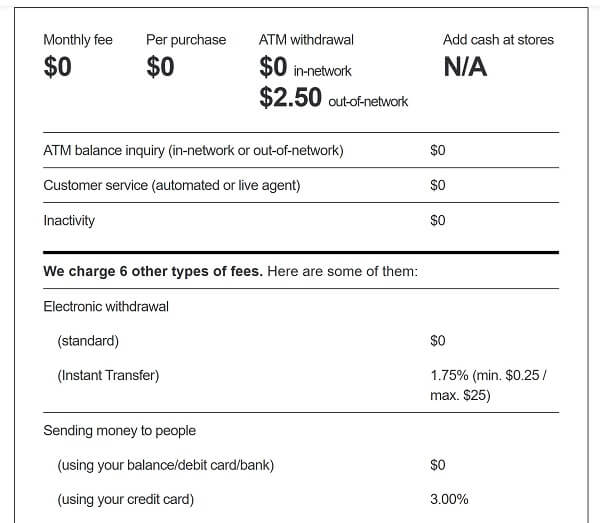
For the vast majority of users, Venmo functions as a free service. When you send money to another Venmo user from your linked bank account, your debit card, or your existing Venmo balance, the transaction typically incurs no fee. This is the cornerstone of its convenience and why it has become the default payment method for splitting restaurant tabs, contributing to group gifts, or reimbursing a friend for concert tickets. The platform is designed to facilitate these everyday exchanges without adding a financial burden to either the sender or the receiver, provided they use the specified funding sources. This model effectively democratizes casual money movement, removing the friction and costs traditionally associated with transferring small sums.
Distinguishing Personal vs. Business Payments
However, the distinction between a “personal” payment and a “business” payment is paramount when discussing Venmo’s fee structure. While sending money to a friend for your share of rent is a personal transaction, paying a freelance graphic designer for their services or receiving payment for items sold online falls into a different category. Venmo, like most financial platforms, differentiates between these two types of payments, primarily for regulatory compliance, fraud protection, and to support the commercial ecosystem thriving on its platform.
Crucially, payments designated for “goods and services” or sent to a Venmo business profile are subject to fees, typically borne by the recipient. This differentiation is not merely a technicality; it’s a critical financial consideration for anyone leveraging Venmo for income generation or business transactions. Understanding which category your payment falls into is the first step toward accurately forecasting your financial inflows and outflows and avoiding unexpected deductions from your earnings. Mislabeling transactions can lead to account suspension or issues with tax compliance, underscoring the importance of this distinction.
Navigating the Fees: When Venmo Charges You
While Venmo excels at facilitating free peer-to-peer transfers, several scenarios exist where users will encounter fees. These charges are typically associated with specific features or funding sources that come with additional costs or benefits, such as expedited access to funds or enhanced protections for commercial transactions.
Credit Card Payments: The Common 3% Surcharge
One of the most frequently encountered fees on Venmo is for sending money using a credit card. When you opt to fund a personal payment with a credit card, Venmo applies a 3% sender fee. This charge is standard across most payment processing platforms when a credit card is involved, as credit card companies levy interchange fees and processing costs on merchants for these transactions. Venmo passes this cost directly onto the sender to avoid absorbing these expenses on a “free” service.
For individuals managing their personal finances, this 3% can quickly add up. For example, sending $100 via a credit card will cost you an additional $3. While seemingly small, frequent use can impact your budget. To avoid this fee, users are strongly advised to link a bank account or debit card to their Venmo profile, as these funding sources typically bypass the 3% surcharge for personal payments. This strategic choice is a simple yet effective way to optimize your spending and maintain financial efficiency.
Instant Transfers: The Expedited Access Cost
Venmo offers two primary ways to withdraw funds from your balance to your bank account: a standard transfer and an instant transfer. While the standard transfer, which typically takes 1-3 business days, is completely free, the allure of immediate access to your funds often comes with a price.
Instant transfers to your linked bank account or eligible debit card incur a fee of 1.75% of the transfer amount, with a minimum fee of $0.25 and a maximum fee of $25.00. This fee provides the convenience of having your money available almost instantly, a feature that can be invaluable in urgent financial situations or for businesses needing immediate access to cash flow. For instance, if you need $500 for an unexpected expense, an instant transfer would cost you $8.75 ($500 * 0.0175). For a small business owner waiting for funds to clear for supplies, this immediate access might be worth the fee. However, for those without an immediate need, opting for the free standard transfer is a sensible financial decision to preserve your funds.
Business Profiles and Goods & Services Payments: Essential for Entrepreneurs
For freelancers, small business owners, and anyone selling goods or services, Venmo provides business profiles and the option to tag transactions for “goods and services.” While this functionality offers buyer and seller protection, transaction tracking, and tax reporting capabilities, it also comes with specific fees for the recipient.
When a payment is sent to a business profile or marked for “goods and services,” the recipient (the seller or service provider) is charged a fee of 1.9% + $0.10 per transaction. This fee covers the costs associated with commercial processing, fraud prevention measures, and the platform’s ability to facilitate secure business transactions. For example, if a freelancer receives $200 for a project, Venmo would deduct $3.80 (1.9% of $200) plus $0.10, resulting in a net receipt of $196.10.
For entrepreneurs, factoring this 1.9% + $0.10 into pricing strategies is crucial for maintaining profitability. It ensures that the operational costs of accepting payments are accounted for, preventing unexpected erosion of profit margins. This fee structure is comparable to what other payment processors charge for similar commercial services, highlighting that while convenient, using Venmo for business purposes is not entirely free.
Crypto Transactions: A Newer Frontier
Venmo has expanded its financial offerings to include the ability to buy and sell select cryptocurrencies directly within the app. Engaging with these emerging financial assets also involves a fee structure, distinct from traditional money transfers.

When buying or selling cryptocurrency on Venmo, users typically encounter a tiered fee based on the transaction amount. For smaller transactions (e.g., under $25), a flat fee (e.g., $0.50) might apply. For larger transactions, a percentage-based fee or spread is often charged (e.g., 0.5% or more). These fees cover the cost of facilitating crypto trades and providing access to the volatile digital asset market. For individuals exploring cryptocurrency as part of their investment strategy, understanding these specific transaction costs is vital for accurately assessing potential returns and managing their financial portfolio.
The Financial Impact: Why Understanding Venmo Fees Matters
Beyond simply knowing what the fees are, it’s critical to understand why they matter and their broader financial implications. For individuals and businesses alike, an informed approach to Venmo fees can significantly impact financial health and strategic planning.
Budgeting and Personal Finance
For the everyday user, overlooked Venmo fees can subtly erode personal budgets. If you frequently use a credit card for personal payments or constantly rely on instant transfers, those small percentages and flat fees accumulate over time. A 3% fee on a $100 payment here, a $0.25 instant transfer fee there—these seemingly minor costs can add up to dozens or even hundreds of dollars annually that could otherwise be saved or invested. Understanding these fees allows individuals to make conscious choices, prioritizing free funding sources and planned transfers to keep more money in their pockets. It fosters financial discipline and helps maintain adherence to a well-structured budget.
Business Profitability and Pricing Strategy
For businesses, freelancers, and side hustlers, Venmo’s fees for goods and services are a direct cost of doing business. The 1.9% + $0.10 per transaction directly impacts gross revenue and, consequently, net profit. If a small business fails to factor these processing fees into its pricing strategy, it risks unknowingly operating with thinner margins or even at a loss on certain transactions.
Smart business finance dictates that all operational costs, including payment processing fees, be accounted for. Businesses might adjust their pricing to absorb these costs, offer discounts for alternative payment methods, or strategically choose when to accept Venmo payments for services. Transparently understanding these fees enables businesses to maintain healthy profit margins, price their offerings competitively, and make informed decisions about their overall payment acceptance strategy.
Tax Implications
The financial implications of Venmo fees extend to tax compliance, particularly for businesses and individuals receiving payments for goods and services. The IRS requires payment processors like Venmo to report payments exceeding certain thresholds (historically, $20,000 and 200 transactions, though the threshold for Form 1099-K has been a subject of recent legislative changes and debates, with a lower $600 threshold initially planned and then delayed).
When Venmo reports these transactions, it uses the gross amount received before fees. Therefore, understanding the fees means you can accurately deduct them as business expenses, reducing your taxable income. Properly categorizing transactions and understanding the fees ensures that you not only comply with tax regulations but also optimize your tax liability by claiming legitimate deductions. Ignoring this aspect can lead to discrepancies during tax season and potentially overpaying taxes on gross income that wasn’t fully realized due to Venmo’s processing fees.
Best Practices for Fee-Conscious Venmo Usage
Armed with a comprehensive understanding of Venmo’s fee structure, users can adopt best practices to minimize costs and maximize financial efficiency. Strategic usage isn’t about avoiding Venmo, but rather using it intelligently.
Prioritize Linked Bank Accounts or Debit Cards
For sending money, always prioritize using a linked bank account or debit card. These funding sources are typically free for personal transfers, allowing you to move money without incurring the 3% credit card surcharge. Make it a habit to check your funding source before confirming any payment to ensure you’re not unnecessarily paying a fee.
Plan Instant Transfers Strategically
Evaluate the necessity of instant transfers. While convenient, the 1.75% fee can be avoided with a little planning. For non-urgent withdrawals, opt for the free standard transfer. Budgeting and forecasting your cash flow needs can help you anticipate when funds from Venmo might be required, allowing sufficient time for the standard transfer to process. Only use instant transfers when immediate access to funds is genuinely critical and the fee is justified by the urgency.
Correctly Tag Transactions
For business owners and service providers, always ensure that payments for goods and services are correctly tagged as such. While it incurs the 1.9% + $0.10 fee, this ensures you benefit from Venmo’s buyer/seller protection, proper transaction tracking, and accurate reporting for tax purposes. Attempting to bypass these fees by mislabeling commercial transactions as personal payments is a violation of Venmo’s terms of service and can lead to account suspension, loss of protections, and tax complications. Integrity in financial dealings on the platform is paramount.
Regularly Review Venmo’s Terms of Service
Payment platforms frequently update their fee structures, terms of service, and policies. To stay ahead of any changes that could impact your financial planning, make it a practice to occasionally review Venmo’s official terms of service. Staying informed ensures you are always aware of the most current percentages and rules, allowing you to adapt your usage and financial strategies accordingly.
Conclusion
Understanding “what percentage does Venmo take” is far from a trivial concern; it’s a cornerstone of effective financial management in the digital age. While Venmo remains a powerful and largely free tool for peer-to-peer transfers using bank accounts or debit cards, its fee structure for credit card payments, instant transfers, and business transactions is a critical element for both individual budgeters and entrepreneurial ventures.
By thoroughly grasping the nuances of these fees—from the 3% for credit card payments to the 1.9% + $0.10 for goods and services, and the 1.75% for instant transfers—users can make intelligent, cost-effective decisions. This knowledge empowers individuals to safeguard their personal finances and enables businesses to optimize profitability and maintain tax compliance. In a world where every percentage point counts, an informed approach to Venmo’s transaction costs is not just smart financial practice, but an essential component of achieving financial clarity and control.
aViewFromTheCave is a participant in the Amazon Services LLC Associates Program, an affiliate advertising program designed to provide a means for sites to earn advertising fees by advertising and linking to Amazon.com. Amazon, the Amazon logo, AmazonSupply, and the AmazonSupply logo are trademarks of Amazon.com, Inc. or its affiliates. As an Amazon Associate we earn affiliate commissions from qualifying purchases.