
Understanding the intricacies of tax filing is a fundamental aspect of personal finance, touching nearly every individual and business. Far more than just an annual chore, it’s a critical process that determines your financial obligations to the government, often resulting in refunds or payments due, and influences long-term financial planning. This guide demystifies the process, breaking down the core mechanics of how taxes are filed, from initial preparation to final submission.
Understanding the Fundamentals of Tax Filing
Filing taxes isn’t a one-size-fits-all process. It begins with understanding your individual circumstances and the basic requirements. Grasping these foundational elements is crucial for a smooth and accurate tax season.

Who Needs to File?
The requirement to file a federal income tax return primarily depends on your gross income, filing status, and age. For instance, single filers under 65 must typically file if their gross income exceeds the standard deduction for their status. This threshold changes annually and varies significantly for married couples, heads of household, and those claimed as dependents. Even if your income is below the filing threshold, you might still want to file to claim refundable tax credits, such as the Earned Income Tax Credit or the Child Tax Credit, which could result in a refund. Certain situations also mandate filing, regardless of income, such as if you had net earnings from self-employment of $400 or more, or if you owe special taxes like alternative minimum tax. Consulting IRS Publication 501, “Dependents, Standard Deduction, and Filing Information,” is the definitive source for determining your specific filing obligation.
Key Documents You’ll Need
The backbone of your tax return is accurate documentation. Gathering all necessary forms and records before you begin is paramount. The most common income documents include Form W-2, provided by your employer detailing wages, tips, and other compensation, along with taxes withheld. If you receive income from sources other than a traditional employer, you’ll likely encounter various 1099 forms: Form 1099-NEC for nonemployee compensation (freelancers, contractors), Form 1099-MISC for miscellaneous income, Form 1099-INT for interest income, Form 1099-DIV for dividends, and Form 1099-B for proceeds from broker and barter exchange transactions (stock sales). Other important forms might include Form 1098 for mortgage interest, Form 1098-E for student loan interest, and Form 1098-T for tuition statements. Beyond income forms, you’ll need records for any deductions or credits you plan to claim, such as receipts for charitable donations, medical expenses, business expenses, or contributions to retirement accounts. Organized record-keeping throughout the year simplifies this crucial step immensely.
Important Dates and Deadlines
Adhering to tax deadlines is critical to avoid penalties and interest. The most significant date for most individual taxpayers is generally April 15th (or the next business day if April 15th falls on a weekend or holiday) for filing federal income tax returns and paying any taxes due for the previous calendar year. If you can’t file on time, you can request an automatic extension, usually until October 15th, using Form 4868. However, an extension to file is not an extension to pay; any taxes owed are still due by the original April 15th deadline. Self-employed individuals or those with significant income not subject to withholding often need to pay estimated taxes quarterly using Form 1040-ES, with deadlines typically in April, June, September, and January of the following year. Being aware of these key dates allows for proper financial planning and prevents unnecessary stress or financial penalties.
The Core Components of Your Tax Return
A tax return, typically Form 1040 for individuals, is a structured document that walks you through various calculations to arrive at your final tax liability. Understanding its main sections helps demystify how your income translates into taxes owed or a refund.
Gross Income vs. Adjusted Gross Income (AGI)
Your tax journey begins with calculating your gross income. This is the sum of all income you received from all sources not specifically exempt from tax, including wages, salaries, tips, interest, dividends, business income, capital gains, rental income, and retirement distributions. From this gross figure, certain allowable deductions are subtracted to arrive at your Adjusted Gross Income (AGI). These are often referred to as “above-the-line” deductions because they are deducted before you reach the line for your AGI. Common examples include contributions to traditional IRAs, student loan interest payments, alimony paid (for divorce agreements before 2019), and self-employment tax deductions. Your AGI is a critical number; it not only impacts your taxable income but also determines your eligibility for various tax credits and other deductions. Many income limitations for tax benefits are tied directly to your AGI.
Standard vs. Itemized Deductions
Once your AGI is calculated, you then reduce it further by taking either the standard deduction or itemizing your deductions. You generally choose the method that results in the lower taxable income. The standard deduction is a fixed dollar amount set by the IRS, varying based on your filing status, age, and whether you are blind. It is a simple option that doesn’t require extensive record-keeping for specific expenses. For the tax year 2023, for example, the standard deduction for a single individual was $13,850.
Alternatively, you can itemize deductions if your eligible expenses exceed your standard deduction amount. Itemizing typically requires meticulous record-keeping of expenses such as:
- Medical and Dental Expenses: Amounts exceeding 7.5% of your AGI.
- State and Local Taxes (SALT): A maximum of $10,000 per household for property taxes, state income taxes, or state sales taxes.
- Home Mortgage Interest: Interest paid on your home mortgage up to certain limits.
- Charitable Contributions: Donations to qualified organizations.
- Casualty and Theft Losses: Limited to those in a federally declared disaster area.
Deciding between standard and itemized deductions is a key strategic choice that can significantly impact your tax liability.
Tax Credits: Dollar-for-Dollar Savings
After calculating your taxable income (AGI minus deductions), you then apply tax credits. Tax credits are often more valuable than deductions because they directly reduce the amount of tax you owe, dollar-for-dollar, rather than just reducing your taxable income. For instance, a $1,000 tax credit reduces your tax bill by $1,000, whereas a $1,000 deduction, at a 24% tax bracket, only saves you $240.

Tax credits come in two main types:
- Non-refundable Credits: These can reduce your tax liability to zero, but you won’t get any money back if the credit amount exceeds your tax due. Examples include the Child and Dependent Care Credit, Education Credits (like the American Opportunity and Lifetime Learning Credits), and the Credit for Other Dependents.
- Refundable Credits: If a refundable credit amount exceeds your tax liability, the IRS will send you the difference as a refund. This can result in a tax refund even if you didn’t owe any tax. Prominent examples include the Earned Income Tax Credit (EITC) and the refundable portion of the Child Tax Credit (Additional Child Tax Credit).
Maximizing eligible tax credits is a crucial strategy for minimizing your tax burden and maximizing your refund, making it essential to be aware of which credits you qualify for based on your income, family situation, and other factors.
Navigating the Filing Process
Once you’ve gathered your documents and understood the basic components, the next step is to actually prepare and submit your return. Various methods are available, catering to different levels of complexity and financial comfort.
Choosing Your Filing Method
The advent of digital tools has greatly expanded the options for filing taxes, moving beyond just paper forms.
- Tax Software: This is arguably the most popular method for individuals. Programs like TurboTax, H&R Block Tax Software, and TaxAct guide you step-by-step through the process, asking questions and populating forms automatically. They often integrate with financial institutions to import data directly, minimizing manual entry errors. Many offer different tiers of service, from free basic filing for simple returns to paid versions with advanced features for complex scenarios, including self-employment income or investments.
- Professional Preparer: For those with complex tax situations (e.g., small business owners, extensive investments, international income), or simply those who prefer expert assistance, a professional tax preparer (like a CPA or Enrolled Agent) can be invaluable. They can offer advice, ensure compliance, and often identify deductions or credits you might overlook. While this option incurs a fee, the peace of mind and potential savings can outweigh the cost.
- IRS Free File Program: If your Adjusted Gross Income (AGI) is below a certain threshold (which changes annually), you may be eligible to use the IRS Free File program. This provides access to free tax preparation software from commercial vendors or free fillable forms directly from the IRS website. It’s an excellent resource for eligible taxpayers to file their federal and sometimes state returns at no cost.
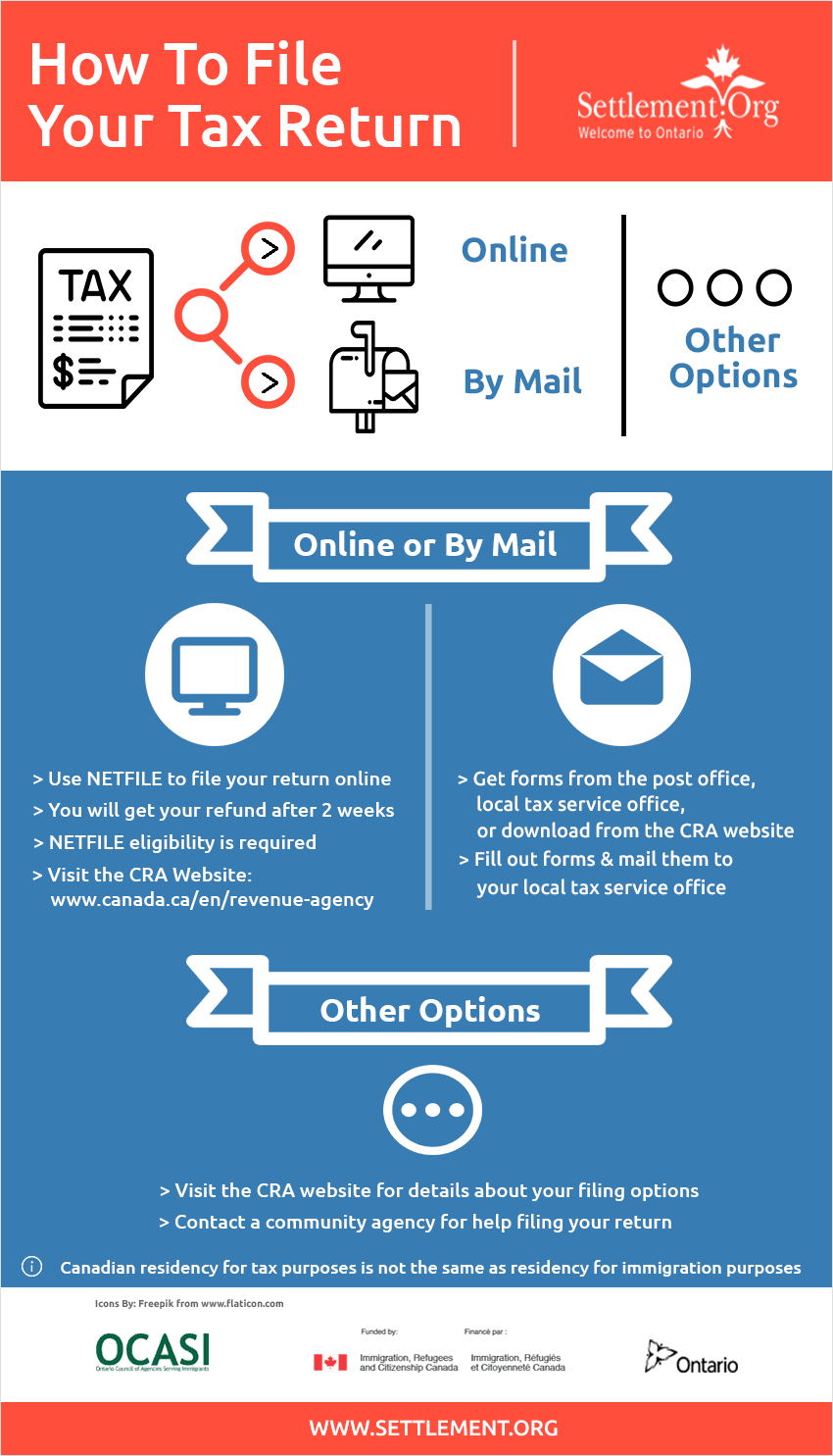
- Paper Forms: While less common now, you can still download and print official IRS forms and instructions, complete them by hand, and mail them in. This method is meticulous and prone to errors if not done carefully, and processing times are generally longer.
Step-by-Step Filing with Software
If opting for tax software, the process is generally straightforward:
- Select Your Software: Choose a provider and tier that matches your tax situation.
- Create an Account: Set up a secure account.
- Enter Personal Information: Provide your name, Social Security number, filing status, and information for dependents.
- Input Income: Enter data from your W-2s, 1099s, and other income statements. Many software programs allow you to import this directly from employers or financial institutions.
- Claim Deductions and Credits: The software will ask you a series of questions to help you identify and claim all eligible deductions and credits. Be thorough and honest.
- Review Your Return: This is a crucial step. The software will typically run a diagnostic check for errors or missing information. Take the time to review your entries carefully to ensure accuracy.
- Calculate Your Tax Liability/Refund: The software will display your final tax owed or refund amount.
- Choose Your Filing Method (E-file vs. Mail): Most taxpayers e-file (electronically file) their returns, which is faster and more secure. If e-filing, you’ll typically need your AGI from the previous year for verification.
- Payment/Refund Method: If you owe taxes, you can often pay directly through the software via bank transfer or credit card. If you’re due a refund, you can opt for direct deposit into your bank account.
What to Do After Filing
Filing your return isn’t the absolute end of the process. A few post-filing steps are important for your financial well-being and future compliance:
- Keep Records: Always keep copies of your filed return, all supporting documents, and proof of e-filing or mailing for at least three years from the date you filed your original return or two years from the date you paid the tax, whichever is later. For certain items, like property basis, records should be kept even longer.
- Monitor Your Refund: If you’re expecting a refund, you can track its status using the IRS “Where’s My Refund?” tool, usually within 24 hours of e-filing or four weeks of mailing a paper return.
- Pay Taxes Due: If you owe taxes, ensure your payment is made by the deadline. Failure to pay can result in penalties and interest, even if you filed on time.
- Amend if Necessary: If you discover an error after filing, you can amend your return using Form 1040-X, “Amended U.S. Individual Income Tax Return.”
- Plan for Next Year: Use the current year’s experience to adjust your withholding or estimated tax payments to avoid a large tax bill or an excessively large refund (which essentially means giving the government an interest-free loan).
Strategies for Smart Tax Management
Beyond the annual ritual of filing, effective tax management is an ongoing process that can significantly impact your financial health. Proactive planning and smart strategies can help minimize your tax burden and optimize your financial outcomes.
Proactive Record Keeping
The importance of organized record keeping cannot be overstated. Throughout the year, maintain a system for categorizing and storing all relevant financial documents. This includes pay stubs, bank statements, investment account statements, receipts for deductible expenses (medical, charitable donations, business expenses), and documentation for any life changes (marriage, birth of a child, home purchase). Digital solutions, such as scanning documents or using expense tracking apps, can simplify this process and provide easy access when tax season arrives. Good records not only make tax preparation smoother but are also crucial if your return is ever audited by the IRS. A well-organized system transforms tax time from a scramble into a more manageable task.
Understanding Estimated Taxes
For those with income not subject to withholding, such as freelancers, small business owners, or individuals with significant investment income, understanding and paying estimated taxes is crucial. The U.S. tax system operates on a “pay-as-you-go” basis. If you expect to owe at least $1,000 in tax for the year, you’re generally required to make estimated tax payments throughout the year, typically on a quarterly basis. Failure to do so can result in underpayment penalties. To calculate estimated taxes, you’ll need to project your income, deductions, and credits for the year. Using Form 1040-ES, you can calculate and remit these payments. Many choose to pay electronically through IRS Direct Pay. Properly managing estimated taxes helps avoid unwelcome surprises and penalties at year-end.
Leveraging Retirement Accounts for Tax Advantages
Retirement accounts offer powerful tax advantages that can significantly reduce your current taxable income and allow your investments to grow tax-deferred or tax-free. Contributions to traditional 401(k)s and traditional IRAs are often tax-deductible, reducing your Adjusted Gross Income (AGI) for the current tax year. The earnings within these accounts grow tax-deferred until withdrawal in retirement. In contrast, Roth IRAs and Roth 401(k)s accept after-tax contributions, but qualified withdrawals in retirement are entirely tax-free. Maximizing contributions to these accounts, within IRS limits, is a cornerstone of smart financial planning and can lead to substantial tax savings over time while building a robust retirement nest egg. For self-employed individuals, options like SEP IRAs and Solo 401(k)s offer even higher contribution limits and significant tax deductions.
Seeking Professional Guidance
While many individuals can manage their own tax filing, there are situations where seeking professional guidance is highly beneficial. If your tax situation becomes complex—due to starting a business, buying rental property, navigating investment gains and losses, dealing with significant life changes, or facing an audit—a qualified tax professional can provide invaluable expertise. Certified Public Accountants (CPAs), Enrolled Agents (EAs), or tax attorneys possess deep knowledge of tax law, can offer personalized advice, and help you ensure compliance while optimizing your tax position. They can identify overlooked deductions or credits, assist with tax planning strategies for future years, and represent you before the IRS if necessary. While there’s a cost associated with professional services, the peace of mind, potential savings, and expert advice often represent a worthwhile investment in your financial security.
aViewFromTheCave is a participant in the Amazon Services LLC Associates Program, an affiliate advertising program designed to provide a means for sites to earn advertising fees by advertising and linking to Amazon.com. Amazon, the Amazon logo, AmazonSupply, and the AmazonSupply logo are trademarks of Amazon.com, Inc. or its affiliates. As an Amazon Associate we earn affiliate commissions from qualifying purchases.