
Navigating the annual ritual of filing federal income tax can often feel like deciphering a complex map with numerous routes, each with its own set of rules and requirements. Understanding where and how to submit your federal tax return is crucial for compliance, ensuring accuracy, and optimizing your financial outcomes. The U.S. tax system offers several avenues for taxpayers, ranging from modern digital solutions to traditional paper-based methods, each suited to different needs and circumstances. Making an informed choice involves considering your income level, the complexity of your financial situation, your comfort with technology, and whether you require professional assistance.
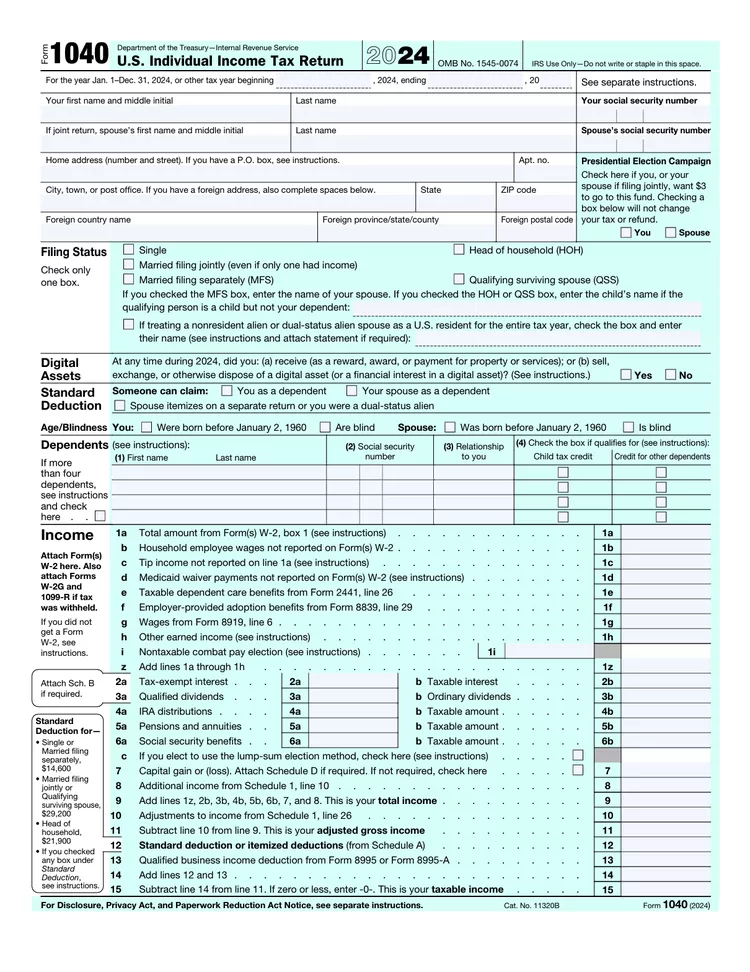
Understanding Your Filing Options: A Broad Overview
The Internal Revenue Service (IRS) provides multiple ways for individuals and businesses to submit their federal tax returns, each with distinct advantages and use cases. While the trend has overwhelmingly shifted towards electronic filing, traditional paper methods remain viable for specific situations or preferences.
The Digital Age: E-filing as the Primary Method
Electronic filing, or e-filing, has become the dominant method for submitting federal tax returns. It offers unparalleled speed, accuracy, and convenience. When you e-file, your return is transmitted directly to the IRS computers, significantly reducing processing times for refunds and minimizing common errors associated with manual data entry. The IRS actively encourages e-filing due to its efficiency and the enhanced security protocols in place to protect taxpayer data. This method is accessible through various platforms, from free government-sponsored programs to commercial software and professional tax preparers.
Traditional Routes: Paper Filing for Specific Situations
Despite the push for digitalization, paper filing remains an option. This method involves completing physical tax forms and mailing them to the IRS. While slower and more prone to errors, paper filing is sometimes necessary for certain complex tax situations, if you are unable to e-file for technical reasons, or simply prefer the tangible act of mailing your documents. It’s important to note that specific mailing addresses apply based on the form you’re filing and your geographic location, adding an extra layer of detail to this method.
Navigating E-filing: Platforms and Considerations
For the vast majority of taxpayers, e-filing presents the most efficient and secure way to fulfill their tax obligations. The digital landscape offers a spectrum of choices, each catering to different financial profiles and technical proficiencies.
IRS Free File Program: For Low and Moderate Incomes
The IRS Free File program is a partnership between the IRS and various tax software companies that offer free online tax preparation and e-filing. This program is typically available to taxpayers whose Adjusted Gross Income (AGI) falls below a certain threshold, which changes annually. It’s an excellent resource for individuals and families seeking to avoid preparation fees while still benefiting from the accuracy and speed of e-filing. Each participating Free File provider has its own eligibility requirements, usually based on age, income, or state residency, so it’s advisable to explore the options on the IRS website to find a suitable match.
Commercial Tax Software: Convenience and Features
For those whose income exceeds the Free File threshold or who prefer more robust features, commercial tax software platforms like TurboTax, H&R Block, TaxAct, and others offer comprehensive solutions. These platforms guide users step-by-step through the tax preparation process, offering varying levels of support from basic DIY filing to assisted options with tax professionals. They often include tools for importing financial data, identifying deductions, and managing investments, making complex returns more manageable. While most commercial software comes with a fee, the cost can be offset by the convenience, error-checking capabilities, and potential tax savings discovered through their guided processes. Many offer different tiers of service, from basic federal filing to more advanced options that include state returns and specialized schedules.
Professional Tax Preparers: Expert Assistance
For individuals and businesses with highly complex financial situations, substantial investments, self-employment income, or international tax considerations, engaging a professional tax preparer is often the most prudent course. Certified Public Accountants (CPAs), Enrolled Agents (EAs), and other qualified tax professionals can not only prepare and e-file your return but also offer invaluable advice on tax planning, compliance, and potential audit defense. These professionals use specialized software to e-file returns on behalf of their clients, ensuring accuracy and adherence to the latest tax laws. While this option typically involves a higher cost, the peace of mind and potential financial benefits derived from expert guidance can be significant. It’s crucial to choose a reputable and credentialed professional to ensure your financial information is handled securely and accurately.
The Nuances of Paper Filing: When and How
While less common, paper filing remains a necessary option for a subset of taxpayers. Understanding the correct procedures is paramount to avoid delays and ensure your return is processed correctly.
Obtaining Forms and Instructions
If you choose to file by mail, you will need to obtain the necessary tax forms and instructions. These are readily available on the IRS website for download and printing. Alternatively, you can order forms by mail directly from the IRS or pick them up at certain post offices, libraries, or local IRS offices, though availability can vary. Ensure you have the correct tax year’s forms, as tax laws and forms can change annually. Carefully reading the instructions for each form is essential to accurately complete your return.
Mailing Addresses: Dependent on Your Location and Form Type
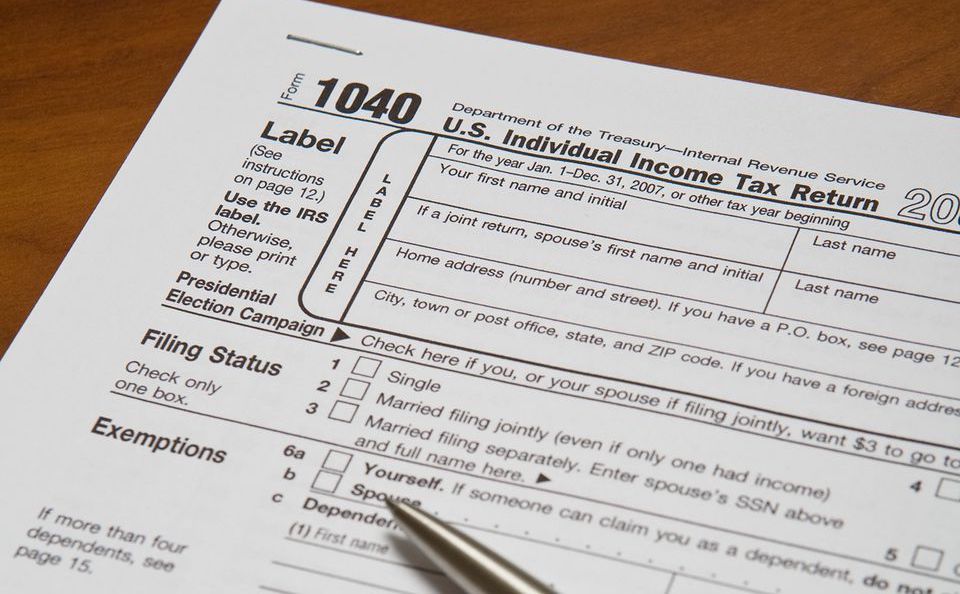
One of the most critical aspects of paper filing is sending your return to the correct IRS mailing address. The IRS has different mailing addresses based on the type of form you are filing (e.g., Form 1040, Form 1120 for corporations, Form 1041 for estates and trusts) and the state in which you reside. Sending your return to the wrong address can cause significant delays in processing and could even lead to penalties if your return is deemed late. The official IRS website provides a comprehensive list of “Where to File” addresses for various forms and regions. Always double-check the current year’s instructions for the precise address.
Proof of Mailing and Record Keeping
When submitting a paper return, it is highly advisable to obtain proof of mailing. Options include using certified mail with a return receipt through the U.S. Postal Service (USPS) or using a designated private delivery service approved by the IRS. This provides undeniable evidence that you sent your return on time. Furthermore, always keep a complete copy of your filed return, including all schedules and attachments, for your records. The IRS generally recommends retaining tax records for at least three years, but longer in certain circumstances, such as if you filed a claim for a loss or deduction from worthless securities.
Key Considerations Before You File
Regardless of the filing method you choose, several preparatory steps and awareness of certain factors are vital for a smooth tax filing experience.
Gathering Necessary Documentation
Before you begin preparing your return, gather all relevant financial documents. This typically includes W-2 forms from employers, 1099 forms for various types of income (e.g., interest, dividends, independent contractor payments), K-1 forms for partnership or S-corp income, statements for deductible expenses (e.g., mortgage interest, student loan interest, medical expenses), and records of any estimated tax payments made throughout the year. Having these documents organized beforehand significantly streamlines the process and reduces the likelihood of errors.
Understanding Deadlines and Extensions
The standard deadline for filing federal individual income tax returns is typically April 15th of each year, though this date can shift if it falls on a weekend or holiday. Businesses and other entities have different deadlines. Missing the filing deadline can result in penalties, even if you are due a refund. If you anticipate needing more time, you can file for an extension using Form 4868, which typically grants an additional six months to file. However, an extension to file is not an extension to pay. If you owe taxes, you must still estimate and pay them by the original deadline to avoid interest and penalties.
State Taxes: A Separate but Related Process
It’s crucial to remember that filing your federal tax return is distinct from filing your state income tax return, if applicable in your state. While many commercial tax software platforms and professional preparers can handle both federal and state filings concurrently, the rules, forms, and filing addresses for state taxes are determined by individual state tax authorities, not the IRS. Some states also have different filing deadlines. Ensure you address both federal and state obligations to remain fully compliant.
Amending a Return: What If You Make a Mistake?
Even after filing, errors can sometimes come to light. If you discover a mistake on your filed federal tax return, you can correct it by filing an amended return using Form 1040-X, Amended U.S. Individual Income Tax Return. This form allows you to explain the changes you are making and recalculate your tax liability. It’s generally recommended to file an amended return if the error affects your tax liability (e.g., changes the amount of tax owed or the refund due).
Choosing the Best Method for Your Financial Situation
The decision of where and how to file your federal tax return is ultimately a personal one, driven by your unique financial circumstances, comfort with technology, and need for assistance.
Simplicity vs. Complexity: Self-Prepared vs. Professional Help
For simple tax situations, such as those with W-2 income and standard deductions, self-preparation through free or commercial software is often sufficient and cost-effective. These tools are designed to guide you through the process, minimizing common errors. However, as your financial life becomes more intricate—involving investments, rental properties, self-employment, foreign income, or significant life changes like marriage or divorce—the value of professional assistance increases. A professional can ensure all applicable deductions and credits are claimed, navigate complex tax laws, and provide strategic advice.
Cost-Benefit Analysis: Free vs. Paid Options
Evaluating the cost of tax preparation against its potential benefits is a key financial decision. Free options, such as IRS Free File or basic commercial software versions, are ideal for eligible taxpayers looking to save money. Paid commercial software offers enhanced features, greater support, and often more robust error-checking, which can be worth the expense for moderately complex returns. Professional tax preparers represent the highest cost, but their expertise can lead to greater tax savings, reduced audit risk, and valuable financial planning insights, making it a worthwhile investment for those with significant financial complexity.

Security and Confidentiality
Regardless of the method, safeguarding your personal and financial information is paramount. When e-filing, ensure you use reputable software or a trusted professional. Verify that the website uses secure, encrypted connections (look for “https://” in the URL). If mailing, protect your documents from theft and ensure they are sent securely. Always be wary of phishing scams or fraudulent attempts to obtain your tax information. The IRS will generally initiate contact by mail, not email or phone, for sensitive matters. Maintaining diligent record-keeping, both digital and physical, adds another layer of security and ensures you have access to your tax history whenever needed. By carefully weighing these factors, you can confidently choose the optimal path for filing your federal tax return, securing your financial future, and ensuring compliance.
aViewFromTheCave is a participant in the Amazon Services LLC Associates Program, an affiliate advertising program designed to provide a means for sites to earn advertising fees by advertising and linking to Amazon.com. Amazon, the Amazon logo, AmazonSupply, and the AmazonSupply logo are trademarks of Amazon.com, Inc. or its affiliates. As an Amazon Associate we earn affiliate commissions from qualifying purchases.