
Understanding the valuation of a company as colossal and influential as Meta Platforms, Inc., formerly known as Facebook, is a cornerstone for any serious investor navigating the modern financial landscape. The question “how much is Facebook stock?” is not merely a request for a real-time quote; it’s an inquiry into the complex interplay of market dynamics, corporate performance, future projections, and the broader economic environment that collectively determine the price of one of the world’s most scrutinized equities. This article delves into what drives Meta’s stock price, how to find its current valuation, and critical considerations for potential investors, strictly from a financial perspective.

Understanding Meta Platforms (Facebook) Stock
To truly grasp the value of “Facebook stock,” one must first acknowledge the company’s evolution and its current identity. What many still refer to as Facebook stock is, in fact, shares of Meta Platforms, Inc. (META), the diversified technology conglomerate that owns Facebook, Instagram, WhatsApp, Messenger, Oculus, and a suite of other products and services.
A Brief History of Meta’s Market Journey
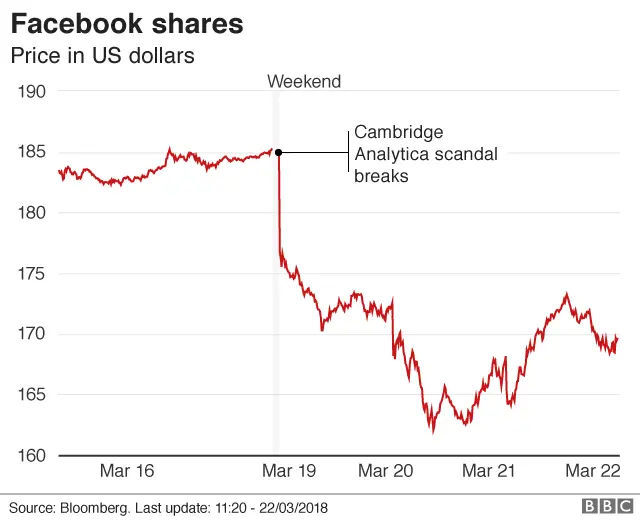
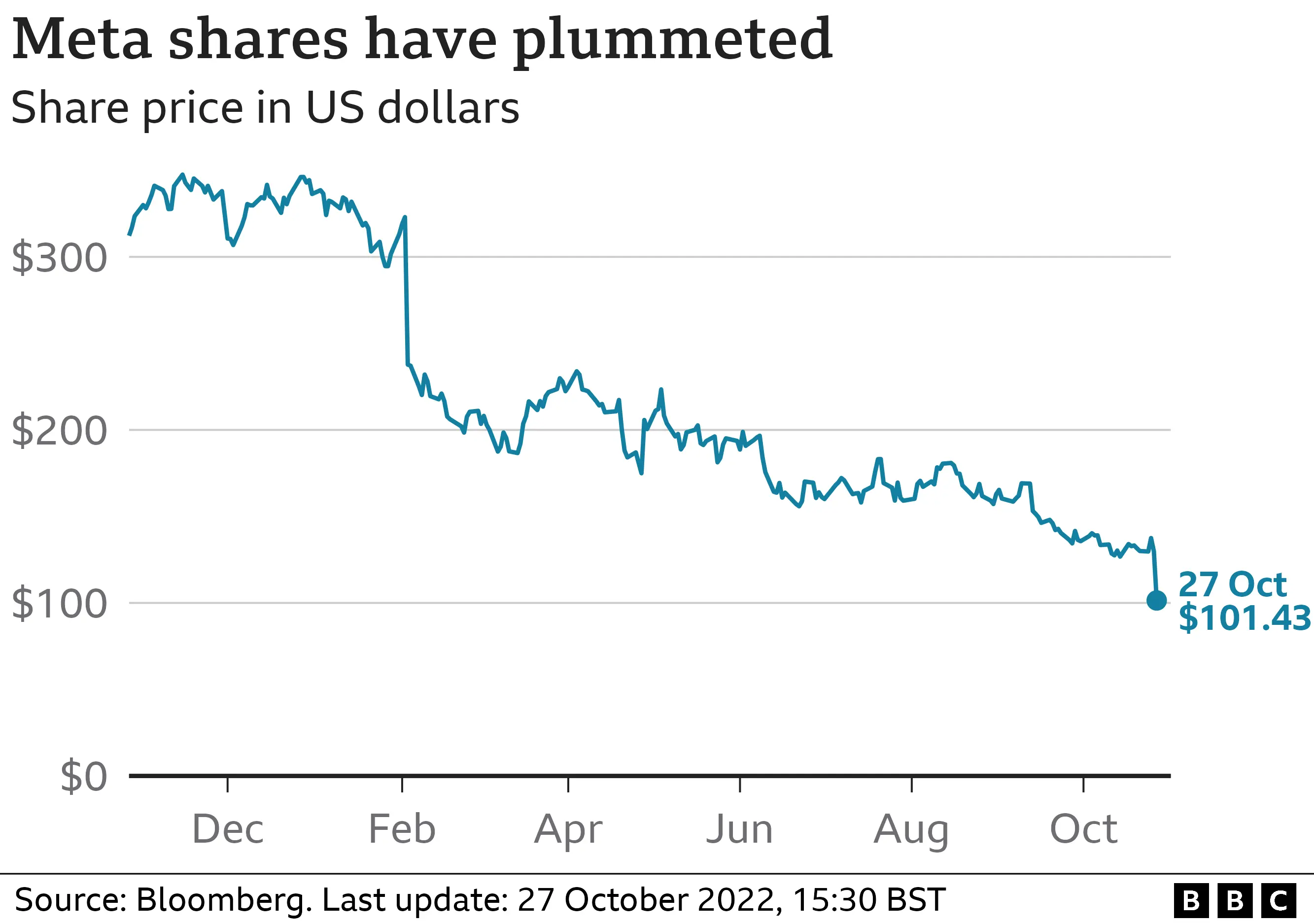
Facebook went public in May 2012 in one of the largest IPOs in U.S. history. Its journey on the stock market has been nothing short of a rollercoaster, marked by periods of explosive growth driven by user expansion and advertising dominance, interceded by significant challenges ranging from data privacy scandals to regulatory pressures. The company’s rebranding to Meta Platforms in October 2021 signaled a pivotal shift in its strategic direction, emphasizing its long-term bet on the metaverse. This rebrand profoundly impacted investor perception, initially causing a significant dip as the market grappled with the massive, long-term capital investments required for this ambitious vision, balanced against the continued profitability of its core advertising business.
Key Ticker Symbols and Exchanges
When you search for “Facebook stock,” you are looking for shares of Meta Platforms, Inc., which trades under the ticker symbol META on the NASDAQ stock exchange. The NASDAQ is known for listing many of the world’s largest technology companies, and Meta’s presence there positions it alongside other tech giants, making its performance a bellwether for the broader technology sector and, indeed, the market as a whole. Knowing the correct ticker symbol is crucial for accurately tracking its price, conducting research, and executing trades.
Why “Facebook Stock” is Now “Meta Stock”
The rebranding from Facebook to Meta Platforms was more than just a name change; it was a strategic repositioning to reflect the company’s ambitions beyond social media. While Facebook remains its most prominent platform, the company’s investments in virtual reality, augmented reality, and the nascent metaverse represent a fundamental shift in focus and a multi-decade commitment to building the next generation of digital interaction. For investors, this means evaluating the company not just on its current advertising revenue from its social apps but also on its potential to revolutionize digital experiences and generate new revenue streams in a completely new computing paradigm. This strategic pivot introduces both immense opportunities and significant financial risks, shaping how the market prices its shares.
Factors Influencing Meta’s Stock Price
The price of Meta’s stock is a dynamic figure, fluctuating minute by minute based on a confluence of internal performance indicators, external market forces, and forward-looking expectations. Understanding these drivers is essential for any investor.
Financial Performance and Earnings Reports
At its core, a company’s stock price reflects its financial health and profitability. Meta’s quarterly earnings reports are critical events, detailing revenue, net income, earnings per share (EPS), and various other financial metrics. Analysts and investors scrutinize these reports for growth trends, profit margins, and guidance on future performance. Strong ad revenue growth, efficient cost management, and positive outlooks tend to boost the stock, while misses on expectations or pessimistic guidance can lead to sharp declines. The performance of its ‘Family of Apps’ (FoA) segment (Facebook, Instagram, WhatsApp, Messenger) remains the primary driver of profitability, while the ‘Reality Labs’ (RL) segment (metaverse-related hardware and software) continues to operate at a significant loss, impacting overall profitability.
User Growth and Engagement Metrics
For a social media and advertising powerhouse like Meta, the number of users and their level of engagement are paramount. Metrics such as Daily Active Users (DAU), Monthly Active Users (MAU), and Average Revenue Per User (ARPU) are closely watched. Sustained growth in these figures signals a healthy, expanding user base that attracts advertisers, while stagnation or decline can raise concerns about market saturation or competition. Changes in engagement, especially on key platforms like Instagram Reels, also signal the company’s ability to adapt to evolving consumer preferences and fend off competitors like TikTok.
Regulatory Scrutiny and Antitrust Concerns
Meta operates in a highly regulated environment, and government scrutiny around the globe significantly impacts its financial prospects and stock valuation. Antitrust investigations, data privacy regulations (like GDPR and CCPA), and content moderation debates can lead to hefty fines, restrictions on business practices, or even forced divestitures. The potential for such regulatory actions creates uncertainty, which the market often discounts into the stock price. Legislative developments or major court rulings related to Meta’s operations are consistently factors investors must consider.
Competition and Innovation (TikTok, AI, Metaverse)
The digital landscape is fiercely competitive. Meta faces direct competition from rivals like TikTok for user attention and advertising dollars, and from Google and Amazon for digital ad spend. Its ability to innovate, adapt its platforms, and introduce new compelling features (e.g., Instagram Reels, AI-powered recommendations) is crucial for maintaining its market position. Furthermore, the success or failure of its metaverse vision, which is heavily reliant on technological breakthroughs and widespread adoption, represents a massive speculative element influencing its long-term valuation. Investments in artificial intelligence, both for improving current product offerings and for building the metaverse, are also key competitive differentiators.
Broader Market Trends and Economic Conditions
No stock exists in a vacuum. Meta’s performance is also affected by broader macroeconomic factors. Interest rate changes, inflation, consumer spending habits, and overall economic growth rates can influence advertising budgets, investor sentiment, and capital availability. During periods of economic uncertainty, investors may rotate out of growth stocks like Meta into more defensive assets, regardless of the company’s individual performance. Conversely, a robust economy can create tailwinds for advertising and technology sectors.
How to Find the Current Price and Invest
Accessing real-time stock information and executing an investment in Meta Platforms (META) is straightforward for today’s investor, though it requires an understanding of where to look and what metrics matter.
Reliable Sources for Real-Time Stock Quotes
To find the current price of Meta stock (META), you can use several reliable financial platforms:
- Major Financial News Websites: Websites like Google Finance, Yahoo Finance, Bloomberg, Reuters, The Wall Street Journal, and CNBC provide up-to-the-minute stock quotes, historical data, and relevant news.
- Brokerage Platforms: If you have an investment account, your brokerage’s website or app will offer real-time quotes, charts, and often advanced analytical tools.
- Stock Market Data Providers: Services like TradingView or Finviz offer comprehensive charting and screening tools that can be highly beneficial for detailed analysis.
When checking the price, pay attention to the “Last Price,” “Bid” (highest price a buyer is willing to pay), and “Ask” (lowest price a seller is willing to accept) to understand the current market depth and liquidity.
Understanding Key Metrics (Market Cap, P/E Ratio, EPS)
Beyond the price per share, several fundamental metrics provide deeper insight into Meta’s valuation and financial health:
- Market Capitalization (Market Cap): This is the total value of all outstanding shares, calculated by multiplying the current share price by the number of shares outstanding. It indicates the company’s overall size. A high market cap like Meta’s signifies a large, established company.
- Price-to-Earnings (P/E) Ratio: This ratio compares the company’s current share price to its earnings per share (EPS). A higher P/E ratio often suggests investors expect higher future growth, while a lower P/E might indicate undervaluation or slower growth prospects. Comparing Meta’s P/E to its industry peers and its historical average can provide valuable context.
- Earnings Per Share (EPS): This is a company’s net profit divided by the number of outstanding shares. It indicates how much profit the company makes per share and is a key measure of profitability.
- Dividend Yield: While Meta has historically not paid a regular dividend, this metric indicates the percentage of a company’s share price paid out as dividends over a year. It’s less relevant for Meta currently but important for income-focused investors.
- Revenue Growth: The year-over-year or quarter-over-quarter percentage increase in sales. Consistent revenue growth is crucial for investor confidence in a growth-oriented company.
Steps to Buying Meta Stock
Investing in Meta stock involves a few straightforward steps:
- Open a Brokerage Account: Choose a reputable online brokerage (e.g., Fidelity, Charles Schwab, Robinhood, E*TRADE). You’ll need to provide personal information and link a bank account.
- Fund Your Account: Transfer funds from your bank account to your brokerage account.
- Research META: Utilize the sources mentioned above to understand the current stock price, recent news, and financial analysis. Decide how many shares you wish to buy based on your budget and investment strategy.
- Place an Order: Log into your brokerage account, search for the ticker symbol META, and select “Buy.” You can place a “Market Order” (buy at the current market price) or a “Limit Order” (specify the maximum price you’re willing to pay). For most individual investors, a limit order offers better control.
- Monitor Your Investment: Once purchased, regularly review Meta’s performance, financial news, and your overall portfolio.
Considering Investment Vehicles (Direct Shares, ETFs, Mutual Funds)
You don’t have to buy individual shares of Meta directly. Other investment vehicles offer exposure to the company:
- Direct Shares: Buying individual shares of META allows for direct participation in its performance but concentrates risk.
- Exchange-Traded Funds (ETFs): Many tech-focused ETFs or broad market index ETFs (like those tracking the NASDAQ 100 or S&P 500) will include Meta as a significant holding. This offers diversification while still gaining exposure to Meta.
- Mutual Funds: Similar to ETFs, actively managed or index-tracking mutual funds focused on growth or technology sectors will often hold Meta shares.
Choosing the right vehicle depends on your investment goals, risk tolerance, and desired level of diversification.
The Bull and Bear Case for Meta Investors
Every investment has its proponents and its skeptics. For Meta Platforms, the investment thesis is particularly polarized due to its dual focus on a highly profitable but maturing advertising business and a nascent, capital-intensive metaverse bet.
Growth Drivers: AI, Reels, and the Metaverse Vision
The “bull case” for Meta rests on several pillars. Firstly, its core Family of Apps business continues to be an advertising juggernaut, leveraging unparalleled user data and advanced AI to deliver highly effective targeted ads. Continued innovation in areas like Instagram Reels is successfully competing with TikTok, recapturing user attention and driving new ad revenue growth. The strategic integration of AI across all its products is enhancing user experience, improving ad relevance, and potentially unlocking new monetization avenues. Secondly, the long-term vision for the metaverse, while costly in the short term, presents a potentially revolutionary platform for commerce, communication, and entertainment. If Meta succeeds in establishing itself as a leader in this next computing paradigm, the financial rewards could be immense, justifying the current multi-billion dollar annual investments in Reality Labs. The company’s vast cash reserves and strong free cash flow from its core business provide the financial firepower for this ambitious endeavor.
Potential Headwinds: Regulatory Risks, Competition, Metaverse Uncertainty
The “bear case” highlights significant challenges. Regulatory pressures, particularly around data privacy, antitrust, and content moderation, pose an ongoing threat of fines, operational restrictions, and negative public perception, potentially impacting its ability to acquire new companies or introduce new features. The advertising market is also intensely competitive, with Google, Amazon, and TikTok constantly vying for ad dollars and user attention. Furthermore, the metaverse vision itself is highly speculative. The timeline for widespread adoption is uncertain, the technology is still evolving, and the return on investment for the billions poured into Reality Labs remains a significant question mark. Persistent losses in this segment could continue to drag down overall profitability and investor sentiment. There’s also the ongoing challenge of attracting and retaining younger users, who are increasingly drawn to newer platforms.
Dividend Policy and Share Buybacks
Historically, Meta has not paid a dividend, choosing instead to reinvest its profits back into the business and engage in substantial share buyback programs. Share buybacks reduce the number of outstanding shares, which can increase earnings per share (EPS) and often signal confidence from management in the company’s future value. For growth-oriented investors, reinvestment and buybacks are often preferred over dividends, as they can lead to greater capital appreciation. However, for income-focused investors, the absence of a dividend can be a deterrent. Investors should monitor Meta’s capital allocation strategy closely as it can signal management’s priorities regarding growth versus returning capital to shareholders.
Is Meta Stock a Good Investment for You?
The decision of whether to invest in Meta stock is deeply personal and should align with your individual financial situation and investment philosophy. It’s not a simple “yes” or “no” answer, but rather a calculation based on your risk tolerance, financial goals, and thorough due diligence.
Assessing Your Risk Tolerance and Financial Goals
Meta Platforms, despite its size, remains a growth-oriented technology company with significant speculative elements (the metaverse). This means its stock price can be volatile. If you have a high-risk tolerance and a long-term investment horizon, the potential upside of Meta’s metaverse bet might be appealing. However, if you are risk-averse or nearing retirement, the inherent volatility and speculative nature might make it less suitable for your portfolio. Consider if you are investing for capital appreciation, income generation (which Meta doesn’t currently offer), or a combination. Meta is primarily a capital appreciation play.
Importance of Due Diligence and Diversification
Before investing, conduct your own comprehensive research. Read Meta’s annual reports (10-K), quarterly reports (10-Q), and investor presentations. Understand its business model, competitive landscape, financial performance, and future outlook. Don’t rely solely on headlines or social media sentiment.
Furthermore, diversification is paramount. Even if you believe strongly in Meta’s prospects, it should ideally represent only a portion of a well-diversified portfolio. Spreading your investments across various companies, industries, and asset classes helps mitigate risk. If one investment underperforms, others can potentially offset those losses. Over-concentrating in a single stock, no matter how promising, can expose you to significant risk.
Seeking Professional Financial Advice
For many investors, especially those new to the market or dealing with complex financial situations, seeking advice from a qualified financial advisor is invaluable. A professional can help you assess your risk tolerance, define your financial goals, evaluate specific investments like Meta stock within the context of your overall portfolio, and help you create a tailored investment strategy. They can provide an objective perspective and ensure your decisions align with your long-term financial well-being.
In conclusion, “how much is Facebook stock” is a question that opens the door to a detailed examination of Meta Platforms’ financial standing, market influence, and future trajectory. While the current price is a click away, a true understanding requires delving into the forces that shape its value, appreciating its dual business model, and carefully considering how it fits into your personal financial journey.
aViewFromTheCave is a participant in the Amazon Services LLC Associates Program, an affiliate advertising program designed to provide a means for sites to earn advertising fees by advertising and linking to Amazon.com. Amazon, the Amazon logo, AmazonSupply, and the AmazonSupply logo are trademarks of Amazon.com, Inc. or its affiliates. As an Amazon Associate we earn affiliate commissions from qualifying purchases.