
To ask “where is Microsoft Corporation located?” might seem like a straightforward query, easily answered with a quick search engine query. However, for a brand of Microsoft’s magnitude, the answer transcends a simple street address. It delves into the very essence of corporate identity, brand strategy, global reach, and the physical manifestations of a company’s values and influence. Understanding Microsoft’s physical locations—from its iconic headquarters to its vast global network—provides profound insights into its operational strategy, its brand narrative, and its strategic positioning in the technology landscape. This exploration is not just a geographical exercise; it’s a study in how a brand builds, maintains, and projects its identity across diverse physical and digital territories.
The Iconic Redmond Headquarters: A Nexus of Innovation and Corporate Identity
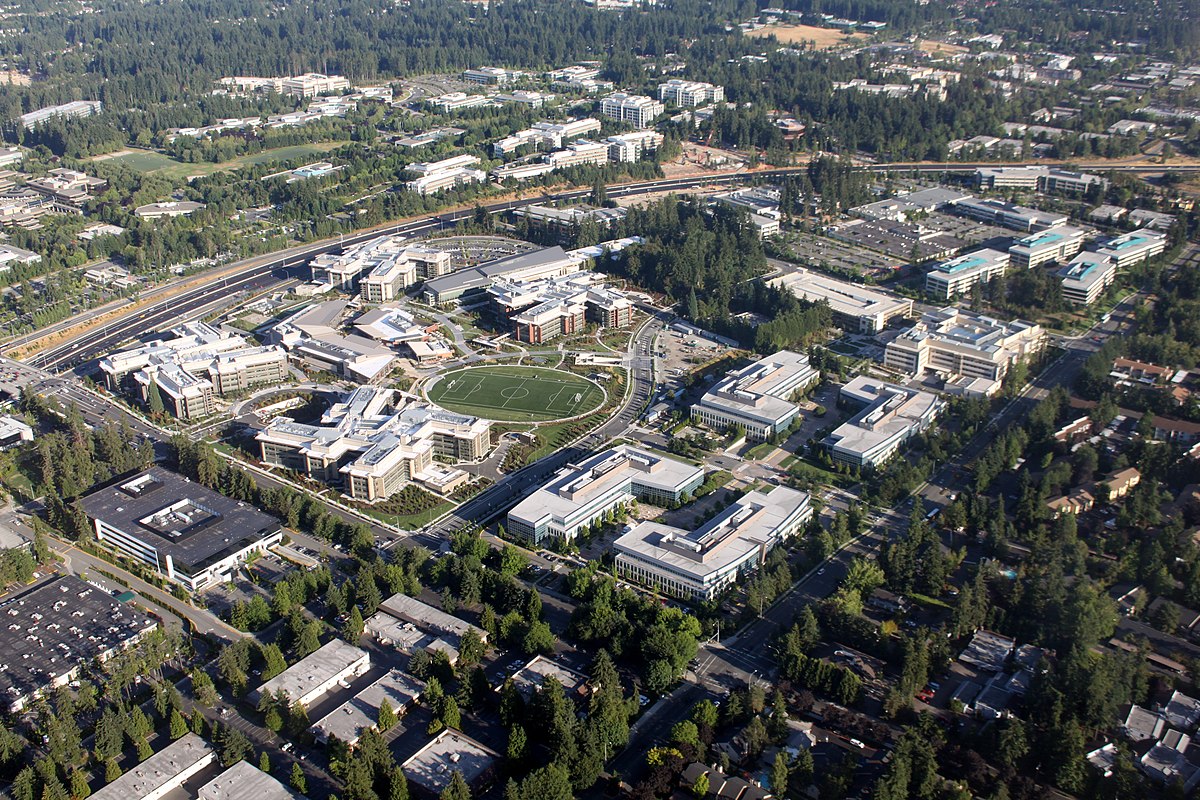
At the heart of Microsoft’s physical brand identity lies its sprawling campus in Redmond, Washington. This location is more than just an office park; it is the symbolic and operational nerve center of one of the world’s most influential technology companies. The Redmond campus serves as a powerful testament to Microsoft’s history, its ongoing innovation, and its deep-rooted corporate culture.
The Birth of a Campus: From Humble Beginnings to a Global Hub
Microsoft’s journey began in Albuquerque, New Mexico, before moving to Bellevue, Washington, in 1979. However, it was the move to Redmond in 1986 that marked a pivotal moment in the company’s development, coinciding with its initial public offering (IPO). What started as a few buildings on a suburban campus has since blossomed into a massive, interconnected complex covering several million square feet. This organic growth mirrors Microsoft’s own evolution from a fledgling software company to a global technology giant. The continuous expansion and modernization of the Redmond campus represent a tangible investment in the brand’s future, providing state-of-the-art facilities designed to foster creativity, collaboration, and cutting-edge research and development. The very act of building and refining this campus over decades speaks volumes about Microsoft’s long-term vision and commitment to its foundational home.
Redmond as a Symbol: Branding Through Physical Presence
The Redmond campus is not just a functional workspace; it is a critical component of Microsoft’s corporate identity and public brand. Its distinct architecture, meticulously landscaped grounds, and a carefully curated environment project an image of innovation, stability, and global leadership. For employees, partners, and visitors alike, the campus offers a tangible experience of the Microsoft brand. Walking through its pathways, seeing the research labs, and experiencing the employee-centric amenities reinforces the company’s commitment to its people and its mission. This physical presence acts as a powerful branding tool, conveying trustworthiness, technological prowess, and a deep-seated culture of excellence. It’s a place where the physical environment itself communicates brand values, signaling to the world that this is where significant work happens, where the future is being shaped. The campus tours, visitor centers, and even promotional videos often feature the Redmond campus prominently, leveraging its impressive scale and design to enhance the brand’s mystique and appeal.
Architectural Philosophy and Employee Experience: Shaping the Brand from Within
Microsoft’s Redmond campus has undergone significant redevelopment, most notably the multi-billion-dollar modernization project designed to create a more integrated and pedestrian-friendly environment. This architectural philosophy is not merely about aesthetics; it’s a strategic move to optimize employee experience and foster a specific type of corporate culture. The design emphasizes connectivity, sustainability, and flexibility, reflecting modern work trends and Microsoft’s forward-thinking brand ethos. Open spaces, collaborative zones, and access to nature are all intentional choices aimed at boosting productivity, well-being, and cross-departmental synergy. By investing in an environment that nurtures its talent, Microsoft reinforces its brand as an employer of choice and a leader in workplace innovation. This internal branding, focused on employee experience, inevitably radiates outwards, strengthening the company’s external reputation and brand perception. The campus design itself is a manifestation of Microsoft’s commitment to creating an inclusive, innovative, and sustainable future, aligning its physical spaces with its overarching brand mission.
Beyond Redmond: Microsoft’s Global Footprint and Distributed Brand Presence
While Redmond serves as Microsoft’s spiritual and operational core, the brand’s true power lies in its vast global network. Microsoft is not just located in Redmond; it is located in virtually every major economic center around the world, adapting its brand and operations to local contexts.
Strategic Expansion: Establishing Regional Hubs and Local Markets
Microsoft’s global strategy involves establishing regional hubs and local offices to cater to diverse markets, talent pools, and regulatory environments. Major regional centers in places like Dublin (Europe, Middle East, Africa operations), Hyderabad (India Development Center), Beijing, and numerous locations across the Americas, Asia, and Europe underscore a deliberate approach to global penetration. These offices are not mere satellite branches; many serve as significant R&D centers, sales hubs, and customer support facilities, playing crucial roles in the company’s worldwide operations. This strategic distribution allows Microsoft to engage directly with local economies, understand regional nuances, and respond swiftly to market demands, thereby strengthening its brand relevance and acceptance on a global scale. Each regional office, while part of the larger Microsoft family, also functions as a localized representation of the brand, tailored to resonate with the specific cultural and business landscape it inhabits.
The Role of International Offices in Brand Localization
Effective global branding is not about imposing a single identity everywhere; it’s about localizing the brand while maintaining a consistent core message. Microsoft’s international offices are instrumental in this process. They enable the company to translate its global mission into locally relevant products, services, and marketing campaigns. For instance, an office in Japan might focus on gaming and consumer electronics, while a hub in Germany might emphasize enterprise software solutions. These localized efforts ensure that Microsoft’s brand remains approachable, relevant, and trusted by diverse customer segments worldwide. Local teams understand the cultural sensitivities, linguistic nuances, and competitive landscapes of their regions, allowing them to adapt brand communications and product offerings accordingly. This localized approach is critical for building genuine connections with customers and reinforcing Microsoft’s image as a truly global, yet locally attuned, brand.
Mergers, Acquisitions, and Decentralized Operations: Extending the Brand Network
Microsoft’s growth has also been fueled by a continuous strategy of mergers and acquisitions, each bringing new locations, teams, and product lines into the Microsoft fold. Companies like LinkedIn (Sunnyvale, CA), Mojang (Stockholm, Sweden), and GitHub (San Francisco, CA) maintain their distinct brand identities and operational centers, yet are deeply integrated into the broader Microsoft ecosystem. This approach highlights a decentralized brand strategy where core Microsoft values are infused, but individual brand identities are often preserved to leverage existing market goodwill and specialized expertise. This distributed model of operations expands Microsoft’s physical presence and its brand reach into new technological domains and market segments, demonstrating a flexible and adaptive corporate identity that can absorb and integrate diverse brands while still projecting a unified vision of innovation and leadership.
The Interplay of Physical Location and Digital Identity in the Modern Brand Landscape
In an increasingly digital world, the concept of “location” for a brand like Microsoft is multifaceted. It encompasses not only physical addresses but also digital touchpoints, and the influence of both on corporate identity is profound.
Reinforcing the Brand Narrative Through Physical Spaces
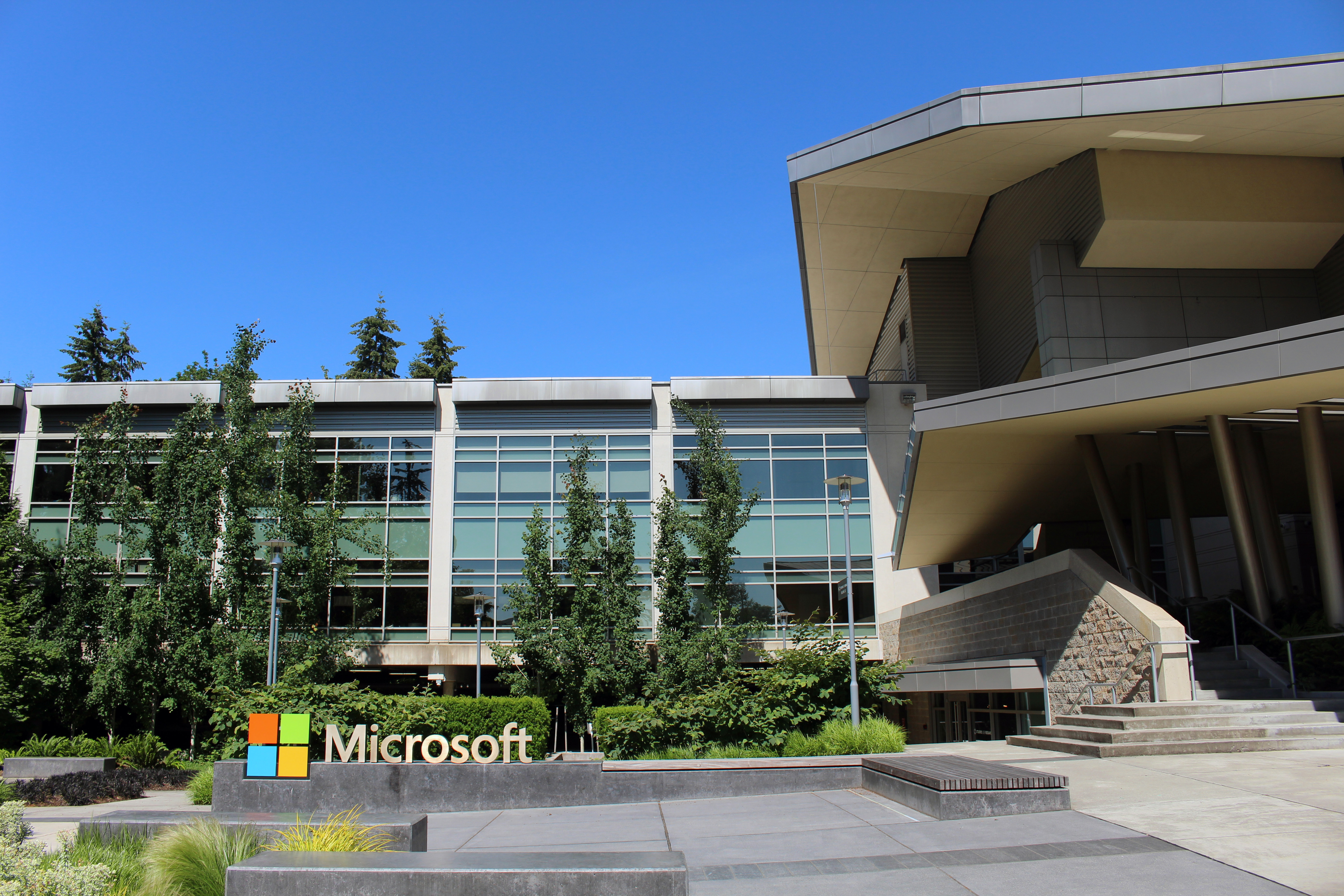
Despite the rise of digital platforms, physical spaces continue to play a vital role in reinforcing a brand’s narrative. Microsoft’s branded retail stores, its event spaces, and even its booths at industry conferences are all physical locations designed to offer immersive brand experiences. These spaces allow customers to interact directly with products, engage with brand representatives, and experience the company’s culture firsthand. Such tangible interactions are crucial for building trust, fostering community, and strengthening brand loyalty in ways that purely digital interactions cannot always achieve. They serve as physical touchpoints that bridge the gap between Microsoft’s digital offerings and its human-centric brand promise, ensuring that the brand feels real, accessible, and grounded.
Navigating Remote Work and Hybrid Models: A New Dimension of “Location”
The global shift towards remote and hybrid work models has introduced a new dimension to how we perceive a company’s “location.” For a brand like Microsoft, which champions collaborative software and cloud solutions, this shift is both a challenge and an opportunity to redefine its corporate identity. While Redmond remains its formal headquarters, Microsoft’s workforce is now distributed across homes, co-working spaces, and satellite offices globally. This distributed workforce model means that Microsoft’s brand must increasingly manifest through its digital infrastructure—its communication platforms, its virtual meeting tools, and its digital culture. The challenge for the brand is to maintain a cohesive corporate identity and foster a strong sense of belonging among employees who may rarely, if ever, set foot on the Redmond campus. This requires a conscious effort to translate the values and culture traditionally associated with physical spaces into a robust digital experience.
Local Impact, Global Reach: Microsoft’s Brand as an Economic Driver
Microsoft’s physical locations, particularly its Redmond headquarters, exert a significant economic influence on their surrounding communities. The presence of such a large corporation creates thousands of jobs, stimulates local businesses, and drives regional development. This economic impact is a critical aspect of Microsoft’s brand, positioning it not just as a technology provider but as a responsible corporate citizen and a catalyst for growth. The brand’s commitment to community engagement, local hiring, and corporate social responsibility initiatives in areas where it has a physical presence further solidifies its positive image and generates goodwill. This local investment forms a powerful narrative, demonstrating that Microsoft’s global ambitions are balanced by a commitment to the communities that host its operations, reinforcing its brand as a force for positive change.
Microsoft’s Headquarters as a Strategic Asset: Influence, Talent, and Ecosystem Development
The strategic importance of Microsoft’s physical location, particularly its Redmond campus, extends beyond operational convenience. It is a calculated asset in the competitive landscape of technology, talent acquisition, and ecosystem development.
Attracting Top Talent: The Lure of a Premier Tech Campus
For a tech giant like Microsoft, attracting and retaining top-tier talent is paramount. The Redmond campus plays a significant role in this strategy. Its reputation as a world-class facility, coupled with its location in a vibrant tech hub, makes it an attractive destination for engineers, researchers, and business professionals globally. The amenities, the collaborative environment, the access to cutting-edge technology, and the sheer scale of the campus contribute to an aspirational work experience. This physical allure is a powerful component of Microsoft’s employer brand, signaling its commitment to providing an unparalleled professional environment. The ability to physically immerse oneself in the heart of Microsoft’s innovation machine is a powerful draw, helping the brand to secure the human capital necessary to drive its future.
Community Engagement and Corporate Social Responsibility: Building Local Brand Equity
Microsoft leverages its physical presence to engage deeply with local communities, particularly in the greater Seattle area. Through initiatives in education, sustainability, and economic development, the company builds significant local brand equity. Its corporate social responsibility (CSR) programs are often tied to the communities where its employees live and work, fostering a sense of shared purpose and investment. This localized community engagement is a deliberate strategy to enhance the brand’s reputation, demonstrating its commitment to being a good neighbor and a responsible global citizen. By visibly contributing to the well-being of its local environment, Microsoft reinforces a powerful message about its values and its role beyond mere commercial operations, strengthening its overall brand perception.
Shaping the Tech Ecosystem: Redmond’s Role in Washington’s Tech Boom
The sheer presence and scale of Microsoft in Redmond have profoundly shaped the entire tech ecosystem of Washington State. Its establishment in the area attracted other tech companies, skilled professionals, and venture capital, transforming the region into a global tech powerhouse. This effect is a testament to the brand’s gravitational pull and its capacity to act as an anchor for an entire industry. Microsoft’s physical location, therefore, is not just where it operates, but also a key factor in how it influences the broader technology landscape and fosters innovation across the region. The brand’s physical roots in Redmond are intertwined with the success story of the Pacific Northwest as a tech hub, creating a powerful narrative of industry leadership and regional transformation.
The Evolving Definition of “Location” for a 21st-Century Brand
In an era of rapid digital transformation, the definition of a brand’s “location” is continually evolving, pushing beyond physical addresses into virtual realms and distributed networks.
From Physical Address to Virtual Presence: The Metaverse and Beyond
As technology advances, particularly with concepts like the metaverse and persistent virtual worlds, a brand’s “location” will increasingly include its presence in digital spaces. Microsoft, through its Mesh platform and HoloLens technology, is actively exploring these new frontiers. This means that a part of Microsoft’s brand identity and operational presence could soon reside in entirely virtual environments, offering new ways for customers and employees to interact with the brand regardless of their physical whereabouts. The strategic decision to invest in these virtual “locations” reflects a forward-looking brand strategy, ensuring Microsoft remains at the forefront of digital experience and extends its corporate identity into the next generation of computing.
The Brand’s “Home” in the Age of Digital Transformation
Ultimately, for a global, digital-first company like Microsoft, its “home” is increasingly multifaceted. It is simultaneously the physical innovation hub in Redmond, the network of global offices, the cloud infrastructure that powers its services, and the digital platforms where its employees and customers connect. This distributed “home” is a core aspect of Microsoft’s brand identity, signaling its ubiquity, adaptability, and leadership in the digital age. The company’s brand strategy must therefore account for this complex tapestry of physical and virtual locations, ensuring a consistent and compelling narrative across all touchpoints.

Future-Proofing Corporate Identity in a Distributed World
Understanding where Microsoft Corporation is located is to understand a sophisticated brand strategy that integrates physical presence with digital reach, local impact with global ambition. The question moves beyond simple geography to touch upon how a brand builds its identity, manages its operations, and influences its ecosystem in an increasingly interconnected and distributed world. As Microsoft continues to evolve, its “location” will remain a dynamic element of its corporate identity, adapting to new technologies, work models, and market demands, always with a strategic eye toward maintaining its position as a global leader.
aViewFromTheCave is a participant in the Amazon Services LLC Associates Program, an affiliate advertising program designed to provide a means for sites to earn advertising fees by advertising and linking to Amazon.com. Amazon, the Amazon logo, AmazonSupply, and the AmazonSupply logo are trademarks of Amazon.com, Inc. or its affiliates. As an Amazon Associate we earn affiliate commissions from qualifying purchases.