
The automotive dealership industry is a cornerstone of global commerce, yet the inner workings of its profitability often remain a mystery to the average consumer. While it might seem straightforward – buy low, sell high – the reality of how much dealerships make is far more nuanced, encompassing a complex web of revenue streams, significant operating costs, and strategic financial management. Understanding the financial architecture of a car dealership not only sheds light on a multi-billion dollar sector but also provides valuable context for both aspiring business owners and savvy car buyers. This article delves into the various facets of dealership profitability, breaking down where their money comes from, their overheads, and the evolving landscape of their financial success.
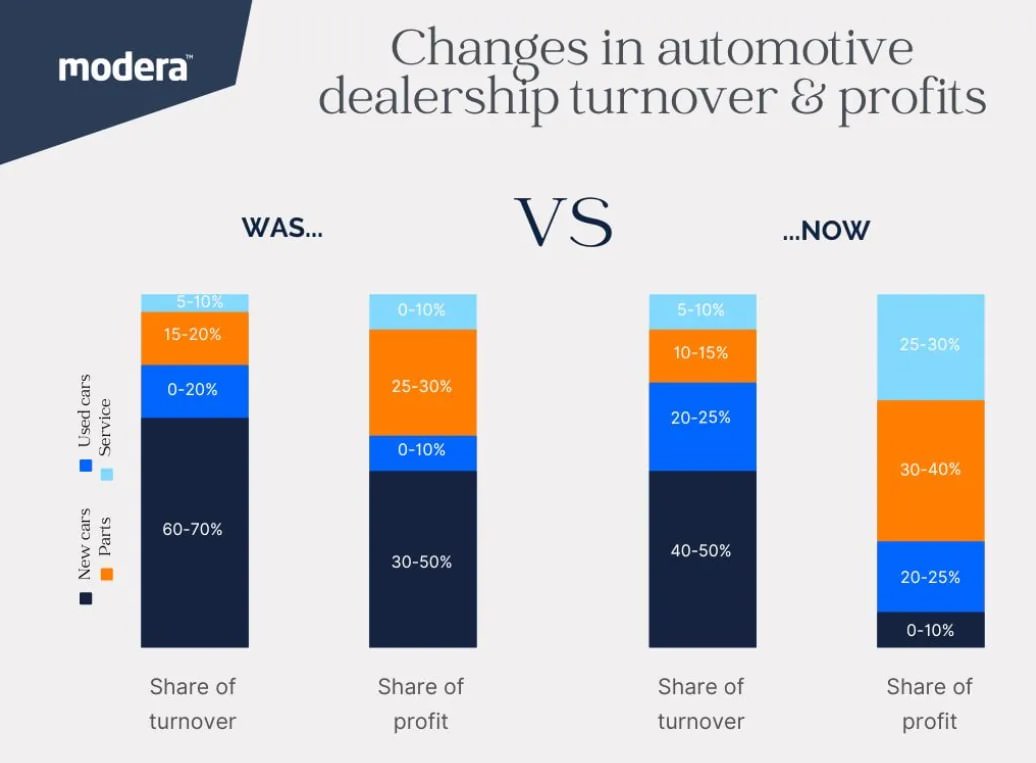
The Complex Revenue Streams of a Car Dealership
Contrary to popular belief, the profit of a car dealership isn’t solely derived from the sticker price of a new vehicle. Dealerships are sophisticated multi-faceted businesses with several distinct departments, each contributing significantly to the bottom line. A comprehensive view requires examining each of these critical revenue streams.
New Car Sales: Low Margin, High Volume
The glamorous showroom, filled with the latest models, often forms the public’s primary image of a car dealership. However, the profit margins on new car sales are surprisingly thin. For many popular models, the “front-end gross profit”—the difference between the invoice price (what the dealer pays the manufacturer) and the selling price—can range from a mere 3% to 8%, and sometimes even less after incentives and negotiations. This low margin means that dealerships rely heavily on volume to make new car sales profitable. Every dollar counts, and every sale contributes to meeting manufacturer quotas, which often unlock additional incentives, holdbacks (money refunded by the manufacturer for each car sold), and marketing allowances that can significantly boost overall profitability. The actual profit on a new car can fluctuate wildly based on manufacturer incentives, market demand, and the sales team’s ability to negotiate.
Used Car Sales: The Profit Powerhouse
If new car sales are about volume, used car sales are where many dealerships truly shine in terms of individual unit profitability. The margins on pre-owned vehicles are generally much higher and more flexible, often ranging from 10% to 20% or even more, depending on the vehicle’s condition, demand, and how it was acquired (trade-in, auction, or direct purchase). Dealerships have greater control over the acquisition cost and reconditioning expenses for used cars, allowing them to optimize their profit. This department requires shrewd appraisal skills, efficient reconditioning processes, and a keen understanding of market trends. A well-managed used car inventory can be a goldmine, often contributing a disproportionately large share of a dealership’s total gross profit despite selling fewer units than new cars.
Financing and Insurance (F&I): A Critical Profit Center
The Financing and Insurance (F&I) department is often the most lucrative, yet least understood, profit center within a dealership. After a customer agrees on a vehicle price, they are then presented with a range of financial products and services. This includes arranging auto loans (where the dealership often earns a commission or “reserve” for facilitating the loan), selling extended warranties, vehicle service contracts, gap insurance, anti-theft systems, paint protection, and other aftermarket products. The margins on these F&I products can be substantial, often 50% or more of the selling price for the product itself. For many dealerships, the per-vehicle F&I profit can often rival or even exceed the gross profit made on the sale of the vehicle itself. This department requires skilled F&I managers who can present these products effectively and ethically, playing a crucial role in enhancing the dealership’s overall financial performance.
Service and Parts Departments: The Steady Income Stream
While sales departments deal with cyclical demand and intense competition, the service and parts departments provide a remarkably stable and high-margin revenue stream. Customers consistently need oil changes, routine maintenance, repairs, and replacement parts for their vehicles. The gross profit margins on service labor can be exceptionally high, often exceeding 70% or 80%, as it primarily involves paying skilled technicians for their time. Parts sales also contribute significantly, with margins typically ranging from 25% to 40%. These departments are vital for generating recurring revenue, fostering customer loyalty (which can lead to future vehicle sales), and providing a buffer during slower sales periods. A robust service department is a hallmark of a healthy and financially resilient dealership.
Understanding Dealership Profit Margins and Overhead
While the various revenue streams paint a picture of potential earnings, it’s equally important to consider the substantial costs involved in running a dealership. The difference between gross profit and net profit can be vast, shaped by significant operating expenses and market dynamics.
Gross vs. Net Profit: What Dealers Really Keep
It’s crucial to distinguish between gross profit and net profit. Gross profit is the revenue left after subtracting the direct costs associated with selling a car or service (e.g., the cost of the car itself, reconditioning expenses, parts costs). This figure looks impressive. However, net profit is what remains after all operating expenses are paid. This includes salaries, rent/mortgage, utilities, advertising, insurance, inventory carrying costs, interest on floorplan financing, and administrative overhead. For many dealerships, especially those selling new cars, the net profit margin can be surprisingly thin, often ranging from 1% to 3% of total revenue. This means that for every million dollars in revenue, a dealership might only net $10,000 to $30,000 after all expenses are accounted for. High volume and meticulous cost control are therefore paramount to achieving meaningful net profitability.
Significant Operating Costs: Inventory, Staff, and Facilities
The expenses of running a car dealership are immense. Inventory represents a massive capital investment, often financed through “floorplan loans” where the dealership pays interest on cars sitting on the lot. Staffing costs are also considerable, covering sales commissions, F&I manager salaries, service technician wages, administrative staff, and management teams. Dealerships typically employ dozens, if not hundreds, of people. Furthermore, the physical infrastructure—the sprawling showroom, service bays, customer lounges, and extensive parking—requires significant investment in real estate, maintenance, utilities, and property taxes. Advertising and marketing budgets are also substantial, as dealerships constantly compete for consumer attention in a crowded market. All these costs contribute to a high operational leverage, meaning small changes in revenue can have a large impact on net profit.
The Impact of Economic Cycles and Consumer Behavior
Dealership profitability is highly sensitive to external economic factors and shifts in consumer behavior. During economic downturns, consumer confidence wanes, discretionary spending on new vehicles drops, and credit markets tighten, all of which directly impact sales volumes and profitability. Conversely, a strong economy with low interest rates can fuel robust sales. Changing consumer preferences, such as the shift from sedans to SUVs or the growing interest in electric vehicles, require dealerships to adapt their inventory, sales strategies, and service capabilities, which can involve significant investment and carry associated financial risks. The ability to forecast and adapt to these cycles is a critical component of a dealership’s long-term financial health.
Beyond the Sale: Ancillary Income and Strategic Decisions

While vehicle sales and service form the core, successful dealerships often augment their income through various ancillary streams and strategic operational choices that boost their financial standing.
Aftermarket Products and Accessories
Beyond the F&I office, dealerships often offer a range of aftermarket products and accessories directly or through their parts department. This can include anything from specialized floor mats and cargo organizers to custom wheels, performance upgrades, and aesthetic modifications. These items often carry healthy profit margins and allow customers to personalize their vehicles, enhancing both their satisfaction and the dealership’s revenue per unit. The profit from selling and installing these accessories can add several hundred dollars to the bottom line of each sale.
Fleet Sales and Corporate Accounts
Many larger dealerships also engage in fleet sales, catering to businesses that need multiple vehicles for their operations, such as rental car companies, delivery services, or corporate fleets. These sales are often negotiated at lower individual unit margins but provide significant volume and predictable revenue streams. Establishing and maintaining strong relationships with corporate clients can secure long-term business and provide a consistent base of sales that helps offset the volatility of retail consumer purchases.
Dealership Groups vs. Independent Dealers
The automotive retail landscape is increasingly dominated by large dealership groups that own multiple franchises across different brands and locations. These groups benefit from economies of scale, allowing them to centralize administrative functions, leverage greater purchasing power with manufacturers and suppliers, and share best practices across their network. While independent dealers still exist, their ability to compete on price and inventory depth can be challenging against the financial might and operational efficiencies of larger groups. The scale of a dealership’s operation significantly impacts its overall revenue potential and net profitability.
The Future of Dealership Profitability
The automotive industry is in a period of unprecedented transformation, driven by technological advancements, evolving consumer expectations, and a global push towards sustainability. Dealerships must adapt their business models to remain profitable in this dynamic environment.
The Rise of Online Sales and Digital Transformation
The COVID-19 pandemic accelerated the shift towards online car buying, prompting dealerships to invest heavily in digital platforms, virtual showrooms, and remote sales processes. While physical dealerships will likely remain relevant for test drives and service, the digital component of the sales journey is becoming increasingly critical. Dealerships that seamlessly integrate online and offline experiences, offering transparent pricing and efficient digital tools, are better positioned for future profitability. This shift also impacts marketing budgets, moving resources from traditional advertising to digital campaigns and SEO.
Electric Vehicles (EVs) and Evolving Business Models
The rapid adoption of electric vehicles presents both opportunities and challenges for dealership profitability. EVs have fewer moving parts than internal combustion engine (ICE) vehicles, potentially leading to lower service and maintenance needs, which could impact the high-margin service department. However, EVs also open new revenue streams, such as charging infrastructure sales and installation, and specialized EV service and battery diagnostics. Dealerships must invest in training technicians for EV maintenance and adapt their sales strategies to educate consumers on this new technology, requiring upfront capital expenditure and strategic foresight.
Adapting to Changing Consumer Expectations
Today’s consumers demand transparency, convenience, and a personalized experience. Dealerships that embrace technology, offer clear pricing, streamline the buying process, and provide exceptional post-sale service are more likely to thrive. The traditional high-pressure sales tactics are giving way to consultative selling, focusing on building long-term relationships. Adapting to these evolving expectations is not just about sales; it impacts every aspect of the dealership’s operation, from inventory management to customer service and financial planning.
Key Takeaways for Consumers and Aspiring Dealers
Understanding how dealerships make money is insightful, both for those looking to buy a car and those considering a venture into automotive retail.
Why Understanding Dealership Finances Matters for Buyers
For consumers, knowing the various profit centers of a dealership empowers them during the negotiation process. Recognizing that a dealership makes money not just on the vehicle’s price but also on financing, warranties, and service can help buyers prioritize what’s important to them and negotiate more effectively across the entire transaction. It encourages a holistic view of the “out-the-door” cost rather than just the vehicle’price. It also highlights the value of building a relationship with the service department, which is a long-term asset for the consumer.

What It Takes to Run a Profitable Dealership
For aspiring dealers, the key takeaway is that profitability in this industry requires a multi-faceted approach, relentless operational efficiency, significant capital investment, and a deep understanding of market dynamics. Success is not just about selling cars; it’s about optimizing every department—from new and used sales to F&I, service, and parts—while managing substantial overheads and adapting to an ever-changing industry landscape. It’s a testament to robust business acumen, customer focus, and strategic financial planning in a highly competitive sector.
In conclusion, “how much do dealerships make” is a question with a complex answer. They make money through a delicate balance of new and used car sales, lucrative F&I products, and consistent service and parts revenue. While gross profits can seem high, net profits are often slim, underscoring the need for exceptional financial management and operational discipline. As the automotive world continues its rapid evolution, successful dealerships will be those that master these financial intricacies and adapt proactively to new market realities.
aViewFromTheCave is a participant in the Amazon Services LLC Associates Program, an affiliate advertising program designed to provide a means for sites to earn advertising fees by advertising and linking to Amazon.com. Amazon, the Amazon logo, AmazonSupply, and the AmazonSupply logo are trademarks of Amazon.com, Inc. or its affiliates. As an Amazon Associate we earn affiliate commissions from qualifying purchases.