
When shopping for audio equipment—whether you are upgrading your home theater system, looking for high-fidelity bookshelf speakers, or selecting a portable Bluetooth device—you will inevitably encounter a bewildering array of technical specifications. Among these, the term “RMS” stands out as perhaps the most misunderstood and frequently misrepresented metric in the consumer electronics industry.
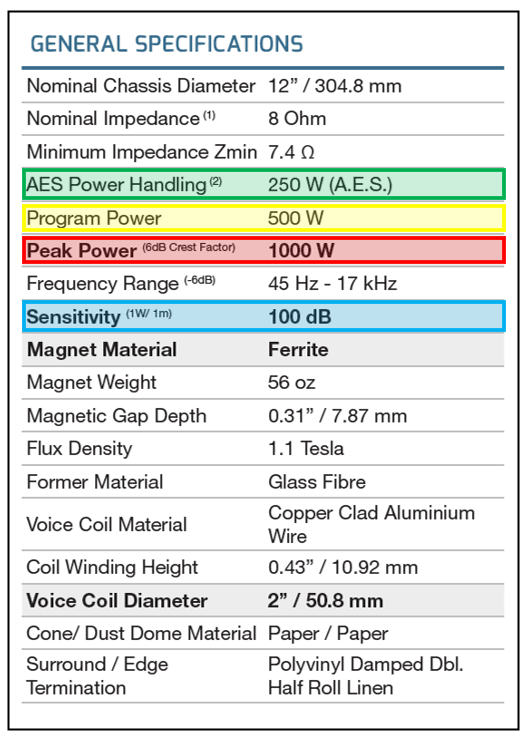
RMS, which stands for Root Mean Square, serves as the industry-standard measurement for continuous power handling and output. While marketing materials often prioritize “Peak” or “Maximum” power because the numbers look significantly higher, RMS is the true indicator of how a speaker will perform under real-world, sustained conditions. Understanding this distinction is not merely an academic exercise; it is essential for protecting your equipment from damage and ensuring you achieve the high-quality sound you are paying for.
Defining Root Mean Square in Audio Engineering
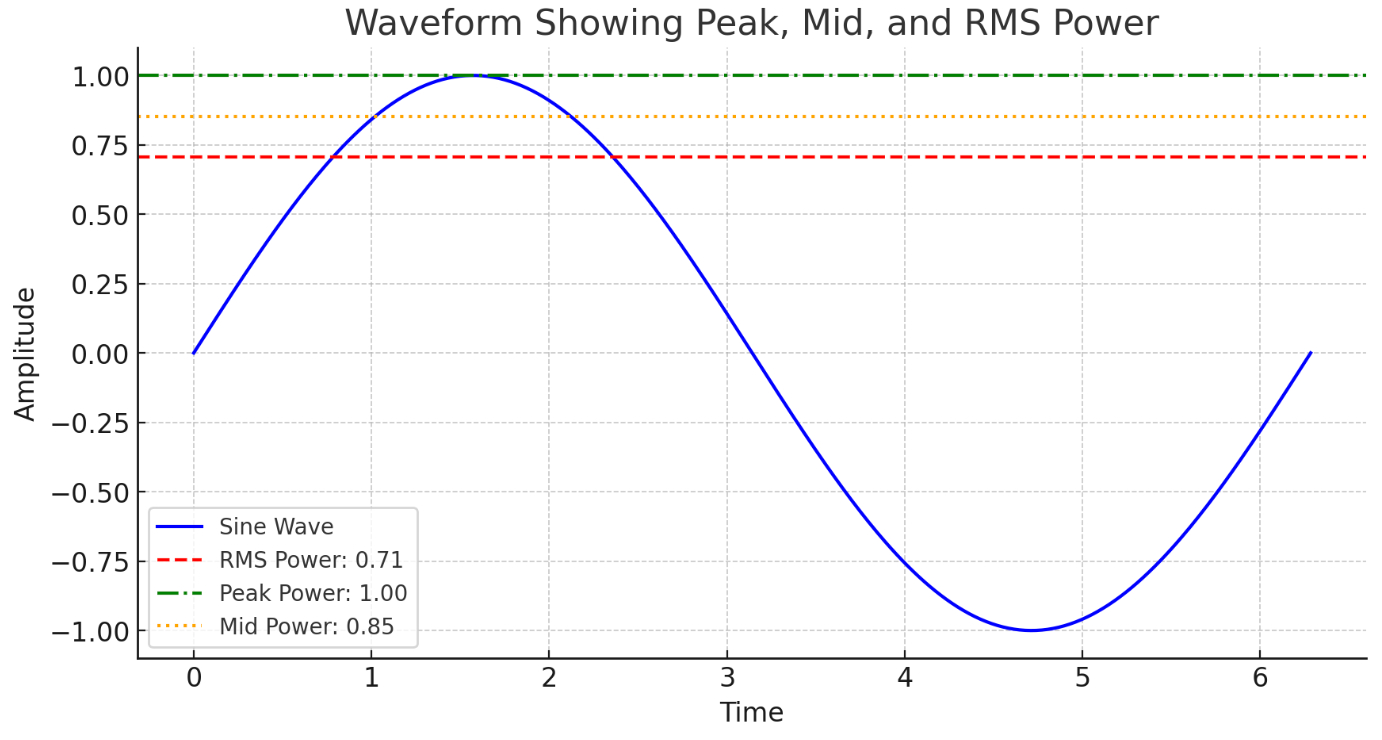
At its core, RMS is a mathematical calculation used to determine the average power output of an amplifier or the power handling capability of a speaker driver over a continuous period. To understand why we use this specific metric, one must look at the nature of an audio signal.
The Nature of Audio Signals
Audio signals are alternating currents (AC). Unlike a direct current (DC) power source—like a battery—which provides a steady, flat voltage, an audio signal oscillates rapidly between positive and negative voltages. These oscillations create the vibrations in the speaker cone that produce sound waves. Because the signal is constantly rising and falling, you cannot simply measure it as a single static number.
Why “Root Mean Square” is Necessary
If you were to simply average the voltage of an AC signal, the result would be zero, because the positive and negative cycles would cancel each other out. To get a useful measurement, engineers square the voltage values (making all numbers positive), find the mean (average) of those squared values, and then take the square root of that mean to bring the units back into alignment with the original voltage scale. This calculation provides a precise, reliable “effective” power value that represents the continuous energy being delivered to the speaker.
In practical terms, if an amplifier is rated at 50 watts RMS, it means it can reliably deliver 50 watts of power to your speakers consistently, hour after hour, without overheating, clipping the signal, or damaging the voice coils. It is the gold standard for honest technical performance.
The Misleading Allure of Peak Power
If RMS is the most accurate measurement, why do manufacturers frequently plaster “1000W Peak” on the boxes of budget-friendly sound systems? The answer lies in the psychological power of marketing and the lack of strict standardization in how “Peak” power is defined.
Defining Peak Power
Peak power, or Maximum Power Output, refers to the absolute maximum amount of energy a speaker or amplifier can handle for a tiny fraction of a second—usually a microsecond burst—before the signal distorts or the internal components are physically compromised. It does not represent a usable volume or a sustainable level of performance.
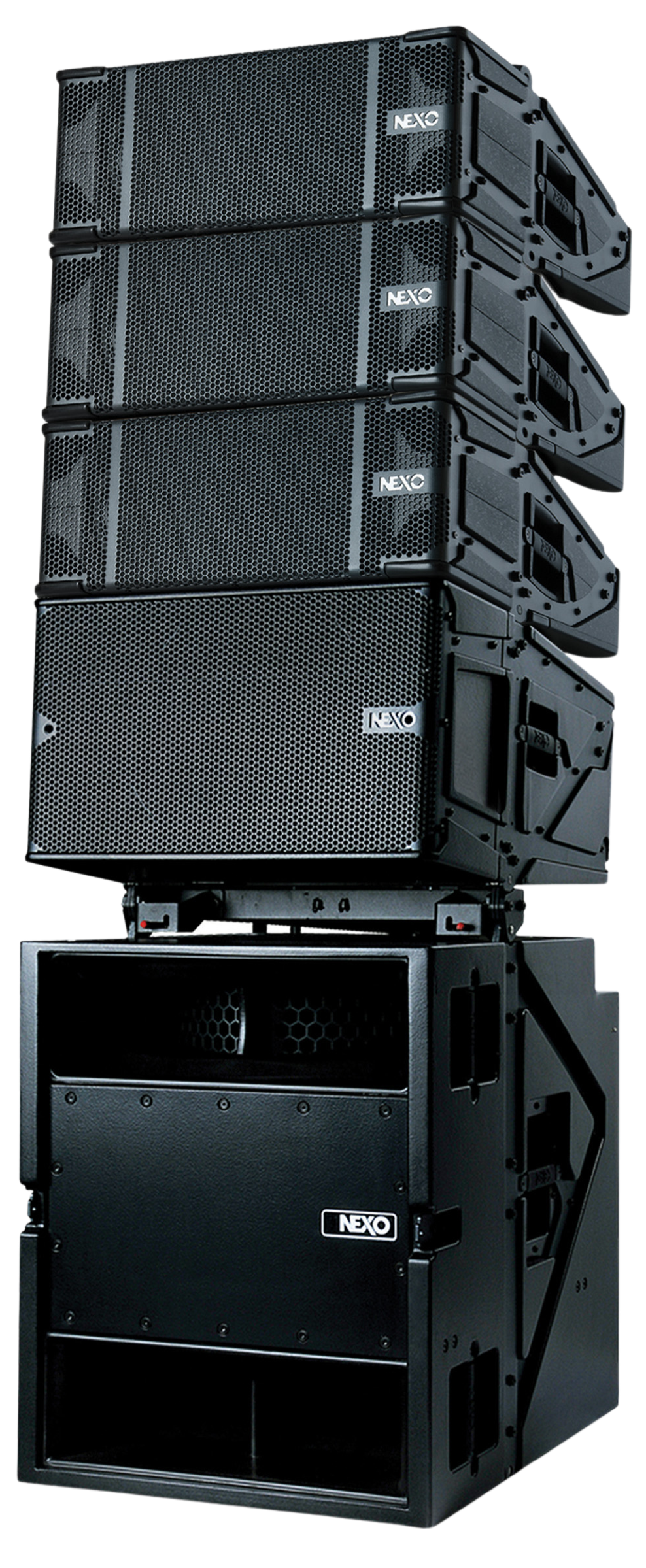
The Problem with Comparison
Imagine you are driving a car. RMS power is your highway cruising speed—the speed you can maintain for hours to get from one city to another safely. Peak power is the speed the car might hit if you pushed it off a cliff and let gravity accelerate it for a split second before it hits the ground. Comparing speakers using Peak power is misleading because it ignores the reality of thermal management. A speaker with a high Peak rating but a low RMS rating will almost certainly sound distorted or fail prematurely when played at high volumes, as the voice coils will quickly exceed their thermal capacity.
When reviewing technical specifications, always look for the RMS rating first. If a manufacturer prominently displays Peak power but hides the RMS rating in the fine print, it is usually a red flag indicating that the internal amplification is insufficient for high-fidelity playback.
Matching Amplifiers to Speakers: The Importance of Headroom
Understanding RMS is vital for the crucial process of “system matching.” If you have purchased a high-quality pair of passive speakers, you need an amplifier that can properly drive them. The goal is to provide enough power so the speakers can reach their full potential without the amplifier having to “clip.”
What is Clipping?
Clipping is a common cause of speaker damage. It occurs when you demand more power from an amplifier than it can actually deliver. When an amplifier runs out of “juice,” it flattens the tops and bottoms of the audio waveform. This creates a square-wave signal that sends an excessive amount of heat directly to the delicate voice coils of your speakers. Contrary to popular belief, it is more often an underpowered, clipping amplifier that blows a speaker—not an overpowered one.
The Concept of Headroom
This is where the concept of “headroom” becomes important. Ideally, your amplifier’s RMS output should be equal to or slightly higher than the speaker’s RMS power handling capacity. This allows the amplifier to handle the dynamic peaks of your music—like the sudden crash of a drum kit or the explosion in a film—without struggling. By having more RMS power available than you typically use, the system remains clean, punchy, and distortion-free.
For instance, if your speakers are rated for 100 watts RMS, a 120-watt RMS amplifier is an excellent pairing. It provides the “headroom” necessary to reproduce loud, complex passages without distortion, ensuring that your audio remains crisp and your speakers remain safe.
Interpreting Specifications for Longevity
When you are reading a spec sheet, look specifically for terms like “Continuous Power,” “Rated Power,” or “RMS Power.” These are the only figures that tell you how the product will perform during actual use.
The Role of Impedance
You cannot talk about RMS without mentioning impedance, measured in Ohms (Ω). RMS power output is always dependent on the resistance of the speaker. A common spec sheet might read: “50W RMS at 8 Ohms, 80W RMS at 4 Ohms.” This is because a lower impedance allows more current to flow from the amplifier. Always ensure your amplifier is rated to handle the impedance (Ohms) of your specific speakers. Matching these correctly is the final step in ensuring your system lasts for years.
Real-World Application
For the average listener, the lesson is clear: Ignore the big, flashy numbers on the front of the packaging. Dig into the manual or the manufacturer’s website to find the RMS rating. If you are building a professional studio or a high-end home theater, these numbers are your roadmap to a balanced, safe, and powerful audio environment.
By focusing on RMS, you shift your priorities from marketing hype to engineering reality. You ensure that your amplifier is providing a stable, constant supply of energy, which in turn allows your speakers to move with precision and clarity. Ultimately, audio is about the quality of the signal, and in the world of speakers, RMS is the most honest indicator of that quality. When you understand the technical backbone of your gear, you stop being a consumer who is easily swayed by big numbers and start being an audiophile who knows exactly what they are hearing.
aViewFromTheCave is a participant in the Amazon Services LLC Associates Program, an affiliate advertising program designed to provide a means for sites to earn advertising fees by advertising and linking to Amazon.com. Amazon, the Amazon logo, AmazonSupply, and the AmazonSupply logo are trademarks of Amazon.com, Inc. or its affiliates. As an Amazon Associate we earn affiliate commissions from qualifying purchases.