
Understanding the true market value of your car is a fundamental cornerstone of responsible personal finance. Whether you’re considering selling, trading in, refinancing, or simply assessing your assets, the figure associated with your vehicle’s worth holds significant weight. In the automotive world, no name resonates with more authority and trust in vehicle valuation than Kelley Blue Book (KBB). For decades, KBB has served as the definitive guide, evolving from a printed price sheet to a sophisticated online platform, empowering consumers and industry professionals alike with reliable, data-driven insights. Delving into “what is the Kelley Blue Book value of my car” is more than just getting a number; it’s about unlocking a crucial piece of your financial puzzle, enabling informed decisions that impact your wealth and future.

Understanding Your Car’s Value: More Than Just a Number
The perceived value of your car can vary wildly depending on who you ask and for what purpose. However, a standardized, respected valuation tool like Kelley Blue Book provides an objective benchmark, transforming guesswork into actionable financial intelligence.
Why Knowing Your Car’s Value Matters
Having a clear understanding of your car’s market value impacts numerous financial touchpoints throughout your ownership journey:
- Selling Your Car Privately or to a Dealership: This is perhaps the most obvious application. Knowing your car’s KBB value arms you with crucial data to set a competitive asking price for a private sale or to negotiate effectively with a dealership, ensuring you don’t leave money on the table.
- Trade-In Negotiations: When purchasing a new vehicle, your trade-in is a significant part of the transaction. A well-researched KBB trade-in value allows you to benchmark dealer offers and push for a fair deal, directly impacting the final price of your new car.
- Insurance Coverage and Claims: Your car’s actual cash value (ACV) plays a critical role in determining appropriate insurance coverage limits and payouts in the event of a total loss. KBB values can help you ensure you’re adequately insured without overpaying for unnecessary coverage.
- Financial Planning and Asset Assessment: For comprehensive financial planning, understanding the value of all your significant assets, including your car, is essential. It contributes to your overall net worth calculation, influencing investment strategies and debt management.
- Refinancing or Leasing Decisions: If you’re considering refinancing your auto loan, your car’s current market value will be a key factor for lenders. Similarly, understanding future depreciation (which KBB helps project) can inform decisions about leasing versus buying.
Introduction to Kelley Blue Book (KBB)
Kelley Blue Book’s journey began in 1926, initially providing wholesale and retail values for used cars on a printed sheet. Over the decades, it has solidified its position as America’s most trusted resource for vehicle valuation.
- A Trusted Authority in Vehicle Valuation: KBB’s authority stems from its long history, comprehensive data collection, and transparent methodology. It’s not just a random estimate; it’s a meticulously calculated figure based on vast amounts of market information.
- How KBB Has Evolved: The digital age transformed KBB. Its website, KBB.com, launched in 1995, brought its wealth of data directly to consumers, making vehicle valuation accessible with a few clicks. Today, it leverages sophisticated algorithms and real-time market data to provide highly accurate estimates.
- Its Role in the Automotive Market: KBB serves as a standard reference point for individuals, dealerships, lenders, and insurance companies. It helps standardize transactions, reduce information asymmetry, and foster greater transparency in the buying and selling of vehicles.
Deconstructing the Kelley Blue Book Valuation Process
The KBB value isn’t pulled from thin air; it’s the result of a complex interplay of numerous data points and market dynamics. Understanding these factors provides deeper insight into your car’s specific valuation.
Key Factors KBB Considers
When you enter your car’s details on KBB.com, you’re feeding its algorithm the critical information it needs to generate an accurate estimate:
- Year, Make, Model, and Trim Level: These are the foundational elements. Newer cars generally hold more value, and certain makes, models, and trim levels are inherently more desirable and thus command higher prices.
- Mileage: The Major Depreciation Driver: Mileage is arguably the single most influential factor in a car’s depreciation. Higher mileage indicates more wear and tear, directly reducing value. KBB models typical annual mileage to benchmark expectations.
- Condition: Interior, Exterior, Mechanical: KBB asks you to assess your car’s condition (Fair, Good, Very Good, Excellent). This subjective assessment profoundly impacts the final value, reflecting everything from minor dents and scratches to interior wear and mechanical issues. Be honest, but understand what each category truly means for an accurate estimate.
- Optional Features and Packages: Premium sound systems, sunroofs, advanced driver-assistance systems (ADAS), navigation, leather seats, and specific wheel packages can add significant value, particularly in newer vehicles.
- Vehicle History Report: Information from services like CARFAX or AutoCheck about accidents, prior owners, service records, and title issues (e.g., salvage title) is heavily weighted. A clean history report almost always commands a higher value.
- Location: Regional Market Demand and Economic Factors: Car values can vary significantly by geographic region due to local demand, climate (e.g., 4WD vehicles might be pricier in snowy regions), local economic conditions, and even fuel prices. KBB accounts for this by leveraging zip code-specific data.
Different KBB Values Explained
KBB provides several distinct value types, each relevant to a different type of transaction:
- Trade-In Value (Fair, Good, Excellent): This is the amount you can expect to receive when trading your car in at a dealership. It’s typically the lowest value because the dealership needs to profit from reselling the vehicle after reconditioning it.
- Private Party Value (Fair, Good, Excellent): This is the price you can expect to get when selling your car directly to another individual. It’s generally higher than the trade-in value, as there’s no dealer markup, but it requires more effort from the seller.
- Retail Value (Dealership Listing Price): This represents the price a dealership would likely ask for your car if they were selling it on their lot. This is the highest value as it includes the dealer’s overhead, reconditioning costs, and profit margin.
- Instant Cash Offer (ICO): Introduced as a quick selling solution, the ICO provides an immediate cash offer from a participating dealership, valid for a few days. While convenient, it typically falls between the trade-in and private party value.
The Algorithm Behind the Valuation
At its core, KBB’s valuation is driven by a sophisticated proprietary algorithm constantly analyzing vast datasets:
- Data Sources: KBB aggregates data from millions of sources, including actual dealer transactions, wholesale auction prices, private party sales, retail listings, economic indicators, and automotive industry trends.
- Market Adjustments and Supply/Demand Dynamics: The algorithm doesn’t just look at past sales; it dynamically adjusts values based on current market supply and demand. If a particular model is suddenly in high demand in your area, its value will reflect that.
- Predictive Modeling for Future Value Trends: KBB also incorporates predictive analytics to anticipate future depreciation and market shifts, providing a forward-looking perspective on vehicle values.
Maximizing Your Car’s KBB Value
While some factors like year and mileage are immutable, there are proactive steps you can take to influence and maximize your car’s Kelley Blue Book value.
Pre-Sale Preparations that Pay Off
Investing a little time and effort before getting a KBB estimate or listing your car can significantly boost its appeal and value.
- Thorough Cleaning and Detailing: A clean car looks better, smells better, and suggests it has been well-maintained. A professional detail can cost a few hundred dollars but can add hundreds, if not thousands, to your asking price.
- Minor Repairs and Maintenance: Fix small issues like burnt-out headlights, minor dashboard warning lights (if easily remedied), and ensure all fluids are topped off. Evaluate the cost-benefit of larger repairs; generally, only fix things that severely impair safety or functionality, or are inexpensive to repair.
- Gathering Service Records and Documentation: A complete history of maintenance, repairs, and inspections proves diligent ownership and instills confidence in potential buyers, directly correlating to a higher value.
- Addressing Cosmetic Blemishes: Small dents, scratches, and curb rash on wheels can detract from value. Many can be affordably fixed by mobile technicians, often paying for themselves in increased resale value.
Strategic Timing for Selling
The automotive market isn’t static; timing can play a role in optimizing your sale price.

- Understanding Seasonal Demand: Convertibles and sports cars might fetch more in spring and summer, while SUVs and AWD vehicles could be more desirable in fall and winter in certain regions.
- Impact of New Model Releases: Selling your car just before the next model year of your vehicle is released can help you avoid the immediate depreciation hit that often accompanies the arrival of new models.
- Depreciation Curve Insights: Cars typically depreciate fastest in their first few years. Understanding this curve can help you decide the optimal time to sell before the value drops significantly.
Negotiation Strategies Using KBB Data
KBB data isn’t just for pricing; it’s a powerful negotiation tool.
- Using KBB for Dealer Trade-Ins: Walk into a dealership armed with your KBB trade-in value. If their initial offer is significantly lower, you have concrete data to back up your request for a higher price.
- Setting a Realistic Private Party Asking Price: KBB’s private party value helps you set a competitive yet profitable asking price, attracting serious buyers without overpricing your vehicle.
- Leveraging KBB’s Reputation in Discussions: Mentioning that your price is based on “Kelley Blue Book’s private party value for a car in excellent condition” lends credibility and helps justify your asking price.
Beyond KBB: Complementary Valuation Tools and Considerations
While Kelley Blue Book is undeniably a market leader, a holistic financial perspective often benefits from cross-referencing information and considering qualitative factors.
Exploring Other Valuation Resources
Smart financial decisions involve gathering multiple data points.
- Edmunds: Another highly respected automotive resource that offers its own unique valuation methodology, often providing slightly different estimates.
- NADAguides (J.D. Power): Historically favored by banks and financial institutions, NADAguides provides comprehensive valuation data often used for lending and insurance purposes.
- CARFAX Value: CARFAX, primarily known for vehicle history reports, also offers a valuation tool that integrates its historical data, providing a value estimate influenced by the car’s specific history.
- Local Market Research: Beyond online tools, checking local classifieds, dealership websites, and online marketplaces for similar vehicles for sale in your immediate area provides real-time market insights that can fine-tune your price expectations.
The Human Element in Valuation
Despite sophisticated algorithms, certain aspects of valuation remain subjective and require human judgment.
- Subjectivity of “Condition”: What one person considers “very good” another might deem merely “good.” Buyers and sellers often have differing interpretations, making an honest, objective assessment crucial.
- Negotiation Skill and Market Savvy: Ultimately, the final transaction price often comes down to negotiation. Your ability to communicate value, handle objections, and close a deal plays a significant role, even with solid KBB data.
- The “Right Buyer” Phenomenon: Sometimes, a particular buyer will be willing to pay a premium for a specific car or feature that perfectly matches their needs, pushing the price slightly above average market value.
When KBB Might Not Tell the Whole Story
While robust, KBB’s algorithms are designed for mass-market vehicles. Certain niches might require a more nuanced approach.
- Highly Customized or Rare Vehicles: Aftermarket modifications, unique paint jobs, or extremely rare collector’s editions may not be accurately reflected by standard KBB values. Specialty appraisers are often needed here.
- Vehicles with Extensive Damage History: While KBB accounts for reported accidents, the long-term impact on a car’s structural integrity or desirability might sometimes be underestimated or overvalued depending on the specifics and repair quality.
- Regional Niche Markets or Unique Features: In very localized markets, a particular feature (e.g., a specific off-road package in a mountainous region) might command a higher premium than KBB’s broader regional data suggests.
The Financial Implications of Your Car’s Value
Your car is often one of the most expensive assets you own, and its value has far-reaching implications for your personal financial health.
Depreciation as an Investment Factor
Cars, unlike many investments, are depreciating assets. Understanding this is key to long-term financial planning.
- Understanding the Cost of Ownership Beyond Purchase Price: The true cost of owning a car includes not just its purchase price, but also insurance, maintenance, fuel, and crucially, depreciation. Ignoring depreciation means overlooking a significant financial outflow.
- Strategies to Mitigate Depreciation: Choosing models known for strong resale value, maintaining your car diligently, and minimizing unnecessary mileage are strategies to slow down the depreciation curve.
How Car Value Impacts Your Net Worth
Your car’s value is a fluctuating component of your overall financial picture.
- Asset vs. Liability Perspective: While your car is an asset, if you have a loan on it, the outstanding loan balance is a liability. Your equity in the car (Value – Loan) contributes to your net worth.
- Debt-to-Asset Ratios and Financial Health: Your car’s value impacts key financial ratios. A high car loan relative to the car’s value (being underwater) can signal financial stress.
Making Informed Automotive Financial Decisions
Armed with KBB insights and a broader understanding of vehicle finance, you can make smarter choices.
- Buying vs. Leasing Considerations: KBB’s depreciation data is vital when comparing buying (where you own the depreciating asset) with leasing (where you essentially rent the asset and avoid long-term depreciation risks, but don’t build equity).
- When to Sell or Keep Your Car: As a car ages, maintenance costs often rise while its value continues to fall. KBB helps you determine the sweet spot where you can sell before maintenance costs outweigh the benefits of keeping the vehicle.
- Budgeting for Future Vehicle Purchases: Knowing how much your current car is worth, combined with an understanding of new car depreciation, helps you budget realistically for your next vehicle purchase.
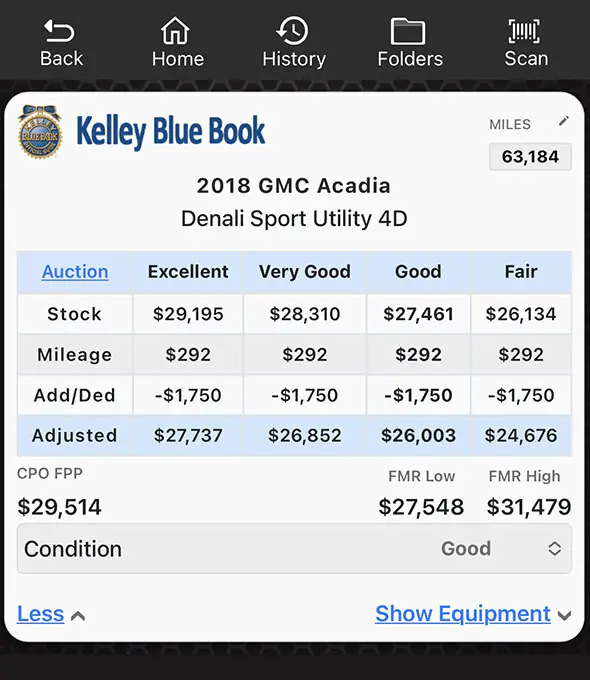
Empowering Your Automotive Financial Journey
In conclusion, asking “what is the Kelley Blue Book value of my car?” is an essential first step in responsible vehicle ownership and sound personal finance. KBB provides a powerful, data-driven tool that transforms uncertainty into clarity, allowing you to confidently navigate sales, purchases, and all the financial decisions related to your vehicle. By understanding the factors that influence its value, strategically preparing for transactions, and leveraging KBB’s insights alongside complementary resources, you empower yourself to make informed choices that protect and grow your financial well-being. Your car is more than just transportation; it’s a significant asset, and its value deserves your diligent attention.
aViewFromTheCave is a participant in the Amazon Services LLC Associates Program, an affiliate advertising program designed to provide a means for sites to earn advertising fees by advertising and linking to Amazon.com. Amazon, the Amazon logo, AmazonSupply, and the AmazonSupply logo are trademarks of Amazon.com, Inc. or its affiliates. As an Amazon Associate we earn affiliate commissions from qualifying purchases.