
Attending a musical play is more than just an evening of entertainment; it’s a social occasion, a cultural experience, and an opportunity for strategic personal branding. In an era where every interaction, both digital and physical, contributes to one’s perceived identity, the choice of attire for such an event is a powerful non-verbal communication tool. It reflects not only personal taste but also respect for the art form, the venue, and fellow attendees, all of which are critical facets of a sophisticated and well-managed personal brand.

The Stage of Personal Branding: Why Attire Matters
Every public appearance is an exhibition of one’s personal brand. Just as a corporate logo or marketing campaign speaks volumes about an organization, an individual’s clothing choices communicate aspects of their personality, professionalism, and self-awareness. A musical play, often set in an elegant theatre, provides a distinct stage where these non-verbal cues are magnified.
Communicating Intent and Respect
Choosing appropriate attire signals an understanding of social norms and a respect for the occasion. For a musical play, which traditionally holds a certain level of formality, dressing thoughtfully conveys deference to the performers who have dedicated countless hours to their craft, and to the theatre as a cultural institution. From a branding perspective, this communicates attentiveness to detail, cultural awareness, and a considerate disposition – traits highly valued in any personal or professional network. Conversely, an overly casual approach might suggest a lack of regard, potentially undermining the perception of one’s brand as polished or discerning. It’s about aligning one’s external presentation with the gravitas and artistry of the event, thereby reinforcing a brand image of respect and thoughtfulness.
Consistency with Your Persona
Personal branding thrives on consistency. The image projected should align with one’s core values, professional aspirations, and desired perception. While flexibility is key, an outfit for a musical play should ideally be an extension of one’s established personal brand, rather than a radical departure. If your brand leans towards classic elegance, your theatre attire should echo this. If it embodies modern sophistication, let that be reflected in contemporary yet refined choices. The goal is to reinforce your authentic self while adapting to the specific context. This consistency builds trust and recognition, making your personal brand more memorable and impactful. Each outfit, therefore, becomes a mini-campaign, reinforcing the overarching narrative of who you are.
Decoding the Dress Code: Strategic Choices for Theatrical Events
The “dress code” for a musical play is rarely explicit in the digital age, yet an unspoken understanding persists. Navigating this requires strategic thinking, much like understanding a target audience for a marketing campaign. It’s about making informed choices that resonate with the environment without sacrificing individual brand identity.
Understanding Venue and Production Nuances
The type of theatre and the nature of the production itself can offer subtle clues for strategic attire selection. A grand, historic opera house hosting a classic Broadway revival might warrant more formal attire (e.g., cocktail dress, dark suit) than a contemporary theatre showcasing an experimental new work (where smart casual might be perfectly acceptable). Researching the venue and the specific production can inform these decisions. For instance, attending a daytime matinee generally allows for slightly less formality than an evening performance. From a branding perspective, this adaptability demonstrates an individual’s capacity for situational awareness and intelligent decision-making, crucial attributes for any professional or influential persona. It shows an understanding of subtle cues and the ability to tailor one’s approach effectively, much like a brand tailoring its message for different market segments.
Balancing Comfort and Sophistication
While presentation is paramount, genuine comfort contributes significantly to confidence and ease, which are vital components of a compelling personal brand. An individual fidgeting with ill-fitting clothes or struggling with uncomfortable shoes projects an image of distraction and discomfort, detracting from their overall presence. The strategic choice, therefore, lies in finding garments that are both elegant and practical. Fabrics that breathe, cuts that allow for movement, and shoes that are both stylish and wearable for an extended period are key considerations. The brand message here is one of effortless grace and self-assurance – an individual who is polished but not rigid, who prioritizes both appearance and well-being. This balance demonstrates practicality coupled with an appreciation for aesthetics, creating a well-rounded and appealing brand image.
Elements of a Polished Presence: Designing Your Ensemble
Designing an outfit for a musical play is akin to designing a marketing collateral – every element must work harmoniously to convey a specific message. Focus should be on quality, fit, and deliberate choices that enhance the overall brand narrative.
Fabric, Fit, and Finish: The Pillars of Quality

The bedrock of a sophisticated personal brand lies in the quality of one’s garments. This doesn’t necessarily mean expensive, but rather well-made items with attention to detail.
- Fabric: Choose materials that drape well, resist excessive wrinkling, and convey a sense of luxury or refinement. Wool blends, silk, high-quality cottons, or refined synthetics are generally preferred over overly casual materials like denim or jersey for a theatre setting. The texture and sheen of a fabric can subtly elevate an outfit, signaling a discerning taste level.
- Fit: A garment that fits well is transformative. Tailoring can make even an inexpensive piece look custom-made, enhancing perceived quality and attention to detail. Clothes that are too tight, too loose, or improperly hemmed detract significantly from a polished appearance. A precise fit communicates professionalism, self-care, and an understanding of proportions – all strong brand attributes.
- Finish: Pay attention to details like well-pressed seams, intact buttons, and clean, unfrayed edges. These small finishes speak volumes about a person’s meticulousness and commitment to presenting their best self. A wrinkled shirt or scuffed shoes can undermine an otherwise well-chosen outfit, creating a negative impression that impacts brand perception.
Accessories as Brand Amplifiers
Accessories are not mere afterthoughts; they are powerful brand amplifiers. Much like a compelling tagline or a distinctive color palette in corporate branding, carefully selected accessories can refine and elevate an ensemble, adding personality and sophistication.
- Jewelry: Opt for elegant, understated pieces that complement rather than overpower. A classic watch, a delicate necklace, or tasteful cufflinks can add a touch of refinement.
- Bags: A small clutch, an elegant shoulder bag, or a slim briefcase in a quality material is appropriate. Avoid oversized, utilitarian bags that might clash with the sophisticated environment.
- Shoes: Clean, polished, and comfortable dress shoes for men, and elegant heels, flats, or dressy boots for women, complete the look. The condition of one’s shoes is often a subtle indicator of personal grooming and attention to detail.
- Scarves, Ties, Pocket Squares: These can introduce color, texture, and a personal touch, allowing for creative expression within a formal framework.
Each accessory choice contributes to the overall narrative, subtly communicating aspects of style, values, and attention to detail. They allow for individual expression while maintaining an appropriate level of formality, ensuring the brand message is both unique and fitting.
Color Psychology and Impression Management
Colors evoke emotions and convey messages. Strategic use of color in your theatre attire can significantly impact the impression you make.
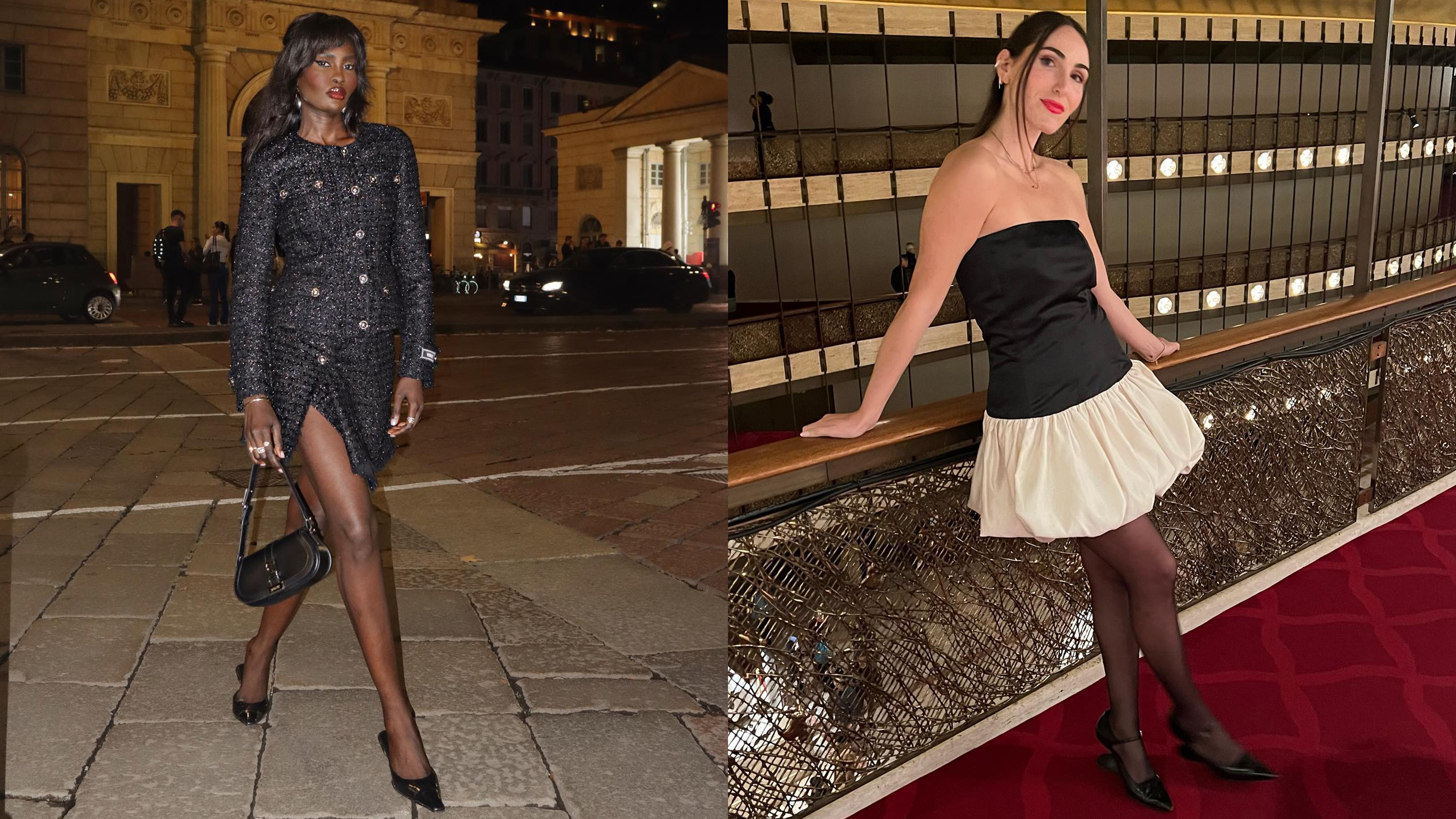
- Darker Tones: Black, navy, charcoal, and deep jewel tones (emerald, burgundy, sapphire) are classic choices for evening events. They convey sophistication, formality, and often a sense of authority or elegance. These colors are inherently impactful and tend to be universally flattering, contributing to a strong, confident brand image.
- Neutral Palettes: Beiges, greys, and muted tones can create a sophisticated and understated look, suggesting quiet confidence and refined taste. These colors also allow for greater versatility with accessories.
- Accent Colors: A pop of color through an accessory can add vibrancy and personality without being overwhelming. This demonstrates an ability to balance classic elegance with modern flair, creating a dynamic and memorable personal brand. Understanding how colors interact and what messages they send is a key component of effective impression management, both in personal branding and broader marketing efforts.
Building a Versatile Theatre Wardrobe: A Long-Term Brand Investment
For those who frequently attend cultural events, curating a specific “theatre wardrobe” is a strategic investment in one’s personal brand. It ensures readiness for various occasions and reinforces a consistent image of cultural engagement and sophistication.
Core Pieces for Diverse Occasions
Investing in a few versatile, high-quality core pieces forms the foundation of this wardrobe.
- For Men: A well-tailored dark suit (navy or charcoal) is indispensable. It can be dressed up with a formal shirt and tie or dressed down slightly with an open-collar shirt or a sophisticated knit. A good blazer or sport coat paired with tailored trousers offers another flexible option.
- For Women: A classic little black dress (or dark-colored equivalent), a sophisticated jumpsuit, or tailored separates (skirt or trousers with a dressy blouse) provide excellent versatility. These pieces can be re-styled with different accessories to suit varying levels of formality.
These core garments, chosen for their timeless design and quality construction, serve as reliable brand assets, ensuring a polished appearance without constant reinvestment.
Adapting Trends Without Compromising Core Identity
While personal branding emphasizes consistency, it also benefits from relevance. Staying current with fashion trends, without succumbing to fads, demonstrates an awareness of the contemporary landscape. The key is to integrate trends subtly, ensuring they enhance rather than redefine your core brand identity. Perhaps it’s a trendy color incorporated into an accessory, or a modern silhouette in a classic fabric. This approach shows dynamism and an ability to evolve, while maintaining the integrity of one’s established personal brand. It reflects a brand that is both current and enduring.
The Final Act: Confidence as Your Ultimate Accessory
Ultimately, the most impactful element of any personal brand is confidence. No matter how impeccably chosen or tailored an outfit, if the wearer lacks self-assurance, the message is diminished. Confidence stems from feeling comfortable, appropriate, and genuinely yourself in your chosen attire.
Authenticity in Presentation
While strategic, dressing for a musical play should never feel like a costume. The choices should resonate with your authentic self, ensuring that the confidence you project is genuine. An outfit that aligns with your personal style, even within the bounds of appropriate formality, will always be worn with greater poise. This authenticity is a powerful brand differentiator, demonstrating integrity and self-awareness. When your attire is a true extension of your personal brand, you don’t just wear the clothes; you embody the sophisticated, respectful, and culturally aware individual you aspire to be. This is the ultimate triumph of personal branding through presentation.
aViewFromTheCave is a participant in the Amazon Services LLC Associates Program, an affiliate advertising program designed to provide a means for sites to earn advertising fees by advertising and linking to Amazon.com. Amazon, the Amazon logo, AmazonSupply, and the AmazonSupply logo are trademarks of Amazon.com, Inc. or its affiliates. As an Amazon Associate we earn affiliate commissions from qualifying purchases.