
In the complex tapestry of the aviation industry, a company’s operational base is far more than a mere physical address; it is a foundational element that profoundly shapes its corporate identity, strategic direction, and overall brand narrative. For an airline like Frontier Airlines, understanding “where it’s based” offers invaluable insights into its brand strategy, market positioning, and the very essence of its operational philosophy. While many might assume the answer is a simple geographical point, delving into Frontier’s headquarters reveals a strategic decision that underpins its entire brand promise and business model.
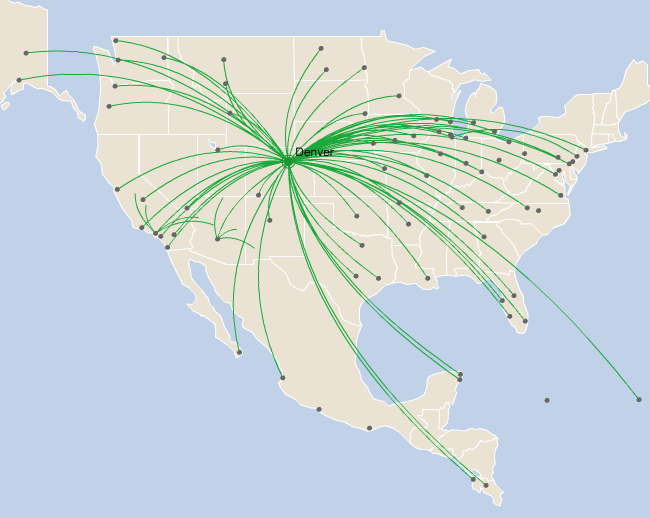
Frontier Airlines proudly calls Denver, Colorado, its primary base of operations and corporate headquarters. This strategic choice is not coincidental but rather a deliberate foundation upon which the airline has built its unique ultra-low-cost carrier (ULCC) brand. From its Rocky Mountain origins to its current national footprint, Denver remains the gravitational center influencing everything from its route network to its corporate culture, echoing through its marketing efforts and its engagement with both employees and passengers.
Denver International Airport: The Heart of Frontier’s Operations and Brand Genesis
Denver’s prominence as Frontier’s base isn’t just about geography; it’s about history, strategic advantage, and a deliberate cultivation of a distinct brand identity. The choice of Denver International Airport (DIA) as its central hub has been instrumental in carving out Frontier’s niche in the highly competitive North American aviation market.
A Legacy in the Rockies: Historical Ties and Foundational Identity
Frontier Airlines’ roots in Denver run deep, tracing back to its inception in 1994. The airline emerged from a legacy of aviation in the region, embodying a certain “Spirit of the West” that has, in various forms, remained a subtle yet enduring thread in its brand narrative. Being born and bred in Denver allowed Frontier to initially cater to a regional market, fostering a loyal customer base before its aggressive expansion. This historical tie to a specific geographic region provided a tangible sense of place and origin, a powerful anchor for its developing corporate identity. Unlike airlines that might shift headquarters frequently, Frontier’s consistent presence in Denver has lent a sense of stability and authenticity to its brand, implying a deep understanding of its core market and operational environment. This foundational identity, steeped in the unique character of the Rocky Mountain region, gave Frontier a distinctive starting point from which to project its brand outward.
Strategic Hub for Low-Cost Operations: A Brand Enabler
Denver International Airport serves as an exceptionally strategic location for an ultra-low-cost carrier like Frontier. Its central geographical position in the United States makes it an ideal nexus for connecting flights across the country, particularly between the East and West coasts, and to various leisure destinations. For a brand built on efficiency and affordability, this central positioning minimizes average flight distances across its network, potentially reducing fuel costs and optimizing aircraft utilization.
Furthermore, DIA’s infrastructure and capacity have allowed Frontier to grow its operations without significant constraints, a critical factor for an airline focused on rapid expansion and high-frequency service. The ability to manage a high volume of departures and arrivals efficiently from a single, well-resourced hub is paramount for maintaining the low operational costs that define Frontier’s brand promise. This strategic advantage translates directly into the airline’s ability to offer competitive fares, which is the cornerstone of its brand identity and value proposition to consumers. Without a strategically viable and scalable base, delivering on the ULCC promise would be significantly more challenging.
Impact on Network and Route Strategy: Shaping the Brand’s Reach
Frontier’s Denver base is not merely where its executives work; it’s the operational heart that dictates its network and route strategy, directly influencing its brand’s market reach and competitive stance. From Denver, Frontier has been able to establish a vast network that targets underserved markets and popular leisure destinations, often bypassing traditional airline hubs to offer direct, cost-effective alternatives. This strategy is a deliberate brand choice, positioning Frontier as the accessible option for travelers seeking value.
The Denver hub allows Frontier to feed its network efficiently, connecting passengers from various smaller and larger cities through a central point, optimizing load factors and ensuring that aircraft are rarely flying empty. This centralized approach to route planning, emanating from Denver, reinforces the brand’s commitment to efficiency and cost savings, which are then passed on to the customer. Moreover, having a strong base in a competitive airport like DIA allows Frontier to challenge established carriers on their home turf, asserting its brand presence and demonstrating its commitment to expanding affordable travel options across the nation. The success of this strategy, deeply tied to its Denver base, is a testament to the power of aligning operational choices with core brand objectives.
Beyond the Headquarters: Understanding Frontier’s Brand Footprint
While Denver is undeniably the nerve center of Frontier Airlines, the essence of its brand identity and operational reach extends far beyond the confines of its corporate offices. A truly effective brand understands that its footprint is multifaceted, encompassing various operational touchpoints and cultural allegiances.
Distributed Operational Centers: Enhancing Brand Delivery
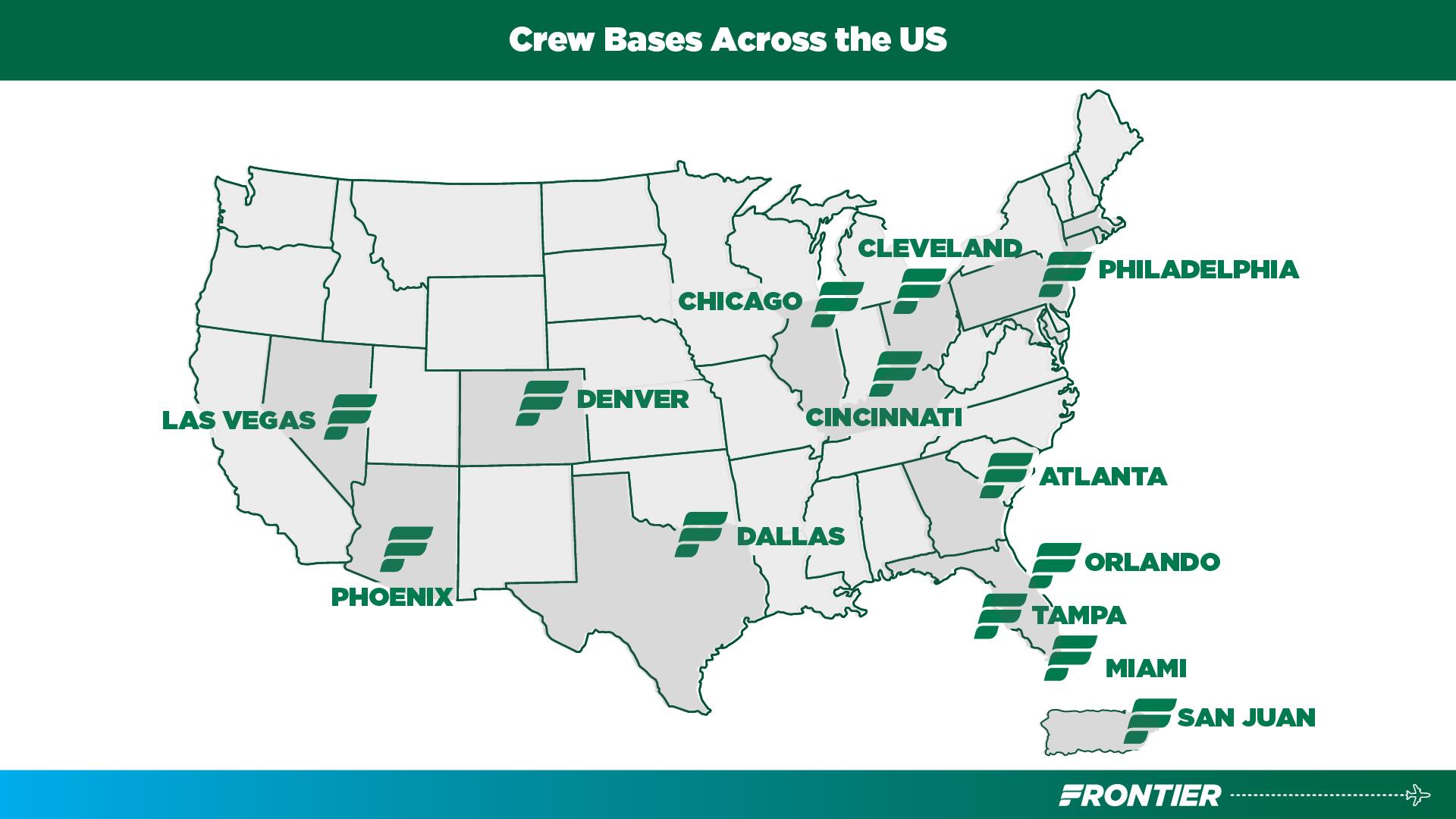
Even as Denver serves as the headquarters, Frontier’s operational footprint includes a network of distributed centers vital for the daily delivery of its brand promise. These include maintenance bases, crew bases, and administrative support offices located in other key cities. For instance, having maintenance facilities strategically located near major operational hubs ensures aircraft are serviced efficiently, minimizing downtime and maintaining schedule reliability – a crucial, albeit often unseen, aspect of brand trust.
Similarly, crew bases spread across the country allow Frontier to optimize crew scheduling, reduce commuting costs, and enhance employee quality of life, which in turn can positively influence morale and customer service delivery. Each of these satellite locations, while not the “headquarters,” plays a critical role in supporting the brand’s operational integrity and ensuring a consistent customer experience. They are extensions of the Frontier brand, each contributing to the seamless execution of its low-cost, high-efficiency model, reinforcing the brand’s ability to deliver its core value proposition consistently across its network.
Corporate Identity and Local Allegiance: Cultivating Brand Culture
Frontier’s deep roots in Denver have also fostered a strong sense of corporate identity and local allegiance. The airline actively engages with the local community, from sponsoring events to participating in local initiatives. This community involvement strengthens the brand’s local reputation, making it not just an airline but a valued corporate citizen. For employees, being based in a vibrant city like Denver can contribute to a strong workplace culture, attracting talent drawn to both the aviation industry and the Colorado lifestyle.
This local allegiance is often reflected in hiring practices, with a significant portion of its workforce having strong ties to the Denver metropolitan area. Such local embedding helps in creating a cohesive corporate culture, where employees share a sense of pride in their company’s origins and its impact on the local economy. This internal brand-building, while often less visible to the external customer, is crucial for fostering a dedicated workforce that embodies the company’s values and delivers the brand experience authentically. It ensures that the brand’s internal narrative aligns with its external messaging, creating a consistent and trustworthy identity.
The “Spirit of the West” in Brand Messaging: A Unique Selling Proposition
The “Spirit of the West” is more than just a tagline for Frontier; it’s an intrinsic part of its brand identity, subtly woven into its marketing, imagery, and overall brand narrative. From the iconic animal tails on its aircraft, many of which are native to the Rocky Mountain region, to its marketing campaigns that often feature picturesque landscapes, Frontier leverages its Denver origins to create a unique and memorable brand persona.
This visual and thematic branding differentiates Frontier from its competitors, offering a sense of adventure, accessibility to nature, and an approachable personality that resonates with its target demographic. Even as Frontier expands nationally, this original ethos provides a compelling backstory and a consistent visual language that ties back to its roots. It allows the brand to project an image that is both fun and reliable, connecting with passengers on an emotional level that transcends mere price points. This strategic use of its geographical heritage as a branding asset demonstrates how deeply a base location can influence a company’s public face and its unique selling proposition.
The Influence of Base Location on Brand Perception and Strategy
The choice of Denver as Frontier’s base is not merely an administrative detail; it’s a strategic decision that profoundly influences how the brand is perceived by customers, competitors, and potential employees, directly shaping its broader corporate strategy.
Operational Efficiency and Brand Promise: Delivering on Value
Frontier’s brand promise is inextricably linked to affordability and efficiency. Its Denver base facilitates this promise by providing an optimal operational environment. The capacity and efficiency of DIA, combined with Frontier’s streamlined operational model, allow the airline to maintain the low costs necessary to offer competitive fares. When a brand consistently delivers on its core promise – in this case, affordable air travel – it builds trust and loyalty among its target audience.
The operational efficiencies derived from its hub strategy in Denver directly contribute to the brand’s reputation as a value leader. This perception is critical in the ULCC segment, where price is often the primary driver of customer choice. Therefore, the strategic placement of its operational heart in Denver is not just about logistics; it’s about enabling the brand to live up to its identity and continually reinforce its value proposition to the market. This symbiotic relationship between operational strategy and brand delivery is a hallmark of successful corporate identity management.
Talent Acquisition and Brand Culture: Attracting the Right People
A company’s base location significantly impacts its ability to attract and retain talent, which in turn shapes its brand culture and, ultimately, the customer experience. Denver is a thriving metropolitan area with a diverse workforce, offering Frontier access to a broad pool of skilled professionals, from aviation mechanics and pilots to marketing strategists and customer service representatives. The appeal of living in Colorado, with its outdoor lifestyle and growing tech sector, is an attractive proposition for many, aiding in recruitment efforts.
The vibrant local culture also helps in cultivating a specific corporate culture at Frontier. Employees who are satisfied with their work-life balance and proud of their company’s local ties are more likely to be engaged and provide better service, which directly enhances the customer-facing brand experience. This internal alignment—where the company’s location supports its talent strategy, which in turn bolsters its brand culture—is a powerful driver of long-term brand equity and sustainable growth.
Navigating Competitive Landscapes from Denver: Strategic Positioning
Frontier’s Denver base is not just a home; it’s a battleground in the competitive airline industry. From this vantage point, Frontier directly competes with major legacy carriers like United Airlines, which also has a significant hub presence at DIA, as well as other low-cost carriers. Its strong presence in Denver allows Frontier to leverage local market knowledge and established operational infrastructure to carve out market share.
By solidifying its position in Denver, Frontier can strategically expand its network, either by adding routes to new markets or increasing frequency on existing popular routes. This ability to make strategic moves from a well-established base demonstrates the brand’s agility and determination to challenge the status quo, reinforcing its image as an aggressive yet accessible alternative for travelers. Its Denver base provides the stability and operational muscle needed to execute these competitive strategies effectively, ensuring the brand remains a formidable player in the North American aviation landscape.
Evolving Brand Identity: Adapting While Rooted in Denver
As Frontier Airlines continues to grow and adapt to the ever-changing aviation landscape, its brand identity must evolve. However, its foundational roots in Denver remain a constant, providing a stable platform from which to innovate and expand.
Growth and Expansion: Maintaining Core Identity
Frontier’s aggressive growth strategy has seen it expand its network considerably beyond its initial regional focus, establishing focus cities and increasing market share across the country. As it expands, a critical brand challenge is to maintain its core identity and brand promise of affordable, accessible travel while adapting to diverse regional markets. Its Denver base acts as a central repository of its corporate culture and strategic vision, ensuring that new operations and markets align with the established brand values.
The “Spirit of the West” and the efficiency model perfected in Denver are exported to new operational centers, ensuring a consistent customer experience and a unified brand message. This strategic approach to growth allows Frontier to scale without diluting its identity, proving that a strong base can be a springboard for national expansion rather than a geographical limitation. It showcases the resilience of a brand built on clear principles, capable of extending its reach while staying true to its origins.
Brand Resilience and Market Adaptation: Stability in Turbulence
The airline industry is notoriously susceptible to economic downturns, fuel price fluctuations, and global events. In such an volatile environment, a stable and strategically located base like Denver provides Frontier with a degree of brand resilience. Its established infrastructure, experienced workforce, and strong local ties offer a buffer against external shocks, allowing the airline to adapt its strategies and messaging effectively.
During times of crisis, a strong brand, supported by stable operations, can instill confidence in customers and investors alike. Frontier’s ability to pivot, adjust capacity, and re-evaluate routes from its Denver hub demonstrates an adaptive brand strategy rooted in operational stability. This adaptability ensures that the brand remains relevant and continues to deliver value, even when faced with significant market challenges, reinforcing its image as a dependable, if budget-conscious, travel option.

The Future of the Frontier Brand and its Home: Enduring Significance
Looking ahead, Denver will undoubtedly continue to be integral to Frontier’s brand identity. As the airline explores new technologies, sustainable practices, and evolving customer demands, its Denver base will likely remain the epicenter for strategic decision-making and innovation. Whether it’s testing new operational procedures or refining its customer experience, the lessons learned and strategies developed from its headquarters will continue to shape the Frontier brand.
The relationship between Frontier Airlines and Denver is symbiotic. As the airline grows, it further establishes Denver’s reputation as a key aviation hub. Conversely, Denver’s continued growth and appeal ensure a robust operational environment for Frontier. This enduring connection underscores that “where a brand is based” is not just a point on a map, but a dynamic and evolving relationship that profoundly influences its character, strategy, and trajectory into the future.
In conclusion, “where is Frontier Airlines based?” is a question that yields far more than a simple geographical answer. Its home in Denver, Colorado, is a cornerstone of its corporate identity, a strategic enabler of its ultra-low-cost model, and a significant contributor to its distinctive brand narrative. This foundational choice has shaped everything from its operational efficiencies and network strategy to its corporate culture and market perception, proving that for an airline, its base is truly the heart of its brand.
aViewFromTheCave is a participant in the Amazon Services LLC Associates Program, an affiliate advertising program designed to provide a means for sites to earn advertising fees by advertising and linking to Amazon.com. Amazon, the Amazon logo, AmazonSupply, and the AmazonSupply logo are trademarks of Amazon.com, Inc. or its affiliates. As an Amazon Associate we earn affiliate commissions from qualifying purchases.