
In the vast and often turbulent ocean of financial markets, certain beacons stand out, guiding investors, signaling trends, and capturing the collective imagination. Among these, the Dow Jones Industrial Average (DJIA), or simply “the Dow,” holds a unique and enduring place. More than just a numerical index, the Dow is a storied institution, a daily headline, and for many, a shorthand for the health of the American economy itself. But why does this particular index, comprising a mere 30 stocks, command such disproportionate attention? The answer lies in its deep historical roots, its symbolic power, its continued relevance as a benchmark for blue-chip performance, and the psychological impact it wields over market sentiment. Understanding “Why Dow” is to understand a significant piece of financial history and its ongoing influence on investment strategies and economic perception.
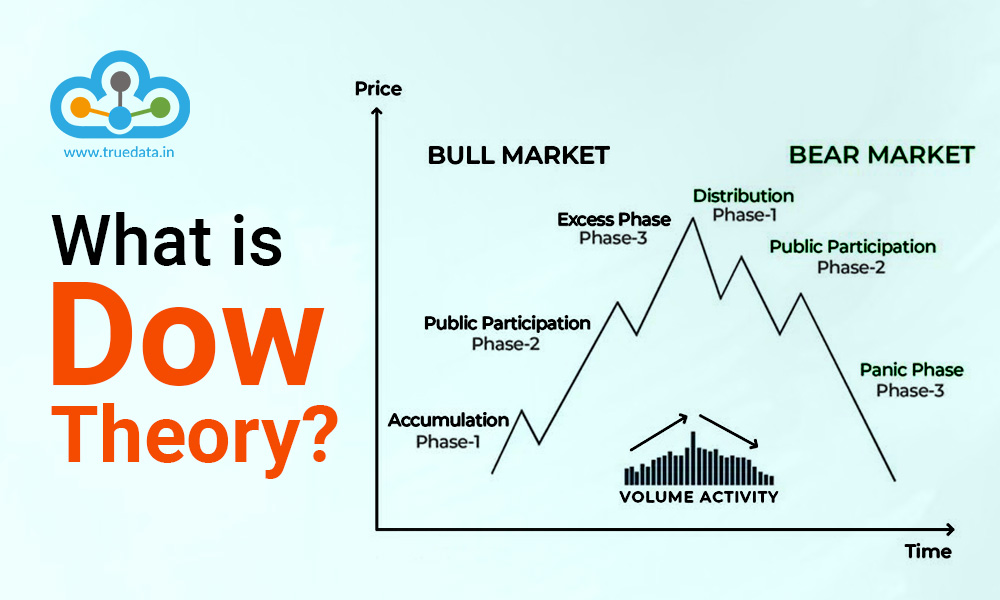
The Enduring Significance of the Dow Jones Industrial Average
Since its inception over a century ago, the Dow has evolved from a simple measure of industrial might into a widely recognized barometer of the broader market. Its enduring significance is not merely statistical; it is deeply embedded in the narrative of American capitalism.
A Historical Bellwether: Tracing its Origins
Launched by Charles Dow and Edward Jones in 1896, the Dow Jones Industrial Average began with just 12 companies, predominantly railroads and industrial manufacturers, reflecting the economic backbone of late 19th-century America. Its initial purpose was straightforward: to provide a clear, concise snapshot of the market’s performance. In an era before sophisticated data analytics and instant communication, the Dow offered a digestible summary that proved invaluable. Over the decades, it expanded to 30 companies and its composition shifted dramatically, shedding names like General Electric and Sears Roebuck in favor of tech giants and healthcare conglomerates. This continuous adaptation, while sometimes criticized, has allowed the Dow to maintain a semblance of relevance, reflecting the changing nature of the dominant industries that drive the U.S. economy. Its long lineage means that its movements can be tracked across recessions, booms, wars, and technological revolutions, offering a unique historical perspective that few other indices can match.
Simplicity in a Complex World: Why Its 30-Stock Composition Still Resonates
In an age where thousands of companies trade on exchanges, and indices track everything from small-cap growth to global emerging markets, the Dow’s simplicity remains one of its most compelling attributes. Its limited roster of 30 “blue-chip” companies – typically large, well-established, and financially sound corporations – makes it easy to understand and follow. These are often household names, companies whose products and services are intimately familiar to the average person. This accessibility provides a psychological anchor; when the Dow is up, it feels like the economy is doing well, and vice versa. For many casual observers and even seasoned investors, the Dow serves as a quick and dirty pulse check of market sentiment without requiring deep dives into complex sector analysis or myriad data points. While professional investors typically rely on broader indices for portfolio management, the Dow’s simple elegance ensures its continued prominence in daily financial news and public discourse.
Beyond Just a Number: Understanding its Psychological Impact on Markets and Investors
The Dow’s prominence extends beyond its statistical representation; it has a profound psychological impact. Major milestones, like crossing 10,000 or 30,000 points, become national news, often celebrated as symbols of prosperity and progress. Conversely, sharp declines can trigger widespread anxiety and fear. This psychological weight means that the Dow can influence investor behavior, sometimes leading to self-fulfilling prophecies. Positive momentum in the Dow can encourage further buying, while sustained downturns can fuel selling pressure. For individual investors, watching the Dow often serves as a proxy for their own investment health, particularly if they hold broadly diversified portfolios that tend to track the overall market. Its visibility in popular media amplifies this effect, turning a numerical average into a powerful emotional barometer for economic confidence.
Deconstructing the Dow: What Drives Its Movements?
While the Dow’s simplicity is appealing, understanding its specific mechanics and the forces that propel it is crucial for anyone looking beyond the headlines. Its movements are not simply random but are influenced by a specific weighting methodology, the performance of its constituent companies, and broader macroeconomic factors.
The Price-Weighted Conundrum: How Individual Stock Prices Dictate Its Swings
Unlike market-capitalization-weighted indices (like the S&P 500) where larger companies have a greater impact due to their total value, the Dow is a price-weighted index. This means that stocks with higher share prices have a proportionally greater influence on the index’s value, regardless of their company’s overall market capitalization. For instance, a $1 move in a stock trading at $300 will have a much larger impact on the Dow than a $1 move in a stock trading at $50, even if the latter company is significantly larger by market cap. This idiosyncratic methodology is a legacy of its early days when calculations were simpler, but it can lead to situations where a single high-priced stock can disproportionately swing the entire index. Investors must be aware of this unique feature, as it means the Dow doesn’t always reflect the true proportional economic weight of its constituent companies.
Corporate Giants and Economic Health: The Link Between Component Company Performance and the Broader Economy
The 30 companies that comprise the Dow are, by definition, large and influential players in their respective sectors. Their collective performance often reflects the health of critical segments of the U.S. economy. When these corporate giants report strong earnings, exhibit robust growth, or make strategic expansions, it tends to signal a positive economic environment, pushing the Dow higher. Conversely, weaker-than-expected earnings, guidance cuts, or industry-specific headwinds for these components can drag the index down, signaling potential economic fragility. While the Dow’s composition is not perfectly representative of the entire economy, the sheer scale and reach of its companies mean their successes and struggles have a cascading effect, influencing supply chains, employment, and consumer spending, thereby providing a credible, albeit narrow, indicator of broader economic trends.
Macroeconomic Forces at Play: Interest Rates, Inflation, and Global Events Shaping the Dow
Beyond individual company performance, the Dow is highly sensitive to broader macroeconomic forces. Interest rate decisions by the Federal Reserve, for example, directly impact borrowing costs for businesses and consumers, influencing corporate profitability and investor sentiment. Higher rates can increase the cost of capital and reduce future earnings expectations, often leading to market pullbacks. Inflation, too, plays a crucial role; persistent inflation can erode purchasing power and corporate margins, while deflationary pressures can signal economic contraction. Global events – from geopolitical tensions and trade wars to pandemics and energy crises – can also send shockwaves through the market, impacting supply chains, consumer demand, and investor confidence across the world, inevitably rippling through the Dow’s components and the index itself. Understanding these large-scale economic drivers is essential for comprehending the Dow’s more significant, sustained movements.
The Dow as an Investment Compass

For both novice and experienced investors, the Dow serves multiple roles: a benchmark, a source of investment ideas, and a long-term indicator of market resilience. Its utility as an investment compass, however, requires a nuanced understanding of its strengths and limitations.
Benchmark for Blue Chips: How Investors Use it to Gauge Large-Cap Performance
Many investors use the Dow as a simple benchmark for the performance of large-cap U.S. stocks. While the S&P 500 is often considered a more comprehensive benchmark due to its broader coverage and market-cap weighting, the Dow provides a quick and easily understandable reference point. Active managers whose portfolios focus on large, established companies might benchmark their performance against the Dow to assess whether they are outperforming or underperforming a specific segment of the market. For passive investors, tracking the Dow offers insight into the general trend of the “old economy” or “established” sector of the market, helping them gauge whether their own diversified portfolios are moving in sync with these foundational companies.
Diversification Through ETFs and Funds: Investing Indirectly in the Dow’s Composition
While direct investment in all 30 Dow components might be cumbersome for individual investors, various exchange-traded funds (ETFs) and mutual funds offer an accessible way to gain exposure to the index. Products like the SPDR Dow Jones Industrial Average ETF (DIA) aim to replicate the Dow’s performance, allowing investors to buy a single security that holds all 30 stocks in their correct proportions. This provides instant diversification across a basket of high-quality, large-cap companies without the need to purchase individual shares. For those seeking exposure to established American businesses with a track record of stability and dividends, these Dow-tracking funds can be a valuable addition to a balanced portfolio, offering a relatively straightforward path to participating in the performance of these market leaders.
Navigating Volatility with a Long-Term View: The Dow’s Resilience Over Decades
Despite its daily fluctuations, the Dow has demonstrated remarkable resilience over the long term. Historically, it has weathered numerous economic downturns, market crashes, and periods of geopolitical instability, consistently recovering and reaching new highs over decades. This long-term upward trend is a testament to the enduring innovation, adaptability, and growth of American businesses. For investors with a long-term horizon, the Dow’s historical performance reinforces the principle of patience and staying invested through market cycles. While short-term volatility is inevitable, the Dow’s journey serves as a powerful reminder that sustained economic growth and corporate profitability tend to reward those who maintain a disciplined, long-term investment strategy.
Critiques and Complementary Perspectives
While the Dow holds an undeniable place in financial discourse, it is not without its critics. Understanding these critiques and considering complementary perspectives is essential for a balanced view of its utility.
Is it Still Relevant?: Debates on its Narrow Focus and Price-Weighting
One of the most persistent criticisms of the Dow is its narrow focus. With just 30 stocks, it represents only a tiny fraction of the thousands of publicly traded companies. Critics argue that this limited scope, coupled with its price-weighting methodology, makes it a less accurate representation of the overall market or economy compared to broader, market-capitalization-weighted indices like the S&P 500 (which includes 500 companies) or the Russell 2000 (tracking small-cap stocks). Furthermore, the industrial nature of its original name can be misleading; many of its current components are in tech, finance, and healthcare. These factors lead some experts to question its contemporary relevance as a primary economic indicator, suggesting it offers an incomplete and potentially distorted view.
The Rise of Broader Indices: S&P 500 and Nasdaq as Alternatives and Complements
In modern finance, the S&P 500 is generally considered the gold standard for benchmarking large-cap U.S. stock performance, offering broader diversification and a more representative market-cap weighting. The Nasdaq Composite, heavily weighted towards technology and growth stocks, provides insight into a different, often more volatile, segment of the market. These indices, along with others tracking specific sectors or market caps, have emerged as powerful alternatives and complements to the Dow. Savvy investors and analysts rarely rely solely on the Dow; instead, they integrate its insights with those from the S&P 500 for a broader view of large-cap performance and the Nasdaq for a deeper dive into the tech-driven future. Using these indices in conjunction provides a much more holistic and nuanced understanding of market dynamics.
Context is King: Using the Dow Alongside Other Economic Indicators for a Holistic View
Ultimately, the Dow is best understood and utilized when placed in proper context. It should not be viewed in isolation but as one piece of a larger economic puzzle. Investors and economists combine Dow movements with a wide array of other economic indicators – GDP growth, employment figures, inflation rates, consumer confidence surveys, manufacturing data, and global trade balances – to form a comprehensive picture of economic health. A rising Dow might be celebrated, but if it coincides with stagnant wages or high unemployment, the overall economic outlook remains mixed. Conversely, a falling Dow might be less concerning if other indicators suggest a temporary dip rather than a fundamental economic decline. For financial professionals, the Dow serves as a potent symbol and a historical reference, but its true value emerges when interpreted alongside a rich tapestry of financial and economic data.
The Future of the Dow in a Changing Economy
As economies evolve and financial markets become increasingly global and complex, the Dow’s role is continually reevaluated. Yet, its adaptive nature and symbolic power suggest it will remain a relevant, albeit evolving, fixture.
Adapting to New Industries: The Ongoing Evolution of Its Constituent Companies
The Dow’s ability to remain relevant largely hinges on its willingness to adapt its composition. Over the decades, the index committee has regularly updated its list of 30 companies, swapping out struggling giants for emerging leaders, and traditional industries for modern ones. This process, while sometimes controversial, ensures that the Dow continues to reflect the dominant economic forces of the time. As the global economy continues its rapid transformation, driven by artificial intelligence, biotechnology, renewable energy, and digital services, we can expect further changes to the Dow’s lineup. This ongoing evolution is critical for the index to maintain its perceived connection to economic progress and corporate innovation, ensuring it doesn’t become a relic of a bygone era.
A Symbol of Stability (and Change): Its Role in Informing Future Investment Decisions
Despite criticisms, the Dow’s longevity and stability as a concept make it a powerful symbol. It represents the enduring strength of blue-chip American companies and, by extension, the capitalist system itself. For future investment decisions, the Dow will likely continue to serve as a high-level indicator of the performance of well-established, market-leading firms. Its long-term trend can inform strategic asset allocation, particularly for those focused on stable, dividend-paying stocks. While tactical decisions might hinge on more granular data and broader indices, the Dow’s narrative of resilience and growth offers a compelling story that continues to influence how many perceive investment opportunities in the U.S. market.
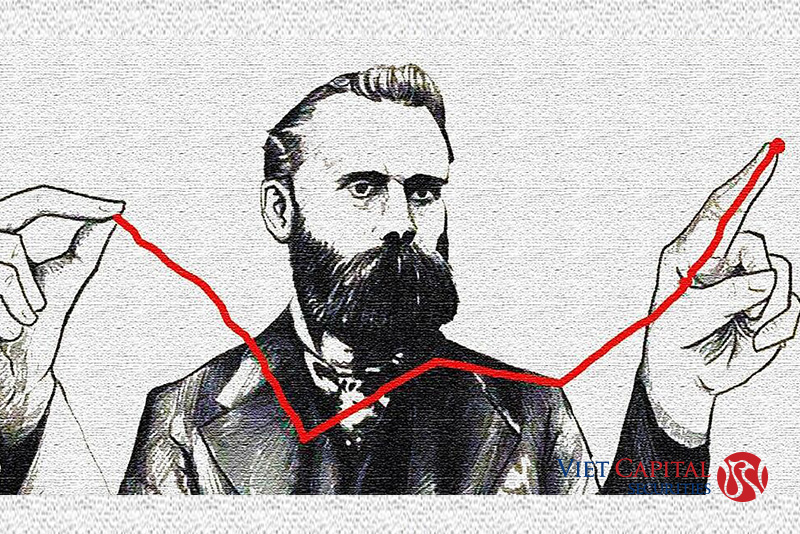
Beyond Performance: The Dow as a Narrative: Its Story in Financial History
Ultimately, “Why Dow” transcends mere numbers and methodologies. The Dow Jones Industrial Average is a narrative woven into the fabric of financial history. It tells a story of industrial revolutions, technological advancements, economic booms, and devastating busts. It represents the collective ambition, innovation, and sometimes folly, of generations of entrepreneurs and investors. It is the headline that encapsulates the market’s mood, the historical chart that illustrates economic cycles, and the metric that the average person still looks to for a quick gauge of “how the market is doing.” Its power lies not just in what it measures, but in what it symbolizes – a century-long journey of economic progress and the enduring pursuit of prosperity. For these profound reasons, the Dow will continue to command attention, debate, and respect for the foreseeable future.
aViewFromTheCave is a participant in the Amazon Services LLC Associates Program, an affiliate advertising program designed to provide a means for sites to earn advertising fees by advertising and linking to Amazon.com. Amazon, the Amazon logo, AmazonSupply, and the AmazonSupply logo are trademarks of Amazon.com, Inc. or its affiliates. As an Amazon Associate we earn affiliate commissions from qualifying purchases.