
In today’s rapidly evolving financial landscape, digital payment applications have become indispensable tools for managing personal finances. Among these, Cash App stands out as a highly popular platform, facilitating everything from peer-to-peer payments to investing in stocks and Bitcoin. However, the true utility of any digital wallet lies in its seamless integration with traditional banking systems. The ability to efficiently transfer funds from your Cash App balance to your bank account is a fundamental aspect of financial flexibility, allowing users to consolidate funds, pay bills, save for goals, or simply access their money in a more conventional format.
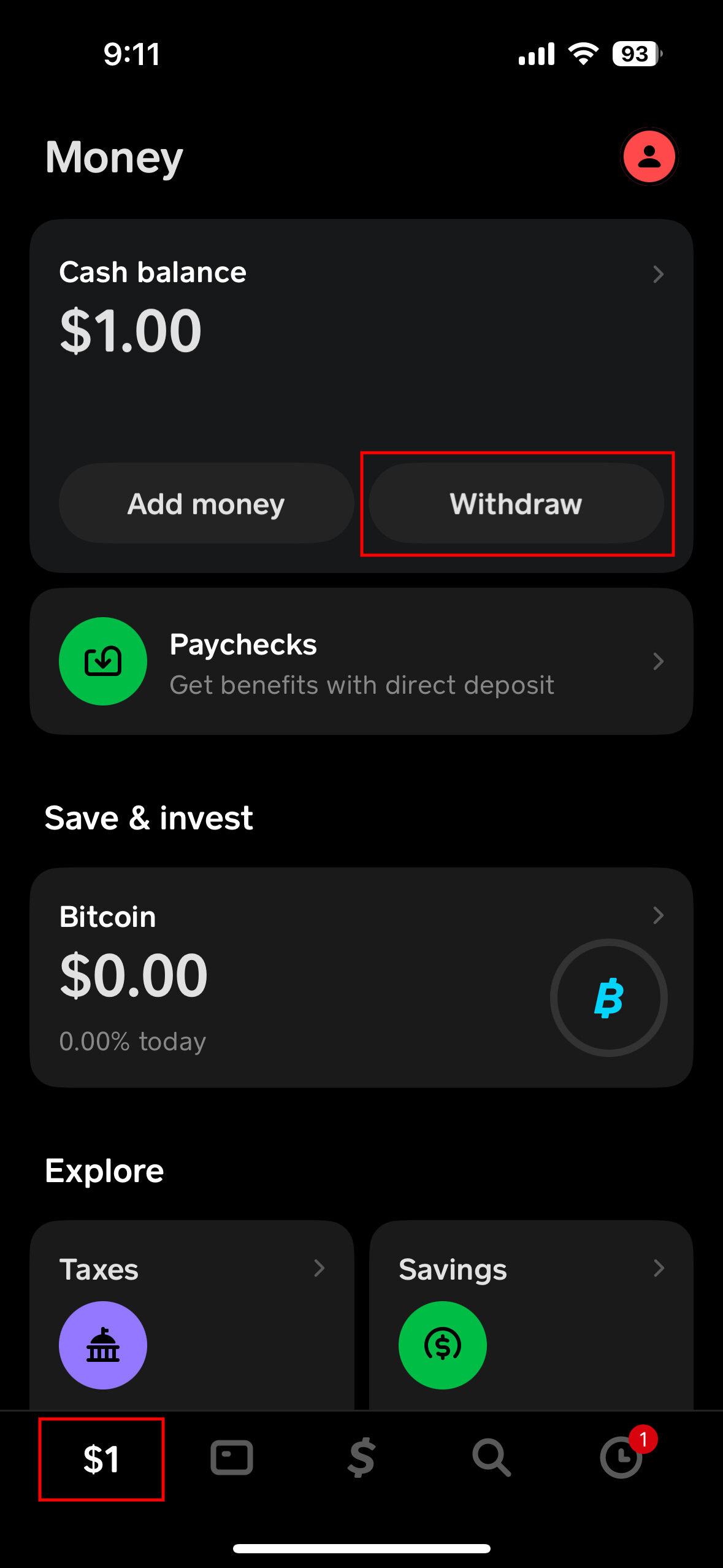
This guide will demystify the process of transferring funds from your Cash App to your bank account, offering a professional, insightful, and engaging walkthrough for both new and seasoned users. We will delve into the mechanics of these transfers, explore the different options available, discuss crucial considerations such as fees and limits, and highlight how Cash App fits into a broader strategy for personal financial management. Understanding these processes is key to leveraging digital financial tools to their fullest potential, ensuring your money is where you need it, when you need it.
Understanding Cash App and Its Role in Personal Finance
Cash App, developed by Block, Inc., has revolutionized how millions of people manage their daily finances. More than just a simple payment application, it has grown into a comprehensive financial ecosystem that offers a range of services designed to simplify monetary transactions. Its intuitive interface and diverse functionalities have made it a cornerstone for individuals navigating the complexities of modern personal finance.
The Rise of Peer-to-Peer Payment Platforms
The advent of smartphones and pervasive internet access paved the way for peer-to-peer (P2P) payment platforms. These applications allow individuals to send and receive money directly from their mobile devices, bypassing the slower, more cumbersome traditional methods like checks or wire transfers. P2P apps address a fundamental need for immediate, convenient financial interactions, making it easier to split bills, pay friends back, or receive payments for goods and services. Cash App emerged as a frontrunner in this space, offering a streamlined experience that quickly resonated with a wide demographic. Its success underscores a broader shift in consumer behavior towards digital-first financial solutions.
Why Cash App is a Popular Choice
Cash App’s popularity stems from a confluence of factors, including its user-friendly design, speed, and multi-faceted offerings. Beyond basic P2P transfers, users can:
- Direct Deposit: Receive paychecks, tax refunds, or government benefits directly into their Cash App account.
- Cash Card: Obtain a customizable, free debit card linked to their Cash App balance, usable anywhere Visa is accepted.
- Investing: Buy and sell stocks and Bitcoin directly within the app, democratizing access to investment opportunities.
- Boosts: Access instant discounts at various retailers when using the Cash Card.
These features transform Cash App from a mere payment tool into a holistic financial hub. For many, especially those who are underbanked or seeking alternatives to traditional banking fees, Cash App offers a robust set of services that support everyday financial needs. The ability to manage funds, spend, save, and even invest from a single application provides an unparalleled level of convenience and control.
Bridging the Gap Between Digital Wallets and Traditional Banking
While digital wallets offer immense convenience, traditional bank accounts remain essential for many aspects of personal finance, such as mortgage payments, large transactions, or simply maintaining a diversified financial portfolio. The crucial bridge between these two worlds is the ability to transfer funds seamlessly. Cash App understands this necessity, providing clear pathways to move money from its digital ecosystem back into a conventional bank account. This capability ensures that users are not locked into the Cash App platform but can freely move their funds as needed, solidifying its role as a flexible financial tool rather than a restrictive one. This integration is vital for personal financial planning, allowing users to leverage the immediacy of digital payments while retaining the stability and broad utility of their primary bank accounts.
Step-by-Step Guide to Initiating a Cash App to Bank Transfer
Transferring funds from your Cash App balance to your linked bank account is a straightforward process, designed for simplicity and efficiency. However, understanding each step is critical to ensure a smooth and successful transaction. This section breaks down the transfer initiation process, covering everything from ensuring account linkage to making the critical choice between transfer speeds.
Ensuring Your Bank Account is Linked
Before you can transfer any money out of Cash App, you must have a valid bank account linked to your profile. If you haven’t done this already, or if you wish to link a new account, follow these steps:
- Open Cash App: Launch the application on your mobile device.
- Navigate to the Profile Icon: Tap the profile icon (usually a circle with your picture or initials) located in the upper right corner of the home screen.
- Select “Linked Banks”: Scroll down and select “Linked Banks” or “Linked Accounts.”
- Link Bank: Tap “Link Bank” and follow the on-screen prompts. You will typically be asked to search for your bank and then securely log in using your bank’s online credentials. This process uses a secure third-party service (like Plaid) to verify your account.
- Verification: Once logged in, select the specific checking or savings account you wish to link. Cash App may send small deposits and withdrawals to your account for verification, which you’ll need to confirm within the app.
It’s crucial to link an account that you actively use and trust. Only checking or savings accounts can be linked for transfers; credit cards cannot be used for cashing out from Cash App.
Navigating the Cash Out Process
With your bank account securely linked, you can proceed to transfer funds. The “Cash Out” feature is your gateway to moving money from your Cash App balance to your bank.
- Go to the Banking Tab: From the Cash App home screen, tap the “Banking” tab (the house icon or dollar sign icon, depending on your app version) in the bottom-left corner. This tab displays your current Cash App balance.
- Tap “Cash Out”: Below your balance, you’ll see a prominent “Cash Out” button. Tap this to initiate the transfer.
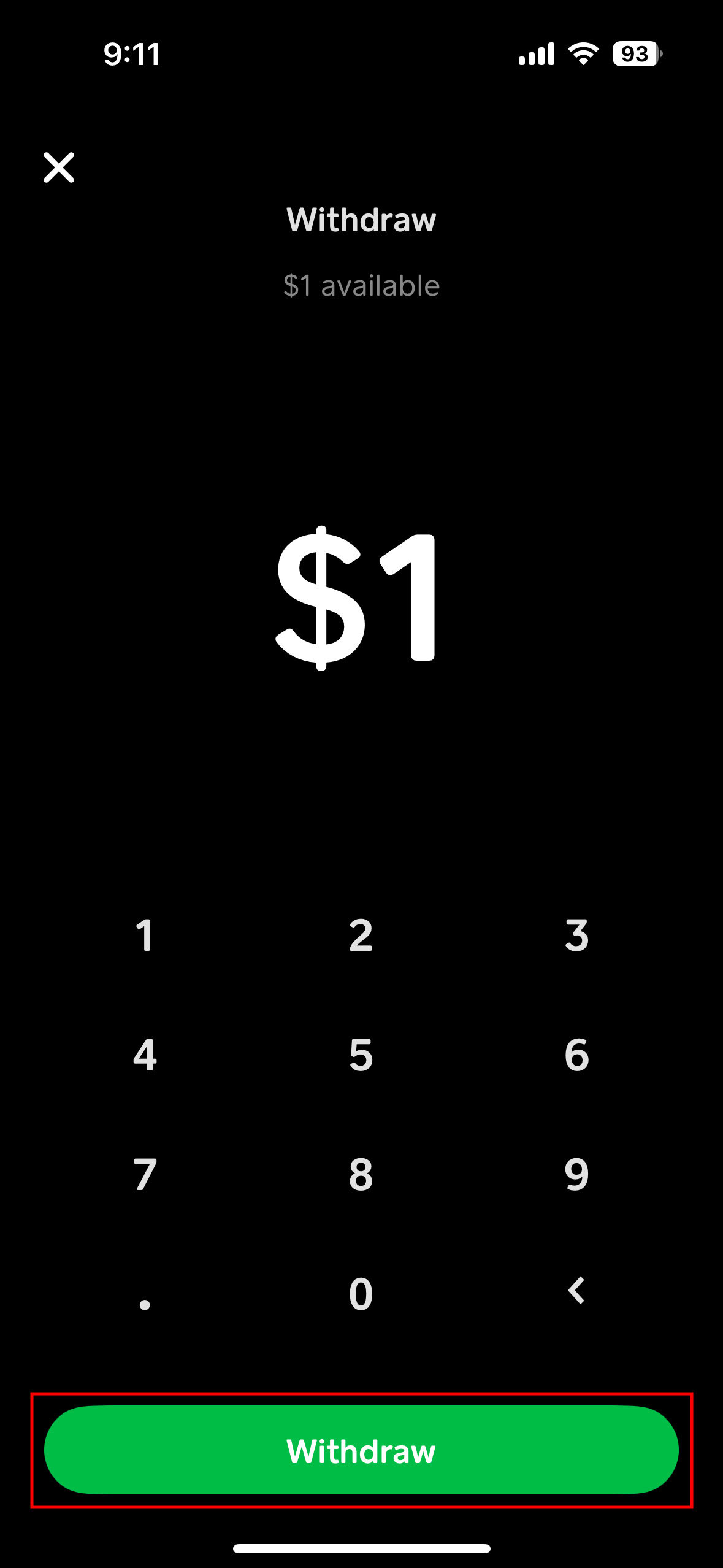
- Enter Amount: A numeric keypad will appear. Enter the exact amount you wish to transfer from your Cash App balance. Ensure you have sufficient funds available.
- Confirm Details: Review the amount you entered. The screen will also display your linked bank account. Double-check that this is the correct destination account.
- Choose Transfer Speed: This is a critical decision point. You’ll be presented with two main options: “Standard” or “Instant.” We’ll explore these in detail in the next section, but for now, make your selection based on your urgency and willingness to pay a fee.
- Confirm Transfer: After selecting your transfer speed, tap the “Cash Out” button again to confirm. You may be prompted to enter your PIN or use Touch ID/Face ID for security.
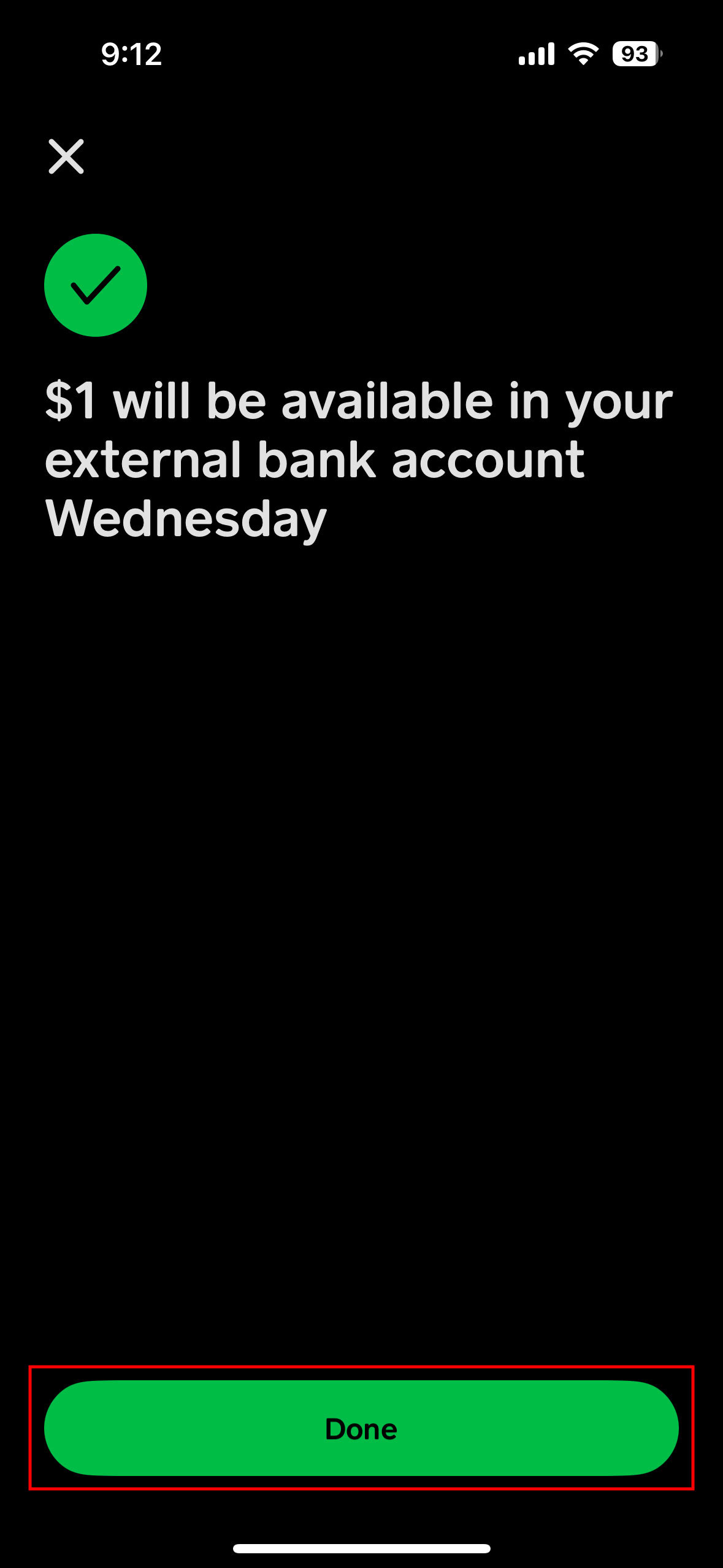
Once confirmed, your transfer is initiated. The time it takes for the funds to appear in your bank account will depend entirely on the transfer speed you selected.
Choosing Between Standard and Instant Transfers
The choice between standard and instant transfers is fundamental to the Cash App experience and directly impacts how quickly you can access your funds. Understanding the trade-offs is key to making an informed decision that aligns with your financial needs.
- Standard Transfer: This is the default, free option. Funds typically arrive in your linked bank account within 1-3 business days. Business days exclude weekends and public holidays. If you initiate a standard transfer on a Friday evening, for example, the funds might not be available until the following Tuesday or Wednesday. This option is ideal for non-urgent transfers where saving on fees is a priority.
- Instant Transfer: As the name suggests, this option delivers funds to your linked bank account almost immediately, usually within minutes, regardless of the day or time. However, this convenience comes at a cost: Cash App charges a fee for instant transfers, typically 0.5% to 1.75% of the transferred amount, with a minimum fee of $0.25. The exact fee will be displayed clearly before you confirm the transaction. Instant transfers are invaluable when you need immediate access to your money for unexpected expenses, urgent bill payments, or time-sensitive transactions.
Carefully consider your needs for speed against the cost. For regular, planned transfers, the standard option is often the most financially prudent choice. For emergencies or immediate necessities, the instant transfer fee can be a small price to pay for peace of mind and prompt access to funds.
Deeper Dive into Transfer Options: Speed, Fees, and Limits
Effective financial management with Cash App necessitates a clear understanding of the nuances surrounding transfer options. The choice between standard and instant transfers is more than just about speed; it involves considering the associated costs and the practical constraints imposed by transfer limits. A savvy user optimizes these factors to align with their personal financial strategy.
The Standard Transfer: Patience Pays Off
The standard transfer option is Cash App’s no-cost solution for moving funds to your bank. While it lacks the immediacy of its instant counterpart, its zero-fee structure makes it the most economical choice for many users.
- Processing Time: Funds typically take 1 to 3 business days to reflect in your linked bank account. This timeframe accounts for banking holidays and weekend closures. For instance, a transfer initiated on a Monday might arrive by Wednesday, but one initiated late Friday may not clear until the following Tuesday.
- Ideal Use Cases: This option is perfectly suited for planned transfers, such as moving your weekly side hustle earnings to your main checking account, topping up a savings account, or preparing for upcoming bills that aren’t immediately due. It’s also the go-to for larger amounts where a percentage-based fee on an instant transfer could become significant.
- No Hidden Charges: The most attractive aspect is the complete absence of Cash App fees for standard transfers. This makes it an excellent option for maximizing the value of your funds.
For those who plan their finances in advance and do not require instant liquidity, the standard transfer is the financially astute choice, allowing your entire transferred amount to reach your bank account without any deductions.
Instant Transfers: The Cost of Immediate Access
When urgency is paramount, Cash App’s instant transfer option provides immediate access to your funds, a convenience that commands a premium.
- Immediate Availability: Funds are typically available in your linked bank account within minutes, often almost instantaneously. This includes transfers initiated on weekends, holidays, or outside traditional banking hours.
- Associated Fees: The trade-off for speed is a transaction fee, which generally ranges from 0.5% to 1.75% of the transferred amount. Cash App clearly displays the exact fee before you confirm the instant transfer, ensuring transparency. For example, transferring $100 might incur a fee of $1.50, meaning $98.50 would arrive in your bank account. There’s often a minimum fee (e.g., $0.25) to cover small transfers.
- Strategic Application: Instant transfers are invaluable for unexpected financial needs: covering an emergency expense, making a time-sensitive payment, or accessing funds when traditional banks are closed. They offer peace of mind when immediate liquidity is non-negotiable. However, frequent use for non-urgent matters can add up, eroding your total available funds.
Financial insight suggests using instant transfers judiciously, weighing the necessity of immediate access against the cumulative cost of the fees. For significant amounts, even a small percentage fee can translate into a noticeable sum.
Understanding Daily and Weekly Transfer Limits
Like most financial platforms, Cash App implements transfer limits to mitigate risk, comply with regulations, and protect users. These limits apply to the amount you can cash out from your Cash App balance to your bank account, regardless of whether it’s a standard or instant transfer.
- Default Limits: For unverified accounts (those without full identity verification), limits are typically lower. For instance, you might be limited to cashing out $2,500 per week.
- Increased Limits with Verification: Cash App encourages users to verify their identity by providing their full name, date of birth, and the last four digits of their Social Security number (SSN). This process significantly increases transfer limits, often to $25,000 per week or more, and also unlocks other features like higher sending limits and the ability to buy and sell Bitcoin.
- Monitoring Your Limits: Your current cash out limits are usually visible within the Cash App under your profile settings or when you initiate a transfer. It’s good practice to be aware of these limits, especially if you plan to transfer large sums regularly.
- Planning Large Transfers: If you anticipate needing to transfer an amount exceeding your current limits, ensure you complete the identity verification process well in advance. Attempting to transfer more than your limit will result in an error message.
Understanding and managing your transfer limits is a critical aspect of effectively using Cash App for larger financial transactions. Proactive verification ensures unrestricted access to your funds when you need them most, fitting seamlessly into a robust personal finance strategy.
Optimizing Your Cash App Experience and Avoiding Pitfalls
While Cash App simplifies many financial transactions, a well-informed approach can further enhance your experience, safeguard your funds, and prevent common frustrations. Optimizing your Cash App usage involves best practices for account management, proactive troubleshooting, and diligent security awareness.
Best Practices for Linking and Verifying Accounts
The foundation of a smooth Cash App experience lies in correctly linking and verifying your accounts. Adhering to these best practices can prevent delays and enhance security:
- Use Your Primary Bank Account: Link a checking or savings account that you regularly monitor and trust. Using an obscure or seldom-used account can lead to forgotten transfers or difficulties tracking funds.
- Ensure Accurate Information: When linking your bank, ensure all personal details (name, address) match the information on file with your bank. Discrepancies can lead to verification failures.
- Understand Plaid’s Role: Cash App uses Plaid, a secure third-party service, to link your bank account. Be comfortable with this process, which involves logging into your bank through Plaid’s secure portal. It’s a standard and encrypted method for connecting financial accounts.
- Complete Identity Verification: For higher limits and enhanced security, always complete the full identity verification process (name, DOB, last 4 SSN). This is a one-time step that significantly improves your Cash App utility and reduces the likelihood of issues with larger transfers.
- Regularly Review Linked Accounts: Periodically check your “Linked Banks” section in Cash App to ensure only active and correct accounts are connected. Remove any old or incorrect accounts to minimize potential errors.
By following these simple steps, you establish a strong and secure bridge between your Cash App and traditional banking.
Troubleshooting Common Transfer Issues
Despite its ease of use, you might occasionally encounter issues when attempting to transfer money from Cash App to your bank. Knowing how to troubleshoot these common problems can save time and reduce stress.
- Funds Not Appearing in Bank Account:
- Check Transfer Type: Did you select “Standard” or “Instant”? Standard transfers can take 1-3 business days. If it’s within this timeframe, patience is often key.
- Verify Bank Account: Double-check that the correct bank account was selected as the destination.
- Contact Your Bank: Sometimes, your bank may hold funds for review, especially large amounts. Contact your bank’s customer service to inquire about pending deposits.
- Review Cash App Activity: Check your Cash App activity feed for the transfer status. It should indicate “Completed” or “Pending.”
- Transfer Declined or Failed:
- Insufficient Balance: Ensure you have enough money in your Cash App balance to cover the transfer amount and any instant transfer fees.
- Exceeded Limits: Check if you’ve hit your daily or weekly transfer limits. If so, you’ll need to wait until your limits reset or complete identity verification for higher limits.
- Bank Account Issues: Your linked bank account might have issues (e.g., dormant, frozen, incorrect details). Verify your bank account status with your bank.
- Outdated App: Ensure your Cash App is updated to the latest version. Bugs in older versions can sometimes cause transaction failures.
- Security Holds: Occasionally, Cash App might place a hold on a transfer for security reasons, especially if it’s an unusually large amount or flagged as suspicious. In such cases, contact Cash App support directly.
For persistent issues, Cash App’s in-app support or website FAQs are excellent resources. Providing clear details of the problem will help them resolve your issue more quickly.
Security Measures for Protecting Your Financial Assets
Security is paramount when dealing with financial applications. While Cash App employs robust security protocols, user vigilance is equally important in protecting your funds and personal information.
- Enable Security Locks: Always enable a PIN lock, Touch ID, or Face ID for your Cash App. This prevents unauthorized access even if your phone is lost or stolen.
- Be Wary of Scams: Cash App is a frequent target for scammers. Never share your login credentials, PIN, or sensitive personal information with anyone. Be suspicious of unsolicited requests for money or offers that seem too good to be true. Cash App support will never ask for your PIN.
- Use Strong, Unique Passwords: If you have a separate password for your Cash App account (e.g., for email associated with it), ensure it’s strong and not reused on other sites.
- Monitor Your Activity: Regularly review your Cash App activity feed for any unauthorized transactions. Report suspicious activity immediately to Cash App support and your bank.
- Secure Your Mobile Device: Keep your smartphone’s operating system updated, use strong screen locks, and avoid public Wi-Fi networks for sensitive financial transactions.
- Verify Recipients: Before sending money to anyone, double-check their $Cashtag or contact details to ensure you’re sending funds to the intended recipient. Once sent, Cash App transfers are often irreversible.
By proactively adopting these security measures, you can significantly reduce the risk of fraud and ensure your Cash App funds remain safe and accessible, reinforcing your overall financial security posture.
The Broader Financial Implications of Digital Transfers
Beyond the mechanics of moving money, understanding how Cash App transfers integrate into your overall financial life offers significant advantages. Digital payment tools like Cash App are not just conveniences; they are powerful components that can streamline budgeting, facilitate income generation, and reflect evolving trends in financial services.
Integrating Cash App into Your Personal Budget
For effective personal finance management, every dollar needs a purpose and a place. Cash App transfers can play a strategic role in maintaining a balanced budget.
- Consolidating Funds: Users who receive payments into Cash App (e.g., from side hustles, reimbursements, or sales) can regularly transfer these funds to their primary bank account. This consolidates all income in one place, making it easier to track total earnings and allocate money towards various budget categories (housing, food, savings, debt repayment).
- Budgetary Buffers: Some users might keep a small working balance in Cash App for daily micro-transactions, then “cash out” larger sums to their bank account for fixed expenses or savings. This separation can prevent impulse spending from the main bank account.
- Expense Tracking: By regularly moving funds, you create a clear record of income flowing into your main financial system. This can be particularly useful for categorizing income sources from diverse digital platforms, improving the accuracy of your budget tracking.
- Savings Goals: Instead of letting funds sit idle in Cash App, prompt transfers to a dedicated savings account at your bank can accelerate progress towards financial goals, leveraging potentially higher interest rates or more robust savings tools offered by traditional banks.
Thoughtful integration of Cash App transfers into your budgeting routine transforms it from a simple payment app into a valuable asset for financial organization and discipline.
The Convenience Factor for Online Income and Side Hustles
The gig economy and online income streams have exploded, and Cash App has become an essential tool for many participants. Its ability to facilitate quick and easy transfers is a significant benefit for freelancers, online sellers, and gig workers.
- Rapid Payment Reception: For individuals running side hustles or receiving payments from clients, Cash App offers an immediate way to get paid. The ease of sending and receiving funds reduces friction in payment collection.
- Streamlined Income Management: Instead of waiting for checks or slower bank transfers, gig workers can receive funds instantly and then, just as easily, transfer them to their primary bank account for broader financial management. This immediate liquidity can be crucial for managing cash flow in irregular income scenarios.
- Separation of Funds (Optional): Some entrepreneurs use Cash App to initially receive business income, then transfer it to a separate business or personal bank account. While not a full business banking solution, it offers a quick initial intake point before formal accounting and categorization.
- Ease of Client Payments: For service providers, offering Cash App as a payment option can be convenient for clients, leading to quicker payments and fewer administrative hurdles.
For those navigating the dynamic world of online income and side hustles, Cash App’s transfer capabilities provide a convenient and efficient mechanism for managing the financial flows inherent in these activities, directly impacting their financial stability and growth.
Future Trends in Digital Banking and Instant Payments
The evolution of platforms like Cash App points towards a broader transformation in digital banking and payment systems. The desire for instant access to funds and seamless integration across financial tools is shaping the future.
- Real-time Payments (RTP) and FedNow: The push for instant transfers within apps mirrors larger industry initiatives like Real-Time Payments (RTP) and the Federal Reserve’s FedNow Service. These systems aim to make instant bank-to-bank transfers the norm, reducing the reliance on third-party apps for speed.
- Open Banking and API Integration: The ability of Cash App to link to various bank accounts via services like Plaid is a testament to the open banking movement, where financial data and services can be securely shared and integrated across different platforms through APIs (Application Programming Interfaces). This fosters innovation and greater interconnectedness within the financial ecosystem.
- Super-Apps and Embedded Finance: Cash App’s expansion into investing and banking services indicates a trend towards “super-apps” that offer a multitude of financial services under one digital roof. This embedded finance approach blurs the lines between payment apps, banks, and investment platforms, offering users a centralized financial experience.
- Increased User Expectations: As instant transfers become more prevalent and efficient, user expectations for immediate financial access will continue to rise. Platforms that can deliver speed, security, and integration will thrive.
Understanding how to transfer money from Cash App to your bank is not just about using a feature; it’s about engaging with a foundational aspect of modern personal finance. By mastering this process, you empower yourself to manage your digital funds effectively, integrate them with your traditional banking, and stay agile in an increasingly digital-first financial world. As financial technology continues to advance, the ability to seamlessly move money between various platforms will remain a cornerstone of robust and flexible personal financial management.
aViewFromTheCave is a participant in the Amazon Services LLC Associates Program, an affiliate advertising program designed to provide a means for sites to earn advertising fees by advertising and linking to Amazon.com. Amazon, the Amazon logo, AmazonSupply, and the AmazonSupply logo are trademarks of Amazon.com, Inc. or its affiliates. As an Amazon Associate we earn affiliate commissions from qualifying purchases.