
Acquiring a Tesla Model 3 represents more than just purchasing a vehicle; it’s a significant financial decision with implications for personal budgets, long-term savings, and even investment strategies. For many, the initial sticker price is only one facet of a much larger financial equation. Understanding the true cost of ownership involves delving into various financial components, from upfront expenses and financing options to operational costs, potential savings, and even depreciation. This article aims to provide a meticulous financial breakdown, equipping prospective buyers with the insights needed to make an informed economic choice.
Decoding the Initial Investment: Tesla Model 3 Trim Levels and Options
The journey to understanding the Model 3’s cost begins with its various configurations and the array of optional features that can significantly sway the final price. Tesla’s direct-to-consumer model means price transparency is high, but the options menu still requires careful consideration for budget-conscious buyers.
The Evolving Price Landscape: Standard Range, Long Range, and Performance
Historically, the Model 3 has been offered in several distinct trims, each with a different base price reflecting battery capacity, range, and acceleration. The “Standard Range” (or Rear-Wheel Drive) variant typically serves as the entry point, offering the lowest upfront cost but still providing a commendable range and performance for daily commuting. Stepping up to the “Long Range” (All-Wheel Drive) significantly increases the battery capacity, extending the driving range and often enhancing acceleration and all-weather capability, naturally commanding a higher premium. At the pinnacle is the “Performance” model, which builds on the Long Range’s features with even quicker acceleration, sportier suspension, and performance-oriented aesthetics, positioning it as the most expensive variant.
These base prices are subject to change, as Tesla frequently adjusts its pricing strategy in response to market demand, production costs, and competitive pressures. Therefore, it’s crucial for potential buyers to consult Tesla’s official website for the most current pricing at the time of their inquiry. The difference between trims can easily amount to tens of thousands of dollars, making this initial selection the most impactful financial decision.
Customization Costs: From Paint to Piloting Software
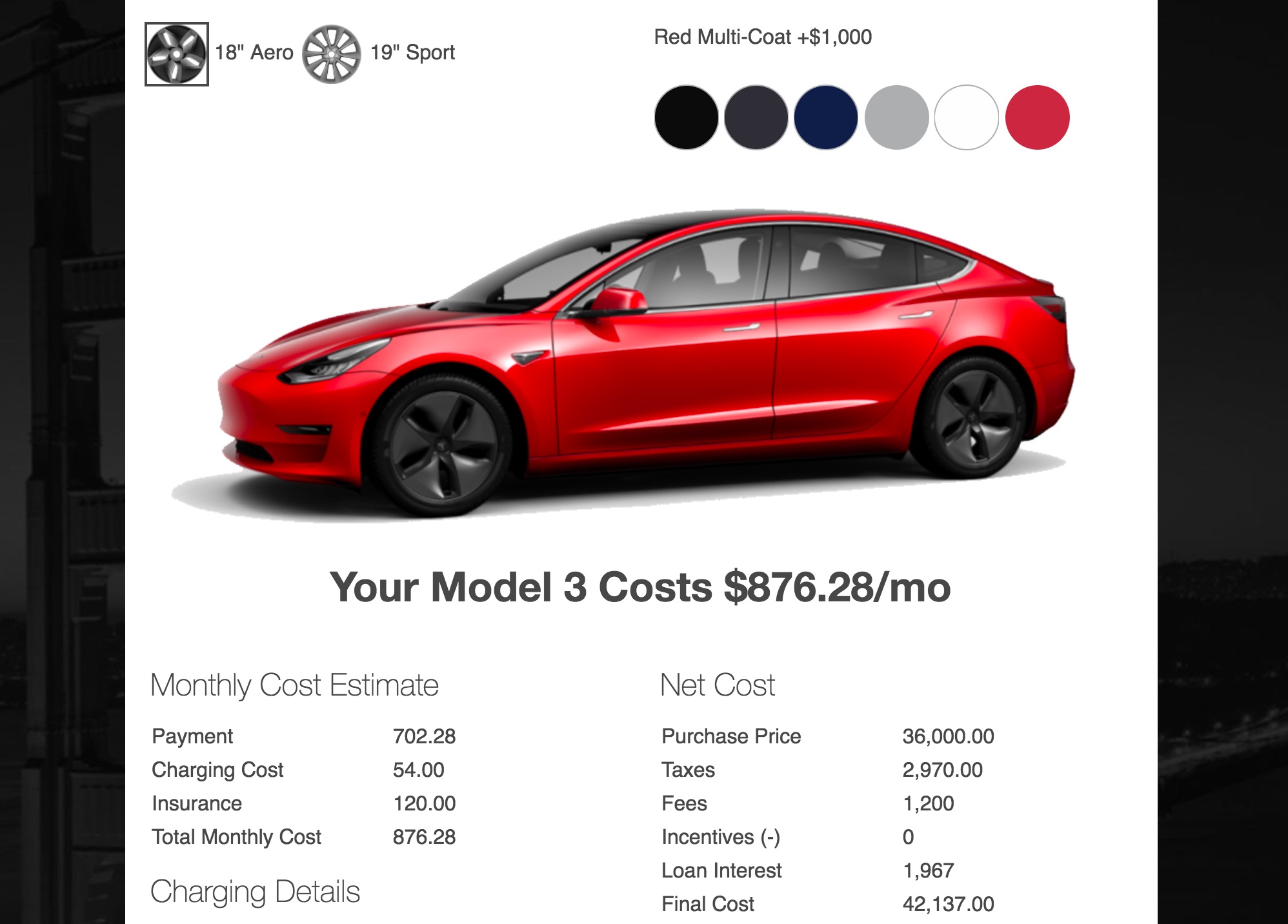
Beyond the trim level, customization options present another layer of financial consideration. While the base colors often come at no additional charge, premium paint finishes (such as Midnight Silver Metallic, Deep Blue Metallic, or Red Multi-Coat) typically add a non-trivial sum to the total. Wheel upgrades, moving from standard aero wheels to larger, sportier designs, also incur extra costs. Interior choices, such as opting for a white interior over the standard black, can add another segment to the price tag.
However, perhaps the most significant optional financial decision resides in Tesla’s advanced driver-assistance systems. While basic Autopilot is usually included, upgrading to “Enhanced Autopilot” or “Full Self-Driving (FSD) Capability” represents a substantial additional investment. FSD, in particular, carries a five-figure price tag, making it one of the most expensive single options. Buyers must weigh the perceived value and future utility of these software upgrades against their immediate financial impact, considering that FSD’s full capabilities are still under development and its financial return on investment can be complex to calculate.
The “Hidden” Costs: Destination Fees and Documentation
No matter how meticulously a buyer calculates the base price and options, two additional mandatory charges always accompany a new vehicle purchase: the destination fee and the order fee (sometimes referred to as documentation or processing fees). The destination fee covers the cost of transporting the vehicle from the factory to the delivery center, a non-negotiable charge often several hundred to over a thousand dollars. The order fee, while smaller, also adds to the final cash price. These fees are standardized across all buyers and vehicles and are essential to factor into the total purchase price, as they are not subject to negotiation. Overlooking these can lead to a slight but unwelcome surprise at the point of finalizing the transaction.
Beyond the Sticker Price: Understanding Total Cost of Ownership
The true financial commitment of a Model 3 extends far beyond its initial purchase price. A comprehensive understanding requires an analysis of the Total Cost of Ownership (TCO), which encompasses ongoing operational expenses, maintenance, insurance, and the cost of necessary charging infrastructure. Evaluating these factors provides a more accurate picture of the Model 3’s financial footprint over its lifespan.
Fueling the Future: Electricity vs. Gasoline Savings
One of the most compelling financial arguments for an electric vehicle (EV) like the Model 3 is the significant reduction in “fuel” costs. Electricity is, in almost all cases, considerably cheaper per mile than gasoline. The savings vary based on local electricity rates, gasoline prices, and individual driving habits. Charging at home during off-peak hours offers the greatest savings, potentially reducing the cost per mile to just a few cents. Even utilizing Tesla’s Supercharger network, while more expensive than home charging, is often still more economical than filling up a comparable gasoline-powered luxury sedan. Over several years of ownership, these fuel savings can amount to thousands of dollars, partially offsetting the initial investment. Financial planning for an EV must include projecting these savings accurately based on typical usage patterns.
Maintenance and Service: Dispelling EV Myths
Electric vehicles fundamentally have fewer moving parts than internal combustion engine (ICE) vehicles, leading to a generally lower maintenance burden. There are no oil changes, spark plug replacements, or complex transmission services required. Routine maintenance primarily revolves around tire rotations, brake checks (though regenerative braking significantly reduces brake wear), cabin air filter replacements, and general diagnostics. While Teslas might have specific service needs for their advanced components, the overall scheduled maintenance costs are often lower than those for comparable luxury ICE vehicles. This reduction in recurring service expenses contributes positively to the Model 3’s long-term financial viability. However, potential repair costs for specialized EV components, though less frequent, can be higher, making an extended warranty a consideration for some.
Insurance Premiums: Factors Affecting Your Policy
Insurance costs for a Tesla Model 3 can be a significant recurring expense, and they are often higher than for a comparably priced ICE vehicle. Several factors contribute to this: the Model 3’s higher average repair costs due to specialized parts and aluminum construction, its performance capabilities, and the prevalence of advanced technology that can be expensive to replace or calibrate after an accident. Moreover, the strong demand and higher average transaction price contribute to elevated comprehensive and collision coverage premiums. Individual insurance rates will vary widely based on the driver’s age, driving record, location, chosen coverage levels, and insurance provider. It is highly advisable for prospective buyers to obtain multiple insurance quotes before committing to a purchase to accurately budget for this ongoing expense.
Home Charging Infrastructure: An Upfront Consideration
While public charging options exist, the most convenient and cost-effective way to fuel an EV is often at home. This necessitates the installation of charging equipment, which can range from a simple 240-volt outlet (NEMA 14-50) installation to a dedicated Tesla Wall Connector. The cost of this infrastructure, including the charger unit and professional electrician installation, can range from a few hundred to over a thousand dollars, depending on the complexity of the electrical work required. This is an upfront capital expenditure that should be factored into the overall financial plan, though some utility companies or local governments may offer rebates or incentives for EV charging infrastructure.
Navigating Financial Pathways: Financing, Leasing, and Incentives

Once the total cost of ownership is understood, the next financial hurdle involves how to fund the purchase. Prospective Model 3 owners have several pathways, each with its own financial implications, alongside potential governmental incentives that can significantly reduce the net cost.
Loan Options: APRs, Terms, and Down Payments
For many, purchasing a Model 3 involves securing an automotive loan. The key financial variables here are the Annual Percentage Rate (APR), the loan term (e.g., 36, 60, 72 months), and the down payment. A lower APR translates to less interest paid over the life of the loan, while a longer loan term will result in lower monthly payments but typically higher total interest paid. A substantial down payment reduces the principal amount financed, leading to lower monthly payments and less interest. Tesla offers its own financing options, and many third-party banks and credit unions also provide competitive rates. It is prudent for buyers to shop around for the best APR to minimize their borrowing costs. From a personal finance perspective, evaluating the impact of monthly payments on one’s budget and debt-to-income ratio is critical.
The Leasing Dilemma: Flexibility vs. Ownership
Leasing offers an alternative for those who prefer lower monthly payments, desire to drive a new car every few years, or do not wish to deal with the depreciation and resale process. A lease involves paying for the depreciation of the vehicle over a set period (typically 24, 36, or 48 months) and a money factor (similar to an interest rate). Monthly lease payments are generally lower than loan payments for the same vehicle. However, leasing does not lead to ownership, meaning there’s no equity built. Mileage restrictions and potential wear-and-tear charges at lease end are also financial considerations. For businesses, leasing can offer tax advantages, but for individual consumers, it’s a decision based on personal financial goals and driving habits – whether the flexibility and lower monthly outlay outweigh the long-term asset ownership.
Unlocking Savings: Federal, State, and Local EV Tax Credits
One of the most significant financial advantages for purchasing an EV is the availability of federal, state, and local incentives. The federal EV tax credit, though subject to change and specific criteria (like battery capacity, manufacturing location, and critical mineral sourcing), can offer a substantial credit against one’s federal tax liability, potentially reducing the effective purchase price by thousands of dollars. Tesla’s eligibility for these credits has varied over time, so checking current federal guidelines is paramount.
Beyond federal incentives, many state and local governments offer their own rebates, tax credits, or other perks (like HOV lane access, reduced vehicle registration fees). These can add further layers of savings, significantly decreasing the net cost of the Model 3. Investigating these regional programs is a critical step in financial planning for an EV purchase, as they can represent a direct reduction in expenditure or a return on investment that improves the overall affordability.
The Long-Term View: Depreciation, Resale Value, and Future Savings
The financial journey with a Tesla Model 3 doesn’t conclude after the initial purchase and the first few months of ownership. The vehicle’s depreciation, potential for software-driven value changes, and continued long-term operational savings play a crucial role in its overall economic value proposition.
Tesla’s Strong Resale Value: An Asset in Disguise
Historically, Tesla vehicles, including the Model 3, have demonstrated remarkably strong resale values compared to many conventional luxury vehicles. Several factors contribute to this: strong brand demand, continuous over-the-air software updates that keep older models feeling fresh with new features, and the relative scarcity of used models compared to demand. A high resale value means that the actual “cost of ownership” (purchase price minus resale price) is lower than vehicles with steeper depreciation curves. For financially savvy buyers, this strong retention of value means a higher return on investment when it’s time to sell or trade in the vehicle, making the Model 3 a more attractive asset from a financial perspective. However, market conditions can shift, and increased competition in the EV segment could impact future depreciation rates.
Potential for Software-Driven Value Appreciation
A unique aspect of Tesla ownership is the concept of software-driven value. Over-the-air (OTA) updates routinely introduce new features, performance enhancements, and even range improvements to existing vehicles. While not a direct monetary appreciation in the traditional sense, these updates can enhance the vehicle’s functionality and desirability, potentially supporting its resale value. Furthermore, the Full Self-Driving (FSD) package, if purchased, is tied to the vehicle and could hypothetically appreciate in value as its capabilities mature and regulatory frameworks evolve. While speculative, the potential for software to augment a car’s perceived and actual value is a novel financial consideration unique to Tesla and a few other tech-forward manufacturers.
Long-Term Environmental and Financial Benefits
Beyond direct monetary savings, the Model 3 offers long-term environmental benefits that can translate into indirect financial gains. Reduced carbon footprint aligns with growing societal and governmental focus on sustainability, potentially leading to future incentives or avoiding penalties. From a personal finance standpoint, investing in an EV can be seen as future-proofing against fluctuating fossil fuel prices and stricter environmental regulations. The peace of mind that comes with lower emissions and reduced reliance on gasoline can be an intangible financial benefit, contributing to overall financial wellness by mitigating exposure to volatile energy markets.
Is the Tesla Model 3 a Smart Financial Move?
Ultimately, determining if the Tesla Model 3 is a financially sound decision depends on an individual’s specific financial situation, priorities, and long-term goals. It’s a significant investment, but one with a unique blend of upfront costs, long-term savings, and potential asset retention that sets it apart from many conventional vehicle purchases.
Weighing the Investment Against Alternatives
When considering the Model 3, it’s vital to compare its financial profile not just against other EVs but also against traditional gasoline-powered luxury sedans. While the initial purchase price might be higher than some ICE competitors, the Model 3 often boasts lower operating costs (fuel and maintenance) and stronger resale value, which can make its TCO more competitive, or even superior, over a 5-10 year ownership period. For those who prioritize technology and sustainable transport, the Model 3’s financial benefits often align with their values, making the higher upfront cost a justifiable investment.
Personal Financial Alignment: Budgeting and Affordability
The most crucial step is to perform a thorough personal financial assessment. Can your budget comfortably accommodate the monthly loan or lease payments, insurance premiums, and potential home charging infrastructure costs? Do the projected fuel and maintenance savings genuinely make a material difference to your household budget? Understanding your personal cash flow, debt-to-income ratio, and long-term financial goals is paramount. For some, the Model 3 will be an aspirational but attainable goal, while for others, its financial demands might necessitate a different vehicle choice.

The Value Proposition: Beyond Pure Monetary Cost
While this analysis focuses exclusively on the monetary aspects, the true value of the Model 3 extends beyond dollars and cents for many buyers. The blend of cutting-edge technology, exhilarating performance, environmental benefits, and a distinct driving experience all contribute to its overall value proposition. These non-monetary factors, while difficult to quantify financially, often play a significant role in the purchase decision. However, from a purely financial lens, the Model 3 presents a complex yet often compelling case for investment. By meticulously analyzing its initial cost, total cost of ownership, financing options, incentives, and long-term financial outlook, prospective buyers can confidently determine if the Tesla Model 3 aligns with their financial prudence and aspirations.
aViewFromTheCave is a participant in the Amazon Services LLC Associates Program, an affiliate advertising program designed to provide a means for sites to earn advertising fees by advertising and linking to Amazon.com. Amazon, the Amazon logo, AmazonSupply, and the AmazonSupply logo are trademarks of Amazon.com, Inc. or its affiliates. As an Amazon Associate we earn affiliate commissions from qualifying purchases.