
Securing affordable auto insurance is a critical component of sound personal financial management. For many households, car insurance premiums represent a significant recurring expense that, without diligent oversight, can escalate unnecessarily. Understanding the nuanced factors that contribute to these costs and proactively implementing strategic measures can lead to substantial savings over time, freeing up capital for other financial goals. This guide delves into actionable strategies for reducing your auto insurance expenditures, offering a comprehensive framework for smart financial decision-making in vehicle coverage.
Understanding the Variables That Drive Your Premium
Auto insurance premiums are not arbitrary figures; they are meticulously calculated based on an array of risk factors that insurers assess to predict the likelihood and potential cost of a claim. Gaining clarity on these variables is the first step toward effectively managing and reducing your expenses.

Driver Demographics and History
Your personal profile significantly influences your insurance rates. Younger, less experienced drivers, particularly males, often face higher premiums due to statistical evidence of increased accident rates. As drivers age and accumulate years of claim-free driving, their rates typically decrease, assuming a clean record is maintained. Your driving history, specifically the presence of accidents, traffic violations (speeding tickets, DUIs), or past insurance claims, is perhaps the most impactful factor. A history marred by incidents signals higher risk to insurers, directly translating into elevated premiums. Conversely, a prolonged period of safe driving without claims can qualify you for substantial discounts and better rates.
Vehicle Specifics
The type of vehicle you drive plays a pivotal role in determining your insurance costs. High-performance, luxury, or frequently stolen models typically command higher premiums. This is due to several reasons: higher repair or replacement costs for expensive parts, increased likelihood of theft, and the statistical correlation between certain vehicle types and higher-risk driving behaviors. Conversely, older, safer vehicles with readily available and cheaper parts often qualify for lower insurance rates. Furthermore, safety features (e.g., anti-lock brakes, airbags, anti-theft devices) can sometimes lead to discounts, as they reduce the likelihood or severity of accidents and theft.
Geographic Location
Where you live and park your vehicle has a direct bearing on your insurance premium. Urban areas, characterized by higher traffic density, increased risk of accidents, and higher rates of vandalism or theft, generally have higher insurance costs than rural or suburban locales. Even within the same city, specific zip codes can have varying rates based on local crime statistics, accident rates, and population density. Insurers meticulously analyze these geographic risk profiles to price policies accurately for each region.
Strategic Approaches to Lowering Your Costs
Armed with an understanding of how premiums are calculated, individuals can employ several proactive strategies to reduce their auto insurance expenses. These tactics involve active engagement with the insurance market and careful policy management.
Shop Around and Compare Multiple Quotes
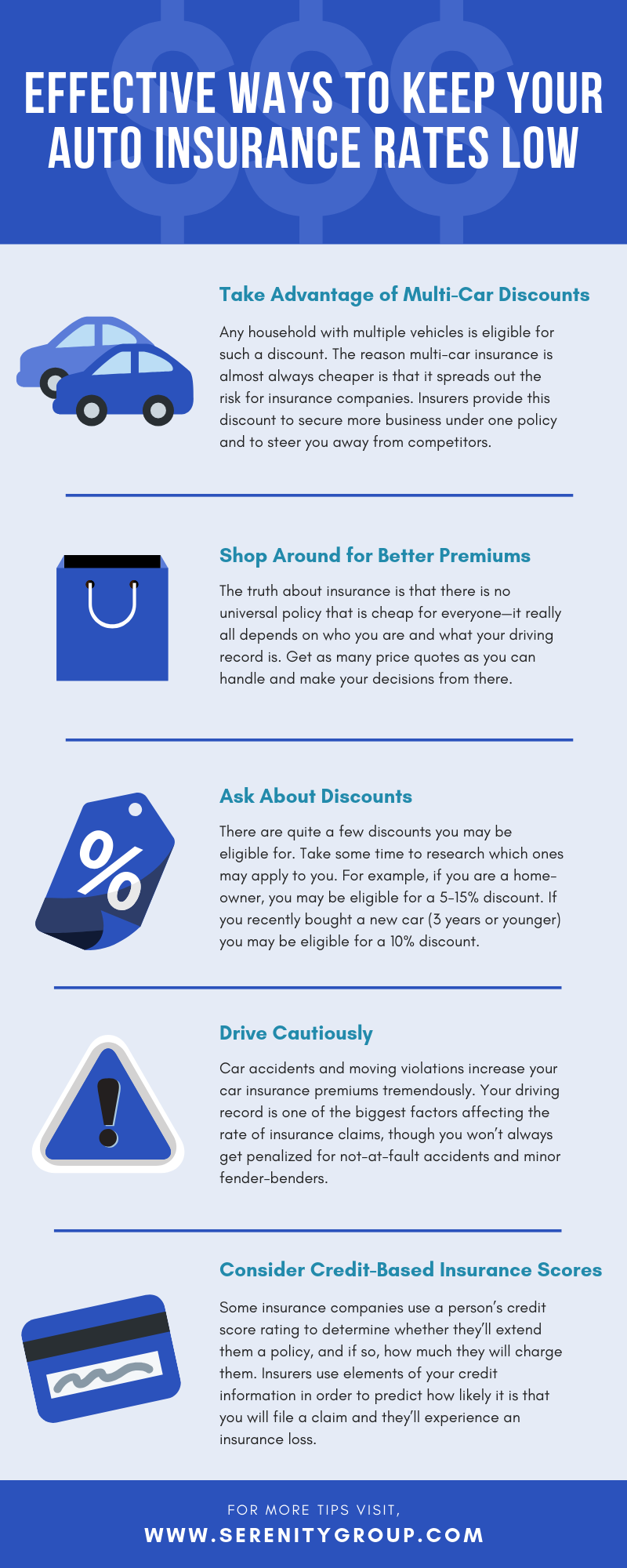
This is arguably the most impactful strategy for finding lower rates. Insurance companies use different underwriting models, meaning the same driver with the same vehicle might receive wildly different quotes from various providers. Relying on a single insurer or passively renewing your policy year after year without exploring alternatives is a common financial oversight. Dedicated comparison websites, independent insurance agents, and direct outreach to multiple insurers can provide a comprehensive view of the market. Obtain quotes for the exact same coverage levels and deductibles to ensure an apples-to-apples comparison. This annual practice ensures you are not overpaying and are benefiting from the most competitive rates available in the market.
Maximize Available Discounts
Insurers offer a multitude of discounts that can significantly reduce your premium, yet many policyholders are unaware of or fail to utilize them. Common discounts include:
- Good Driver/Safe Driver Discount: For drivers with a clean record for a specified number of years.
- Multi-Car Discount: For insuring multiple vehicles under the same policy.
- Multi-Policy/Bundling Discount: For purchasing auto insurance alongside other policies like home, renters, or life insurance from the same provider. This is often one of the most substantial discounts.
- Good Student Discount: For young drivers maintaining a certain GPA.
- Defensive Driving Course Discount: For completing an approved defensive driving course.
- Anti-Theft Device Discount: For vehicles equipped with approved anti-theft systems.
- Low Mileage Discount: For drivers who drive below a certain annual mileage threshold.
- Occupational Discounts: For certain professions (e.g., teachers, engineers, first responders).
- Payment Discounts: For paying premiums in full annually or enrolling in automatic payments.
Always inquire about all available discounts when obtaining quotes or reviewing your current policy. Even small discounts can add up to significant savings.
Adjusting Your Coverage and Deductibles
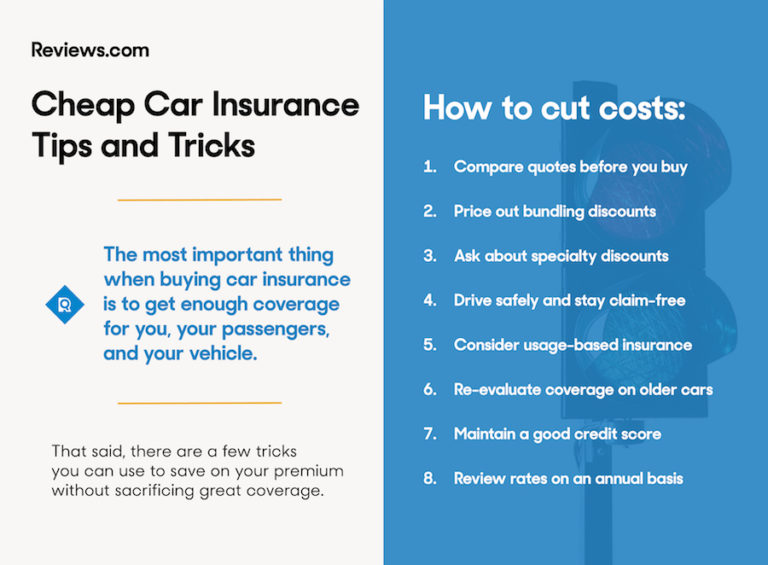
While adequate coverage is essential for financial protection, paying for more than you need is inefficient. Review your policy periodically to ensure your coverage aligns with your current financial situation and vehicle value.
- Dropping Comprehensive and Collision on Older Vehicles: For cars with low market value, the cost of comprehensive and collision coverage might exceed the potential payout in the event of a total loss. Calculate if the annual premium for these coverages, combined with your deductible, is greater than the car’s current book value. If so, it might be financially prudent to drop them and self-insure against damage to your own vehicle.
- Raising Your Deductibles: Your deductible is the amount you pay out of pocket before your insurance coverage kicks in for a claim. Opting for a higher deductible (e.g., increasing from $500 to $1,000) can substantially lower your monthly or annual premium. This strategy is financially sound if you have an adequate emergency fund to comfortably cover the higher deductible should an incident occur. It’s a trade-off between a lower premium now and a higher out-of-pocket expense later, which should be carefully considered based on your personal financial liquidity.
Maintain a Pristine Driving Record
This point cannot be stressed enough. A clean driving record is the single most effective long-term strategy for keeping insurance costs down. Accidents, even minor ones, and traffic violations stay on your record for several years and can lead to significant premium increases. Drive defensively, obey traffic laws, and avoid distractions to minimize the risk of incidents that could impact your rates. Participation in telematics programs (discussed below) also rewards excellent driving habits.
Leveraging Financial Habits for Better Rates
Beyond direct policy adjustments, broader financial behaviors and smart payment strategies can also contribute to lower auto insurance costs.
Improve Your Credit Score
In many states, insurance companies use a credit-based insurance score as a factor in determining premiums. Studies have shown a correlation between credit history and the likelihood of filing a claim. A higher credit score generally indicates greater financial responsibility, which insurers often interpret as a lower risk. By improving your credit score—paying bills on time, reducing debt, and monitoring your credit report for errors—you can potentially qualify for better insurance rates. This reinforces the broader principle that sound personal finance practices often have synergistic benefits across different areas of your financial life.
Consider Usage-Based Insurance Programs
Many insurers now offer telematics or usage-based insurance (UBI) programs. These programs involve installing a small device in your car or using a mobile app that monitors your driving habits, such as mileage, speed, braking patterns, and time of day driven. Safe drivers who participate in these programs can often qualify for significant discounts. If you’re a careful driver with low annual mileage, a UBI program can provide a direct financial reward for your responsible habits, translating to personalized, lower premiums.
Bundle Your Policies
As mentioned under discounts, bundling your auto insurance with other policies (homeowners, renters, motorcycle, RV, life insurance) from the same provider is one of the most effective ways to secure significant savings. Insurers often provide substantial multi-policy discounts to encourage customer loyalty and consolidate your business. This strategy streamlines your insurance management and often results in a lower overall cost across all your policies compared to purchasing them individually from different companies. Always request a bundled quote when exploring new insurance options.
Opt for Annual Payments
While monthly payments offer convenience, paying your premium in one lump sum annually can often result in a discount. Many insurers charge administrative or installment fees for processing monthly payments. By paying in full, you avoid these fees and typically receive a small discount, leading to additional savings over the year. This requires having the necessary funds available but is a simple financial optimization if your cash flow allows it.
Reassessing Your Policy Periodically
The insurance landscape, your personal circumstances, and market rates are not static. To consistently maintain low auto insurance costs, it is imperative to conduct a comprehensive review of your policy at least once a year, or whenever a significant life event occurs.
Major life changes that warrant a policy review include:
- Marriage or Divorce: Marital status can influence rates.
- Moving to a New Location: Geographic location is a key factor.
- Buying a New Car: The vehicle type directly impacts premiums.
- Children Getting Their License: Adding new drivers, especially young ones, changes the risk profile.
- Significant Changes in Driving Habits: For example, working from home and driving less, which might qualify you for low mileage discounts.
- Paying off Your Car Loan: Once your car is fully owned, you might have more flexibility to adjust comprehensive and collision coverage.
Regularly shopping for quotes, updating your policy details, and inquiring about new discounts ensures that your insurance coverage remains both adequate and cost-effective, aligning with the principles of proactive financial management. By adopting these strategies, you can transform auto insurance from a burdensome expense into a manageable and optimized line item in your personal budget.
aViewFromTheCave is a participant in the Amazon Services LLC Associates Program, an affiliate advertising program designed to provide a means for sites to earn advertising fees by advertising and linking to Amazon.com. Amazon, the Amazon logo, AmazonSupply, and the AmazonSupply logo are trademarks of Amazon.com, Inc. or its affiliates. As an Amazon Associate we earn affiliate commissions from qualifying purchases.