
Bank of America, a colossal entity in the global financial landscape, serves millions of customers with a vast array of banking, investing, and lending services. Despite its omnipresence and convenience, a segment of consumers and financial analysts often raise critical concerns regarding its practices and overall value proposition. This article delves into the financial criticisms frequently leveled against Bank of America, examining aspects from customer service and fee structures to ethical considerations and their impact on personal and business finance.
Understanding these criticisms is not merely about demonizing a large institution but about empowering consumers to make informed financial decisions, compare services, and recognize where their hard-earned money might be better managed. For many, the drawbacks associated with Bank of America often overshadow the perceived benefits, prompting a closer look at the “why.”

The Burden of Fees and Complex Cost Structures
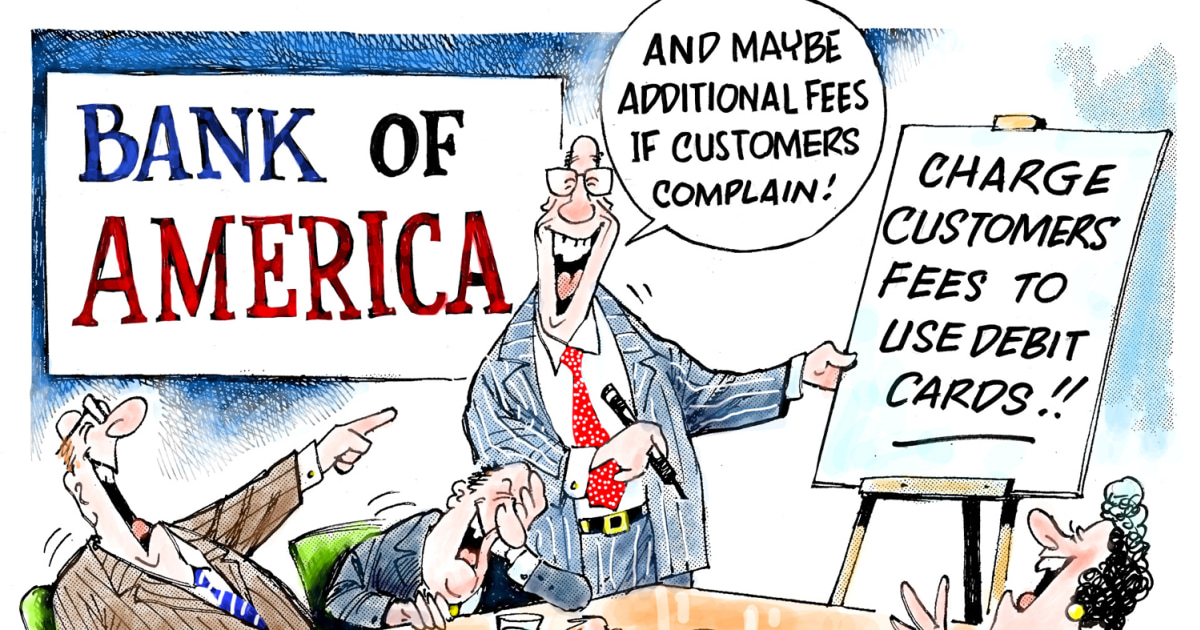
One of the most persistent and widespread criticisms of Bank of America, particularly from a personal finance perspective, revolves around its fee structures. While all banks charge fees, critics argue that BofA’s fees can be particularly onerous, opaque, or difficult to avoid for the average consumer, directly impacting their financial health.
Overdraft Fees: A Significant Drain
Historically, Bank of America, like many large banks, has faced scrutiny for its substantial overdraft fees. These fees, often incurred when a customer spends more money than they have in their account, can quickly accumulate, trapping individuals in a cycle of debt. Even with recent industry shifts towards reducing or eliminating some overdraft charges, BofA’s previous practices, and the perception of their impact on vulnerable customers, continue to factor into its negative reputation. The cascading effect of a single overdraft leading to multiple fees for subsequent transactions has been a major point of contention, disproportionately affecting those with lower account balances. For small businesses, unexpected overdrafts can disrupt cash flow and lead to further financial penalties.
Monthly Maintenance Fees: An Unnecessary Expense
Many checking and savings accounts at Bank of America come with monthly maintenance fees that can be waived only if specific conditions are met, such as maintaining a minimum daily balance, having direct deposits above a certain threshold, or being a student. For customers who don’t meet these criteria, these seemingly small fees ($4.95, $12, or $25, depending on the account type) can add up significantly over a year, eroding savings or cutting into available funds. This structure often penalizes lower-income individuals or those with fluctuating incomes, making it harder for them to access basic banking services without incurring additional costs. In an era where many smaller banks and credit unions offer free checking with no strings attached, BofA’s approach is often viewed as outdated and anti-consumer.
Other Service Charges and Hidden Costs
Beyond the prominent overdraft and monthly fees, Bank of America also levies charges for various other services. These can include wire transfer fees (both domestic and international), foreign transaction fees, out-of-network ATM fees, and even fees for paper statements. While some of these are standard across the industry, the sheer volume and cumulative impact of these charges can make banking with BofA an expensive proposition. For businesses, transaction fees for various services, while often negotiable for large corporate clients, can significantly impact the bottom line for small and medium-sized enterprises (SMEs) if not carefully managed. The complexity of understanding and avoiding all these potential costs requires diligent monitoring, which many busy individuals and business owners simply do not have the time for.
Customer Service and Operational Inefficiencies
Another critical area where Bank of America frequently draws fire is its customer service and the perceived operational inefficiencies that frustrate customers. For a financial institution that handles such sensitive and vital aspects of people’s lives, the quality of support can be a make-or-break factor.
Impersonal and Inaccessible Support
Customers often report feeling like a number rather than an individual when dealing with Bank of America. This can manifest in long wait times for phone support, difficulty reaching a human representative, and a general lack of personalized attention. When complex financial issues arise, navigating automated systems or generic responses can be incredibly frustrating. The sheer scale of BofA means that a standardized approach often takes precedence over tailored solutions, leaving customers feeling unheard or unsupported, especially in moments of financial distress.
Branch Closures and Reduced Accessibility
In a bid to streamline operations and adapt to digital banking trends, Bank of America has, like many large banks, been steadily closing physical branches. While digital banking offers convenience for some, it alienates others who prefer face-to-face interaction, especially for complex transactions, applying for loans, or addressing sensitive issues. For rural communities or elderly customers, branch closures can severely limit access to essential banking services, creating a digital divide. This reduction in physical presence can be seen as a cost-cutting measure that prioritizes profitability over customer accessibility and community engagement, further contributing to a perception of impersonal service.
Resolving Issues: A Bureaucratic Hurdle
When problems arise – be it an erroneous charge, a fraudulent transaction, or a dispute – customers frequently complain about the bureaucratic hurdles involved in resolving issues with Bank of America. This can involve multiple transfers to different departments, repetitive explanations of the problem, and a slow resolution process. Such experiences can be incredibly time-consuming and stressful, costing customers not just peace of mind but potentially financial losses if issues are not resolved promptly. The perception is that the scale of the organization makes it inherently slow and cumbersome to address individual customer complaints effectively.
Ethical Concerns and Reputation
Beyond the day-to-day banking experience, Bank of America has faced scrutiny for its broader ethical conduct and corporate practices. These concerns, often amplified by media reports and public opinion, contribute significantly to the perception that the bank is “bad.”
Past Scandals and Settlements
Bank of America has been involved in several high-profile scandals and paid billions in settlements for various misconducts, particularly in the aftermath of the 2008 financial crisis. Issues related to mortgage servicing abuses, misleading investors, and other predatory practices have tarnished its reputation. While the bank has taken steps to reform and improve compliance, the memory of these events lingers, making some consumers wary of entrusting their finances to an institution with such a checkered past. The financial penalties levied against the bank represent not just legal consequences but also a perceived breach of trust with the public.
Investment Practices and Social Responsibility
Another area of ethical concern often revolves around Bank of America’s investment and lending practices. Critics sometimes point to the bank’s involvement in funding industries or projects that are environmentally controversial (e.g., fossil fuels) or have questionable social impacts. While large banks operate within a complex economic ecosystem, their role in facilitating these activities draws criticism from individuals and groups advocating for greater corporate social responsibility. Consumers increasingly want their money to align with their values, and BofA’s broad portfolio of investments may conflict with these desires for some. This divergence can lead to a perception that the bank prioritizes profit above all else, including environmental and social welfare.
Data Privacy and Security Perception
In an increasingly digital world, the security of personal financial data is paramount. While Bank of America invests heavily in cybersecurity, the sheer volume of customer data it holds makes it a prime target for cybercriminals. Any reported data breach or vulnerability, even if quickly mitigated, can severely damage public trust. Concerns also extend to how customer data is utilized and shared, with consumers demanding transparency and robust privacy protections. For many, a “bad” bank is one that cannot guarantee the utmost security and privacy for their financial information, regardless of convenience or other services offered.
Limited Financial Benefits and Alternatives
Finally, for many savvy consumers and businesses, Bank of America falls short when compared to the competitive offerings of smaller banks, credit unions, and online-only financial institutions. The perception of it being “bad” often stems from a comparison of its benefits versus its drawbacks.
Uncompetitive Interest Rates
When it comes to savings accounts and money market accounts, Bank of America’s interest rates are often significantly lower than those offered by online banks or even some credit unions. In a low-interest-rate environment, every basis point counts. Parking large sums of money in a BofA savings account might offer convenience, but it also means missing out on potentially higher returns elsewhere, effectively eroding purchasing power due to inflation. For investors, while BofA offers Merrill Lynch for brokerage services, the core banking products themselves do not offer compelling interest accrual benefits.
Less Personalized Financial Advice
While Bank of America does offer financial advisors, particularly through its Merrill Lynch subsidiary for wealthier clients, personalized financial advice for the average consumer can be harder to come by. Smaller institutions or dedicated financial advisors often pride themselves on building deeper relationships and offering more tailored guidance, which can be invaluable for budgeting, debt management, and long-term financial planning. The scale of BofA can make it challenging to provide this level of individualized attention, leaving many customers feeling they must seek financial wisdom elsewhere.
The Rise of Nimbler Alternatives
The financial industry has evolved dramatically, with challenger banks, fintech startups, and credit unions offering innovative solutions, lower fees, superior digital experiences, and often better interest rates. These alternatives are forcing traditional banks like Bank of America to adapt, but for many years, their established models have been slower to change. Consumers now have more choices than ever to find financial partners that align with their specific needs, values, and desired cost structures. The comparison often highlights where BofA lags, making its traditional offerings appear less attractive or even “bad” in contrast.

Conclusion
The perception of “why Bank of America is bad” is multifaceted, stemming from a combination of financial burdens, operational frustrations, ethical concerns, and a comparison to more competitive alternatives in the evolving financial landscape. From high and often unavoidable fees that chip away at personal savings to a perceived impersonal customer service experience and a history of corporate misconduct, the criticisms are significant.
While Bank of America continues to serve a vast customer base and offers undeniable convenience through its extensive network and comprehensive services, the aggregation of these drawbacks leads many consumers and financial experts to question its overall value. For those prioritizing lower costs, more personalized service, higher savings yields, or aligning with ethically conscious institutions, a critical examination of Bank of America often reveals reasons to explore other banking options. Ultimately, the decision of where to bank comes down to individual priorities, but understanding these common criticisms provides a crucial lens through which to evaluate one of the world’s largest financial institutions.
aViewFromTheCave is a participant in the Amazon Services LLC Associates Program, an affiliate advertising program designed to provide a means for sites to earn advertising fees by advertising and linking to Amazon.com. Amazon, the Amazon logo, AmazonSupply, and the AmazonSupply logo are trademarks of Amazon.com, Inc. or its affiliates. As an Amazon Associate we earn affiliate commissions from qualifying purchases.