
In an era saturated with health information, understanding personal nutritional needs can feel like navigating a complex maze. Among the macronutrients, protein consistently holds the spotlight for its pivotal role in muscle repair, enzyme production, hormone synthesis, and overall physiological function. Yet, the question persists: “How much protein do I actually need?” This seemingly simple query has traditionally involved complex calculations, subjective interpretations, and often, guesswork.
However, the rapid evolution of technology has dramatically simplified and personalized this process. From sophisticated mobile applications to AI-driven dietary planners and wearable tech, digital tools are now at the forefront of helping individuals precisely calculate and manage their protein intake. This article delves into how technology is transforming our approach to protein requirements, offering a professional, insightful, and engaging guide to harnessing these innovations for optimal health.

The Digital Transformation of Nutritional Assessment
For decades, determining optimal protein intake relied on general guidelines, often expressed as a percentage of total calories or grams per kilogram of body weight. While these benchmarks provide a starting point, they rarely account for the myriad individual differences that influence protein needs, such as age, activity level, specific fitness goals, and underlying health conditions. The manual calculation and tracking process was cumbersome, prone to error, and often led to either under-consumption or over-consumption, both of which can have detrimental effects on health and performance.
The advent of digital solutions has ushered in a new era of personalized nutrition. By abstracting the complex algorithms and providing intuitive interfaces, technology empowers individuals to move beyond generic recommendations to a truly tailored approach. These tools not only crunch the numbers but also offer insights, track progress, and adapt recommendations over time, making precision nutrition accessible to everyone. The convenience and accuracy offered by these digital platforms are fundamentally changing how we understand and manage our dietary protein.
The Limitations of Manual Calculation
Historically, calculating protein needs involved basic arithmetic, consulting nutrition tables, and manually logging food intake. This process was time-consuming and often inaccurate, as it failed to account for varying food compositions, portion sizes, and individual metabolic rates. The reliance on broad averages meant that personalized adjustments were challenging to implement, often leading to suboptimal dietary strategies for specific goals like athletic performance, weight management, or recovery from illness.
Why Digital Tools Are Superior
Digital tools offer a significant upgrade. They can process vast amounts of data almost instantly, taking into account a comprehensive set of personal metrics and goals. Beyond mere calculation, many applications integrate databases of thousands of foods, simplify tracking, and even provide meal suggestions. This automation drastically reduces the cognitive load on the user, allowing them to focus on adherence rather than computation. Furthermore, the ability to store and analyze historical data enables these tools to offer dynamic, evolving recommendations tailored to the user’s progress and changing needs.
Essential Tech Tools for Protein Calculation
The market is now flooded with a diverse array of technological solutions designed to help users accurately determine and track their protein intake. These tools range from simple online calculators to comprehensive mobile apps and even advanced wearable devices that contribute data for more refined assessments. Each offers a unique set of features, catering to different levels of user engagement and specific nutritional objectives.
Mobile Nutrition Apps
Mobile apps stand as the most popular and accessible tools for managing protein intake. Apps like MyFitnessPal, Cronometer, and MacroFactor allow users to log their food intake by scanning barcodes, searching extensive databases, or manually entering data. They then automatically calculate macronutrient breakdowns, including protein, based on pre-set goals or user-defined parameters. Many apps also offer features for setting daily protein targets, visualizing progress, and providing reminders, making the tracking process seamless and engaging.
Online Macro Calculators
For those seeking a quick, no-frills estimate without committing to a full app, numerous online macro calculators are available. These web-based tools typically ask for basic information such as age, weight, height, gender, activity level, and goal (e.g., weight loss, muscle gain). Based on validated scientific formulas, they instantly provide an estimated daily protein requirement, often alongside recommendations for carbohydrates and fats. While less dynamic than mobile apps, they serve as an excellent starting point for understanding foundational protein needs.
Wearable Tech Integration
The convergence of wearable technology and nutrition tracking marks an exciting frontier. Smartwatches and fitness trackers (e.g., Apple Watch, FitBit, Garmin) collect real-time data on physical activity, heart rate, sleep patterns, and energy expenditure. While they don’t directly calculate protein, this data can be seamlessly integrated with nutrition apps, providing a more accurate picture of a user’s daily caloric and macronutrient needs. For instance, a high-intensity workout tracked by a smartwatch can automatically adjust the protein recommendations in a linked nutrition app, ensuring that recovery and muscle synthesis are optimally supported.
Understanding the Algorithms: How Tech Determines Your Protein Needs

The intelligence behind these digital tools lies in their sophisticated algorithms. These aren’t just random number generators; they leverage established scientific principles and physiological models to estimate individual protein requirements. While the specific formulas vary slightly between platforms, they all rely on a core set of personal metrics and goals to provide a calculated recommendation. Understanding these inputs helps users appreciate the precision technology brings.
Inputting Personal Metrics
The foundation of any protein calculation begins with an individual’s basic biometric data. This typically includes:
- Weight: Often used as the primary multiplier (grams of protein per kilogram or pound of body weight).
- Height: Contributes to BMI calculation and overall body composition estimation.
- Age: Protein synthesis efficiency can decline with age, necessitating slightly higher protein intake for older adults, particularly to combat sarcopenia (age-related muscle loss).
- Gender: Influences metabolic rate and body composition, though protein recommendations are primarily weight-dependent.
- Activity Level: Ranging from sedentary to highly active, this factor significantly impacts energy expenditure and the need for protein for repair and recovery.
Goal-Oriented Adjustments
Beyond baseline metrics, technological tools allow users to input specific health and fitness goals, which critically influence protein recommendations:
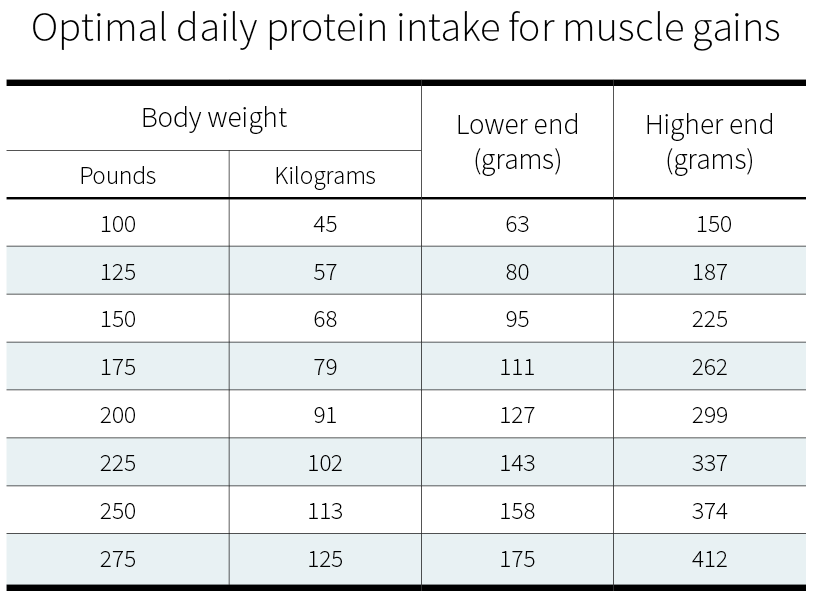
- Muscle Gain (Hypertrophy): Individuals aiming to build muscle mass typically require higher protein intake to support muscle protein synthesis. Algorithms adjust recommendations upwards, often to 1.6-2.2 grams per kilogram of body weight, or even higher in some cases.
- Weight Loss: During periods of caloric restriction, adequate protein intake is crucial for preserving lean muscle mass and promoting satiety. Tech tools will provide recommendations that prioritize protein to minimize muscle loss while in a deficit.
- Weight Maintenance: For maintaining current body composition and health, protein intake is calibrated to support daily physiological functions and activity without excessive surplus.
Considering Special Dietary Needs and Health Status
Advanced applications can also account for more specific scenarios:
- Pregnancy and Lactation: These stages demand increased protein to support fetal development and milk production.
- Recovery from Injury or Surgery: Higher protein intake can accelerate tissue repair and recovery.
- Vegetarian/Vegan Diets: While the total protein goal might remain similar, the tools can help ensure a balanced intake of essential amino acids from plant-based sources, often by suggesting a wider variety of plant proteins.
- Chronic Diseases: Certain conditions might necessitate modified protein intake, which some specialized apps or integrated platforms can consider with professional input.
Beyond Calculation: Integrating Tech for Holistic Protein Management
Calculating protein needs is merely the first step. The true power of technology lies in its ability to facilitate ongoing management, tracking, and adaptation. Modern tools extend their utility far beyond a one-time calculation, becoming indispensable companions in a continuous journey towards optimal nutrition.
Seamless Food Logging and Tracking
The most significant hurdle in dietary management has always been accurate and consistent tracking. Digital apps have revolutionized this with features like barcode scanning, voice input, and vast, searchable food databases. This makes logging meals and snacks quick and efficient, instantly updating protein totals and showing users how close they are to their daily targets. The visual feedback and real-time data empower users to make informed choices throughout the day, preventing under- or over-consumption.
Automated Meal Planning and Recipe Suggestions
Many sophisticated apps offer automated meal planning capabilities. Based on a user’s calculated protein needs and dietary preferences, these tools can generate personalized meal plans, complete with recipes and grocery lists. This removes the guesswork from meal preparation, ensuring that each meal contributes effectively to the daily protein target while also balancing other macronutrients and micronutrients. Some even adapt plans based on previous food logging, learning user preferences over time.
Performance Tracking and Feedback
For athletes and fitness enthusiasts, integrating protein intake with performance data is critical. Tech tools allow users to link their protein consumption to workout logs, body composition changes, and performance metrics (e.g., strength gains, endurance improvements). This comprehensive view helps identify correlations between protein intake and physical outcomes, providing valuable feedback that can inform future dietary adjustments. Consistent tracking allows the algorithms to learn and refine their recommendations, making them increasingly personalized and effective over time.
The Future of Personalized Protein: AI and Advanced Analytics
The technological frontier in nutrition is continually expanding, with artificial intelligence (AI) and advanced analytics poised to further revolutionize how we calculate and manage our protein needs. The next generation of tools promises even greater personalization, predictive capabilities, and seamless integration into daily life.
AI-Powered Recommendations
AI algorithms are becoming increasingly sophisticated, capable of analyzing not just current data but also historical patterns, behavioral trends, and even genetic predispositions. Future AI-driven nutrition platforms will offer hyper-personalized protein recommendations that adapt in real-time, considering factors like sleep quality, stress levels, gut microbiome data, and even individual food sensitivities or preferences. This predictive modeling will move beyond reactive adjustments to proactive dietary guidance.
Genomic Nutrition Integration
The ultimate personalization frontier is genomic nutrition. As direct-to-consumer genetic testing becomes more accessible, integrating this data into protein calculation tools will allow for recommendations based on an individual’s unique genetic makeup. Certain genetic variations can influence protein metabolism, nutrient absorption, and susceptibility to specific conditions. AI combined with genomic data could provide insights into optimal protein sources, timing, and quantities, offering an unprecedented level of dietary precision that addresses the body’s intrinsic needs at a molecular level.
Conclusion
Calculating how much protein you need is no longer a manual, error-prone task relegated to nutritionists or fitness experts. Thanks to advancements in technology, particularly in software, mobile applications, and AI, individuals are empowered with accessible, accurate, and highly personalized tools to manage their protein intake effectively. From basic online calculators to comprehensive apps that track, plan, and provide AI-driven insights, technology has transformed nutritional assessment from a one-size-fits-all approach to a dynamic, individualized journey. Embracing these digital solutions is not just about counting grams; it’s about optimizing health, enhancing performance, and unlocking a deeper understanding of our body’s unique requirements, paving the way for a healthier, more precisely nourished future.
aViewFromTheCave is a participant in the Amazon Services LLC Associates Program, an affiliate advertising program designed to provide a means for sites to earn advertising fees by advertising and linking to Amazon.com. Amazon, the Amazon logo, AmazonSupply, and the AmazonSupply logo are trademarks of Amazon.com, Inc. or its affiliates. As an Amazon Associate we earn affiliate commissions from qualifying purchases.