
In the competitive landscape of commercial aviation, a brand’s reputation is its most valuable commodity. While airlines often differentiate themselves through price, service, routes, or loyalty programs, there’s one fundamental attribute that transcends all others in the minds of consumers: safety. For a brand like Spirit Airlines, often associated with its ultra-low-cost model and no-frills experience, the question “how safe is Spirit Airlines?” cuts to the very core of its brand identity and operational integrity. This isn’t just a technical inquiry; it’s a profound examination of how a brand manages public perception, navigates stringent regulatory environments, and consistently delivers on its most vital promise to customers.

The perception of safety directly impacts a brand’s trust, market share, and long-term viability. For Spirit, a carrier that deliberately opts for a distinct market position, understanding and communicating its safety record is paramount to ensuring that its value proposition doesn’t inadvertently erode consumer confidence. This article delves into the multi-faceted relationship between an airline’s operational safety and its brand, exploring how regulatory frameworks, data, maintenance practices, and pilot training all contribute to the overarching narrative of safety that defines an airline’s brand.
The Unseen Foundation: Safety as the Bedrock of Airline Brand Trust
Safety isn’t merely a checkbox requirement; it is the non-negotiable bedrock upon which every airline brand is built. For passengers, the decision to fly with a particular carrier implicitly involves an act of trust, a belief that the airline will transport them securely from one point to another. This trust is the most critical component of an airline’s brand equity, influencing everything from booking decisions to customer loyalty and even stock market performance.
Beyond Fares: Why Safety Outranks All Other Brand Attributes
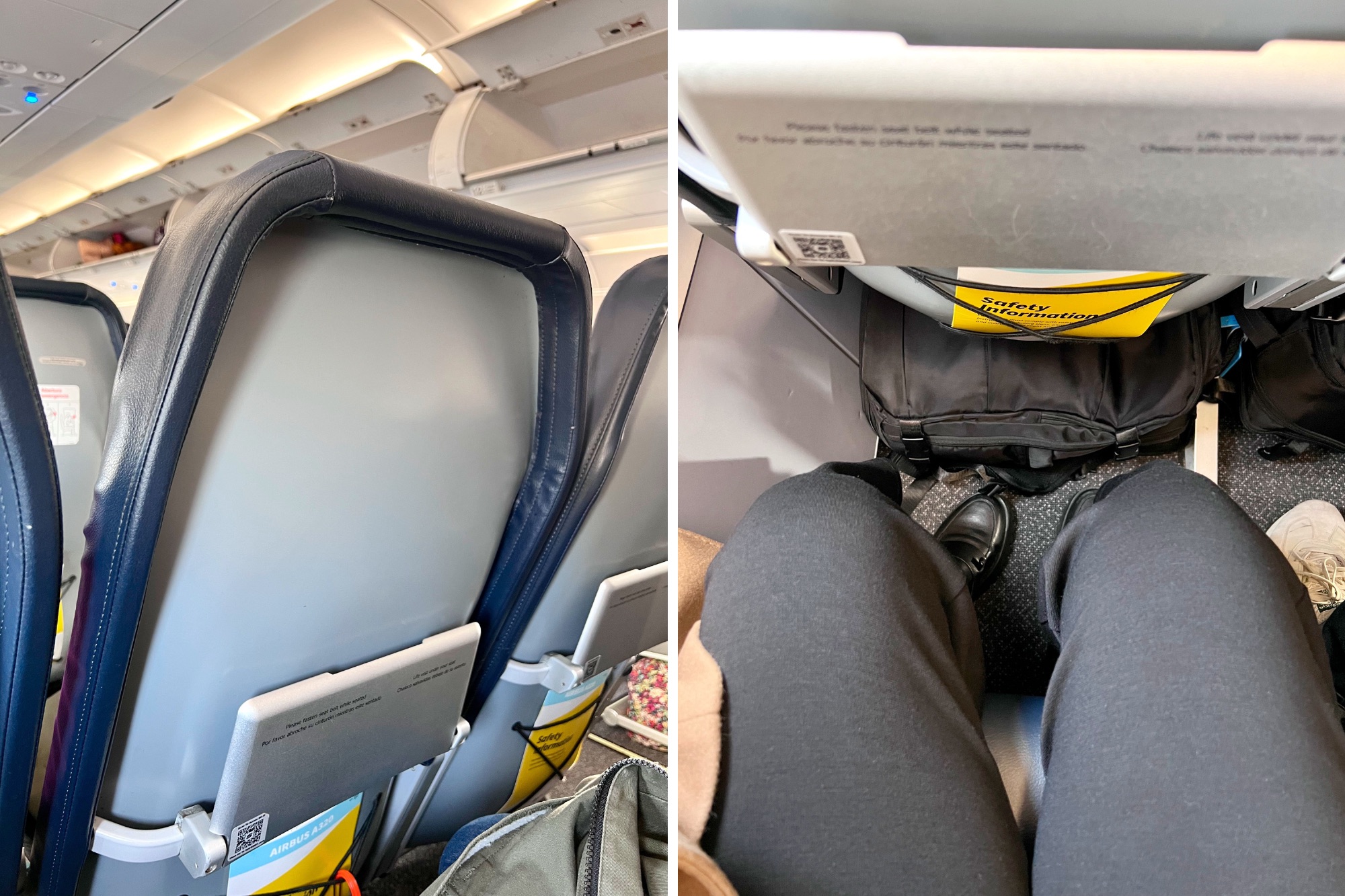
While Spirit Airlines’ brand strategy heavily leans on affordability and competitive pricing, it’s crucial to recognize that these attributes become entirely irrelevant without the assurance of safety. A consumer might tolerate a smaller seat, fewer amenities, or extra fees for baggage, but they will never compromise on safety. In fact, a brand that appears to cut corners on safety, even if it’s unfounded speculation, faces an insurmountable challenge in winning over passengers. For Spirit, therefore, proactively demonstrating its commitment to safety isn’t just good practice; it’s existential. It’s about ensuring that the brand narrative of “low cost” is never conflated with “low safety,” a distinction vital for its enduring appeal and market position. The brand must consistently communicate that while the frills may be optional, safety is always standard.
Regulatory Guardians: The FAA’s Role in Upholding Brand Integrity Across the Industry
In the United States, the brand integrity of every airline, including Spirit, is underwritten by the rigorous oversight of the Federal Aviation Administration (FAA) and the National Transportation Safety Board (NTSB). These agencies serve as the ultimate guardians of aviation safety, imposing incredibly strict standards for aircraft design, manufacturing, maintenance, pilot training, and operational procedures. For an airline, adherence to these regulations isn’t just a legal obligation; it’s a fundamental aspect of its brand promise.
The FAA’s mandate ensures a standardized baseline of safety across all certified carriers, regardless of their business model. This means that a carrier like Spirit Airlines is subject to the exact same stringent regulations, inspections, and audit processes as larger, full-service airlines. This regulatory uniformity is a powerful, albeit often unstated, reassurance for consumers. It implies that while customer service or cabin comfort might vary dramatically between brands, the underlying safety framework does not. For Spirit, leveraging this fact—that it operates within the same gold-standard regulatory environment as every other major U.S. carrier—is a key element in reinforcing its safety brand.
The Silent Promise: How Safety Builds Long-Term Brand Equity
Unlike flashy marketing campaigns or innovative new services, safety builds brand equity in a quiet, cumulative manner. It’s the absence of incidents, the diligent adherence to protocols, and the continuous investment in operational excellence that, over time, fosters deep-seated trust. For Spirit Airlines, this means consistently upholding its safety record year after year, reinforcing the message that its low fares do not come at the expense of passenger well-being. This sustained performance contributes to a robust brand reputation, one that is resilient to fleeting negative perceptions and able to withstand the scrutiny that often accompanies a high-profile, high-volume operation. The “silent promise” of safety is the most powerful differentiator in an industry where negative incidents can irrevocably damage a brand overnight.
Navigating Perception vs. Reality: Spirit’s Brand and the Safety Narrative
The perception of an airline’s safety can often diverge significantly from its actual operational record, particularly for brands like Spirit that operate with a distinctive business model. Public opinion can be swayed by anecdotal evidence, media sensationalism, or a general distrust of “cheap” options, creating a challenging brand narrative to manage. For Spirit, understanding and actively shaping this narrative is a critical brand strategy.
The Low-Cost Carrier Dilemma: Battling Brand Stereotypes with Operational Excellence
Low-cost carriers (LCCs) frequently face a branding challenge where their affordability is, paradoxically, misconstrued as an indicator of compromised quality or safety. The implicit assumption for some consumers is that “you get what you pay for,” leading them to believe that cheaper flights must equate to corners being cut in critical areas. Spirit Airlines, as a prominent LCC, is often at the forefront of this stereotype.
However, the reality in aviation is starkly different. As established, regulatory bodies ensure a consistent baseline of safety for all airlines. LCCs achieve their cost efficiencies not by sacrificing safety standards, but by streamlining operations, maximizing aircraft utilization, optimizing routes, and offering unbundled services. For Spirit’s brand, effectively communicating this distinction is vital. It requires a strategic emphasis on its operational excellence – its state-of-the-art maintenance facilities, its highly trained personnel, and its modern fleet – to dismantle the misconception that its economic model implies a compromise on safety. The brand’s messaging must consistently reinforce that “value” and “safety” are not mutually exclusive, but rather complementary aspects of its offering.
Data-Driven Credibility: Using Safety Statistics to Bolster Brand Reputation
In an era of information overload, objective data stands as a powerful tool for brand credibility. When addressing the question of safety, relying on quantifiable statistics is far more impactful than subjective assertions. For Spirit Airlines, this means actively referencing its safety record, incident rates, and compliance history, ideally benchmarking against industry averages or other major carriers.
When viewed through official FAA and NTSB data, the safety record of major U.S. airlines, including Spirit, is remarkably consistent and exceptionally high. Fatal accidents involving commercial passenger jets in the U.S. are extraordinarily rare occurrences. Spirit, like its counterparts, operates within these incredibly tight safety parameters. A brand strategy focused on safety would highlight these facts, perhaps by:
- Showcasing incident rates: Explaining what constitutes a reportable incident (e.g., bird strikes, minor mechanical issues leading to diversions) and how these are meticulously tracked and analyzed, but rarely represent systemic safety failures.
- Contextualizing data: Emphasizing that millions of flights occur annually with an overwhelming safety success rate.
- Transparency: Making safety reports or regulatory compliance information accessible or referenced through official channels.
By grounding its safety narrative in verifiable data, Spirit can effectively counter emotional or anecdotal biases, strengthening its brand reputation as a safe and reliable carrier.
Incident Management: Protecting Brand Image During Operational Challenges
No airline, regardless of its safety record, is immune to operational challenges. Mechanical issues, weather delays, or other unforeseen circumstances can lead to diversions, cancellations, or delays. While these events are often routine in aviation and rarely indicate a systemic safety problem, they can be perceived negatively by the public and potentially damage brand image if not managed effectively.
For Spirit Airlines, a robust incident management and communication strategy is crucial for brand protection. When an aircraft has a mechanical issue requiring a diversion, for example, the focus must be on transparently communicating that the incident reflects a safety system working as intended – a precautionary landing to address a minor issue, rather than a failure of safety. Swift, clear, and empathetic communication during such times can reinforce the brand’s commitment to passenger safety and well-being, even when plans go awry. Ignoring or mishandling these communications can allow speculation to fester, creating unnecessary brand damage. This involves proactive media relations, consistent messaging across all customer touchpoints, and a demonstrated commitment to passenger comfort and resolution after the safety issue has been addressed.
Operational Pillars: How Spirit’s Practices Reinforce Its Safety Brand
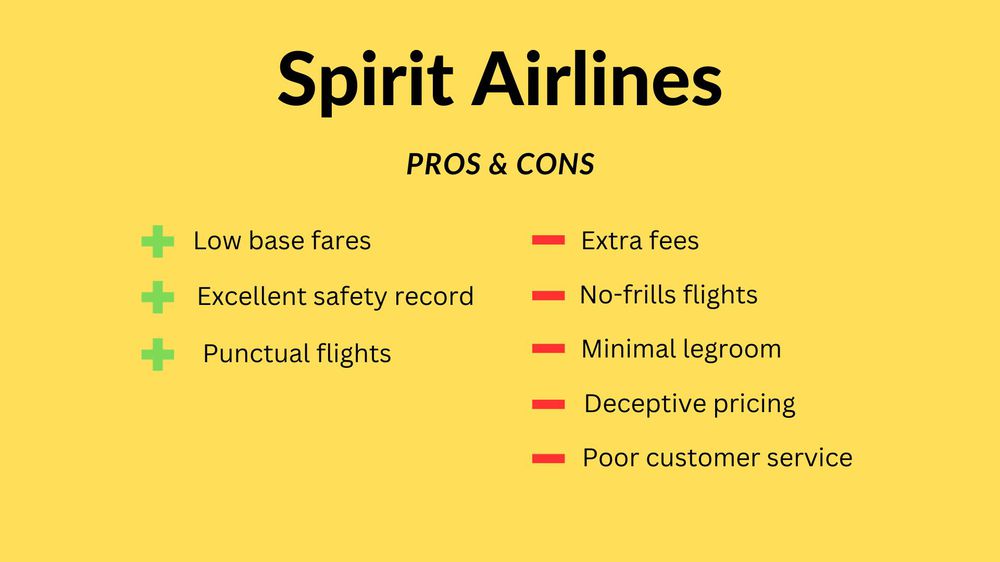
Beyond regulatory compliance and public relations, an airline’s safety brand is ultimately forged in its day-to-day operations. The practical application of rigorous standards in maintenance, pilot training, and fleet management are the tangible expressions of a brand’s commitment to safety. For Spirit Airlines, these operational pillars are not just about keeping planes in the air; they are about continually reinforcing its most critical brand promise.
Meticulous Maintenance: The Backbone of an Airline’s Safety Promise
Aircraft maintenance is arguably the single most important operational aspect safeguarding an airline’s brand promise of safety. Every commercial aircraft, including those in Spirit’s fleet, adheres to incredibly strict maintenance schedules mandated by manufacturers and overseen by the FAA. These schedules involve multi-tiered inspections:
- Line Maintenance: Daily checks and minor repairs performed at airports.
- A-Checks: More detailed inspections every 400-600 flight hours.
- C-Checks: Extensive inspections and component replacements every 18-24 months.
- D-Checks: Major overhaul, practically disassembling and inspecting the entire aircraft, every 6-10 years.
Spirit Airlines, like all U.S. carriers, operates highly sophisticated maintenance facilities staffed by certified aircraft mechanics who are meticulously trained and regularly audited. The brand’s safety relies on these professionals detecting and rectifying any potential issues long before they become critical. Investment in advanced diagnostic tools, training programs, and the strategic scheduling of maintenance are direct contributions to Spirit’s safety brand. Highlighting these investments and the rigor of its maintenance protocols can powerfully communicate the brand’s unwavering commitment to operational safety, dispelling any notion that cost-efficiency comes at the expense of aircraft integrity.
Pilot Proficiency: Safeguarding the Brand Through Rigorous Training Standards
The pilots at the controls of Spirit Airlines’ aircraft are another fundamental pillar of its safety brand. Commercial pilots in the U.S. undergo extensive training, certification, and continuous evaluation processes that are among the most stringent in the world. This includes:
- Initial Training: Comprehensive instruction in aerodynamics, navigation, meteorology, and emergency procedures.
- Type Ratings: Specific training for each aircraft model (e.g., Airbus A320 family for Spirit).
- Simulator Training: Regular, often semi-annual, sessions in full-motion flight simulators to practice routine and emergency procedures in a controlled environment.
- Check Rides: Periodic evaluations by FAA-certified examiners.
Spirit’s brand assurance relies heavily on the professionalism, experience, and continuous proficiency of its flight crews. The airline invests significantly in these training programs, ensuring its pilots are not only compliant with regulations but excel in their roles. By emphasizing the caliber of its pilots and the relentless commitment to their ongoing training, Spirit can enhance public confidence and reinforce its image as a brand that prioritizes human expertise as much as technological reliability in ensuring passenger safety.
Fleet Modernization: Investing in Technology for a Stronger Safety Profile
The age and type of an airline’s fleet also contribute significantly to its safety profile and, by extension, its brand image. Newer aircraft generally incorporate the latest advancements in avionics, safety systems, and fuel efficiency. Spirit Airlines primarily operates a modern fleet of Airbus A320 family aircraft.
The use of newer aircraft provides several brand advantages:
- Enhanced Safety Features: Modern planes come equipped with advanced navigation, communication, and safety systems, including sophisticated auto-flight capabilities, collision avoidance systems, and weather radar.
- Reliability: Newer aircraft, being less prone to mechanical fatigue, often experience fewer unscheduled maintenance events or minor operational issues, contributing to on-time performance and a smoother customer experience.
- Brand Perception: A modern fleet signals an airline’s commitment to ongoing investment in its operations and passenger well-being. It helps counter any lingering perception that a low-cost model might rely on older, less reliable equipment.
By investing in and consistently updating its fleet, Spirit Airlines reinforces its brand’s commitment to safety through technological excellence. This strategic decision contributes to both operational reliability and the positive perception of its brand as a forward-thinking, safety-conscious carrier.
The Brand Impact of Safety: Mitigating Risk and Building Resilience
The diligent pursuit of safety in all operational aspects culminates in a more resilient and trustworthy airline brand. The brand impact of safety extends beyond immediate flight operations; it influences crisis communication, customer confidence, and the long-term health of the company’s public image. For Spirit Airlines, cultivating a robust safety brand is a strategic imperative for mitigating risks and building lasting brand equity.
Crisis Communication: Proactive Strategies for Brand Protection
In the event of any significant incident—even a non-fatal one that garners media attention—an airline’s crisis communication strategy becomes the frontline of its brand protection. For Spirit, having a clear, transparent, and prompt communication plan is essential. This includes:
- Fact-Based Messaging: Providing accurate information quickly to prevent speculation from taking hold.
- Empathy and Assurance: Expressing concern for passengers and reaffirming commitment to safety.
- Regulatory Alignment: Collaborating closely with the FAA and NTSB, ensuring all communications are consistent with official investigations.
- Multi-Channel Approach: Disseminating information across all relevant platforms (press releases, social media, customer service).
A well-executed crisis communication plan can demonstrate the brand’s responsibility and transparency, potentially mitigating long-term damage to its reputation. Conversely, poor communication can exacerbate public fear and significantly erode brand trust. For Spirit, which faces intense scrutiny due to its high visibility and market position, this proactive approach to brand protection is non-negotiable.
Customer Confidence: Turning Safety Performance into a Brand Advantage
Ultimately, the goal of all safety efforts is to build and maintain customer confidence. When passengers feel safe, they are more likely to become repeat customers, recommend the airline to others, and exhibit loyalty. For Spirit Airlines, successfully communicating its strong safety record can turn this critical operational performance into a tangible brand advantage.
This isn’t about bragging; it’s about reassurance. It involves subtly reinforcing the brand’s commitment to safety in marketing materials (where appropriate), in on-board messaging, and through the consistent professionalism of its crew. When a brand like Spirit can effectively convey that its low fares do not compromise the highest safety standards, it creates a powerful value proposition that differentiates it even within the competitive LCC segment. This fosters a sense of security that underpins all other customer service interactions and contributes directly to brand affinity.
Long-Term Brand Health: The Cost of Compromise vs. the Value of Vigilance
The long-term health of an airline’s brand is inextricably linked to its unwavering commitment to safety. The consequences of compromising safety, even perceived compromise, are catastrophic for a brand—leading to immediate drops in passenger numbers, investor confidence, and potentially insurmountable reputational damage. The economic and reputational costs associated with a serious safety incident far outweigh any theoretical savings from cutting corners.
For Spirit Airlines, therefore, the vigilance required to maintain its safety record is not merely an expense; it is a critical investment in its brand’s future. It’s an investment in the trust of its customers, the morale of its employees, and its continued license to operate. By consistently prioritizing safety, from the flight deck to the maintenance hangar, Spirit reinforces a brand identity that is not just about affordability, but fundamentally about reliability and passenger well-being, securing its position in the competitive aviation market for years to come.
Conclusion: Spirit Airlines and the Non-Negotiable Imperative of Safety Branding
The question “how safe is Spirit Airlines?” leads to a profound understanding of how operational excellence in safety is inextricably linked to the strength and resilience of an airline’s brand. Far from being a mere technical detail, safety is the ultimate determinant of an airline’s trustworthiness, its public perception, and its long-term viability in a highly regulated industry. For Spirit Airlines, like all U.S. carriers, operating within the rigorous framework set by the FAA and NTSB ensures a foundational level of safety that is among the highest globally.
Spirit’s brand strategy, while centered on affordability, must consistently reinforce that its commitment to safety is absolute and non-negotiable. This involves transparently communicating its adherence to meticulous maintenance schedules, highlighting the exceptional training and proficiency of its pilots, and showcasing its modern, reliable fleet. By strategically managing the public narrative, utilizing data-driven credibility, and executing robust crisis communication, Spirit can effectively bridge the gap between perception and reality, ensuring that its low-cost model is never misconstrued as a compromise on safety. Ultimately, for any airline, but particularly for a brand as distinctive as Spirit, a relentless focus on operational safety isn’t just a requirement; it is the most critical asset in building enduring brand trust and securing its future in the skies.
aViewFromTheCave is a participant in the Amazon Services LLC Associates Program, an affiliate advertising program designed to provide a means for sites to earn advertising fees by advertising and linking to Amazon.com. Amazon, the Amazon logo, AmazonSupply, and the AmazonSupply logo are trademarks of Amazon.com, Inc. or its affiliates. As an Amazon Associate we earn affiliate commissions from qualifying purchases.