
In the vast and intricate world of financial markets, clarity and precision are paramount. Every asset, from a share of a multinational corporation to a specialized exchange-traded fund, needs a unique identifier to facilitate trading, analysis, and communication. This essential identifier is known as the stock symbol, often interchangeably referred to as a ticker symbol. Far more than just an arbitrary string of letters, a stock symbol is the very shorthand of the investment universe, an alphanumeric code that instantaneously points to a specific publicly traded security on a particular stock exchange. For both seasoned investors and curious newcomers, understanding what a stock symbol is, how it works, and why it’s critical is a foundational step toward navigating the complexities of personal finance and investing.
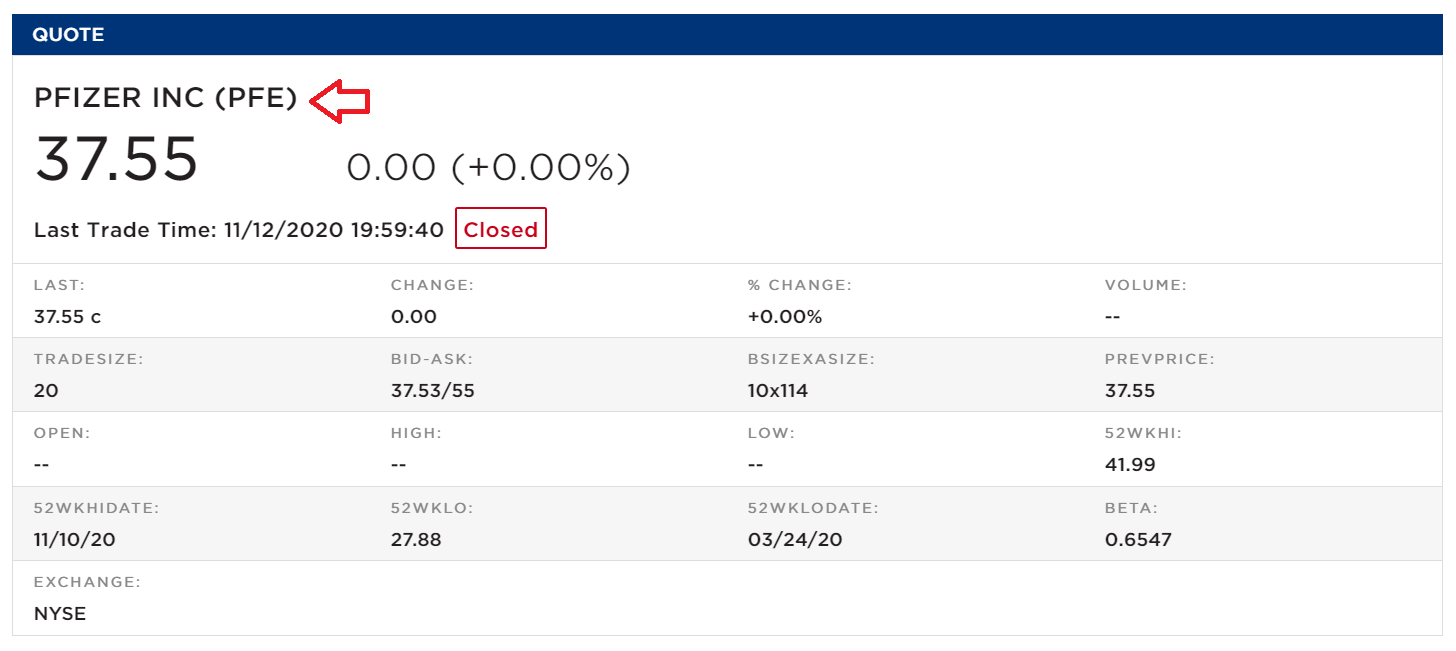
At its core, a stock symbol is a concise, unique identifier used to represent a company’s stock on a particular stock exchange. Think of it as a financial fingerprint – a distinct mark that ensures you’re buying or tracking the precise security you intend to. Without these symbols, the sheer volume of transactions and the diversity of listed companies would create an unmanageable level of chaos, making it nearly impossible to differentiate between various corporate entities, let alone execute trades with accuracy. This article delves into the indispensable role of stock symbols, their structure, how they are utilized, and why they are an essential tool for anyone engaged with the capital markets.
The Unseen Language of Financial Markets
The daily ebb and flow of global stock markets are driven by billions of transactions, all predicated on the ability to swiftly and accurately identify specific financial instruments. Stock symbols serve as the backbone of this efficiency, providing a universal, albeit exchange-specific, language that traders, investors, news outlets, and financial platforms use to communicate about securities. They are the silent workhorses that enable real-time data dissemination, order execution, and portfolio tracking.
Decoding Ticker Symbols: More Than Just Letters
While often appearing as simple abbreviations, ticker symbols are carefully assigned and regulated. Their primary function is instant recognition. Imagine trying to search for “Apple Inc.” every time you wanted to check its stock price or place a trade. Not only would this be time-consuming, but multiple companies might share similar names, leading to confusion. Instead, “AAPL” instantly and unambiguously refers to Apple Inc. on U.S. exchanges.
These symbols typically consist of one to five uppercase letters, though some international markets or specific types of securities might incorporate numbers or additional characters. The length and composition often provide clues about the exchange on which the stock is traded. For instance, single-letter symbols like “F” (Ford) or “T” (AT&T) are usually reserved for long-established companies on major exchanges like the New York Stock Exchange (NYSE), while symbols with four or five letters, especially those ending in a specific letter (e.g., .O for NASDAQ on some international feeds), are more common on the NASDAQ. This standardization, though varying slightly by region, ensures clarity across trading platforms and financial news services.
The Fundamental Role in Trading and Investment
The utility of stock symbols extends far beyond mere identification. They are integral to virtually every aspect of modern investing:
- Order Placement: When you instruct a broker to buy or sell shares, you provide the stock symbol, ensuring the correct security is targeted.
- Market Data: Financial news wires, stock market apps, and trading terminals display prices, volumes, and other metrics using ticker symbols.
- Research and Analysis: Fundamental and technical analysis tools rely on symbols to pull up historical data, financial statements, and charting information for specific companies.
- Portfolio Management: Investment portfolios are tracked and reported using the symbols of the underlying holdings, simplifying performance analysis.
- Regulatory Reporting: Financial institutions and regulators use symbols to monitor market activity, enforce compliance, and maintain transparency.
Without this standardized system, the seamless, high-speed operation of global financial markets would grind to a halt. The ticker symbol is truly the unseen language that makes modern investing possible, allowing for precision and speed in an environment where every second can count.
Anatomy of a Ticker Symbol: Structure and Significance
The seemingly simple string of characters that forms a stock symbol actually carries a surprising amount of information and adheres to specific structural conventions. Understanding these nuances can provide investors with immediate insights, even before delving into a company’s financials.
Common Formats and Exchange Conventions
The structure of a ticker symbol is largely dictated by the exchange where the security is listed. In the United States, the two primary exchanges, the NYSE and NASDAQ, have slightly different conventions:
- NYSE (New York Stock Exchange): Historically known for shorter symbols, often one, two, or three letters. Examples include GM (General Motors), BA (Boeing), JPM (JPMorgan Chase). While newer listings might have four letters, the brevity often signals a long-standing presence on the “Big Board.”
- NASDAQ (National Association of Securities Dealers Automated Quotations): Predominantly features four-letter symbols for common stocks. Examples include MSFT (Microsoft), GOOGL (Alphabet Class A), TSLA (Tesla). Prior to 2007, a fifth letter was sometimes used to indicate the type of security (e.g., “Q” for bankruptcy, “Y” for ADR), but these have mostly been phased out or standardized.
Beyond the U.S., other global exchanges have their own systems. The London Stock Exchange (LSE) often uses three-letter codes (e.g., VOD for Vodafone), while the Toronto Stock Exchange (TSX) typically uses two or three letters. The key takeaway is that a symbol’s format can often hint at its primary listing venue.
Differentiating Companies and Securities
The paramount function of a stock symbol is uniqueness. Each publicly traded company’s common stock on a given exchange will have a distinct symbol. This prevents any ambiguity when placing orders or researching. However, a single company might issue different types of securities, each warranting its own unique identifier.
For example, a company might issue two classes of common stock: Class A with voting rights and Class B without, or with different voting structures. Alphabet Inc., the parent company of Google, provides a classic example with GOOGL for its Class A shares (with voting rights) and GOOG for its Class C shares (non-voting). While both are shares of the same underlying company, their distinct symbols accurately reflect their different characteristics and market behavior. This distinction is crucial for investors who prioritize voting power or specific share characteristics.
Special Suffixes and Their Meanings
While common stocks typically adhere to straightforward alphanumeric symbols, various suffixes or preceding characters can be appended to indicate specific types of securities or corporate actions. These are more common on certain international exchanges or for specialized financial instruments. Examples include:
- Warrants (WT): Gives the holder the right, but not the obligation, to purchase a company’s stock at a predetermined price before a specified expiration date.
- Preferred Stocks (PR): Often indicated by suffixes like ‘P’ or ‘PR’. These shares typically pay fixed dividends and have priority over common stocks in dividend payments and liquidation, but usually lack voting rights.
- American Depositary Receipts (ADRs): For foreign companies listed on U.S. exchanges, ADRs allow U.S. investors to buy shares of non-U.S. companies. Their symbols often include a ‘Y’ at the end (e.g., BABA for Alibaba Group Holding Ltd. ADR).
- Rights (RT): Allow existing shareholders to purchase additional shares, usually at a discount, often to maintain their proportional ownership in the company.
- Delisted or Bankrupt (Q): Historically, a ‘Q’ suffix on NASDAQ indicated a company in bankruptcy proceedings or that had been delisted. While less common now with updated conventions, understanding past practices highlights the informative nature of these symbols.
These suffixes act as miniature flags, immediately informing an investor about the nature of the security beyond just the company name, providing a layer of critical information at a glance.
Why Stock Symbols are Indispensable for Investors
For investors, stock symbols are far more than mere labels; they are critical tools that streamline every aspect of their market engagement. From initial research to the final execution of a trade and ongoing portfolio management, symbols underpin efficiency and accuracy, minimizing the potential for costly errors.
Streamlining Research and Analysis
Imagine trying to conduct due diligence on a company if you could only search by its full legal name. The possibility of typos, multiple entities with similar names, or simply the time spent typing would make comprehensive research laborious. Stock symbols condense all this information into a succinct, memorable code:
- Quick Data Retrieval: Typing “AAPL” into any financial news portal, brokerage platform, or data provider instantly pulls up all relevant information for Apple Inc.: current price, historical charts, news articles, financial statements, analyst ratings, and more.
- Comparative Analysis: Investors often compare companies within the same industry (e.g., comparing TSLA with F or GM in the automotive sector). Symbols make it easy to juxtapose charts, key metrics, and news for multiple competitors simultaneously.
- Screening and Filtering: Investment screeners, which help investors find companies based on specific criteria (e.g., market cap, P/E ratio, dividend yield), rely on symbols to categorize and present results efficiently.
This streamlined access to information empowers investors to make informed decisions rapidly, which is crucial in fast-moving markets.
Executing Trades with Precision
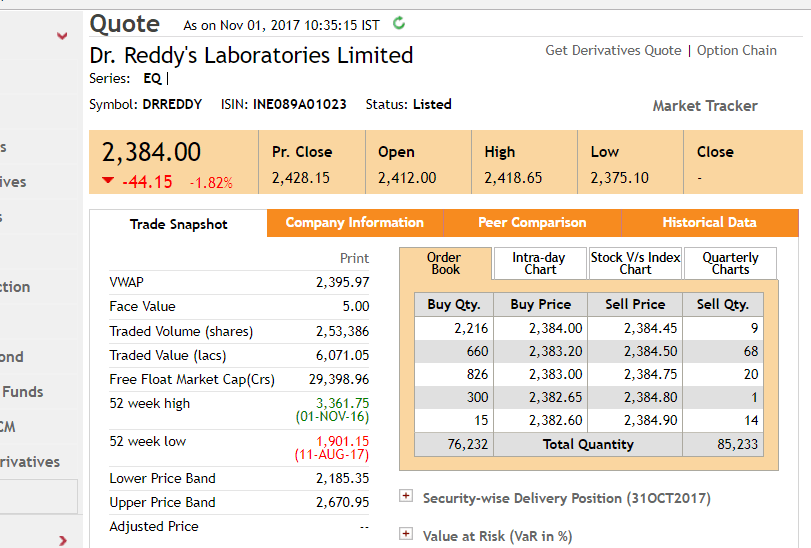
The most direct and critical application of a stock symbol is in the execution of trades. When an investor decides to buy or sell shares, they place an order with their brokerage. This order explicitly includes the stock symbol, along with the quantity of shares and the price conditions (e.g., market order, limit order).
- Eliminating Ambiguity: The unique nature of a stock symbol ensures that the investor is buying or selling the exact security intended. This prevents errors that could arise from similar company names or different classes of shares. A mistake here could lead to significant financial loss.
- Speed and Accuracy: In high-frequency trading or during periods of market volatility, seconds can translate into substantial differences in execution prices. Inputting a concise symbol is much faster and less prone to error than typing out a full company name, facilitating rapid order placement and confirmation.
- Automated Trading: Algorithmic trading systems and automated investment platforms are built around stock symbols, which serve as the primary identifiers for executing pre-programmed strategies based on market data.
Tracking Performance and Portfolio Management
Once investments are made, stock symbols remain indispensable for monitoring their performance and managing the overall portfolio.
- Real-time Monitoring: Portfolio tracking apps and brokerage dashboards use symbols to display the current value, daily changes, and overall gains or losses for each holding. Investors can quickly glance at their portfolio and get an immediate sense of its health.
- Reporting and Analysis: When generating performance reports, calculating returns, or analyzing asset allocation, stock symbols provide the clear identifiers needed to aggregate and disaggregate data effectively.
- Risk Management: Identifying specific symbols that are underperforming or exceeding expectations allows investors to make timely decisions about rebalancing, hedging, or liquidating positions, thus actively managing their risk exposure.
In essence, stock symbols are the bedrock of an organized and effective investment strategy, allowing investors to move from analysis to action with confidence and control.
Navigating the Market: How to Find and Utilize Stock Symbols
For new investors or those researching unfamiliar companies, locating the correct stock symbol is a fundamental first step. Fortunately, resources for this are abundant and easily accessible.
Reliable Sources for Ticker Lookups
Several reliable platforms and tools exist for finding stock symbols:
- Financial News Websites: Major financial news outlets like Bloomberg, Reuters, The Wall Street Journal, Yahoo Finance, and Google Finance all offer search functions where you can type in a company’s name and retrieve its symbol, along with comprehensive market data.
- Brokerage Platforms: Your online brokerage account (e.g., Fidelity, Charles Schwab, Robinhood, Interactive Brokers) will have a search bar that allows you to find symbols for companies you are interested in trading or researching. This is often the most direct route for investors.
- Stock Exchange Websites: The official websites of stock exchanges (e.g., NYSE.com, NASDAQ.com, LSE.com) typically provide search tools and listings of all securities traded on their respective platforms. This is often the authoritative source.
- Regulatory Filings (SEC EDGAR): For U.S.-listed companies, the Securities and Exchange Commission’s EDGAR database allows you to search for public company filings. While not a primary ticker lookup, it will include the ticker symbol as part of the company’s official information.
When using these resources, always double-check the company’s full name and exchange to ensure you have the correct symbol, especially if multiple companies share similar names or have different share classes.
Understanding Global Market Variations
While the concept of a stock symbol is universal, the specific symbols and conventions can vary significantly between different countries and their respective exchanges.
- Exchange-Specific Symbols: A company might be dual-listed on multiple exchanges, and its symbol could be different on each. For example, Royal Dutch Shell plc might trade as “SHEL” on the NYSE and “SHEL.L” on the London Stock Exchange (LSE). It’s crucial to specify the exchange when looking up or trading international stocks.
- Currency and Market Hours: Along with differing symbols, global markets operate in different currencies and time zones. An investor buying a stock on a foreign exchange needs to be aware of currency conversion implications and when that market is open for trading.
- Local Regulations: Different countries have varying regulatory frameworks that can affect how stocks are identified and traded. Understanding these differences is key for international investors.
For investors focusing solely on their domestic market, these variations might seem less relevant, but for those with global portfolios or aspirations, appreciating these differences is essential for accurate market engagement.
Staying Informed: Symbol Changes and Delistings
Stock symbols are not set in stone; they can change for various reasons, and companies can be delisted from exchanges. Staying informed about these changes is crucial to avoid confusion and ensure continuity in tracking investments.
- Corporate Actions: Mergers, acquisitions, spin-offs, name changes, or reorganizations often lead to a change in a company’s stock symbol. For example, if two companies merge, the new entity might adopt a completely new symbol, or one company might absorb the other’s symbol.
- Reverse Stock Splits: While not changing the symbol itself, a reverse stock split reduces the number of outstanding shares and increases the price per share, which can sometimes lead to a company moving to a different exchange if it was delisting due to low share price.
- Delistings: Companies can be delisted from an exchange voluntarily (e.g., going private) or involuntarily (e.g., failing to meet listing requirements, bankruptcy). When a stock is delisted, its symbol ceases to be actively traded on that exchange, though it might move to over-the-counter (OTC) markets.
- Re-listings: Conversely, a delisted company might resolve its issues or restructure and eventually re-list on an exchange under a new or old symbol.
Financial news services, brokerage alerts, and official company announcements are the best sources for staying updated on any changes to stock symbols. Prompt awareness helps investors adjust their tracking and trading strategies accordingly, preventing potential missteps.
Beyond the Basics: Advanced Insights into Ticker Dynamics
While the fundamental purpose of stock symbols is practical, their selection and evolution can sometimes offer deeper insights into corporate strategy, market psychology, and the changing landscape of financial markets.
The Psychology Behind Memorable Tickers
Companies often invest thought into selecting their stock symbols, particularly when going public or undergoing a significant rebrand. A well-chosen symbol can be:
- Memorable and Catchy: Easier for investors to remember and associate with the brand (e.g., SBUX for Starbucks, NFLX for Netflix).
- Reflective of Identity: Directly linked to the company’s name or core product (e.g., KO for Coca-Cola, MCD for McDonald’s).
- Unique and Evocative: Standing out in a crowded market, creating instant recognition.
The choice of a symbol can sometimes influence investor perception, even subconsciously, making it a subtle element of corporate identity within the financial sphere. A poorly chosen or confusing symbol, conversely, might create unnecessary friction for potential investors.
Impact of Corporate Actions on Symbols
Corporate actions are major events that often necessitate symbol changes, offering a historical record of a company’s journey:
- Mergers & Acquisitions: When two companies merge, the combined entity might adopt a new symbol to represent its unified identity, or one company’s symbol might be retired in favor of the acquiring company’s. This acts as a marker of significant corporate restructuring.
- Spin-offs: When a large company spins off a subsidiary into an independent public company, the new entity will receive its own distinct stock symbol, signifying its new, separate listing status. This allows investors to trade the parent and the spun-off entity separately.
- Company Name Changes: A company might change its name for strategic reasons, leading to a corresponding change in its stock symbol. For example, Philip Morris Companies Inc. changed its name to Altria Group Inc. and its symbol from “MO” to “MO” (remained the same symbol in this case, but it’s a good example where it could change). Another example is when Google reorganized into Alphabet Inc., resulting in the introduction of GOOGL and GOOG.
These changes are not just administrative tasks; they reflect fundamental shifts in a company’s structure, strategy, and market positioning, all neatly encapsulated by the evolution of its ticker symbol.

The Future of Identification in Digital Asset Markets
While stock symbols primarily pertain to traditional equities, the rise of digital assets and cryptocurrencies introduces new paradigms for asset identification. Cryptocurrencies often have their own unique “ticker symbols” (e.g., BTC for Bitcoin, ETH for Ethereum) which, much like stock symbols, serve to identify them on exchanges and data platforms. While the underlying technology and regulatory frameworks differ significantly, the fundamental need for a concise, unique identifier remains constant. As the financial world continues to evolve, the principles behind stock symbols—clarity, uniqueness, and efficiency in identification—will undoubtedly continue to shape how all forms of assets are traded and understood.
In conclusion, the stock symbol, though a seemingly small detail, is a colossal facilitator in the world of finance. It is the efficient shorthand that allows for billions of transactions, critical research, and seamless portfolio management every single day. For any individual looking to engage with the stock market, understanding and correctly utilizing these symbols is not merely helpful; it is absolutely essential to navigating the intricate currents of investing with confidence and precision.
aViewFromTheCave is a participant in the Amazon Services LLC Associates Program, an affiliate advertising program designed to provide a means for sites to earn advertising fees by advertising and linking to Amazon.com. Amazon, the Amazon logo, AmazonSupply, and the AmazonSupply logo are trademarks of Amazon.com, Inc. or its affiliates. As an Amazon Associate we earn affiliate commissions from qualifying purchases.