
Securing a business loan is often a pivotal step for entrepreneurs, whether they’re launching a startup, expanding an existing operation, or navigating challenging financial waters. However, the path to approval can seem complex and daunting without a clear understanding of what lenders require. This comprehensive guide will demystify the process, outlining the essential elements you need to prepare to successfully acquire the funding your business needs.
Navigating the Business Loan Landscape: Understanding Your Options
Before you even begin compiling documents, it’s crucial to understand the diverse world of business loans. Not all loans are created equal, and the “best” option depends heavily on your specific business needs, stage, and financial health.
Traditional Bank Loans vs. Alternative Lenders
The lending environment has evolved significantly, offering more choices than ever before.
- Traditional Bank Loans: These typically include SBA loans (backed by the Small Business Administration, offering favorable terms), term loans (a lump sum repaid over a fixed period with interest), and lines of credit (flexible access to funds up to a certain limit, repaid and re-borrowed). Banks generally offer lower interest rates but have stricter eligibility criteria, require extensive documentation, and can have longer approval times.
- Alternative Lenders: This category encompasses online lenders, community development financial institutions (CDFIs), and peer-to-peer lending platforms. They offer solutions like merchant cash advances (repaid as a percentage of daily credit card sales), equipment financing (loans specifically for purchasing machinery or equipment), and short-term loans. Alternative lenders often provide faster access to capital with more flexible requirements, making them suitable for businesses that might not qualify for traditional bank loans or need funds quickly. However, their interest rates can be significantly higher.
Matching Loan Types to Business Needs
The type of loan you pursue should align perfectly with the purpose of the funds.
- Startup Capital: New businesses often struggle to secure traditional loans due to lack of operating history and revenue. Options like SBA microloans, crowdfunding, or even personal loans might be more accessible.
- Expansion: For established businesses looking to grow, term loans, lines of credit, or SBA 7(a) loans are often ideal for funding new locations, product development, or increased marketing efforts.
- Working Capital: Businesses needing funds for day-to-day operations, inventory purchases, or managing cash flow fluctuations might benefit from lines of credit, short-term loans, or invoice factoring.
- Inventory Purchases: Specific needs like purchasing large quantities of inventory can be met through inventory financing, which uses the inventory itself as collateral.
Understanding these distinctions will help you narrow down your search and approach the right lenders with the right request.
Core Requirements: Building Your Loan Application Foundation
Regardless of the loan type or lender, certain fundamental requirements form the backbone of any strong business loan application. Prepare these meticulously to demonstrate your business’s viability and your capacity for repayment.
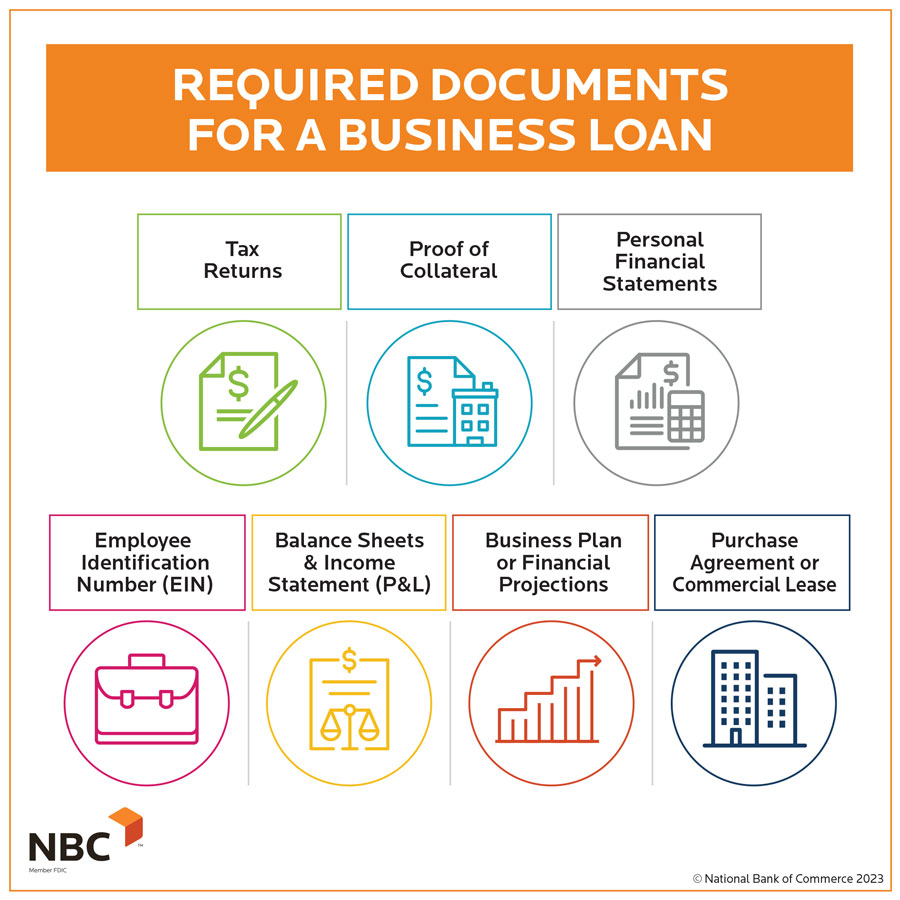
A Solid Business Plan
More than just a formality, a well-crafted business plan serves as your company’s strategic roadmap and a compelling narrative for lenders. It should clearly articulate your vision, strategy, and financial projections.
- Executive Summary: A concise overview of your business, its mission, and the funding request.
- Company Description: What your business does, its legal structure, and its history.
- Market Analysis: Detailed research on your target market, industry trends, and competitive landscape.
- Organization & Management: The structure of your business and the experience of your leadership team.
- Service or Product Line: A description of what you sell and its unique value proposition.
- Marketing & Sales Strategy: How you plan to reach customers and generate revenue.
- Funding Request: Exactly how much money you need and how it will be used.
- Financial Projections: Forecasts of future revenue, expenses, and profitability, demonstrating your ability to repay the loan.
Comprehensive Financial Documentation
Lenders scrutinize your financials to assess your business’s health and repayment capacity. Accurate, up-to-date, and well-organized financial documents are non-negotiable.
- Business Bank Statements: Typically, lenders will ask for the past 6-12 months of statements to verify cash flow and transaction history.
- Tax Returns (Business & Personal): Usually, the past 2-3 years of federal tax returns for both your business and personal income. These provide an audited view of your financial performance.
- Profit & Loss (P&L) Statements: Also known as income statements, these show your revenues, costs, and profits over a specific period (e.g., monthly, quarterly, annually).
- Balance Sheets: A snapshot of your business’s assets, liabilities, and owner’s equity at a specific point in time.
- Cash Flow Projections: Detailed forecasts showing how money is expected to flow in and out of your business, essential for proving repayment ability.
- Accounts Receivable/Payable Aging: If applicable, this shows who owes your business money (receivables) and who your business owes money to (payables), indicating liquidity.
Strong Creditworthiness: Personal and Business Scores
Your credit history, both personal and business, is a critical factor in a lender’s decision. It reflects your reliability in managing debt.
- Understanding Personal Credit: Lenders will review your personal FICO score, often obtained from Experian, Equifax, and TransUnion. A higher score (generally above 680, with 720+ being ideal) indicates responsible credit management and can significantly improve your chances, especially for newer businesses where personal and business finances are intertwined.
- Understanding Business Credit: As your business matures, it develops its own credit profile, tracked by agencies like Dun & Bradstreet (D&B Paydex Score), Experian Business, and Equifax Business. Building strong business credit by paying suppliers on time, having clear financial records, and separating personal and business finances is crucial for future financing.
- Tips for Improving Credit Scores: Pay bills on time, reduce existing debt, correct any errors on your credit reports, and avoid opening too many new lines of credit simultaneously.
Beyond the Basics: Crucial Considerations for Lenders
While the core requirements are universal, lenders also consider additional factors that provide a deeper insight into your business’s risk profile and potential for success.
Collateral and Guarantees
Many business loans, particularly traditional ones, require some form of security.
- Secured vs. Unsecured Loans: Secured loans are backed by assets (collateral) that the lender can seize if you default. Unsecured loans, conversely, do not require collateral but typically have higher interest rates or stricter eligibility.
- Personal Guarantees: For many small business loans, especially from banks, the owner will be required to sign a personal guarantee. This means you are personally responsible for repaying the loan if your business cannot, putting your personal assets at risk.
- Types of Collateral: Common forms of collateral include real estate, inventory, accounts receivable, equipment, and even intellectual property. The value and liquidity of your collateral can significantly impact the loan amount and terms.
Time in Business and Revenue
Lenders look for stability and a proven track record.
- Minimum Operating History: Most traditional lenders prefer businesses that have been operating for at least 2-3 years, demonstrating a sustained ability to generate revenue. Newer businesses or startups may need to look for specific startup loans or alternative financing.
- Minimum Annual Revenue Requirements: Lenders often have minimum annual revenue thresholds (e.g., $50,000 to $100,000+) to ensure the business has sufficient cash flow to comfortably service the debt. This varies greatly by lender and loan product.
- Impact on Loan Terms and Eligibility: Generally, the longer you’ve been in business and the higher your revenue, the more favorable the loan terms (lower interest rates, longer repayment periods) you can expect.
Industry and Market Factors
Lenders are also acutely aware of the external environment in which your business operates.
- Lender’s Risk Assessment of Your Industry: Some industries are perceived as higher risk than others due to volatility, economic sensitivity, or competitive pressures. Lenders may be more cautious or impose stricter terms on businesses in these sectors.
- Market Trends and Competitive Landscape: Your business plan should demonstrate a clear understanding of your market, including growth opportunities, potential threats, and how your business differentiates itself. A strong market position can reassure lenders of your long-term viability.
The Application Process: From Preparation to Approval
Understanding the journey from initial inquiry to receiving funds can help you manage expectations and prepare more effectively.
Assembling Your Loan Package
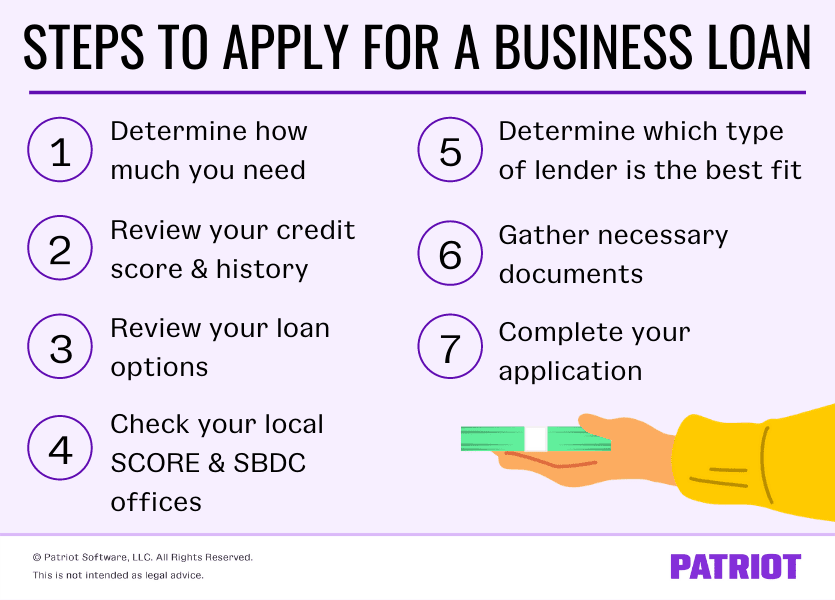
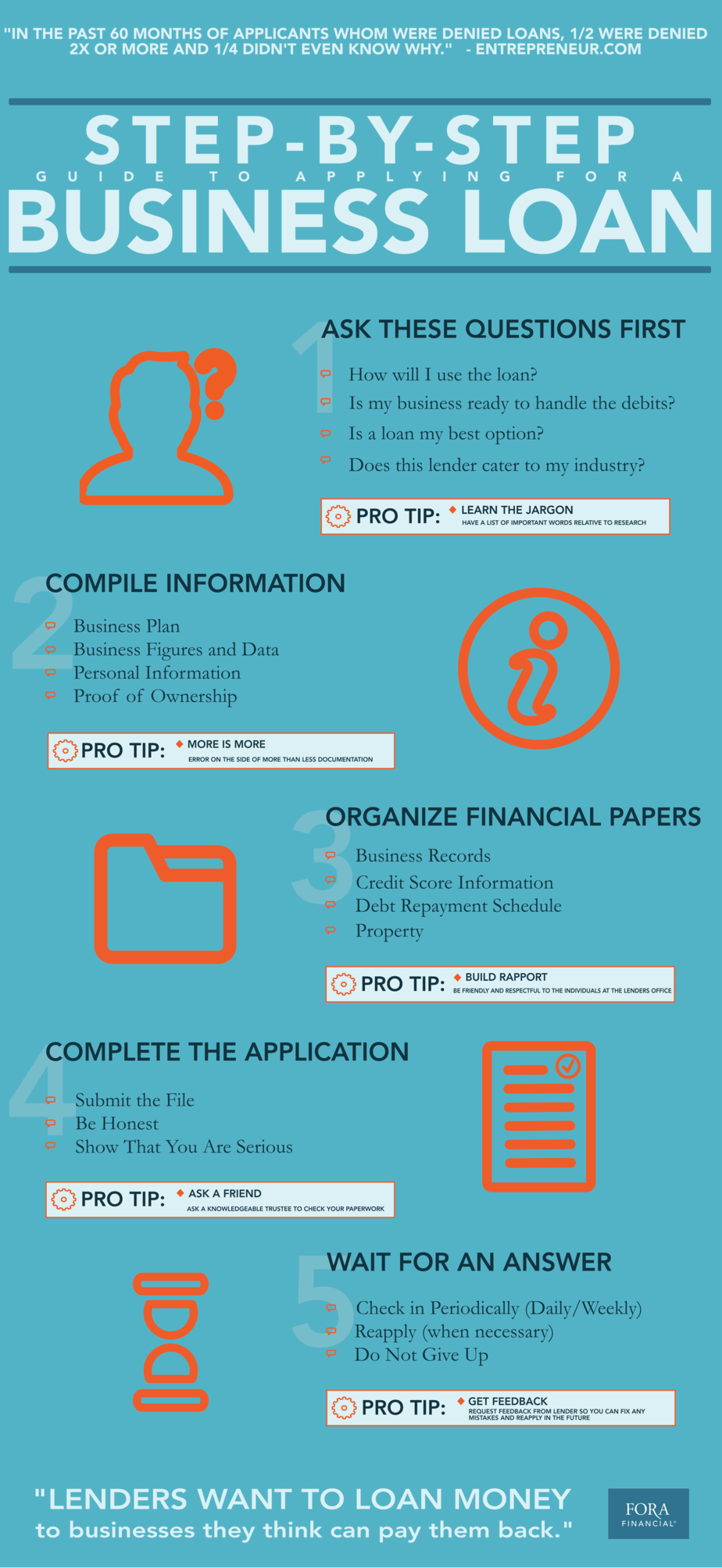
Once you’ve identified potential lenders and loan types, the next step is to compile all your documentation into a coherent, professional package.
- Checklists and Organization: Create a checklist based on the lender’s specific requirements. Organize your documents neatly, perhaps in a digital folder, with clear labels.
- Professional Presentation: A well-organized and professionally presented application package reflects positively on your business acumen and attention to detail.
The Underwriting Process
After submission, your application enters the underwriting phase, where lenders meticulously review everything you’ve provided.
- What Lenders Look For: Underwriters assess your capacity to repay (cash flow, debt-to-income ratio), character (credit history, business reputation), capital (your equity investment in the business), collateral, and conditions (economic factors, industry health).
- Common Reasons for Denial: Insufficient cash flow, poor credit scores (personal or business), incomplete or inaccurate documentation, lack of collateral, high existing debt, or a poorly articulated business plan are common culprits.
Post-Approval Steps and Loan Management
Even after approval, there are important steps to take.
- Understanding Loan Agreements: Thoroughly read and understand all terms and conditions, including interest rates, repayment schedules, fees, and covenants, before signing.
- Repayment Strategies: Implement a clear strategy for managing your loan repayments to avoid defaults and maintain a positive relationship with your lender.
- Building a Positive Relationship with Your Lender: Regular communication and transparency, especially if you foresee any challenges, can be invaluable. A good relationship can lead to future financing opportunities.
Maximizing Your Chances: Strategies for Loan Approval
Beyond meeting the basic requirements, there are proactive steps you can take to enhance your appeal to lenders and increase your likelihood of approval.
Preparing for Lender Questions
Anticipate the questions lenders will ask and be ready with articulate, data-backed answers.
- Articulating Your Business Story and Needs: Clearly explain why you need the loan, how it will be used, and the expected return on investment. Paint a picture of growth and stability.
- Demonstrating Financial Literacy: Show that you understand your business’s financial health, key metrics, and projections. Be able to discuss your P&L, balance sheet, and cash flow with confidence.
Professional Advice and Resources
Don’t hesitate to leverage external expertise.
- Accountants, Financial Advisors: These professionals can help you prepare accurate financial statements, create realistic projections, and identify potential financial weaknesses before you apply.
- SBA Resource Partners, SCORE Mentors: Organizations like SCORE (Service Corps of Retired Executives) and Small Business Development Centers (SBDCs) offer free mentoring and counseling on business planning and loan preparation.
- Online Platforms and Marketplaces: Websites that connect businesses with multiple lenders can help you compare offers and find the best fit for your situation, often simplifying the initial inquiry process.
Obtaining a business loan is a journey that requires thorough preparation, a clear understanding of your financial landscape, and a compelling vision for your business’s future. By meticulously preparing your documents, understanding lender expectations, and proactively addressing any potential weaknesses, you significantly enhance your chances of securing the capital necessary to fuel your business’s success.
aViewFromTheCave is a participant in the Amazon Services LLC Associates Program, an affiliate advertising program designed to provide a means for sites to earn advertising fees by advertising and linking to Amazon.com. Amazon, the Amazon logo, AmazonSupply, and the AmazonSupply logo are trademarks of Amazon.com, Inc. or its affiliates. As an Amazon Associate we earn affiliate commissions from qualifying purchases.