
In the intricate world of personal finance, certain numbers serve as fundamental keys to managing your money effectively. Among these, the routing number stands as a critical identifier, acting as your bank’s unique digital address for a multitude of transactions. Whether you’re setting up direct deposit for your paycheck, automating bill payments, or transferring funds, knowing where to locate this nine-digit code is an essential piece of financial literacy. It’s more than just a sequence of digits; it’s a gateway to seamless financial operations, connecting your individual account to the broader banking ecosystem.

Many individuals might encounter their routing number only when explicitly asked for it, leading to a momentary scramble to find it. Yet, understanding its purpose and readily knowing how to access it can save time, prevent errors, and streamline your financial life. This guide will demystify the routing number, explain its vital role, and, most importantly, provide you with clear, actionable methods to confidently locate yours. By the end, you’ll not only know where to find this crucial piece of information but also grasp its significance in safeguarding and managing your financial future.
Understanding the Essence of a Routing Number
Before diving into where to find your routing number, it’s crucial to first understand what it is and why it holds such importance in the financial landscape. This foundational knowledge empowers you to use it correctly and securely.
What Exactly Is a Routing Number?
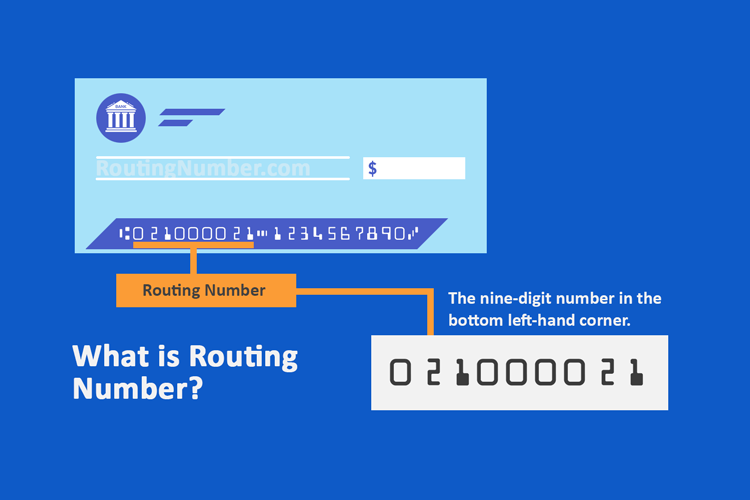
At its core, a routing number, often referred to as an ABA (American Bankers Association) routing transit number, is a nine-digit code that identifies your specific financial institution in the United States. Think of it as a unique street address for your bank, enabling the secure and accurate processing of financial transactions. Each bank and credit union in the U.S. is assigned one or more routing numbers by the ABA, which ensures that funds are directed to the correct institution.
Unlike your personal account number, which identifies your specific account within the bank, the routing number identifies the bank itself. Its primary function is to facilitate the flow of money between different banks, ensuring that when you send or receive funds, they arrive at the intended destination without confusion. While generally associated with U.S. banks, other countries use similar systems (e.g., sort codes in the UK, BSB numbers in Australia), though their structure and usage may vary. It’s essential to remember that a routing number is distinct from a SWIFT code, which is used for international wire transfers.
Why Is Your Routing Number Indispensable?
The routing number is the silent workhorse behind many of your everyday financial activities. Without it, the modern banking system would grind to a halt. Its indispensable nature stems from its role in facilitating the smooth execution of various financial transactions:
- Direct Deposits: This is perhaps the most common use. Employers, government agencies (for tax refunds or benefits), and other payers use your routing number and account number to electronically deposit funds directly into your bank account. It’s the cornerstone of automated payroll and benefits.
- Automatic Bill Payments (ACH Transactions): Many people set up recurring payments for utilities, loans, rent, or subscriptions. These Automated Clearing House (ACH) transactions rely on your routing number to ensure your bank receives the instruction to transfer funds from your account to the payee’s bank.
- Domestic Wire Transfers: If you need to send or receive funds quickly within the U.S., a wire transfer is often used. The routing number ensures the wire reaches the correct receiving bank.
- Setting Up Payment Apps and Services: Platforms like PayPal, Venmo, Zelle, or investment apps often require your routing and account numbers to link your bank account, enabling you to transfer money in and out of the service.
- Tax Refunds: The IRS uses your routing number to deposit your tax refund directly into your bank account, often a faster and safer option than receiving a paper check.
- Check Processing: When you write a check, the routing number printed on it tells the receiving bank which financial institution to debit the funds from.
In essence, any transaction that involves electronically moving money between different banks within the U.S. will almost certainly require a routing number. It’s the silent coordinator that ensures your money goes where it needs to go, when it needs to go.
Primary Avenues to Locate Your Routing Number
Finding your routing number is typically a straightforward process, thanks to its ubiquitous presence across various banking documents and platforms. Depending on your preferred method of banking, several reliable sources can provide you with this crucial nine-digit code.
Your Checkbook: A Traditional Go-To
For decades, the physical checkbook has been the most common place to find a routing number. If you still use paper checks, this method remains one of the quickest and most reliable ways to locate the information.
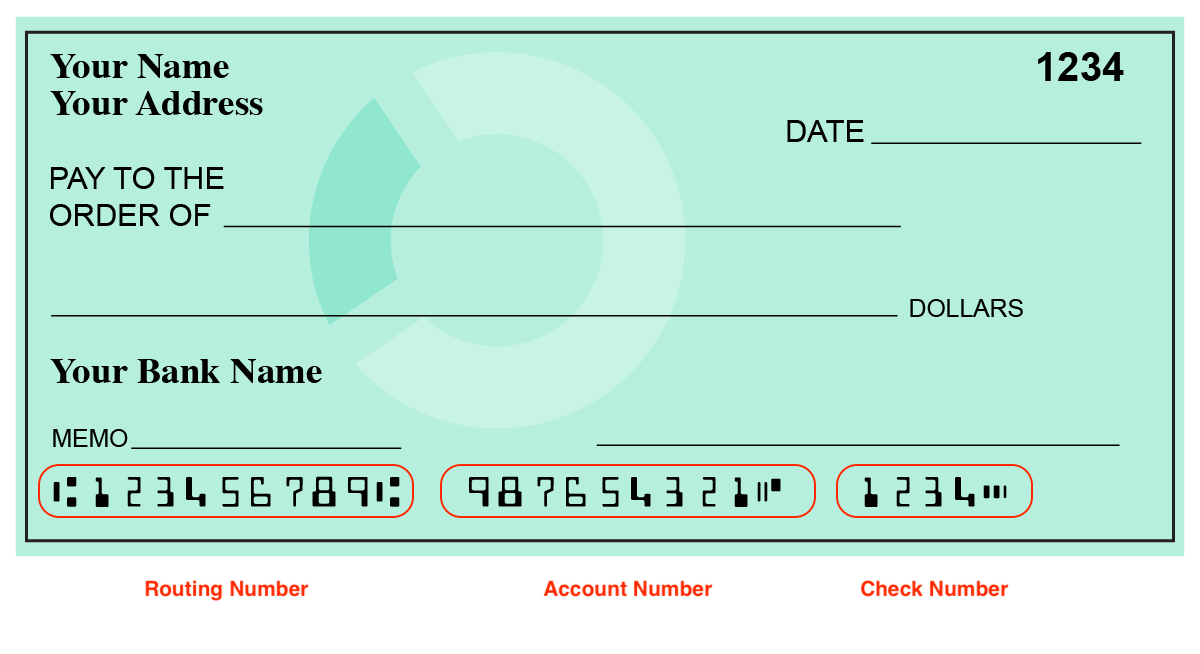
- Location on a Check: Look at the bottom edge of a personal check. You’ll typically find three sets of numbers, printed in magnetic ink characters. The first set of numbers (usually nine digits) from the left is almost always your routing number. The middle set is your account number, and the final set is the check number.
- Verification: While generally accurate, it’s worth noting that some banks might have different routing numbers for specific types of accounts or transactions (e.g., checking vs. savings, or for wire transfers). The routing number on a check is typically for checking account transactions. If you need it for a savings account or a wire transfer, it’s always best to verify through one of the other methods mentioned below. Always use a blank check or a voided check if sharing, to avoid any potential fraud risks.
Online Banking & Mobile Apps: Digital Convenience
In today’s digital age, online banking portals and mobile banking applications have become the preferred way for many to manage their finances. These platforms offer a secure and instant way to access your routing number.
- Via Online Banking:
- Log in to your bank’s official website using your credentials.
- Navigate to your account summary or a specific account (e.g., checking or savings).
- Look for sections labeled “Account Details,” “Account Information,” “Direct Deposit Information,” or “Statements & Documents.”
- Your routing number will typically be clearly displayed alongside your account number. Some banks might require you to click a link like “View Routing & Account Number” or “Direct Deposit Info” to reveal it.
- Via Mobile Banking App:
- Open your bank’s official mobile app on your smartphone or tablet.
- Log in securely using your PIN, fingerprint, or facial recognition.
- Similar to online banking, tap on your checking or savings account.
- Often, the routing number is displayed prominently on the account summary screen or under an “Account Details” or “Information” tab. Some apps might have a dedicated “Direct Deposit” section that lists it.
- Security Reminder: Always ensure you are on your bank’s official website or using their legitimate mobile app to prevent phishing attempts or data breaches.
Bank Statements: Physical & Digital Records
Your bank statements, whether received in the mail or accessed digitally, serve as comprehensive records of your account activity and often include your bank’s routing number.
- Paper Statements: If you receive paper statements, your routing number is usually printed at the bottom of the statement, typically near your account number, or in a dedicated “Bank Information” section at the top or bottom.
- E-Statements: For those who opt for electronic statements, you can usually download a PDF version from your online banking portal. The routing number will be found in the same locations as on a physical statement. This method is particularly useful if you need to provide proof of your routing number for official purposes.
Direct Contact with Your Financial Institution
When all else fails, or if you prefer direct human assistance, contacting your bank directly is always a reliable option.
- Customer Service: You can call your bank’s customer service line. Be prepared to verify your identity (e.g., account number, address, social security number) before they provide you with your routing number.
- Local Branch Visit: If you have a local branch, a bank teller can easily provide you with your routing number. They can also clarify if there are different routing numbers for different transaction types (e.g., wire transfers).
- Secure Messaging: Many banks offer secure messaging services within their online banking platforms. You can send a message requesting your routing number, and a representative will respond securely.
By utilizing these various avenues, you can quickly and confidently obtain the correct routing number for your specific banking needs, ensuring your financial transactions proceed without a hitch.
Important Considerations and Common Pitfalls
While finding your routing number is generally straightforward, there are nuances and potential pitfalls that can lead to confusion or errors. Understanding these considerations is crucial for accurate financial transactions.
Multiple Routing Numbers: The Nuance
One of the most significant sources of confusion for consumers is the existence of multiple routing numbers for a single bank. It’s not uncommon for a large financial institution to have several different routing numbers, each serving a specific purpose or geographic region.
- Checking vs. Savings: In some instances, your checking account might use a different routing number than your savings account, especially if they are part of different internal systems or were opened at different times.
- Wire Transfers vs. ACH/Checks: Many banks use a separate, dedicated routing number specifically for incoming wire transfers. This “wire transfer routing number” might differ from the routing number used for direct deposits, automatic payments (ACH), or printed on your checks. Using the wrong one for a wire transfer could delay or even prevent the funds from reaching your account.
- Geographic Regions: Large national banks might have distinct routing numbers for different states or regions where they operate, based on the location where your account was originally opened.
- Online-Only Banks: Some online-only banks or fintech platforms might have a single routing number for all purposes, while others might operate through partner banks, each with its own routing number.
Always Verify: When providing your routing number, especially for crucial transactions like a large wire transfer or setting up a new direct deposit, it is paramount to verify the correct routing number for the specific type of transaction you are performing. The “Direct Deposit Information” section on your online banking portal is often the best source for the routing number typically used for payroll and ACH transactions. For wire transfers, always check your bank’s official website under their “Wire Transfer” section or contact customer service.
Distinguishing from Account Numbers and SWIFT Codes
Confusion often arises between routing numbers, account numbers, and SWIFT codes. While all are numerical identifiers, they serve distinct purposes.
- Routing Number (ABA RTN): Identifies your financial institution within the U.S. (9 digits). Used for domestic transactions.
- Account Number: Identifies your specific account within your financial institution. It can vary in length and is unique to you. Used alongside the routing number for domestic transactions.
- SWIFT Code (BIC – Bank Identifier Code): Identifies your bank for international wire transfers. It’s an alphanumeric code, typically 8 or 11 characters long. If you’re sending or receiving money from outside the U.S., you’ll need a SWIFT code, not an ABA routing number.
Misidentifying these codes can lead to delayed transactions, returned funds, or, in worst-case scenarios, funds being sent to the wrong recipient. Always confirm which code is required for your particular transaction.
Security Best Practices
Your routing number, when combined with your account number, represents a significant portion of your financial identity. While generally considered less sensitive than a social security number, it’s still crucial to exercise caution.
- Share Only When Necessary: Only provide your routing and account numbers to trusted individuals or legitimate organizations for valid financial transactions.
- Beware of Phishing: Be highly suspicious of unsolicited emails, texts, or calls asking for your financial information. Banks will rarely ask for these details via unsecured channels.
- Secure Platforms: Always use secure, encrypted platforms (e.g., your bank’s official website or app) when accessing or entering your financial details. Look for “https://” in the website address and a padlock icon.
- Shred Documents: When disposing of old checks, statements, or any document containing your routing and account numbers, shred them thoroughly to prevent identity theft.
- Monitor Your Accounts: Regularly check your bank statements and transaction history for any unauthorized activity. Early detection is key to mitigating potential fraud.
By being vigilant and informed about these considerations, you can ensure that your routing number is used correctly and securely, protecting your financial well-being.
Beyond the Basics: Advanced Financial Tools and Routing Numbers
The utility of your routing number extends beyond simple transactions, playing a subtle but critical role in more sophisticated financial management strategies and business operations. Understanding its broader implications can enhance your overall financial intelligence.
Financial Planning Software Integration
Modern personal finance management has been revolutionized by a plethora of financial planning software and budgeting apps. Tools like Mint, Personal Capital, YNAB (You Need A Budget), and various investment platforms often require you to link your bank accounts to provide a holistic view of your financial health.
- Data Aggregation: When you connect your bank account to these platforms, you typically provide your online banking credentials, which these tools use to securely access your transaction history. However, some initial setup or specific functionalities (like initiating transfers from the planning tool) might subtly involve your routing and account numbers.
- Budgeting & Tracking: By integrating your bank accounts, these tools automatically categorize your spending, track your income, and help you visualize your cash flow. While routing numbers aren’t directly displayed or manipulated by you within these apps, they are the underlying mechanism that allows the secure connection to your bank and the subsequent aggregation of your financial data. This linkage empowers users to set budgets, monitor progress toward financial goals, and identify areas for savings.
- Security Layer: Reputable financial planning software employs advanced encryption and security protocols to protect your data. While you grant them access to your account information, they generally operate on a “read-only” basis, meaning they cannot initiate transactions from your bank account without additional, explicit authorization.
Managing Multiple Accounts and Institutions
In today’s diverse financial landscape, it’s increasingly common for individuals to have accounts with multiple financial institutions – a primary bank for checking and savings, an online-only bank for high-yield savings, a credit union for a loan, or various investment accounts. This multi-institutional approach brings greater financial flexibility but also added complexity in managing routing numbers.
- Organized Record Keeping: If you bank with several institutions, you will have several different routing numbers. It’s advisable to keep a well-organized, secure record of all your routing numbers, account numbers, and any specific wire transfer codes for each institution. This could be a password-protected digital document or a secure physical file.
- Contextual Usage: Always be mindful of which routing number corresponds to which account and institution. For example, if you’re setting up a direct deposit, ensure you provide the routing number for the specific account where you want your funds to land, as well as the correct routing number for that particular bank. Mistakes can lead to significant delays or even misdirected funds.
- Financial Aggregators: Tools mentioned above can also help in managing multiple accounts by presenting a unified view, reducing the need to log into several different bank portals, and making it easier to see all your financial details in one place (though you still need to know which routing number belongs to which account).
Business Applications of Routing Numbers
For entrepreneurs, small business owners, or anyone involved in business finance, the routing number takes on an even greater significance. It’s not just about personal transactions but about the lifeblood of commercial operations.
- Payroll Processing: Businesses rely heavily on routing numbers to pay their employees via direct deposit. Accurate routing and account numbers are paramount for ensuring timely and correct salary disbursements. Errors can lead to disgruntled employees and administrative headaches.
- Accepting Payments (ACH): Many businesses accept payments from customers via ACH transfers (e.g., recurring subscriptions, invoices). To do so, they provide their own business bank account’s routing and account numbers to facilitate these incoming funds.
- Vendor Payments: Similarly, businesses use routing numbers to make electronic payments to vendors, suppliers, and service providers, streamlining their accounts payable processes.
- Business Bank Accounts: Just like personal accounts, business checking and savings accounts have their own routing numbers, which are essential for all business-related electronic funds transfers.
- Merchant Services: When setting up merchant services to process credit card payments, the underlying settlement process often involves linking to a business bank account using its routing and account number to deposit collected funds.
In the business realm, accuracy and security concerning routing numbers are amplified, as errors can impact not just one individual but an entire operation. Proactive management and verification are key to maintaining smooth financial operations.
Conclusion
The routing number, a seemingly simple nine-digit code, is anything but trivial. It is a cornerstone of modern financial infrastructure, enabling the seamless flow of money that underpins virtually every electronic transaction in the United States. From ensuring your paycheck lands in your account on time to automating your monthly bills and integrating with advanced financial tools, your routing number is a silent but powerful facilitator of your financial life.
Understanding its purpose—to identify your specific financial institution—and knowing precisely where to find it are fundamental aspects of financial literacy. Whether you refer to your trusty checkbook, leverage the convenience of online banking and mobile apps, consult your bank statements, or simply reach out to your financial institution directly, the avenues to obtain this crucial number are numerous and accessible.
However, beyond merely locating it, the truly financially savvy individual recognizes the nuances: the possibility of multiple routing numbers for different transaction types, the distinction between a routing number and an account or SWIFT code, and the imperative of practicing robust security measures. As you navigate an increasingly digital and interconnected financial world, proactively managing your financial details, including your routing number, empowers you to make informed decisions, prevent errors, and safeguard your financial well-being. By taking the time to understand and confidently manage this vital piece of information, you’re not just finding a number; you’re building a stronger foundation for your financial future.
aViewFromTheCave is a participant in the Amazon Services LLC Associates Program, an affiliate advertising program designed to provide a means for sites to earn advertising fees by advertising and linking to Amazon.com. Amazon, the Amazon logo, AmazonSupply, and the AmazonSupply logo are trademarks of Amazon.com, Inc. or its affiliates. As an Amazon Associate we earn affiliate commissions from qualifying purchases.