
In the dynamic landscape of modern commerce, a brand’s most potent asset is often its narrative. How a company communicates, what stories it tells, and how consistently it conveys its values directly shapes public perception, fosters loyalty, and drives market positioning. At the heart of orchestrating this critical brand communication lies the Content Manager, a strategic linchpin whose role extends far beyond mere content creation. They are the architects of a brand’s voice, the guardians of its message, and the strategists who translate brand objectives into engaging, impactful content experiences across diverse channels.
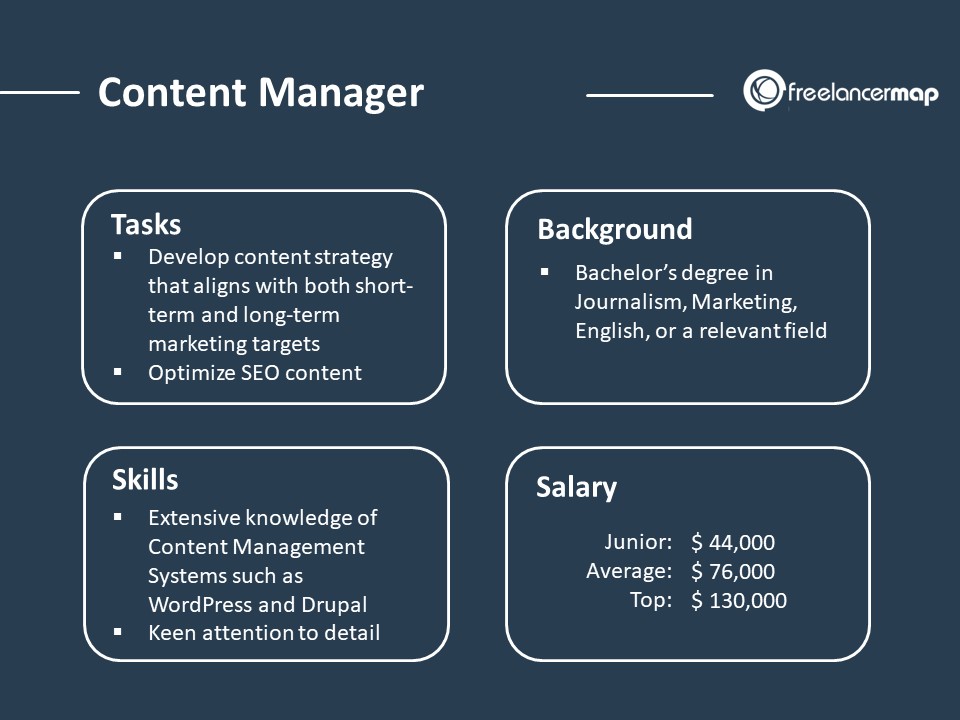
A Content Manager is a marketing and communications professional responsible for the overall strategy, creation, publishing, and governance of all content assets that represent a brand. This includes everything from website copy, blog posts, and social media updates to email newsletters, video scripts, whitepapers, and infographics. Their primary objective is to ensure that every piece of content aligns seamlessly with the brand’s overarching marketing goals, speaks directly to its target audience, and reinforces its unique identity in the marketplace. They are crucial in developing and maintaining a strong corporate identity and executing compelling marketing campaigns.
The Strategic Imperative of Content in Brand Building
The digital era has transformed content from a supplementary marketing tool into a foundational pillar of brand strategy. Consumers engage with brands across myriad touchpoints, each an opportunity for interaction and influence. A Content Manager ensures these interactions are purposeful, consistent, and reflective of the brand’s core values, making them indispensable for sustainable brand building.
Defining the Brand Voice and Narrative
Every successful brand possesses a distinct voice—a unique personality that resonates with its audience. The Content Manager is instrumental in defining, documenting, and disseminating this brand voice across all content initiatives. This involves establishing style guides, tone-of-voice guidelines, and key messaging frameworks that dictate how the brand communicates its mission, vision, and value proposition. They craft compelling narratives that tell the brand’s story, evoke emotion, and build meaningful connections, moving beyond mere product descriptions to create a holistic brand experience. By meticulously curating every word, image, and video, they ensure that the brand’s story is not just heard, but felt and remembered.
Shaping Corporate Identity Through Content
Corporate identity encompasses more than just a logo; it’s the sum total of how an organization presents itself to both internal and external stakeholders. Content plays a pivotal role in solidifying this identity. A Content Manager works to translate the brand’s strategic vision into tangible content assets that project a unified and consistent image. Whether it’s through thought leadership pieces that establish industry authority, customer testimonials that build trust, or behind-the-scenes glimpses that humanize the brand, every content piece contributes to the perception of the company. They ensure that all communications, regardless of platform, reflect the brand’s professionalism, values, and distinct character, thereby bolstering its overall identity and market standing.
Core Responsibilities and Daily Mandates
The scope of a Content Manager’s role is broad and multifaceted, requiring a blend of strategic thinking, creative flair, and analytical rigor. Their daily activities are geared towards ensuring a seamless and effective content pipeline that supports the brand’s marketing and communication objectives.
Content Strategy Development and Execution
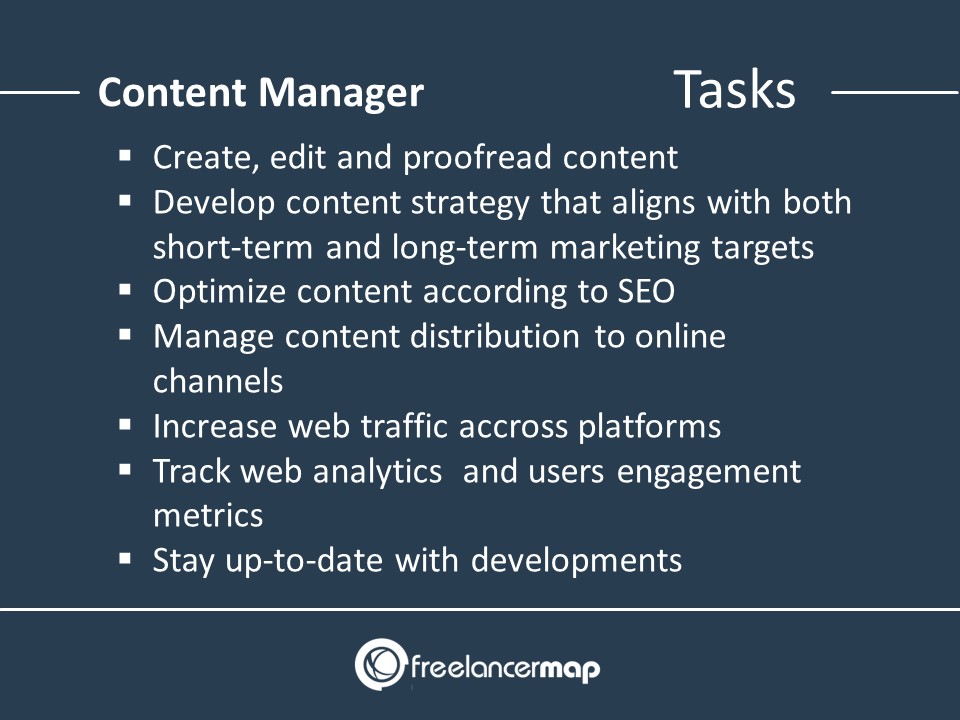
At the heart of the role is the development of a comprehensive content strategy. This involves identifying target audiences, understanding their needs and pain points, conducting keyword research, and mapping content to different stages of the customer journey. The Content Manager translates overarching marketing goals—such as increasing brand awareness, driving website traffic, generating leads, or fostering customer loyalty—into actionable content plans. They define content themes, formats, distribution channels, and editorial calendars. Once the strategy is set, they oversee its execution, ensuring that content is created, optimized, and published according to schedule and within budget, continually aligning efforts with brand objectives.
Editorial Planning and Production Oversight
A Content Manager is essentially the editor-in-chief of a brand’s content ecosystem. They manage the entire editorial workflow, from brainstorming ideas and assigning tasks to writers, designers, and video producers, to reviewing drafts, editing for clarity, grammar, and brand voice, and ensuring factual accuracy. This involves meticulous planning, scheduling, and coordination to maintain a steady stream of high-quality content. They might also manage external agencies, freelancers, or internal teams, ensuring that all contributors understand the brand’s guidelines and deliver content that meets exacting standards. Their role is to ensure consistency in quality and messaging across all content formats and channels.
Performance Analysis and Optimization for Brand Impact
Content creation is only half the battle; measuring its impact is equally crucial. Content Managers are responsible for analyzing content performance using various metrics such as website traffic, engagement rates, conversion rates, social shares, and SEO rankings. They utilize tools like Google Analytics, social media insights, and CRM data to identify what resonates with the audience and what doesn’t. Based on these insights, they make data-driven decisions to optimize existing content, refine future strategies, and identify new opportunities for brand exposure and engagement. This continuous cycle of creation, analysis, and optimization is vital for maximizing the return on investment for content marketing efforts and continuously strengthening the brand’s online presence.
The Content Manager’s Role in Marketing Efficacy
A strong content strategy, expertly executed by a Content Manager, is a cornerstone of effective marketing. Their work directly influences a brand’s ability to attract, engage, and convert its audience, underpinning the success of broader marketing initiatives.
Driving Customer Engagement and Loyalty

Engaging content is the magnet that attracts and retains customers. A Content Manager designs content experiences that not only inform but also entertain, inspire, and solve problems for the target audience. By consistently delivering valuable and relevant content, they foster a sense of community and trust around the brand. This engagement translates into increased customer loyalty, as consumers feel a deeper connection to a brand that understands and addresses their needs. Regular, high-quality content keeps the brand top-of-mind, turning passive followers into active advocates who champion the brand’s message.
Supporting Lead Generation and Sales Funnels
While content managers primarily focus on brand building, their efforts have a direct impact on the bottom line. They strategically create content tailored for different stages of the marketing and sales funnel. Top-of-funnel content (e.g., blog posts, guides) attracts new prospects, while middle-of-funnel content (e.g., case studies, webinars) nurtures leads, providing them with the information needed to move towards a purchase decision. Bottom-of-funnel content (e.g., product comparisons, demos) helps convert prospects into customers. By meticulously mapping content to these stages, Content Managers play a vital role in generating qualified leads and facilitating the sales process, contributing tangible value to the business’s revenue goals.
Ensuring Brand Consistency Across Channels
In an era of fragmented media consumption, maintaining a consistent brand message across all channels—from social media to email, website, and offline materials—is a monumental challenge. The Content Manager is the central figure who ensures this consistency. They establish guidelines for tone, style, visual identity, and messaging that apply universally, regardless of the platform. This cohesive approach prevents brand dilution, reinforces brand recognition, and builds a unified brand experience that instills confidence and trust in the audience. Consistency is not merely aesthetic; it is strategic, ensuring that every customer interaction strengthens the overall brand perception.
Essential Skills and Qualities for Brand Content Leadership
To excel in this multifaceted role, a Content Manager requires a diverse skill set that blends creativity, strategy, technical understanding, and strong interpersonal abilities.
Strategic Acumen and Marketing Savvy
A top-tier Content Manager is not just a wordsmith; they are a strategic thinker with a deep understanding of marketing principles. They can align content initiatives with broader business objectives, identify market trends, understand competitive landscapes, and position the brand effectively. This requires analytical prowess to interpret data, foresight to anticipate future content needs, and the ability to connect content efforts directly to brand growth and ROI. They must possess a keen eye for what makes content resonate in the marketplace and how it contributes to the brand’s strategic narrative.
Exceptional Communication and Storytelling
The ability to communicate complex ideas clearly, concisely, and compellingly is paramount. Content Managers must be master storytellers, capable of crafting narratives that engage audiences and convey the brand’s message effectively. This extends beyond written communication to include visual storytelling, video scripting, and presentation skills. Furthermore, strong interpersonal communication is vital for collaborating with internal teams, external agencies, and stakeholders, ensuring everyone is aligned with the content vision and brand guidelines. Their clarity in direction is crucial for the successful execution of content strategies.
Adaptability and Data-Driven Decision Making
The digital marketing landscape is in constant flux, with new platforms, algorithms, and content trends emerging regularly. An effective Content Manager must be highly adaptable, willing to experiment with new formats and strategies, and quick to learn and implement best practices. Crucially, they must be data-driven, using analytics to inform their decisions, measure success, and continuously refine their approach. This involves a comfort with various analytics tools and a commitment to iterative improvement based on tangible performance metrics, ensuring content efforts remain agile and impactful for the brand.
The Future Evolution of the Content Manager Role within Branding
As technology continues to reshape how brands interact with their audiences, the role of the Content Manager is poised for further evolution, becoming even more central to sophisticated brand strategies.
Navigating AI and Personalization at Scale
The advent of artificial intelligence (AI) and machine learning tools offers both challenges and opportunities for Content Managers. AI can automate content creation processes, aid in keyword research, optimize content for SEO, and even personalize content delivery at an unprecedented scale. Future Content Managers will need to become experts in leveraging AI tools to enhance efficiency, produce more targeted content, and maintain brand consistency across highly personalized experiences. Their focus will shift from purely manual content creation to strategic oversight and ethical application of AI, ensuring that technology amplifies, rather than diminishes, the human touch in brand storytelling.
Embracing New Content Formats and Platforms
The content landscape is continually expanding beyond traditional text and static images. Video, interactive content, augmented reality (AR), virtual reality (VR), and immersive experiences are becoming increasingly prevalent. Content Managers will need to stay abreast of these emerging formats and platforms, understanding how to strategically incorporate them into the brand’s content ecosystem. This will involve mastering new storytelling techniques, collaborating with specialized creators, and adapting brand messages to suit diverse technological mediums, all while maintaining the core brand identity and narrative. Their ability to innovate and experiment will be key to keeping the brand relevant and engaging in a fast-evolving digital world.
In essence, a Content Manager is far more than just a publisher; they are a brand architect, a strategic marketer, and a master communicator. They are indispensable for any organization seeking to build a strong, resonant brand identity and achieve sustainable growth in today’s content-driven economy.
aViewFromTheCave is a participant in the Amazon Services LLC Associates Program, an affiliate advertising program designed to provide a means for sites to earn advertising fees by advertising and linking to Amazon.com. Amazon, the Amazon logo, AmazonSupply, and the AmazonSupply logo are trademarks of Amazon.com, Inc. or its affiliates. As an Amazon Associate we earn affiliate commissions from qualifying purchases.