
In the dynamic world of entrepreneurship and corporate growth, a business proposal is far more than a mere document; it is a meticulously crafted financial blueprint and a compelling investment prospectus. It serves as the cornerstone for securing capital, forging strategic partnerships, and ultimately, driving revenue and profitability. For any venture, whether a nascent startup seeking seed funding, an established enterprise bidding on a lucrative contract, or a company pitching a new product line, the ability to articulate financial vision, demonstrate viability, and project returns through a well-structured proposal is paramount. In the context of “Money,” a business proposal is your most potent tool for communicating financial potential and securing the resources necessary to transform ideas into tangible economic success. This guide delves into the essential elements and strategies for preparing a business proposal that speaks directly to the financial interests of potential investors, lenders, and clients.

Laying the Financial Foundation: Understanding Your Proposal’s Core Purpose
Before penning a single word, it’s crucial to understand the foundational financial objectives of your business proposal. This document isn’t just about what you plan to do; it’s emphatically about how that plan will generate returns, manage costs, and contribute to financial stability and growth. Your proposal is an investment pitch, a loan application, or a revenue-generating contract bid, each requiring a distinct financial lens.
Defining Your Objectives and Target Audience (Financially Speaking)
Every business proposal serves a specific financial purpose. Are you seeking equity investment from venture capitalists who expect substantial returns on their capital? Are you applying for a bank loan, where demonstrating strong cash flow and repayment capacity is key? Or are you bidding for a contract, where your pricing model, cost-efficiency, and profitability for the client are paramount? Identifying your financial objective upfront dictates the entire proposal’s structure, tone, and the depth of its financial detail.
Furthermore, knowing your target audience is critical. An angel investor might prioritize the potential for rapid scaling and exit strategies, while a traditional lender will scrutinize collateral, debt-to-equity ratios, and consistent cash flow. Understanding their financial motivations allows you to tailor your proposal to resonate with their specific investment criteria and risk tolerance. This initial clarity ensures that every subsequent section contributes directly to achieving your financial goal.
The Critical Role of an Executive Summary for Investors
The Executive Summary is arguably the most financially impactful section of your proposal. It’s often the only part a busy investor or lender will read initially, and it must instantly capture their financial interest. This section must concisely articulate:
- The Investment Opportunity: What is the core financial value proposition?
- The Funding Request: Exactly how much capital is needed?
- The Return on Investment (ROI): What financial benefits can the investor expect (e.g., equity stake, interest repayment, profit share, increased revenue)?
- Key Financial Highlights: Briefly mention impressive revenue projections, market size, or existing profitability if applicable.
- The Problem You Solve (with financial implications): How does your solution address a market need that translates into significant income potential?
It’s a financial elevator pitch, designed to compel the reader to delve deeper into the intricate financial details that follow. Neglecting its financial precision is a common pitfall that can lead to an immediate rejection.
Crafting Compelling Financial Narratives: Key Components
The heart of any successful business proposal, from a financial perspective, lies in its detailed components. These sections provide the rigorous evidence and projected outcomes that validate your initial claims and demonstrate the pathway to monetary success.
Decoding the Financial Projections Section
This is where your financial credibility is truly tested. The financial projections section must present a realistic, well-researched, and robust forecast of your company’s financial future. Typically, it includes:
- Income Statement (Profit & Loss): Projecting revenue, cost of goods sold, operating expenses, and net profit over 3-5 years. Focus on realistic growth assumptions.
- Cash Flow Statement: Detailing the actual movement of cash in and out of the business. This is critical for assessing liquidity and repayment ability, especially for lenders.
- Balance Sheet: Providing a snapshot of your company’s assets, liabilities, and equity at various points in time, showcasing financial health and solvency.
- Break-Even Analysis: Determining the point at which your revenues cover your costs, a fundamental indicator of financial viability.
- Key Financial Ratios: Presenting metrics like gross profit margin, net profit margin, return on equity, and debt-to-equity ratio, which are crucial for comparative analysis by financial stakeholders.
Every projection must be backed by clear assumptions, and these assumptions should be detailed in the appendix or accompanying notes. Avoid overly optimistic or unsupported figures; financial professionals value realism and a clear understanding of potential challenges.
Articulating Your Funding Request and Investment Returns
Beyond simply stating the amount you need, this section must meticulously justify the funding request and explicitly outline the proposed investment returns or repayment schedule.
- Use of Funds: A detailed breakdown of how the requested capital will be allocated (e.g., equipment purchase, marketing campaigns, working capital, R&D). This demonstrates fiscal responsibility and strategic deployment of capital to generate returns.
- Investment Structure: For equity investors, specify the percentage of equity offered, valuation, and any preferred returns. For lenders, detail the loan term, interest rate, repayment schedule, and collateral offered.
- ROI / Repayment Strategy: Clearly articulate how the investment will yield returns. This could involve projected dividends, capital appreciation through exit events, interest payments, or a clear timeline for loan repayment derived from projected cash flows. This is where you directly answer the investor’s core question: “What’s in it for me, financially?”
Operational Budgeting and Resource Allocation
While often embedded within financial projections, a clear articulation of your operational budget and how resources are allocated reinforces your understanding of cost management and efficiency. This section links your strategic plans directly to the financial implications.
- Detailed Cost Analysis: Break down startup costs, fixed costs, and variable costs. Show how you plan to minimize unnecessary expenditures while maximizing operational effectiveness.
- Resource Management: Explain how financial resources will be allocated to key areas such (e.g., talent acquisition, technology infrastructure, raw materials) to achieve business objectives efficiently and profitably.
- Scalability from a Cost Perspective: Discuss how your operational model can scale without disproportionately increasing costs, thereby improving profit margins as the business grows.
Market Insight and Revenue Generation Strategies
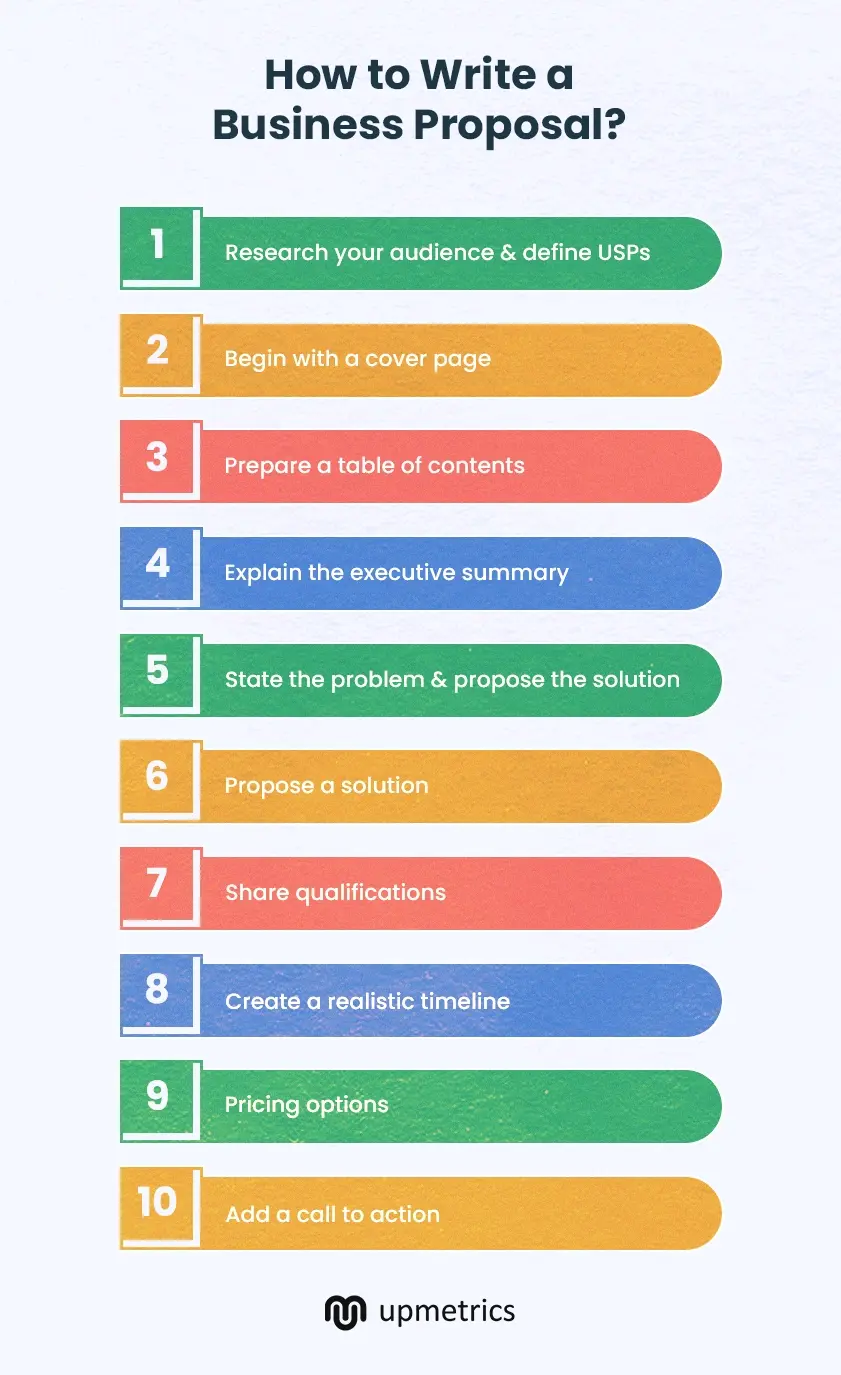
A compelling financial narrative is incomplete without a thorough understanding of the market’s monetary potential and a clear strategy for converting that potential into actual revenue.
Market Analysis with a Financial Lens
Your market analysis should demonstrate a robust understanding of the economic landscape in which your business operates. It must clearly outline the size of the addressable market in monetary terms, the revenue potential it represents, and how your business plans to capture a significant share of it.
- Total Addressable Market (TAM) in Value: Quantify the total revenue opportunity within your target market.
- Market Trends and Financial Growth: Discuss market growth rates, emerging segments, and how these trends translate into future revenue opportunities or cost savings.
- Competitive Financial Landscape: Analyze competitors not just on features, but on their pricing strategies, market share (in revenue terms), profitability, and financial strengths/weaknesses. How will your financial model differentiate and outperform them?
Pricing Strategies and Revenue Models
This section is paramount for demonstrating how your product or service will translate into sustainable income. It’s not enough to say you have a great product; you must explain how it will consistently generate revenue.
- Clear Pricing Strategy: Detail your pricing model (e.g., subscription, per-unit, tiered, freemium) and justify it based on market value, cost of goods, competitive analysis, and target profit margins.
- Diverse Revenue Streams: If applicable, outline multiple ways your business will generate income beyond the core offering (e.g., premium features, add-on services, advertising, partnerships). This diversifies financial risk.
- Sales Forecasts Based on Pricing: Link your pricing strategy directly to your sales forecasts, showing how unit sales at specified prices lead to your projected revenue figures.
Presenting Value and Mitigating Financial Risk
Investors and lenders are inherently risk-averse. A strong business proposal not only presents an opportunity for financial gain but also assuages concerns about potential losses.
Demonstrating ROI and Financial Viability
Beyond just projecting numbers, you need to actively demonstrate the investment’s return and the business’s fundamental financial health.
- Key Performance Indicators (KPIs) with Financial Relevance: Identify metrics that directly tie to revenue generation, cost efficiency, and profitability (e.g., customer acquisition cost (CAC), customer lifetime value (CLTV), churn rate, gross margin, operating leverage). Show how you will track and improve these financially critical indicators.
- Scenario Analysis (Best, Worst, Most Likely Case): Presenting different financial scenarios demonstrates a realistic understanding of potential outcomes and your preparedness for varying economic conditions. This adds a layer of robustness to your projections.
- Exit Strategy (for Equity Investors): Clearly outline potential paths for investors to realize a return on their equity (e.g., acquisition, IPO, secondary sale). This provides a concrete endpoint for their investment.
Addressing Potential Financial Risks and Contingency Planning
No business is without risk, especially financial risk. Acknowledging and proactively addressing these potential challenges enhances your credibility and demonstrates financial foresight.
- Identification of Financial Risks: List potential risks such as market downturns, increased competition leading to pricing pressures, unexpected cost increases, regulatory changes, or difficulties in securing additional funding.
- Mitigation Strategies: For each identified financial risk, outline specific strategies to reduce its likelihood or impact. For instance, diversify revenue streams to mitigate market downturns, negotiate long-term supplier contracts to control costs, or maintain a healthy cash reserve.
- Contingency Funding: If applicable, discuss plans for securing additional capital in unforeseen circumstances or maintaining a financial buffer to weather economic storms.
Polishing for Profit: Final Review and Presentation
Even the most robust financial model can be undermined by poor presentation. The clarity, professionalism, and persuasive power of your proposal’s final form are critical for securing financial interest.
Professionalism, Clarity, and Persuasion in Financial Communication
Your proposal must be meticulously edited for accuracy, grammar, and spelling. Financial documents demand a high level of precision.
- Clarity and Conciseness: Financial information should be presented clearly, avoiding jargon where possible, and explained thoroughly where necessary. Use charts, graphs, and tables to make complex financial data accessible and digestible.
- Professional Tone: Maintain a confident, professional, and data-driven tone throughout. Your voice should convey expertise and reliability.
- Compelling Narrative: While fact-based, your proposal should still tell a compelling story of financial opportunity and how your business will achieve it. Connect the numbers to the bigger vision.
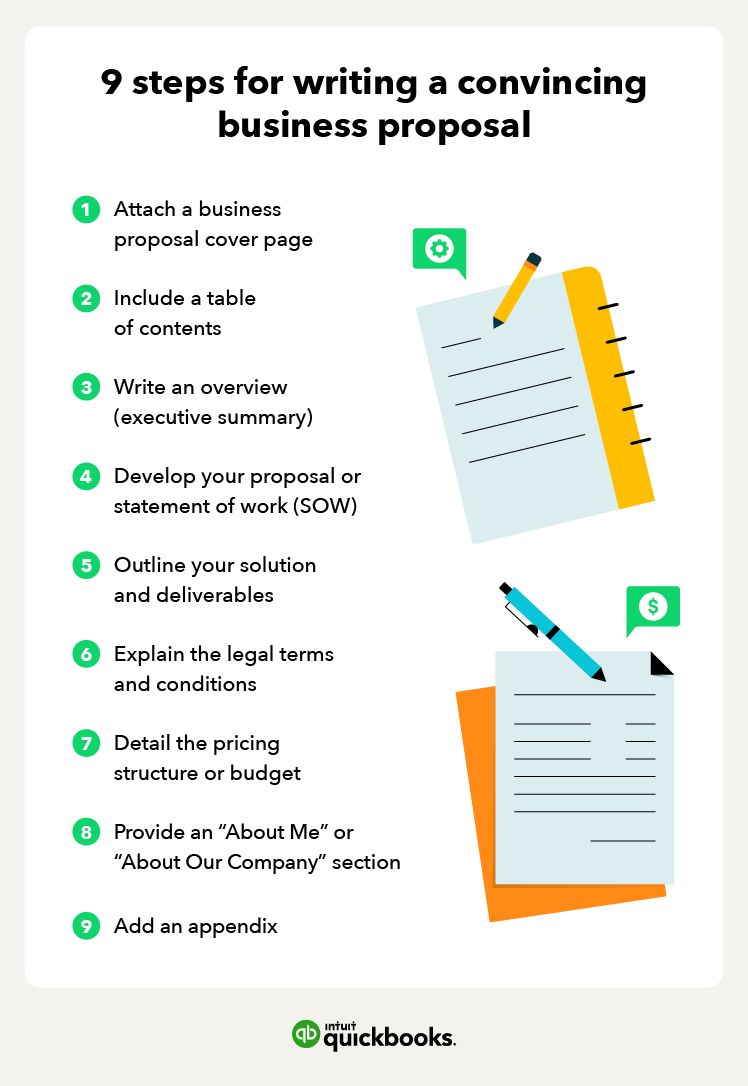
Customizing Your Proposal for Different Financial Stakeholders
A generic proposal rarely succeeds in securing significant funding. Each financial stakeholder has unique interests and expectations.
- Investor-Specific Customization: For venture capitalists, emphasize growth potential, market disruption, and exit opportunities. For angel investors, focus on the team, early traction, and personal connection to the vision.
- Lender-Specific Customization: For banks, highlight collateral, robust cash flow, and a conservative repayment plan.
- Client-Specific Customization (for contracts): Focus on the financial benefits your solution brings to the client, such as cost savings, increased efficiency, or revenue generation for them.
By tailoring the financial data, risk assessment, and return on investment narratives, you significantly increase the proposal’s chances of resonating with your specific audience.
In conclusion, a business proposal, when approached through the lens of “Money,” transforms into a powerful financial instrument. It is an opportunity to not only present your vision but to substantiate it with rigorous financial analysis, clear revenue generation strategies, and a transparent approach to risk management. Mastering the art of preparing a financially sound and persuasive business proposal is an indispensable skill for anyone seeking to attract investment, secure contracts, and ultimately drive the financial success and growth of their venture. Your proposal is your financial promise; make it one that stakeholders cannot afford to ignore.
aViewFromTheCave is a participant in the Amazon Services LLC Associates Program, an affiliate advertising program designed to provide a means for sites to earn advertising fees by advertising and linking to Amazon.com. Amazon, the Amazon logo, AmazonSupply, and the AmazonSupply logo are trademarks of Amazon.com, Inc. or its affiliates. As an Amazon Associate we earn affiliate commissions from qualifying purchases.