
In the rapidly evolving landscape of personal finance, applications like Cash App have become indispensable tools for millions. From peer-to-peer payments to investing in stocks and Bitcoin, Cash App has redefined convenience in financial transactions. Yet, beneath its user-friendly interface and ubiquitous presence lies a sophisticated corporate structure that many users might not fully comprehend. Understanding “who owns the Cash App” is not merely an exercise in corporate trivia; it provides crucial insights into its strategic direction, financial stability, and its broader impact on the global monetary system.

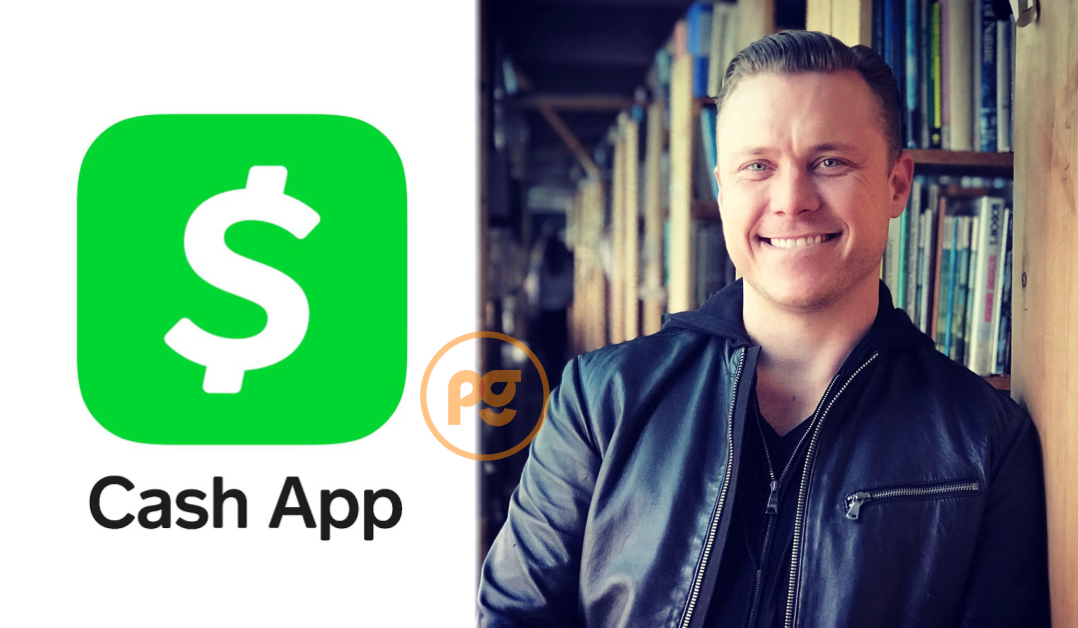
Cash App is owned by Block, Inc., formerly known as Square, Inc. This ownership by a publicly traded company led by one of technology’s most prominent figures, Jack Dorsey, positions Cash App at the intersection of innovation, decentralized finance aspirations, and mainstream financial services. This article will delve into the intricate details of this ownership, exploring its evolution, its implications for the financial industry, and what it signals for the future of digital money.
The Corporate Architect Behind Cash App: Block Inc.
To understand Cash App’s ownership, one must first understand Block, Inc. This company serves as the foundational entity, not just for Cash App but for a portfolio of diverse financial technologies designed to empower individuals and businesses. The journey from Square to Block is a testament to an evolving vision that extends far beyond simple payment processing.
From Square to Block: A Rebranding Story
Square, Inc. was founded in 2009 by Jack Dorsey and Jim McKelvey, primarily to provide small businesses with an easy way to accept credit card payments via a mobile device. The iconic “Square Reader” revolutionized point-of-sale systems, democratizing access to electronic payments for countless entrepreneurs. As the company grew, it began to diversify its offerings. In 2013, it launched Cash App, initially as “Square Cash,” a simple peer-to-peer payment service designed to compete with Venmo and PayPal.
The transformation from Square, Inc. to Block, Inc. in December 2021 was a strategic move signaling a broader ambition. This rebranding aimed to encompass the company’s increasing focus on new technologies like blockchain, cryptocurrencies (especially Bitcoin), and decentralized financial solutions, alongside its established payment services. The name “Block” reflects these varied efforts, from building blocks to blockchain technology, and even the block parties and local communities the company aims to serve. This rebranding was not merely cosmetic; it represented a fundamental shift in corporate identity and strategic focus, emphasizing a future where financial services are more accessible, efficient, and decentralized. For investors and financial analysts, this signaled a commitment to exploring new revenue streams and cementing its position at the forefront of the fintech revolution.
Diversified Financial Ecosystem
Block, Inc. is not a single product company; it operates as a sophisticated ecosystem of complementary financial services. Its key business segments include:
- Square: This segment continues to serve small businesses with point-of-sale hardware and software, payroll services, and business loans. It’s the engine that powers countless small and medium-sized enterprises.
- Cash App: The focus of our discussion, Cash App is the consumer-facing financial platform offering peer-to-peer payments, debit cards (Cash Card), direct deposit, stock investing, and Bitcoin trading. It represents Block’s direct engagement with individual users and their personal finance needs.
- Tidal: A music streaming service acquired by Square, reflecting Dorsey’s broader interest in creator economies and unique business models that empower artists financially. While seemingly disparate, it aligns with the vision of empowering individuals.
- Spiral (formerly Square Crypto): Dedicated to advancing Bitcoin and decentralized technologies, Spiral is a separate unit focused on open-source development and fostering innovation within the crypto space. It underscores Block’s long-term commitment to blockchain.
- TBD: A platform focused on building an open developer platform to make it easier to access Bitcoin and other blockchain technologies, promoting decentralized identity and financial services.
This diversified portfolio under the Block umbrella illustrates a deliberate strategy to build a comprehensive financial ecosystem that caters to both businesses and individuals, spanning traditional finance and cutting-edge decentralized technologies. The ownership of Cash App by Block thus places it within a larger, interconnected financial strategy, benefiting from shared resources, technological advancements, and a unified corporate vision.
The Philosophy of Decentralization
A key aspect of Block’s corporate identity, and by extension Cash App’s long-term trajectory, is its founder Jack Dorsey’s strong belief in decentralization, particularly in the context of Bitcoin. This philosophy isn’t just a side interest; it’s increasingly woven into the strategic fabric of Block. Dorsey envisions a future where financial systems are less reliant on central authorities and more open, permissionless, and accessible to everyone.
This commitment influences how Cash App develops new features, especially around cryptocurrency. While Cash App offers a relatively centralized way to buy and sell Bitcoin, Block’s broader efforts through Spiral and TBD suggest a long-term strategy to integrate more decentralized features and empower users with greater control over their digital assets. For investors, understanding this philosophical underpinning is crucial, as it indicates a long-term bet on the transformative potential of blockchain technology, potentially reshaping Cash App’s offerings and market position in the coming decades.
Leadership and Vision: Jack Dorsey’s Enduring Influence
The ownership structure of Block, Inc., and therefore Cash App, is deeply intertwined with its leadership, particularly its co-founder and CEO, Jack Dorsey. His vision, entrepreneurial spirit, and unique dual role have profoundly shaped the company’s direction and its various ventures.
The Founder’s Influence: Jack Dorsey
Jack Dorsey’s influence on Block, Inc. is pervasive. As the co-founder of both Twitter (now X) and Square (now Block), Dorsey has a track record of building influential platforms that reshape communication and finance. His leadership style, characterized by a long-term strategic outlook and a strong emphasis on user empowerment and technological innovation, is clearly visible in Cash App’s evolution. After stepping down as Twitter’s CEO in 2021, Dorsey now dedicates his full attention to Block, Inc., intensifying his focus on the company’s various ventures, particularly those involving blockchain and Bitcoin.
This concentrated leadership means that Cash App’s strategic decisions—from product development to market expansion—are heavily influenced by Dorsey’s vision for a more open and decentralized financial system. His commitment to Bitcoin, for instance, has driven Cash App to become one of the most accessible platforms for purchasing the cryptocurrency, making it a gateway for many new investors into the crypto economy. For financial analysts, Dorsey’s direct and undivided attention to Block signifies a potential acceleration of its ambitious goals in fintech and crypto.
Governance and Shareholder Structure
As a publicly traded company listed on the New York Stock Exchange (NYSE: SQ), Block, Inc. is owned by its shareholders. These include institutional investors (mutual funds, hedge funds, pension funds), individual retail investors, and the company’s founders and employees. Jack Dorsey, as a significant shareholder, retains substantial voting power, allowing him to exert considerable influence over the company’s strategic direction.
The governance structure is typical of a large public corporation, with a board of directors overseeing management and representing shareholder interests. However, Dorsey’s stature and substantial equity stake mean that his vision often sets the tone for the entire organization. Understanding this shareholder structure is vital for anyone assessing Cash App’s financial health and future. The confidence of these shareholders in Block’s long-term strategy, including its investments in less conventional areas like Bitcoin development, directly impacts the company’s ability to raise capital, invest in innovation, and sustain growth.
Synergies Across Block’s Portfolio
Dorsey’s leadership also champions synergies across Block’s diverse portfolio. The vision is not for Cash App, Square, Spiral, and TBD to operate in isolation but to feed into a larger, cohesive financial ecosystem. For example, insights gained from Square’s small business clients can inform Cash App’s features for solopreneurs, while advancements in Spiral’s Bitcoin development can lead to new crypto functionalities within Cash App.
This integrated approach helps Block maximize its investment in talent and technology. From a financial perspective, these synergies are crucial for efficiency, cost savings, and the creation of network effects that enhance the value proposition of each product. The ability to leverage a common technological infrastructure and a shared user base across different segments of the business makes Block a formidable player in the financial services sector, and Cash App a beneficiary of this broad strategic approach.
Cash App’s Strategic Positioning in the Fintech Landscape
Cash App’s ownership by Block, Inc. and its strategic leadership dictate its positioning within the highly competitive fintech landscape. It’s not just another payment app; it’s a critical component of a broader strategy to redefine financial services for individuals.
Competing in the P2P Payment Space
Initially, Cash App entered the market as a direct competitor to PayPal’s Venmo and Zelle, focusing on simple, fast peer-to-peer (P2P) payments. Its unique features, like the “Cashtag” for easy transactions and the distinctive Cash Card, helped it carve out a significant market share. The focus on simplicity and a strong brand identity resonated particularly well with younger demographics.
However, its ownership by Block has allowed Cash App to rapidly expand beyond basic P2P. Unlike many standalone payment apps, Cash App benefits from the financial backing and strategic guidance of a larger entity with deep roots in payment processing and a long-term vision for financial innovation. This enables Cash App to continuously innovate and maintain a competitive edge, ensuring it remains a dominant force in the highly saturated P2P market by offering more than just payments.

Expanding Beyond Payments: Banking, Investing, Crypto
Under Block’s stewardship, Cash App has aggressively expanded its feature set, transforming from a simple P2P app into a comprehensive financial super-app. Key expansions include:
- Cash Card (Debit Card): A customizable Visa debit card linked to the Cash App balance, allowing users to spend directly from their account.
- Direct Deposit: Enabling users to receive paychecks directly into their Cash App accounts, blurring the lines between a fintech app and a traditional bank account.
- Stock Investing: Allowing users to buy fractional shares of stocks and ETFs with as little as $1, democratizing access to the stock market for retail investors.
- Bitcoin Trading: One of its most significant differentiators, Cash App allows users to buy, sell, and send Bitcoin with ease, making it a primary entry point for many into cryptocurrency.
These expansions are strategic moves to capture a larger share of users’ financial lives. By offering a broader suite of services, Cash App aims to become the primary financial hub for its users, increasing engagement, retention, and ultimately, monetization. This strategy is directly supported by Block’s resources and its broader vision for financial inclusion and innovation.
User Acquisition and Monetization Strategies
Block’s ownership enables Cash App to pursue aggressive user acquisition and diverse monetization strategies. Cash App’s monetization typically comes from:
- Transaction Fees: While P2P payments are generally free, instant transfers to external bank accounts incur a small fee.
- Interchange Fees: From Cash Card usage, similar to traditional debit cards.
- Merchant Fees: Though not direct, some integrations or business-related transactions might involve fees.
- Spread on Bitcoin Trading: Cash App typically adds a small spread to the market price of Bitcoin when users buy or sell, generating revenue.
- Stock Investing: While commission-free, there may be other revenue models such as payment for order flow or premium features in the future.
Block’s deep pockets and market expertise allow Cash App to invest heavily in marketing and product development to attract and retain users, while simultaneously optimizing these diverse revenue streams. The objective is to build a large, highly engaged user base that generates revenue through a variety of financial activities, positioning Cash App as a profitable long-term asset within Block’s portfolio.
Understanding the Financial Implications of Cash App’s Ownership
The fact that Cash App is owned by a publicly traded, financially robust company like Block, Inc. carries significant financial implications, both for the company itself and for the broader market. This ownership structure influences valuation, investor confidence, and how Cash App navigates the complex regulatory landscape.
Valuation and Market Performance
Cash App’s success is a major driver of Block’s overall valuation. Block, Inc. reports its financial results, often highlighting the performance of its Cash App segment, particularly its gross profit and user growth. Strong performance from Cash App directly contributes to Block’s revenue and profitability, which in turn influences its stock price (NYSE: SQ). Analysts closely monitor Cash App’s user metrics, engagement rates, and new feature adoption as key indicators of Block’s future growth potential.
The market assigns a high valuation to fintech companies with strong network effects and significant user bases, and Cash App fits this description perfectly. Its robust ecosystem of services contributes significantly to Block’s market capitalization, reflecting investor confidence in its ability to disrupt traditional banking and payment systems. However, its value is also subject to broader market trends in fintech, competition, and regulatory changes.
Investor Confidence and Growth Outlook
Block’s ownership provides Cash App with a stable foundation and access to capital that a standalone startup might struggle to secure. This financial backing fuels innovation, allows for aggressive marketing campaigns, and supports the expansion into new financial services. Investors in Block, Inc. are essentially investing in the collective vision of the entire ecosystem, including the continued growth and profitability of Cash App.
The growth outlook for Cash App, therefore, is directly tied to Block’s strategic investments and its ability to execute on its long-term vision. Block’s commitment to Bitcoin and decentralized finance, while potentially volatile, also offers a significant growth narrative that attracts a certain segment of investors looking for exposure to cutting-edge financial technology. This long-term outlook, combined with consistent financial performance from Cash App, is critical for maintaining investor confidence and driving Block’s future growth.
Regulatory Landscape and Compliance Costs
Operating in the financial sector, especially with services spanning payments, investing, and cryptocurrency, subjects Cash App (and by extension, Block) to a complex and ever-evolving regulatory landscape. This includes compliance with anti-money laundering (AML) laws, know-your-customer (KYC) regulations, consumer protection laws, and securities regulations.
Block’s corporate structure provides the necessary resources and expertise to navigate these regulatory challenges. A dedicated legal and compliance team ensures that Cash App operates within legal frameworks, which is crucial for maintaining trust and avoiding costly penalties. These compliance costs are a significant operational expense, but they are a necessary investment to secure the company’s operating licenses and protect its financial integrity. Block’s ability to manage these regulatory burdens effectively is a key factor in Cash App’s sustained viability and growth within the regulated financial industry.
The Future Trajectory: What Ownership Means for Cash App’s Evolution
The ownership of Cash App by Block, Inc. is not a static arrangement; it’s a dynamic relationship that continually shapes Cash App’s future trajectory, particularly concerning innovation, global expansion, and its role in the evolving financial paradigm.
Innovation and Product Development
Under Block’s ownership, Cash App is poised for continued innovation. Block’s significant investment in research and development, particularly in areas like blockchain and artificial intelligence, will undoubtedly translate into new features and enhanced user experiences for Cash App users. Expect more seamless integrations, personalized financial insights, and potentially revolutionary ways to manage and transact money.
The connection to Spiral and TBD, Block’s crypto-focused initiatives, suggests a future where Cash App might offer more advanced cryptocurrency features, potentially integrating with decentralized finance (DeFi) protocols or even supporting a broader range of digital assets. This forward-looking approach to product development, backed by Block’s resources, ensures that Cash App remains at the cutting edge of fintech innovation.
Global Expansion Potential
While Cash App currently operates predominantly in the United States and the UK, Block’s global ambitions could pave the way for broader international expansion. The core payment infrastructure and the scalable nature of its app-based services make it a prime candidate for entering new markets, particularly those with a high demand for accessible digital financial tools.
However, global expansion also entails navigating diverse regulatory environments and cultural financial practices. Block’s strategic approach would involve careful market analysis, localized product adaptation, and securing necessary licenses. The financial backing of Block provides Cash App with the means to undertake such complex and capital-intensive expansion efforts, potentially bringing its innovative financial services to a much wider global audience.
The Intersection of Fintech and Decentralization
Perhaps the most defining aspect of Cash App’s future under Block’s ownership is its position at the intersection of traditional fintech and the burgeoning world of decentralization. Jack Dorsey’s strong advocacy for Bitcoin and his efforts through Spiral and TBD suggest a long-term vision where Cash App plays a critical role in bridging these two worlds.
This could mean Cash App evolving into a gateway for mainstream users to engage with more decentralized financial applications, self-custody solutions for digital assets, or even participating in Web3 economies. The challenge will be to balance the user-friendly experience that Cash App is known for with the complexities of decentralized technologies, all while adhering to regulatory requirements. For the financial industry, Cash App’s evolution will be a significant barometer for how successfully traditional finance and decentralized systems can converge, potentially signaling the future of money itself.
In conclusion, understanding who owns the Cash App reveals a multifaceted picture of a cutting-edge financial tool embedded within a larger, ambitious corporate entity. Block, Inc.’s stewardship provides the financial muscle, strategic vision, and technological expertise that enables Cash App to continuously innovate, expand its offerings, and cement its position as a transformative force in the global financial landscape. Its future promises to be as dynamic and impactful as its journey to date.
aViewFromTheCave is a participant in the Amazon Services LLC Associates Program, an affiliate advertising program designed to provide a means for sites to earn advertising fees by advertising and linking to Amazon.com. Amazon, the Amazon logo, AmazonSupply, and the AmazonSupply logo are trademarks of Amazon.com, Inc. or its affiliates. As an Amazon Associate we earn affiliate commissions from qualifying purchases.