
Growing a company is a multifaceted endeavor, but at its core, it is inextricably linked to sound financial management, strategic capital deployment, and a relentless focus on profitability and sustainable economic expansion. While marketing attracts customers and technology optimizes processes, it is the astute command of a company’s financial resources that truly fuels, measures, and sustains its upward trajectory. This guide delves into the financial strategies and disciplines essential for businesses aiming for significant, long-term growth.
I. Laying the Financial Foundation for Growth
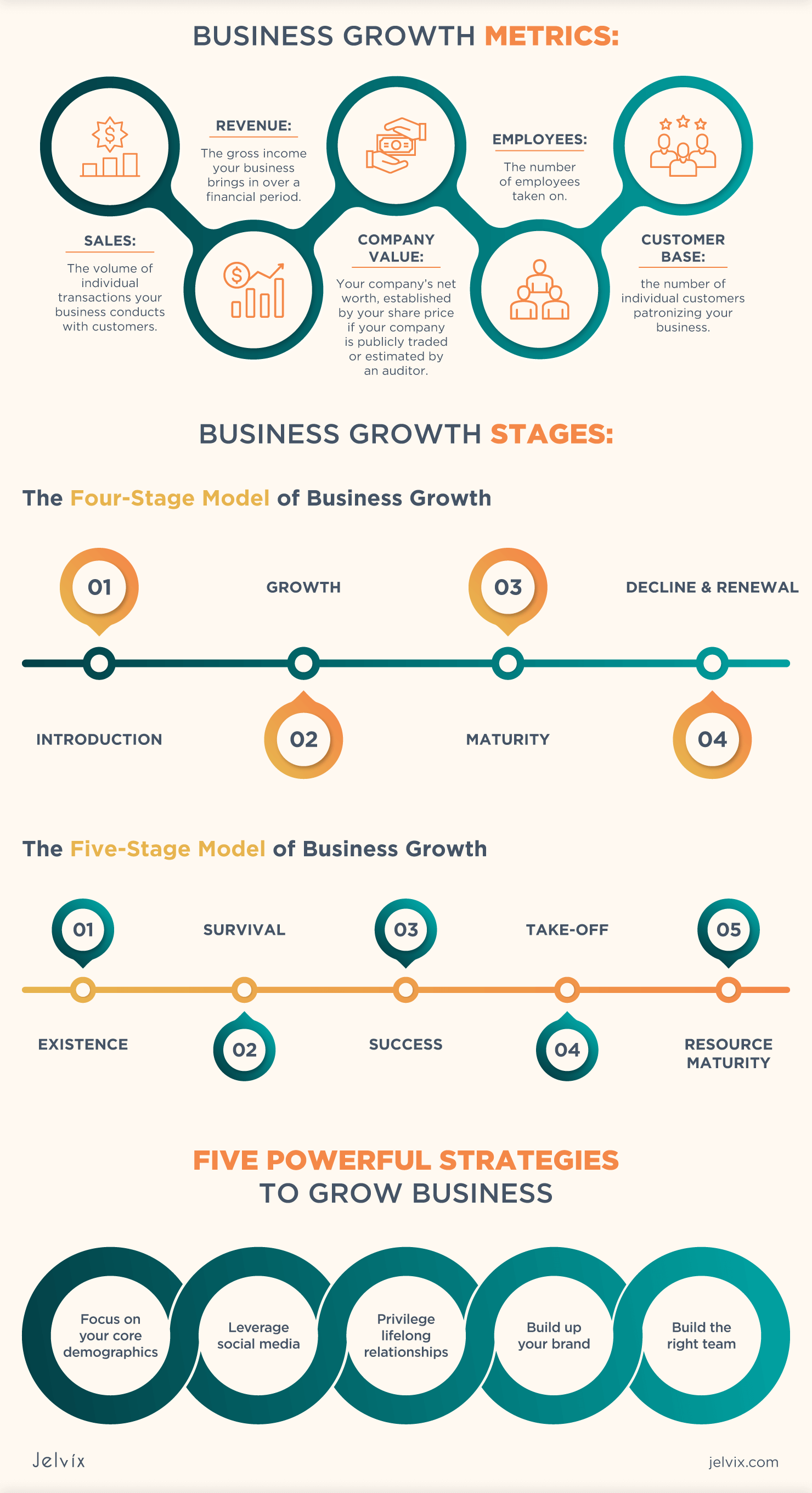
Before any growth initiative can take root, a company must possess a crystal-clear understanding of its current financial standing and establish quantifiable, ambitious yet realistic, financial objectives. This foundational work ensures that growth is not merely a hopeful aspiration but a strategic, measurable undertaking.
A. Assessing Your Current Financial Health
The first step in any growth journey is a thorough financial audit. This involves scrutinizing key financial statements – the income statement, balance sheet, and cash flow statement – to identify strengths, weaknesses, opportunities, and threats (SWOT analysis) from a monetary perspective.
- Income Statement Analysis: Understand revenue streams, cost of goods sold (COGS), operating expenses, and ultimately, net profit. Identify trends in profitability and pinpoint areas where expenses are escalating disproportionately to revenue.
- Balance Sheet Review: Evaluate assets (cash, accounts receivable, inventory, fixed assets) against liabilities (accounts payable, short-term and long-term debt) and equity. Assess liquidity, solvency, and asset utilization efficiency. A strong balance sheet provides a stable platform for expansion.
- Cash Flow Statement Examination: This is arguably the most critical statement for growth. It details cash inflows and outflows from operating, investing, and financing activities. Positive cash flow from operations is the lifeblood of a growing company, funding reinvestment without solely relying on external financing. Analyze burn rate if the company is in a high-growth, pre-profitability phase. Identify bottlenecks in cash conversion cycles.
- Key Financial Ratios: Calculate and benchmark ratios such as gross profit margin, net profit margin, return on equity (ROE), debt-to-equity ratio, current ratio, and inventory turnover. These provide comparative insights into operational efficiency and financial stability against industry standards. Identifying inefficiencies here can uncover immediate opportunities for cost savings or revenue optimization, freeing up capital for growth.
B. Defining Quantifiable Growth Objectives
Growth, in a financial context, needs specific targets. Vague aspirations like “increase sales” are ineffective. Instead, set SMART (Specific, Measurable, Achievable, Relevant, Time-bound) financial goals.
- Revenue Targets: Specify desired annual or quarterly revenue increases, perhaps broken down by product line, service, or market segment.
- Profitability Goals: Beyond revenue, define target net profit margins, gross profit margins, or EBITDA (Earnings Before Interest, Taxes, Depreciation, and Amortization) margins. Growth that isn’t profitable is unsustainable.
- Market Share Objectives: If applicable, aim for a specific percentage increase in market share within defined markets. This translates to increased sales and revenue.
- Cash Flow Projections: Project desired increases in operating cash flow to ensure liquidity for future investments and operational needs.
- Return on Investment (ROI) Targets: For any new growth initiatives (e.g., investing in a new product, market entry, technology upgrade), set clear ROI expectations to measure success and justify capital allocation.
- Customer-Centric Financial Metrics: Set goals for increasing Customer Lifetime Value (CLTV) and improving the Customer Acquisition Cost (CAC) to CLTV ratio, ensuring that new customer acquisition is financially viable and profitable.
II. Strategic Capital Allocation and Funding for Expansion
Growth often requires capital – whether for expanding operations, developing new products, or entering new markets. Understanding how to acquire and judiciously deploy this capital is paramount.
A. Navigating Funding Avenues: Debt vs. Equity
Companies have various options for securing the capital needed for growth, each with distinct implications for ownership, control, and financial risk.
- Bootstrapping and Retained Earnings: The most organic form of growth funding involves reinvesting profits back into the business. This maintains full ownership and avoids debt interest, but growth pace might be slower. Optimizing existing operations to generate more cash flow is crucial for effective bootstrapping.
- Debt Financing: This includes bank loans, lines of credit, and venture debt. Debt provides capital without diluting ownership but incurs interest payments and repayment obligations, regardless of business performance. It’s often suitable for predictable growth investments with clear ROI, such as equipment upgrades or working capital. A healthy debt-to-equity ratio is key to not overleveraging.
- Equity Financing: Selling a portion of the company’s ownership to investors (angel investors, venture capitalists, private equity firms) provides significant capital infusions without immediate repayment obligations. However, it dilutes ownership and control and requires a share of future profits. This is often preferred for high-growth potential businesses requiring substantial capital for rapid scaling or R&D. Understanding valuation and shareholder agreements is critical.
- Grants and Subsidies: Depending on the industry and location, government grants or industry-specific subsidies can provide non-dilutive, non-repayable funds, often tied to innovation, job creation, or specific economic development goals.
B. Optimizing Working Capital and Cash Flow
Efficient management of working capital (current assets minus current liabilities) is vital for funding day-to-day operations and bridging gaps between revenue generation and cash collection.
- Accounts Receivable Management: Implement robust credit policies, offer early payment incentives, and diligently follow up on overdue invoices to accelerate cash inflow. The faster you collect, the less you need to borrow or tie up in receivables.
- Accounts Payable Management: Strategically manage payments to suppliers to optimize cash outflows without damaging vendor relationships. Negotiate favorable payment terms.
- Inventory Control: Minimize excess inventory, which ties up cash and incurs storage costs. Implement just-in-time (JIT) inventory systems where feasible. Balance inventory levels to meet demand without overstocking or stockouts.
- Cash Flow Forecasting: Regularly project cash inflows and outflows to anticipate shortages or surpluses, enabling proactive financial planning. This includes projecting revenue, expenses, capital expenditures, and debt service.
- Operational Efficiency: Streamline processes, reduce waste, and improve productivity across all departments. Every cost saving directly contributes to improved cash flow and profitability, providing more internal capital for growth.
C. Investing in Growth: R&D and Market Expansion
Once capital is secured, its strategic allocation defines the growth trajectory.
- Research and Development (R&D): Investing in new product development, service innovation, or technological advancements is crucial for long-term competitive advantage and new revenue streams. Financial analysis must project the potential ROI and payback period for R&D expenditures.
- Market Expansion: This could involve entering new geographical markets, targeting new customer segments, or expanding product lines. Each expansion requires careful financial modeling to assess market potential, entry costs, and projected profitability. Financial due diligence on potential partners or acquisitions is also vital.
- Infrastructure and Technology Upgrades: Investing in scalable IT systems, modern equipment, or expanded facilities can enhance operational capacity and efficiency, supporting increased demand. The financial justification lies in improved productivity, reduced long-term costs, or enhanced revenue generation.
III. Revenue Generation and Profitability Optimization
Sustainable growth isn’t just about increasing sales; it’s about increasing profitable sales. Strategic pricing, maximizing customer value, and meticulous cost management are cornerstones.

A. Strategic Pricing for Sustainable Growth
Pricing isn’t merely a reflection of costs plus a margin; it’s a powerful strategic lever that directly impacts revenue, profitability, and market positioning.
- Value-Based Pricing: Price products or services based on the perceived value to the customer, rather than solely on cost. Understand what customers are willing to pay for the benefits received.
- Competitive Pricing: Monitor competitor pricing strategies and adjust your own to remain competitive while maintaining desired margins. Avoid price wars unless strategically necessary and financially viable.
- Cost-Plus Pricing: A basic method where a markup percentage is added to the cost of production. While simple, it may not optimize for market demand or perceived value.
- Dynamic Pricing: Adjust prices in real-time based on demand, supply, competitor prices, and other market factors. Common in e-commerce and travel industries.
- Tiered Pricing and Bundling: Offer different pricing tiers or bundle products/services to cater to various customer segments and increase average transaction value.
- Subscription Models: For certain businesses, recurring revenue models can provide predictable cash flow and higher customer retention, fueling stable growth.
B. Maximizing Customer Lifetime Value (CLTV)
Acquiring new customers is expensive. Growing the value of existing customers is often more cost-effective and a significant driver of profitable growth.
- Retention Strategies: Invest in customer service, loyalty programs, and personalized experiences to reduce churn. Retained customers provide consistent revenue streams.
- Upselling and Cross-selling: Encourage existing customers to purchase higher-value products/services (upselling) or complementary items (cross-selling). This increases the revenue generated per customer without the high acquisition cost.
- Referral Programs: Financially incentivizing existing customers to refer new ones can be a cost-effective way to acquire high-quality leads.
- Financial Impact of CLTV: Regularly calculate CLTV and compare it against Customer Acquisition Cost (CAC). A healthy CLTV:CAC ratio (e.g., 3:1 or higher) indicates that customer acquisition efforts are profitable and sustainable for growth. Focus efforts on segments with higher CLTV.
C. Cost Management and Operational Efficiency
Aggressive growth can sometimes lead to uncontrolled spending. A lean and efficient operation ensures that increased revenue translates into increased profit.
- Fixed vs. Variable Costs: Understand the breakdown of costs. As a company grows, analyze how variable costs scale with revenue and look for opportunities to convert variable costs into more efficient fixed costs (e.g., investing in automation).
- Expense Review and Negotiation: Regularly audit all operational expenses, from supplier contracts to software subscriptions. Negotiate better terms, seek volume discounts, and eliminate unnecessary expenditures.
- Automation: Invest in technology and automation to reduce manual labor costs, improve accuracy, and increase speed in various business processes (e.g., accounting, marketing, customer service).
- Outsourcing: Strategically outsource non-core functions to specialized providers to reduce overhead and leverage external expertise more cost-effectively.
- Activity-Based Costing: For complex operations, understanding the true cost of producing a product or delivering a service can reveal areas for efficiency improvements and better pricing decisions.
IV. Financial Metrics and Performance Monitoring
Growth is an ongoing journey that requires continuous monitoring and adaptation. Robust financial tracking and forecasting tools are indispensable for staying on course.
A. Key Performance Indicators (KPIs) for Growth
Beyond the basic financial statements, specific KPIs offer real-time insights into the health and trajectory of a growth-focused company.
- Revenue Growth Rate: Percentage increase in revenue over a period.
- Customer Acquisition Cost (CAC): The total cost of sales and marketing divided by the number of new customers acquired.
- Customer Lifetime Value (CLTV): The predicted total revenue a customer will generate throughout their relationship with your company.
- Gross Profit Margin & Net Profit Margin: Indicate the profitability of core operations and overall business, respectively.
- Operating Cash Flow: Cash generated from regular business operations.
- Burn Rate: For early-stage or fast-growing companies, the rate at which they are spending capital in excess of revenue. Crucial for runway planning.
- Churn Rate: The percentage of customers who stop doing business with you over a given period. High churn cripples growth.
- Return on Invested Capital (ROIC): Measures the return generated from all capital invested (debt and equity), indicating how efficiently a company is allocating its resources.
B. Forecasting and Budgeting for the Future
Effective financial planning involves looking forward, not just backward.
- Rolling Forecasts: Instead of static annual budgets, implement rolling forecasts that are updated quarterly or monthly. This allows for greater agility and responsiveness to changing market conditions and growth opportunities.
- Scenario Planning: Develop multiple financial scenarios (best-case, worst-case, most likely) to understand potential outcomes and prepare contingency plans for various market dynamics or operational challenges.
- Capital Expenditure (CapEx) Planning: Plan for future investments in fixed assets (e.g., equipment, facilities) that will support growth. This requires careful budgeting and ROI analysis.
- Growth Budgeting: Allocate specific budget lines for growth initiatives, ensuring that expansion efforts are adequately funded and their financial impact is tracked. This includes budgets for market entry, product launch, increased marketing spend, and scaling operations.
V. Mitigating Financial Risks and Ensuring Longevity
Growth, especially rapid growth, inherently carries risks. A financially astute company proactively identifies, assesses, and mitigates these risks to ensure long-term stability and sustainable expansion.
A. Building Financial Resilience
A strong balance sheet and healthy cash reserves are critical buffers against unforeseen challenges.
- Emergency Fund/Cash Reserves: Maintain sufficient cash reserves to cover several months of operating expenses. This provides stability during economic downturns, unexpected operational hiccups, or periods of high investment.
- Diversification of Revenue Streams: Relying too heavily on a single product, service, or customer can be risky. Diversify revenue streams to mitigate the impact of market shifts or changes in customer preferences.
- Hedging Strategies: For businesses exposed to foreign exchange fluctuations, commodity price volatility, or interest rate changes, consider financial instruments to hedge against adverse movements.
- Insurance Coverage: Ensure adequate insurance coverage (liability, property, business interruption) to protect against financial losses from unforeseen events.
- Contingency Planning: Develop financial contingency plans for various scenarios, such as a major customer loss, supply chain disruption, or a significant market downturn.
B. Succession Planning and Exit Strategies
While often associated with later stages, thinking about the future beyond current growth initiatives, including potential exit strategies or succession plans, is a part of comprehensive financial growth planning.
- Valuation Enhancement: Focus on building a financially sound and scalable business that maximizes its valuation over time, whether for future investment rounds, a sale, or an IPO. Key drivers include recurring revenue, strong profit margins, intellectual property, and market leadership.
- Debt Management: Proactively manage debt levels to avoid overleveraging, which can restrict future growth financing options and increase financial risk.
- Shareholder Value Creation: For companies with investors, the ultimate financial goal of growth is often to increase shareholder value through increased profitability, market capitalization, or dividends.
In conclusion, growing a company is fundamentally a financial journey. It demands a deep understanding of current financial health, strategic capital acquisition and deployment, a relentless pursuit of profitable revenue generation, and vigilant financial oversight. By mastering these financial principles, companies can not only achieve their growth aspirations but also build a resilient and enduring enterprise capable of weathering challenges and capitalizing on future opportunities.
aViewFromTheCave is a participant in the Amazon Services LLC Associates Program, an affiliate advertising program designed to provide a means for sites to earn advertising fees by advertising and linking to Amazon.com. Amazon, the Amazon logo, AmazonSupply, and the AmazonSupply logo are trademarks of Amazon.com, Inc. or its affiliates. As an Amazon Associate we earn affiliate commissions from qualifying purchases.