
Diamonds, with their unparalleled brilliance and enduring allure, stand as one of humanity’s most potent symbols. Yet, this deep-seated symbolism is not merely an inherent quality of the stone; it is, in large part, a meticulously crafted edifice built through decades of sophisticated brand strategy, marketing ingenuity, and a profound understanding of human aspiration. For luxury brands and those operating within the diamond industry, comprehending and leveraging this symbolism is central to their corporate identity, market positioning, and consumer engagement.
The Engineered Iconography of Diamonds in Branding
The journey of diamonds from rare geological formations to universal emblems of love, status, and commitment is a testament to the power of brand narrative. This transformation was not accidental but a deliberate act of brand building that fundamentally reshaped consumer perception and desire.

From Rarity to Romance: De Beers’ Masterclass in Brand Narrative
No discussion of diamond symbolism is complete without acknowledging the pivotal role played by De Beers. Facing a declining market share in the mid-20th century, De Beers embarked on one of history’s most successful marketing campaigns, transforming a commodity into an icon. The campaign’s cornerstone, “A Diamond Is Forever,” was not just a tagline; it was a profound declaration that married the physical permanence of the diamond with the abstract ideal of eternal love and unbreakable commitment. This strategic branding effort single-handedly cemented the diamond’s place in engagement rituals, making it an indispensable part of a brand-new cultural phenomenon.
The brilliance of “A Diamond Is Forever” lay in its ability to associate the diamond with an emotional value that far surpassed its intrinsic material worth. It wasn’t about the stone itself but what it represented: an everlasting bond, an unyielding promise. This narrative shifted the diamond from a mere luxury item to a necessity for declaring serious intent, elevating its status within the consumer’s mind and creating an aspirational connection that endures to this day. It dictated not only what diamonds symbolise but also how they are presented and perceived, establishing an enduring blueprint for luxury brand positioning.
Crafting Emotional Connections Through Strategic Marketing
Following De Beers’ groundbreaking work, countless brands have continued to build upon and diversify the symbolic landscape of diamonds. Modern diamond marketing is less about simply selling a product and more about crafting and reinforcing emotional connections. Brands leverage the established symbolism of diamonds to tell stories that resonate deeply with their target audiences.
Through evocative advertising, sophisticated visual campaigns, and carefully curated brand experiences, diamond companies reinforce the idea that their products are not just jewellery but vessels of personal narratives. Marketing efforts often centre on celebrating specific life milestones – engagements, anniversaries, births, significant achievements – positioning diamonds as the ultimate tangible expression of love, joy, and success. The symbolism becomes a language, allowing consumers to communicate profound feelings and mark indelible moments. This strategic alignment with significant life events ensures that the diamond’s symbolism is perpetually renewed and integrated into the fabric of personal identity and collective memory, solidifying its role as a powerful communication tool for individuals and a cornerstone of luxury brand strategy.
Diamonds as a Pillar of Luxury Brand Identity
In the competitive landscape of luxury goods, diamonds serve as more than just high-value inventory; they are a fundamental pillar upon which many prestigious brands build their entire corporate identity. The inherent qualities and engineered symbolism of diamonds are leveraged to cultivate an image of exclusivity, aspiration, and timeless elegance.
Exclusivity and Aspiration: The Core of Diamond Branding
Luxury diamond brands meticulously cultivate an aura of exclusivity and aspiration. This begins with the very perception of diamonds as rare and precious, a natural starting point that brands amplify through their marketing and distribution strategies. Brands reinforce this exclusivity through limited collections, bespoke services, and high-end retail environments that transform the act of purchase into an experience of privilege. The meticulous craftsmanship, the unique designs, and the often steep price points all contribute to the perception that these are not just objects, but symbols reserved for special occasions and discerning individuals.
Furthermore, diamond brands strategically associate themselves with prestige events, high fashion, and celebrity endorsements. By aligning with red-carpet events, exclusive galas, and influential personalities, brands imbue their diamonds with a heightened sense of glamour and desirability. This aspirational branding suggests that owning a diamond from a particular house is not merely an acquisition but an entry into a world of sophisticated taste and elevated status. The symbolism thus extends beyond romance to include social standing, achievement, and personal discernment, all integral components of a robust luxury brand identity.
Beyond Romance: Diversifying Diamond Symbolism for Modern Consumers
While eternal love remains a dominant symbol, modern diamond brands are increasingly diversifying their narratives to resonate with evolving consumer values and lifestyles. Contemporary branding efforts explore themes beyond traditional romance, acknowledging shifting societal norms and empowering individual expression. Diamonds are now being positioned as symbols of empowerment, self-love, and personal achievement.
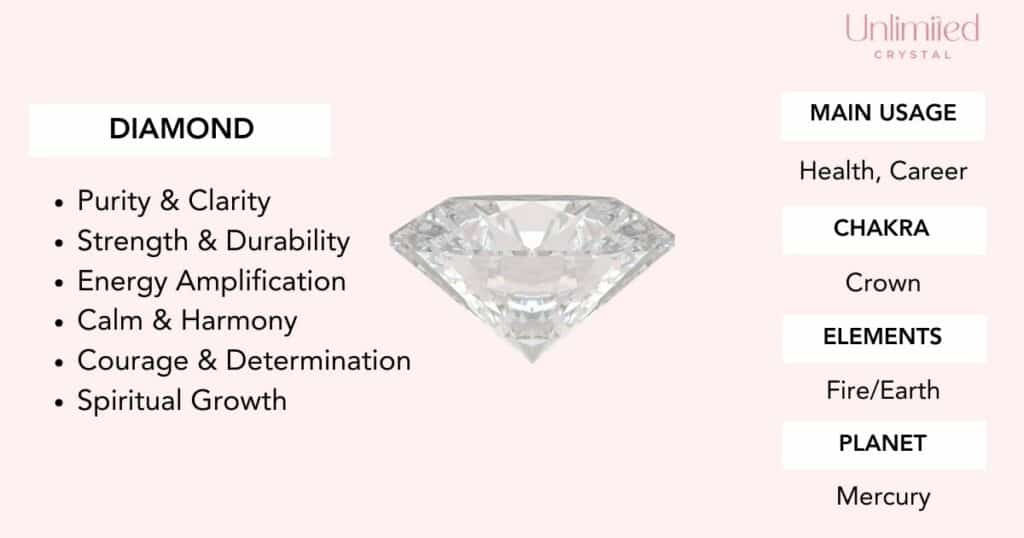
This diversification is evident in campaigns encouraging women to purchase diamonds for themselves, celebrating milestones like career advancements, personal triumphs, or significant birthdays. The symbolism shifts from a declaration of love to another to a powerful affirmation of self-worth and independence. Brands are also exploring diamonds as symbols of legacy, heritage, and sustainability, appealing to consumers who value conscious luxury and enduring craftsmanship. By expanding the symbolic repertoire, brands ensure that diamonds remain relevant and desirable across a broader spectrum of life’s meaningful moments, adapting their corporate identity to speak to a more nuanced and self-aware consumer base.
The Influence of Design and Aesthetics on Diamond Symbolism
The intrinsic qualities of a diamond, particularly the “4 Cs,” are not just technical specifications; they are powerful branding tools that imbue the stone with layers of symbolic meaning. The aesthetic presentation of a diamond, from its cut to its setting, profoundly influences its perceived value and the message it conveys.
Cut, Clarity, Color, Carat: The 4 Cs as Brand Pillars
The widely recognized “4 Cs”—Cut, Clarity, Color, and Carat—are fundamental to understanding and marketing diamonds. Brands don’t merely present these as technical metrics but translate them into aspirational qualities that resonate with human ideals. A diamond’s “perfect” cut, maximizing its brilliance, can symbolise the pursuit of perfection in life or relationships. High clarity speaks to purity and honesty, while a lack of colour (D grade) is often associated with rarity and ultimate beauty. The carat weight, representing size, frequently symbolises abundance, prosperity, or the magnitude of affection.
Certification from reputable laboratories like GIA or AGS transforms these technical attributes into verifiable credentials, establishing trust and reinforcing the perceived value of a brand’s offerings. This assurance of quality is a critical component of brand reputation, allowing consumers to invest in a symbol with confidence, knowing its characteristics are scientifically validated. Brands leverage these certified qualities to tell a story of uncompromising excellence, aligning their corporate identity with precision, integrity, and unparalleled beauty, thus enhancing the overall symbolic power of the diamond.
Setting and Style: Amplifying the Symbolic Message
Beyond the diamond itself, its setting and overall jewellery design play a crucial role in amplifying and refining its symbolic message. A classic solitaire setting, for instance, often symbolises timelessness, singular focus, and unadulterated beauty—a direct reflection of traditional romantic commitment. A halo setting, with its surrounding pave diamonds, can symbolise protection, enhancement, or the radiating joy of a union. More intricate designs or vintage styles might evoke heritage, enduring elegance, or a unique, personal narrative.
Luxury brands meticulously design their settings to complement the diamond’s inherent symbolism and to align with their specific brand aesthetic. The choice of metal, the intricacy of the craftsmanship, and the overall design language contribute to the perceived meaning. Furthermore, the increasing trend of customisation allows consumers to imbue their diamonds with even deeper personal symbolism, choosing designs that reflect their individual stories, values, or the unique nature of their relationship. Brands that offer sophisticated design options and customisation services empower consumers to create truly unique symbols, thereby strengthening the personal and emotional connection to their brand.
Contemporary Challenges and Evolving Brand Narratives
The diamond industry, like many luxury sectors, faces evolving consumer expectations and ethical considerations. Brands must continually adapt their narratives and operational practices to maintain trust and relevance, ensuring that the symbolism of diamonds continues to resonate in a conscientious marketplace.
Ethical Sourcing and Sustainability: Rebuilding Trust and Symbolism
The historical association of “blood diamonds” with conflict financing posed a significant threat to the diamond’s pristine symbolism. In response, diamond brands and the wider industry have invested heavily in ethical sourcing initiatives, such as the Kimberley Process Certification Scheme, to assure consumers of conflict-free origins. Transparency in the supply chain has become a non-negotiable aspect of modern diamond branding. Brands that can demonstrably prove their commitment to responsible sourcing and sustainable practices gain a significant competitive advantage, as these values are increasingly central to consumer purchasing decisions.
The emergence of lab-grown diamonds presents a new dimension to this narrative. Brands offering lab-grown diamonds often position them as a symbol of innovation, sustainability, and an ethically unblemished choice, appealing to a segment of consumers prioritising environmental and social responsibility. This offers a parallel, yet distinct, symbolic pathway—one rooted in modern values and technological advancement rather than solely in natural rarity. For traditional mined diamond brands, the challenge is to highlight their own ethical efforts and unique heritage, differentiating their symbolism within an evolving market landscape.

The Digital Age and Personal Branding with Diamonds
In the digital age, the symbolism of diamonds is not solely dictated by corporate branding campaigns but is also shaped and amplified by individual expression across social media platforms. Influencer marketing and user-generated content play a crucial role in disseminating contemporary perceptions of diamond symbolism, allowing consumers to actively participate in shaping narratives.
Individuals frequently use diamonds to project aspects of their personal brand, whether it’s through showcasing an engagement ring as a symbol of commitment, flaunting a bespoke piece as an indicator of style and luxury, or sharing a self-purchased diamond as a declaration of independence and achievement. Brands actively engage with this dynamic by fostering communities, encouraging sharing, and collaborating with influencers who embody their brand values. This decentralised amplification of symbolism ensures that diamonds remain culturally relevant and emotionally resonant, adapting to the diverse ways individuals choose to express their identity and values in an increasingly connected world.
aViewFromTheCave is a participant in the Amazon Services LLC Associates Program, an affiliate advertising program designed to provide a means for sites to earn advertising fees by advertising and linking to Amazon.com. Amazon, the Amazon logo, AmazonSupply, and the AmazonSupply logo are trademarks of Amazon.com, Inc. or its affiliates. As an Amazon Associate we earn affiliate commissions from qualifying purchases.